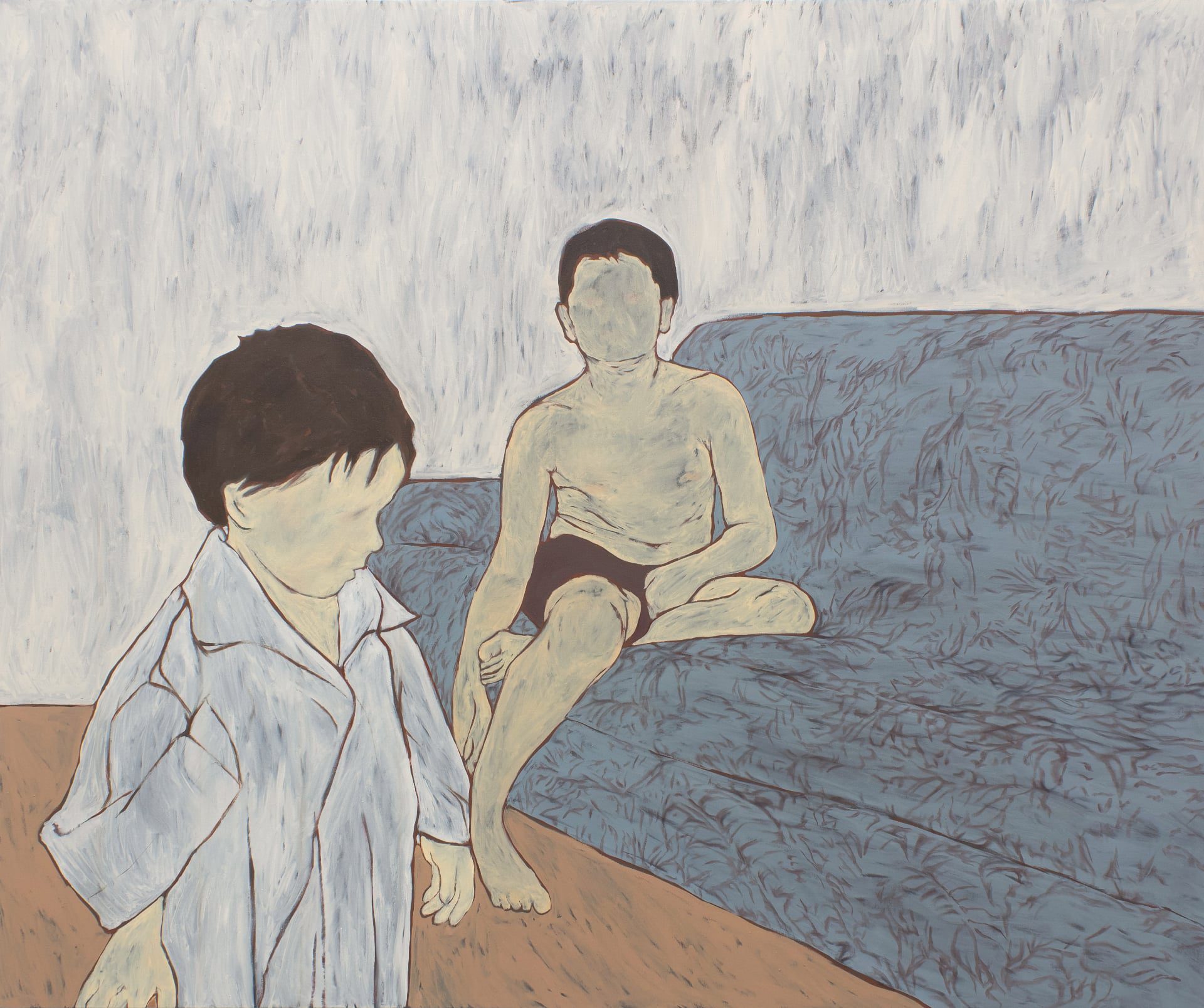
Works on display
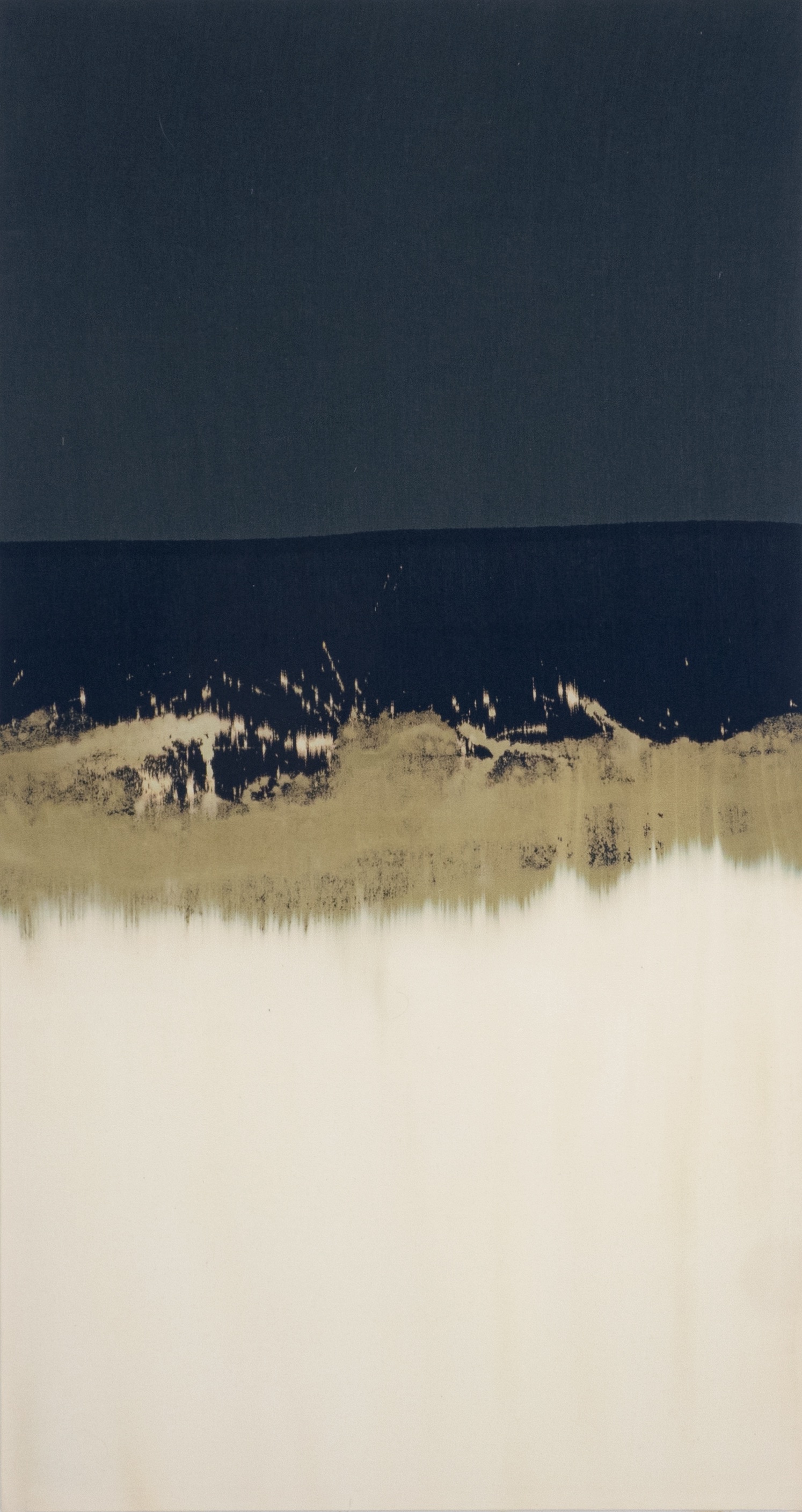
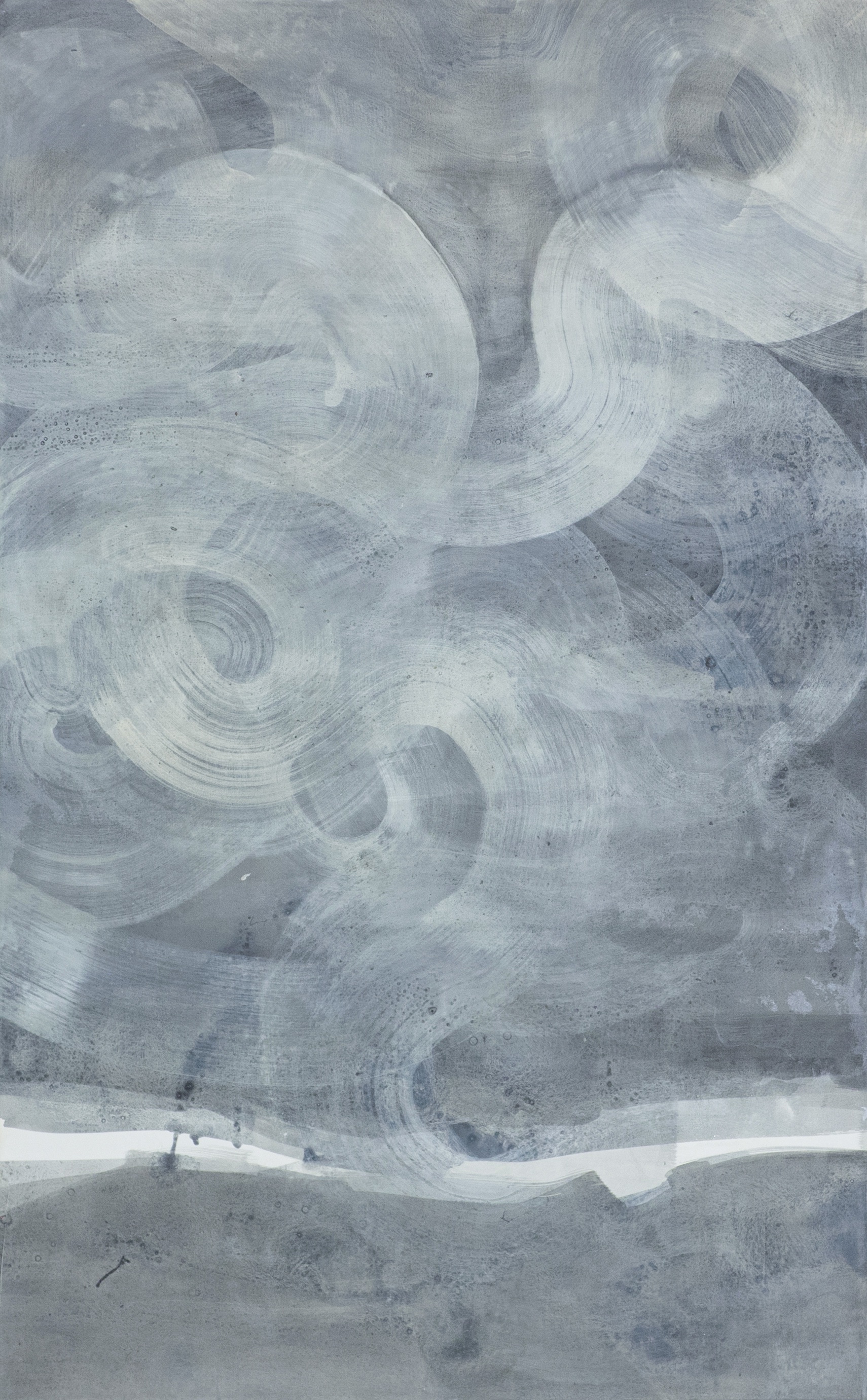
Artists

Curators
360
This event is an exhibition in Kou Gallery’s space, a promoter of Rome Art Week: even in Rome’s latitude, the advanced experiences of collective spaces and contemporary art workshops emerge—factories of “associated” creativity, production, and exhibition that interact with their local environment and reflect the evolution of the present era.
Collective experiences like Rione Placido fit well within the important and interactive initiative of Rome Art Week, which highlights the network and mapping of the city’s contemporary art scene, with a large number of high-quality and original participants and events, notably the factory-workshops, open studios, artist residencies, and especially collective spaces.
An innovative experience of production, dialogue, and relationships. From Masters, schools, and art academies to the young—echoing Quintilian’s words: from seed to root to trunk. Collective art spaces are an original and avant-garde expression of “made in Italy” and “made in Rome,” embodying the creativity of the country and its capital.
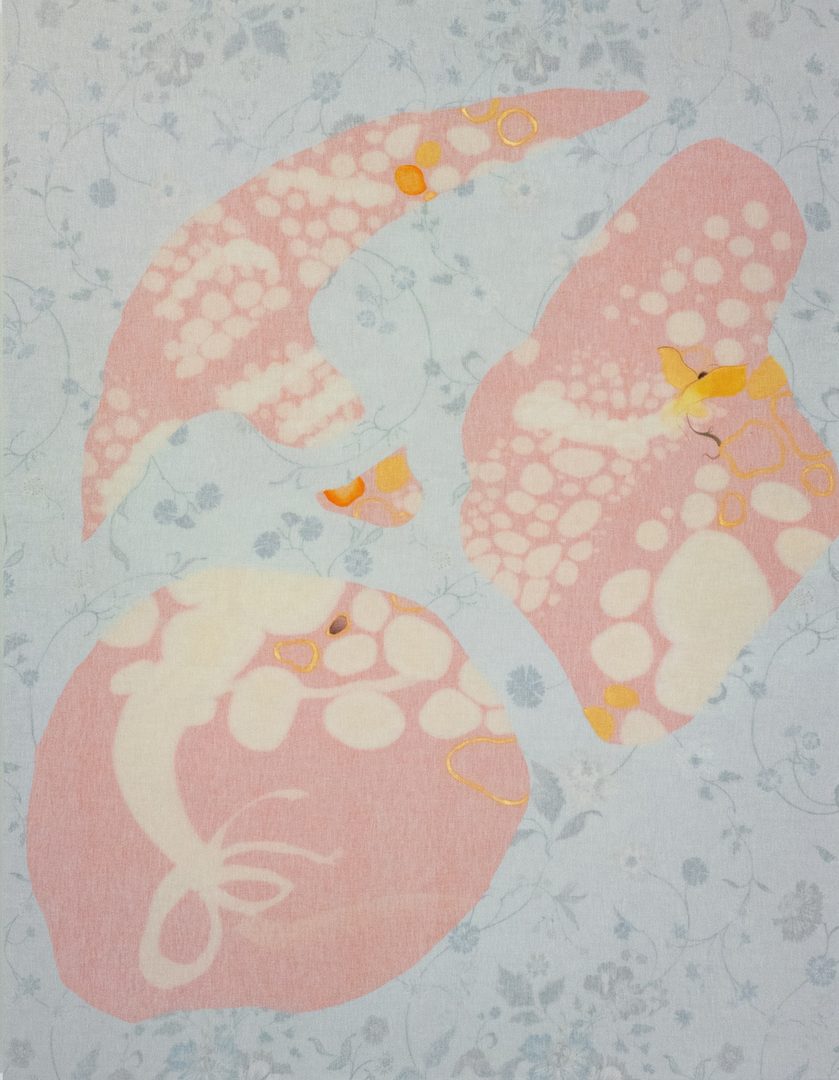
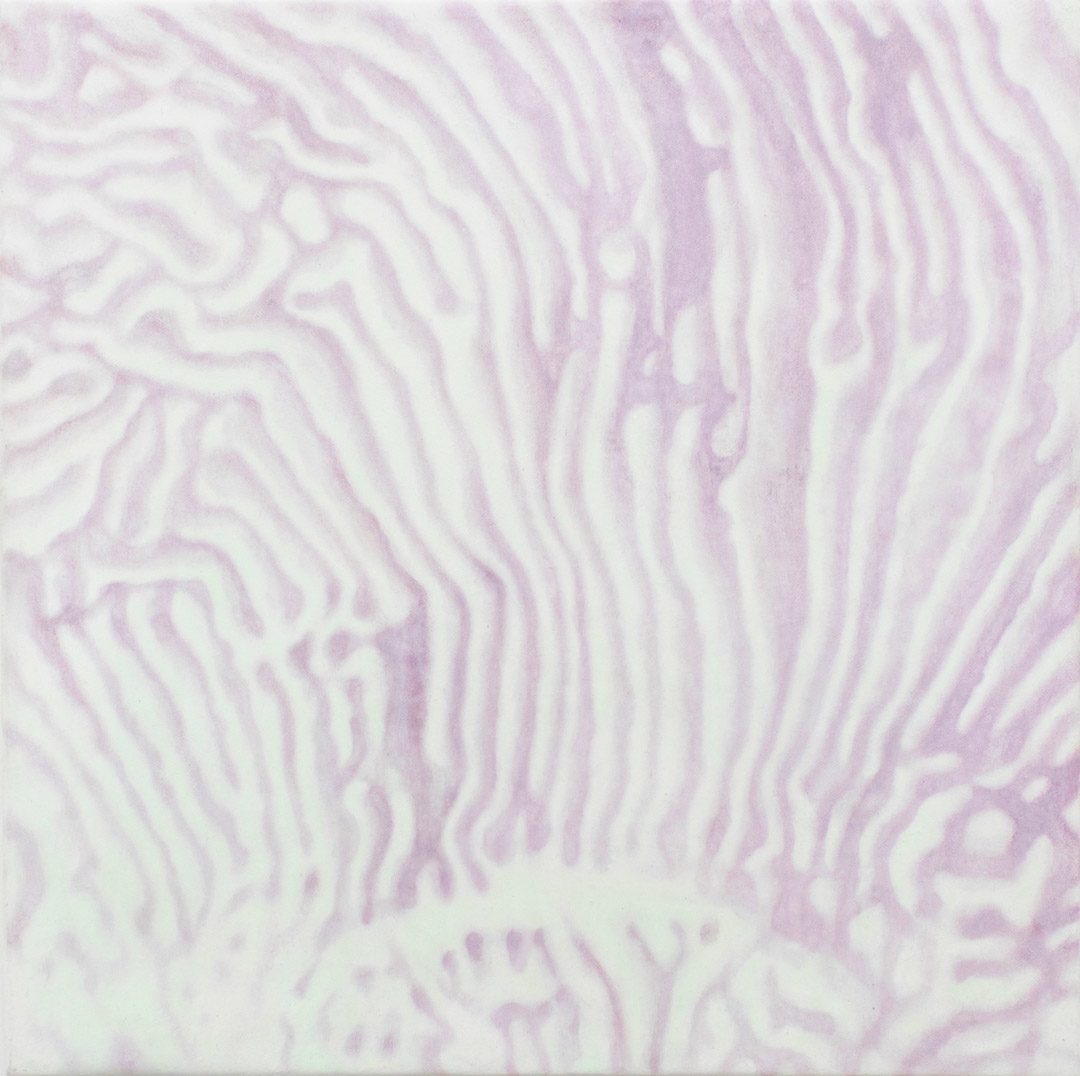
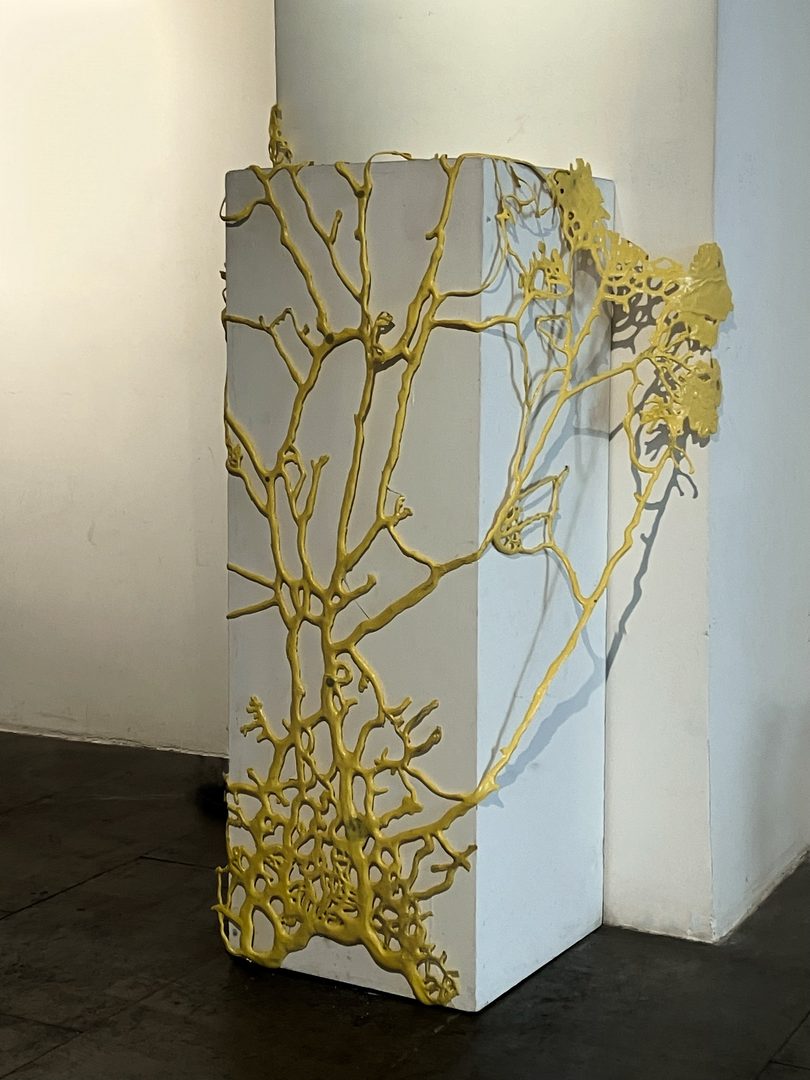
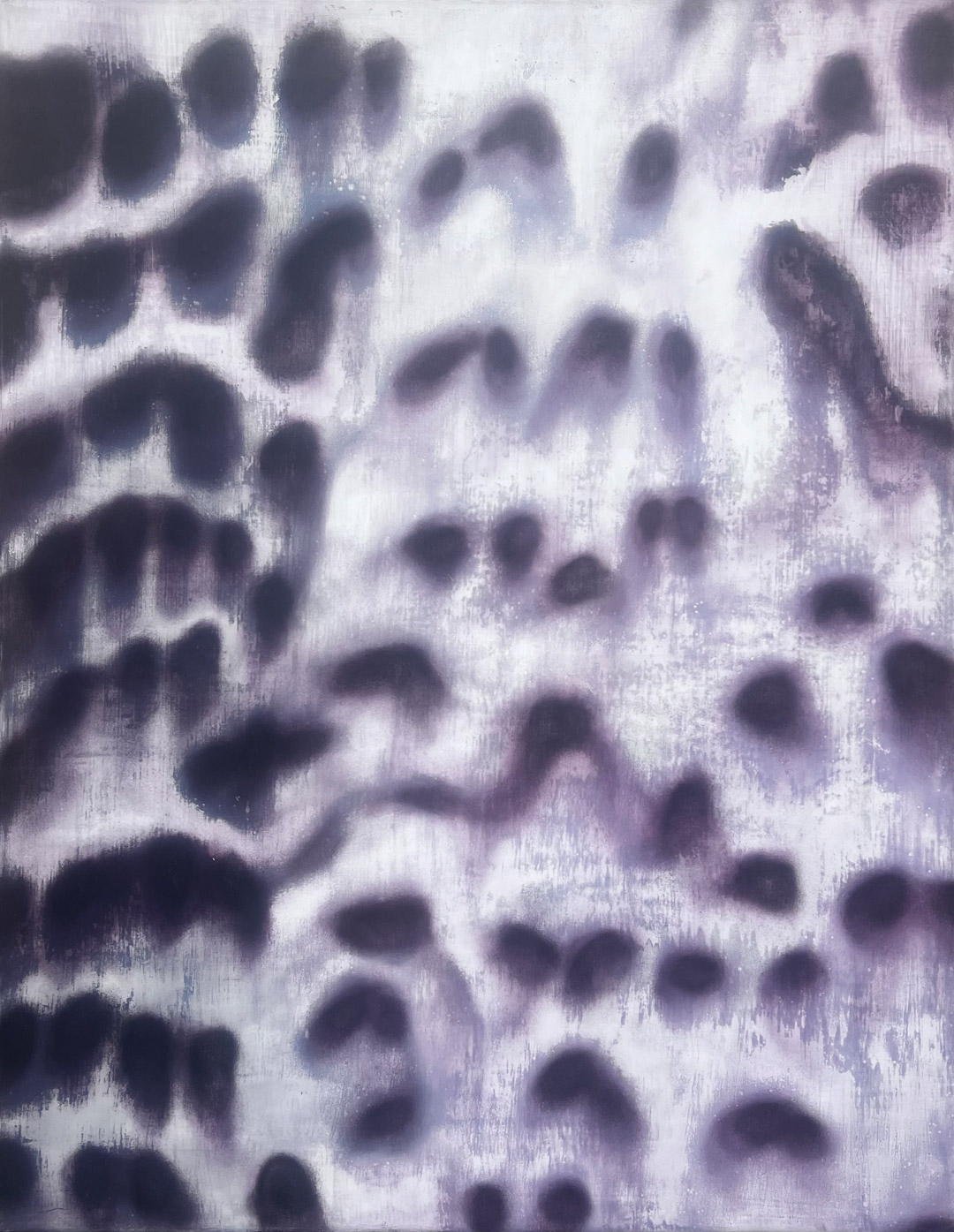
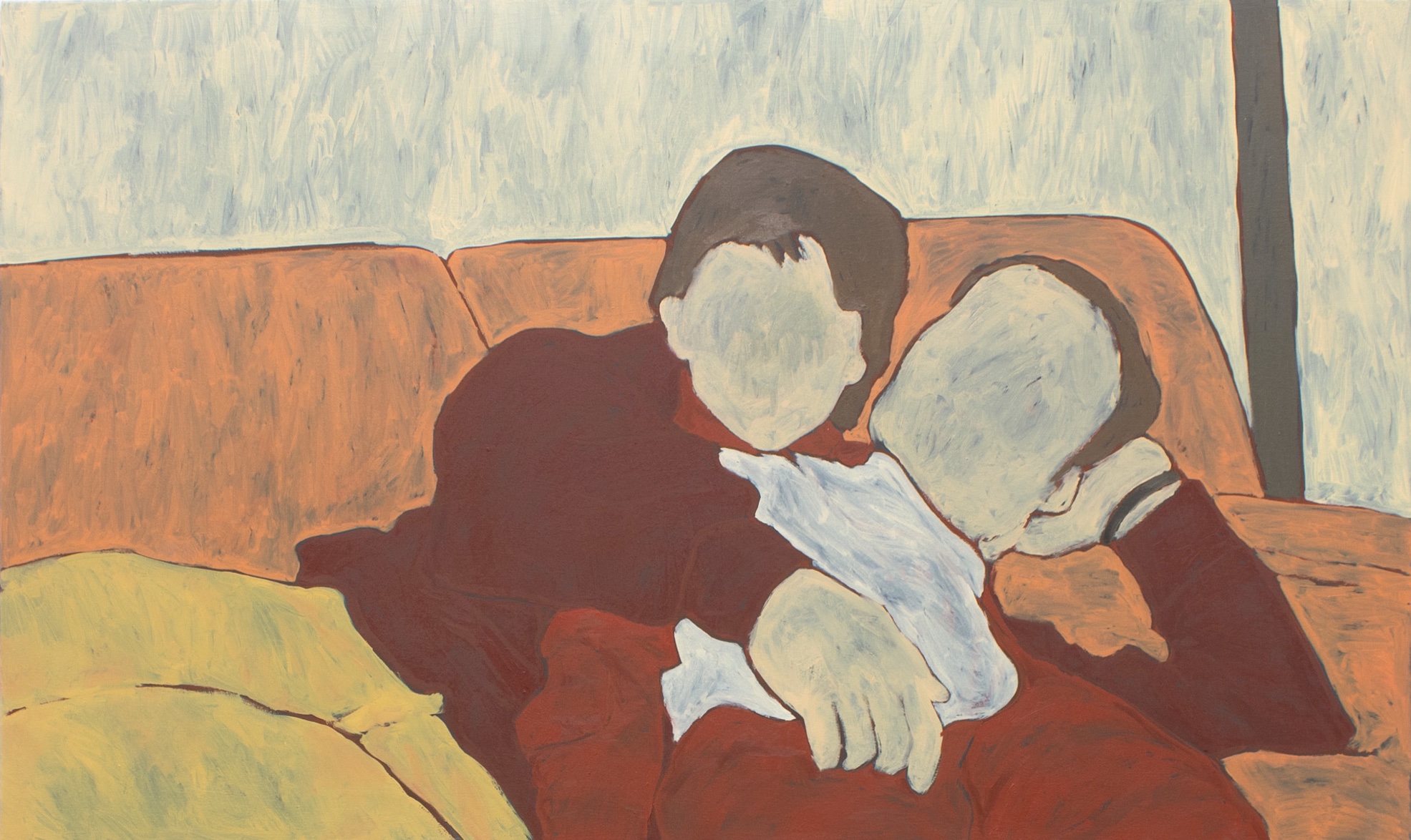
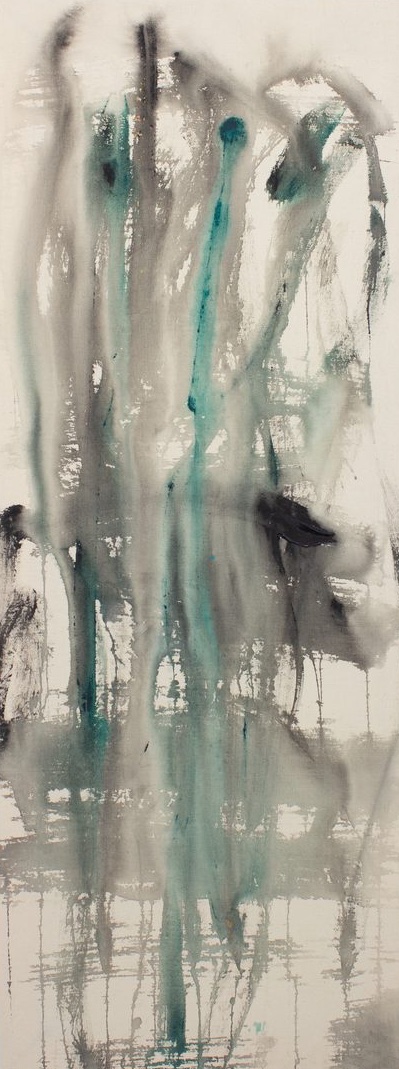
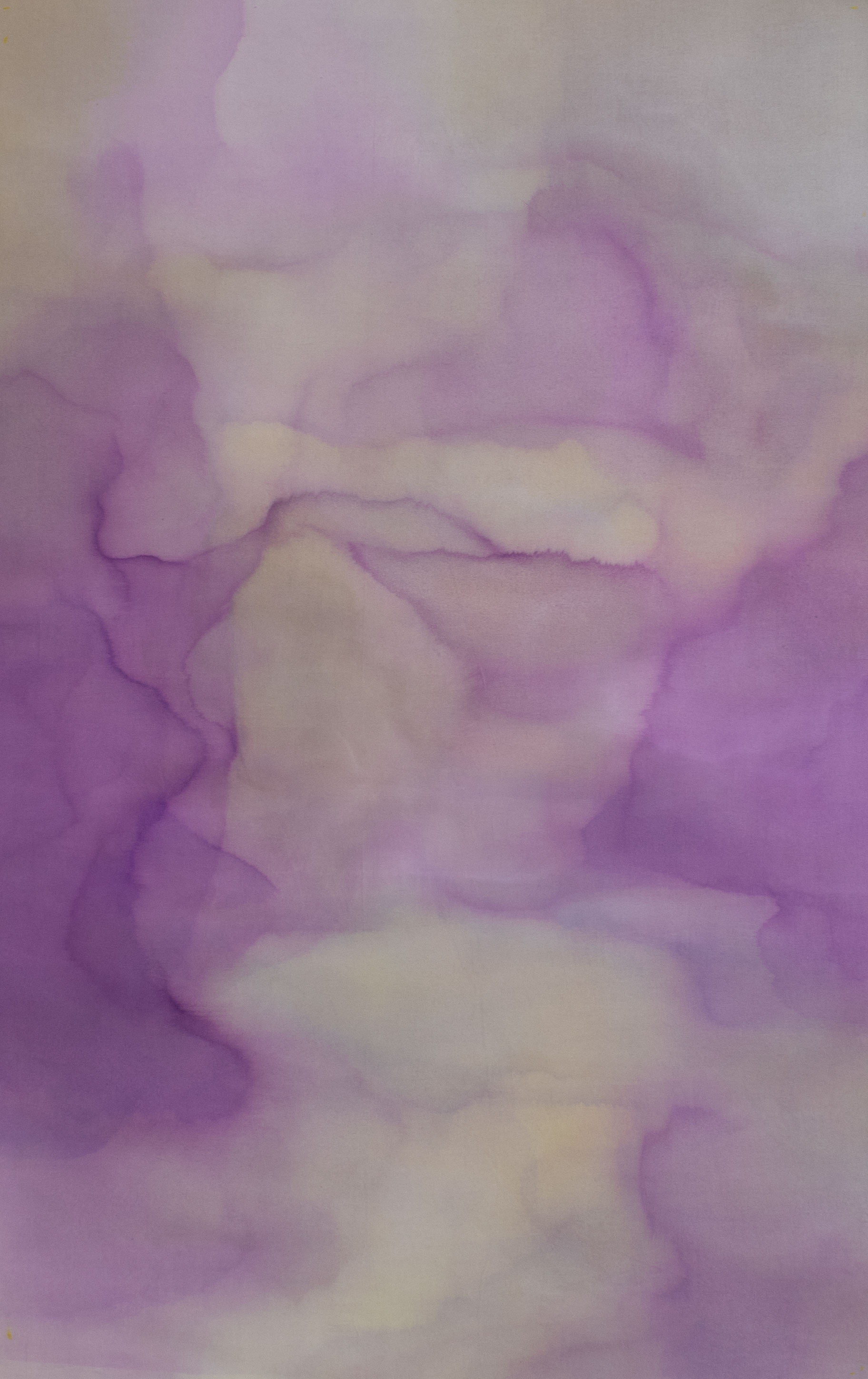
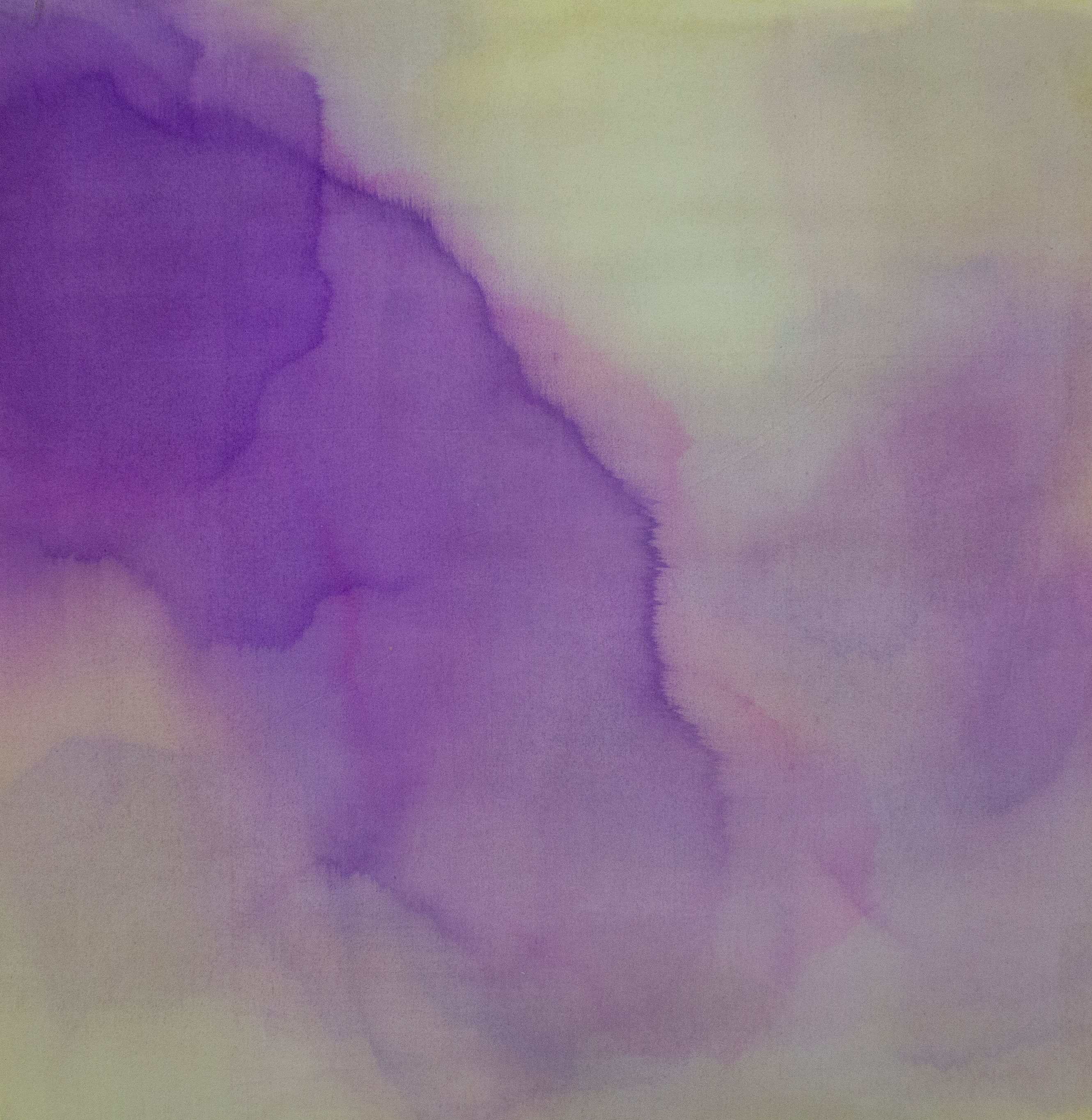
In artistic terms, new identities appear alongside reinterpretations and inquiries, with representations ranging from micro to macro, from abstraction to figuration, from nature to science and technology.
The artist is increasingly driven to engage with social, ethical, ecological, and technological issues, making art—while autonomous—an interpretive and representative element of reality and social change, especially in today’s Anthropocene era, where humanity, through action and culture, interacts with and influences the Earth.
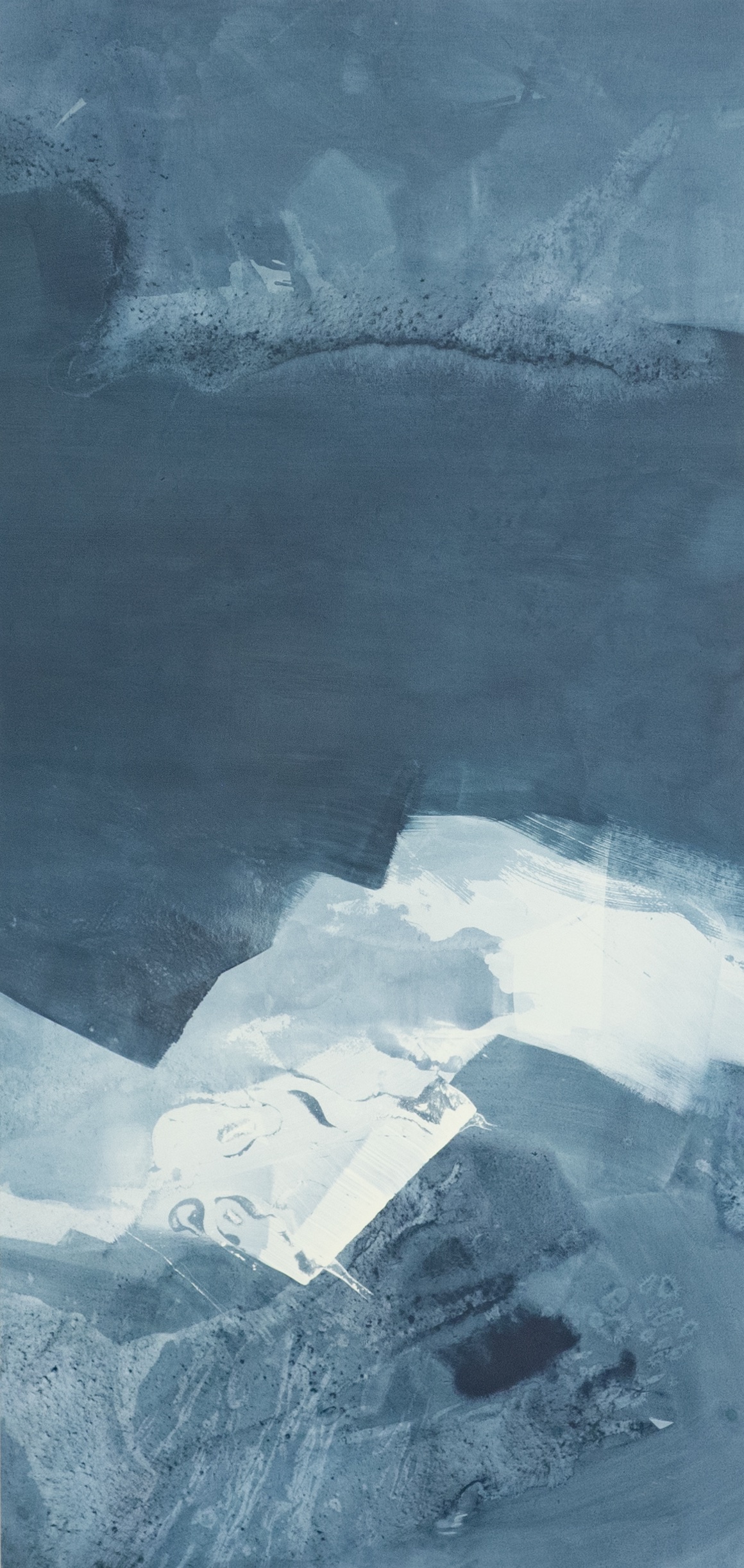
Rione Placido, as a collective space, presents itself as an iceberg—partly visible, partly hidden: it reveals only a portion of itself, concealing the rest.
The iceberg reverses this perceptive scheme over time, almost rotating on itself. It can disguise its colossal presence, disappearing into the mist in silence, reappearing lightly and unexpectedly. A silent, mineral object in the landscape, evoking the geological history and architecture of the universe. Its components are like diamonds pierced by sunlight—bright yet also vanitas, sought by explorers who often see their ambitions and vessels wrecked. The iceberg embodies cosmic mystery.
Within Rione Placido, there are acoustic impressions, a solid yet moving presence, like ice and snow. Snowflakes move and travel with the wind, unstable by nature, turning into crystals, snowfields, glaciers—until time and warmth melt them back into water. A pulsating zone of natural exchange.
These new collective realities also interact with their neighborhood and territory, fostering mutual cultural growth, as seen in areas like Prenestino and Pigneto. The latter hosts Rione Placido, located in Via Placido Zurla, a revitalized creative district for youth, now a hub of cultural and economic activity.
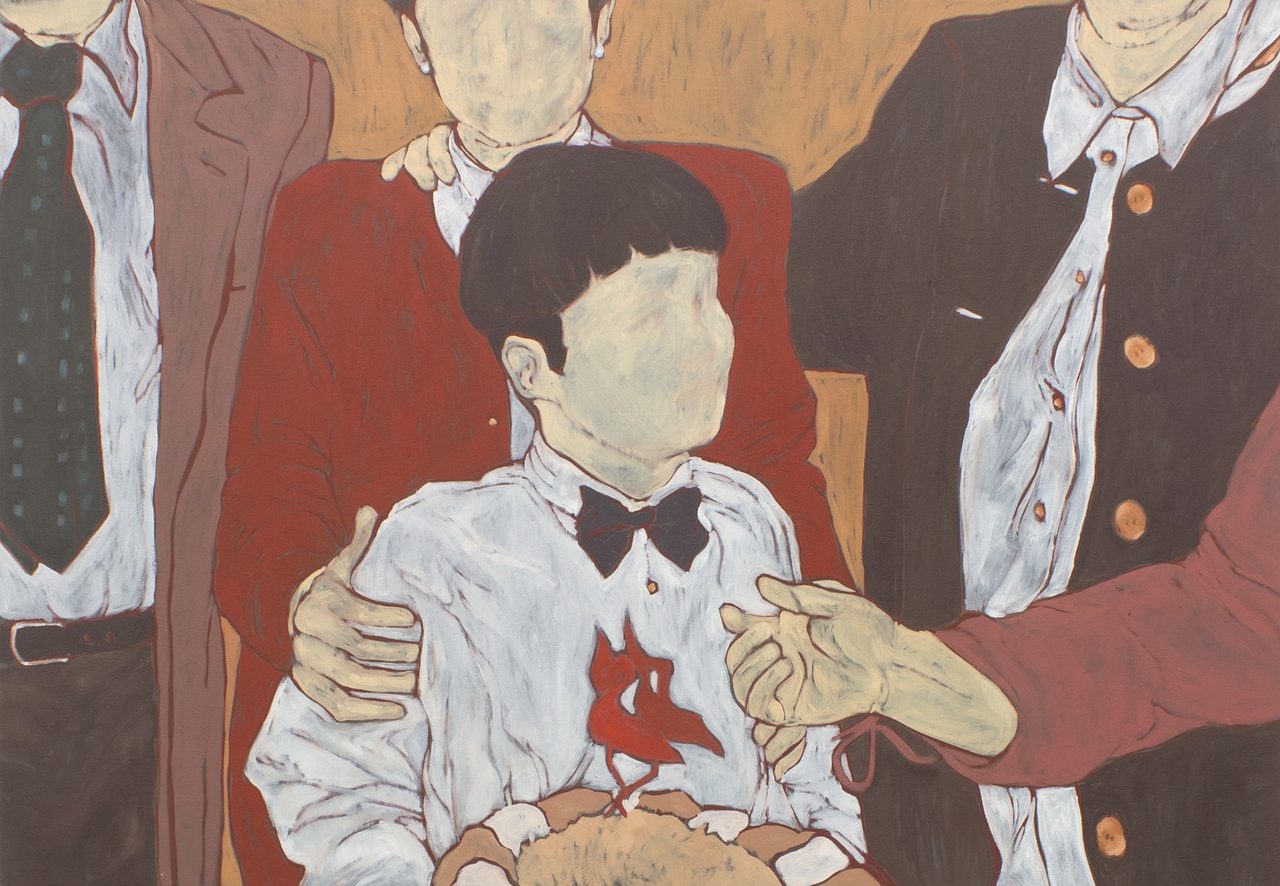
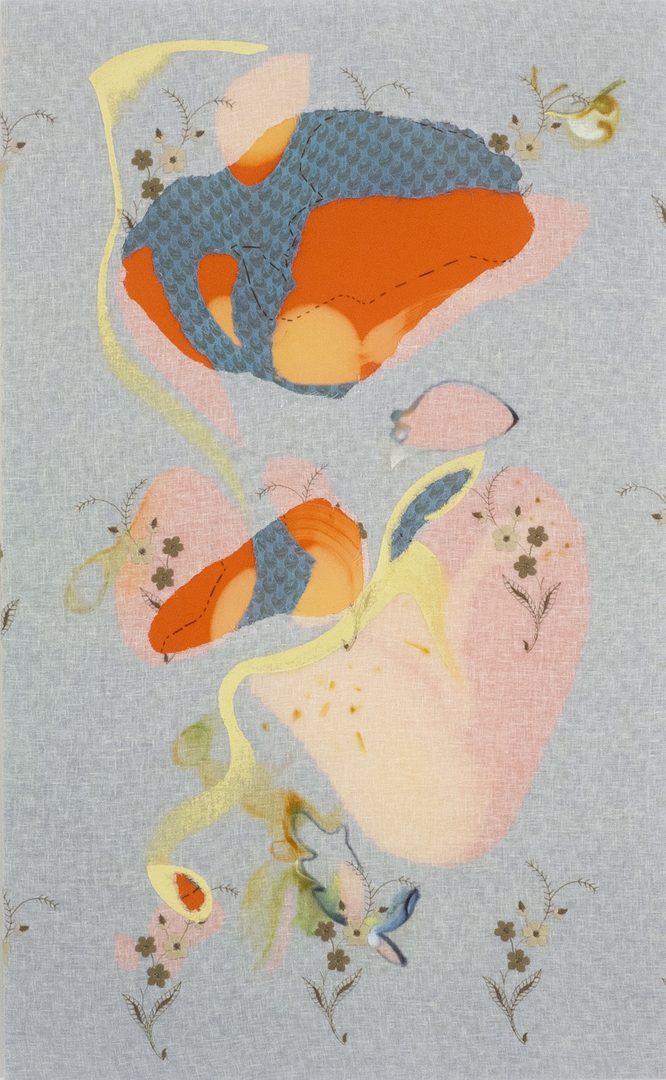
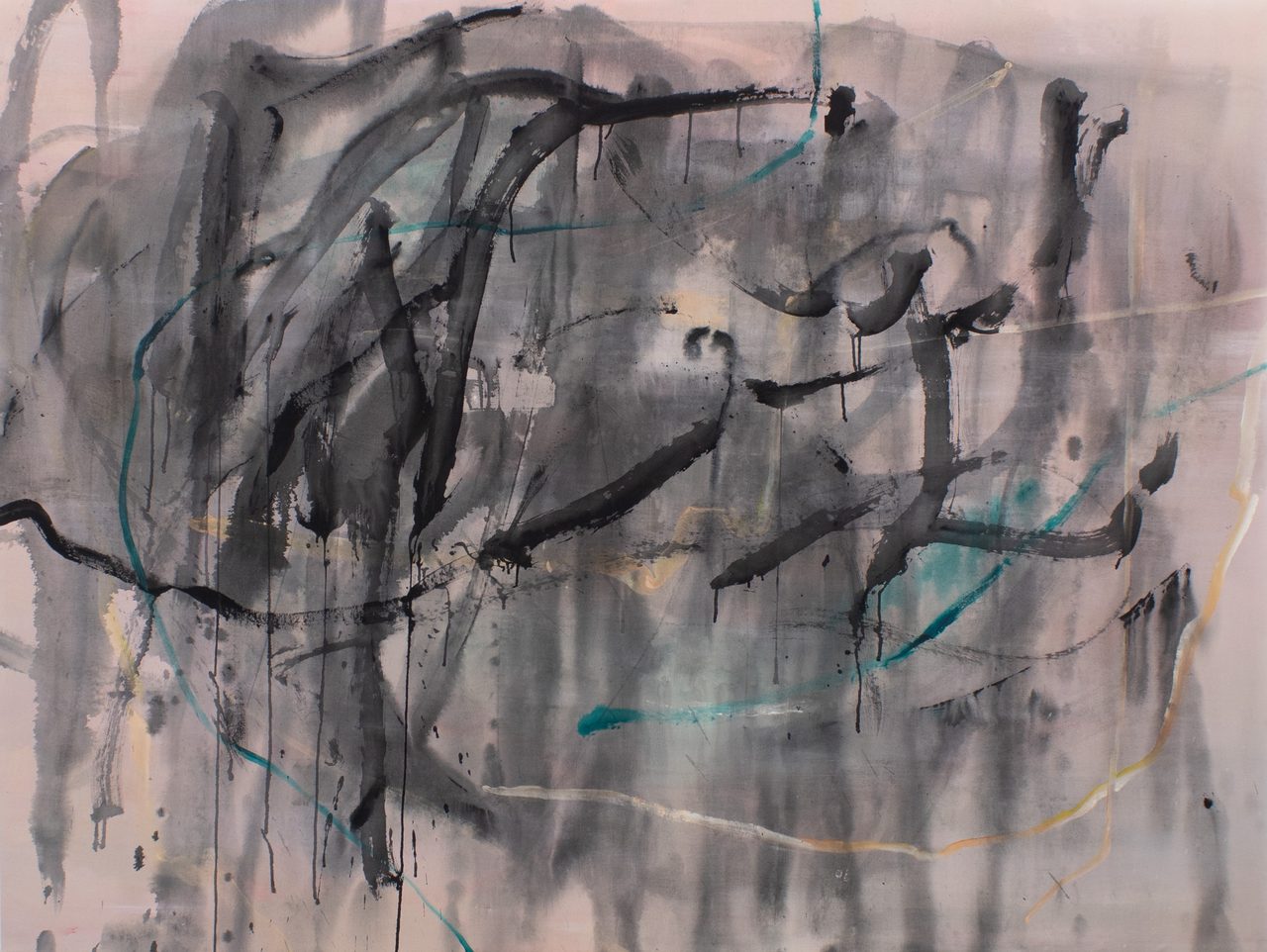
Rione Placido is an art studio born in late 2022–early 2023 in Rome, from the joint initiative of Eleonora Bona, Alice Colacione, Tiziano Conte, Denise Montresor, Mattia Cleri Polidori, and Paolo Vitale. The artists share the need for a common atelier—both a production site and a platform for contemporary aesthetic research. Housed in a former confectionery workshop, it was transformed into a “rione,” reflecting the vibrant neighborhood that surrounds it. The industrial space became a large open area without dividing walls, symbolizing an open, evolving, flexible, and free approach to artistic creation, using diverse methods and advanced technologies, in dialogue with the surrounding territory and other cultural realities.
Rione Placido represents a factory of production, creativity, emerging artists, and dialogue with established Masters and academics, such as Vincenzo Scolamiero, their mentor.
It is an open space with mutual contaminations among its members—an island, a collective of art ranging from figurative to abstract, from material to digital, from tradition to innovation, revealing only part of its creativity like a submerged iceberg, maintaining a continuous dialogue between the visible and hidden, between tradition and new expression.
The collective expresses dynamic instability—between cold and heat, liquid and solid, amorphous matter and vital rhythm, life’s evolution and mineral stillness.
Like each individual artist, the collective is its own planet, a happy island orbiting the cosmos, where one can seek and find answers to eternal human questions: who we are, where we come from, where we are going. The artists resemble Epicurus’ atoms—independent yet combining into infinite worlds, both distant and near.
It’s worth highlighting the visitor experience—meeting artists directly in collective spaces, fostering deep and personal engagement with their work. This long-standing practice of curators and art experts now increasingly involves the general public through open studios and collective exhibitions, turning such spaces into alternative venues of art—different from museums or galleries—where creation itself becomes exhibition. A familiar island where visitors feel at home.
Decorative arts, sculpture, painting, textiles, advanced technologies—from video to algorithms—and live painting merge into a fusion of ideas and realizations through mutual exchanges.
The leitmotif among collective experiences like this one lies in the evolution of contemporary art, the growth of artistic autonomy and abstraction, inspired by figures like Gerhard Richter, whom all deeply admire.
Studios and spaces like Rione Placido, once mere containers, have themselves become works of art.
This artistic evolution exemplifies the contemporary face of Rome—a city expanding the meaning of art from antiquity to modernity, from depth to light, affirming life’s continuity and humanity’s resilience in the Anthropocene. Experiences like Rione Placido stand among the innovative and avant-garde protagonists of today’s artistic, cultural, and social landscape.
