Events
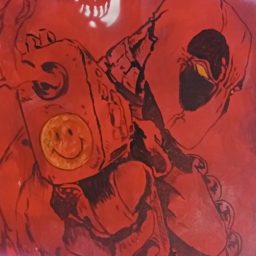
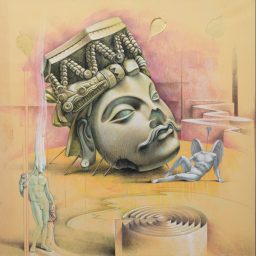
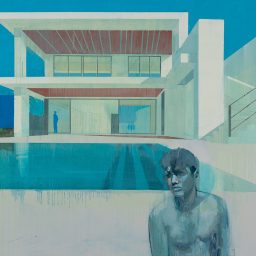
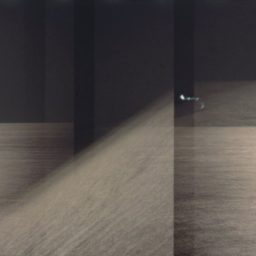
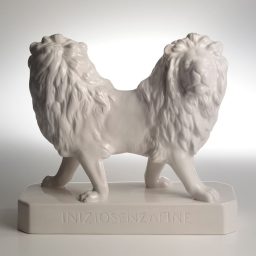
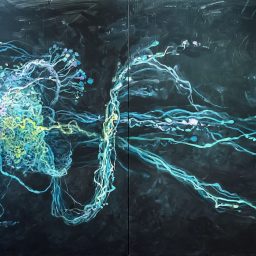
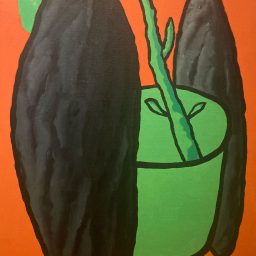
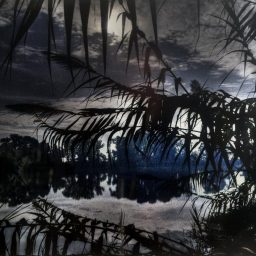
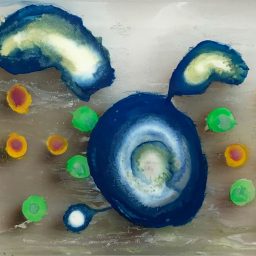
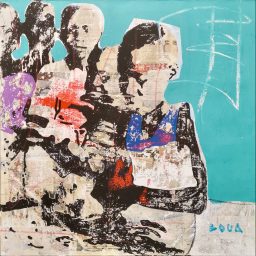
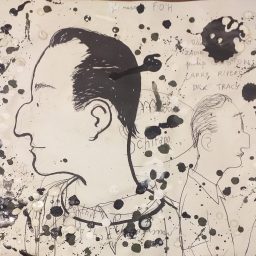
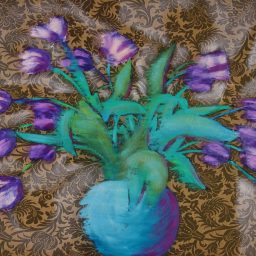
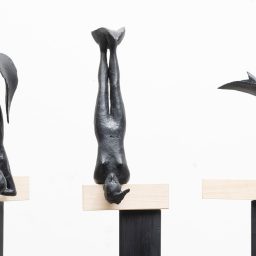
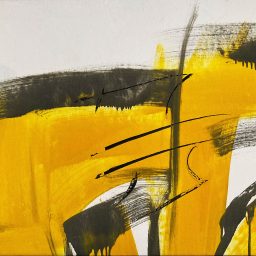
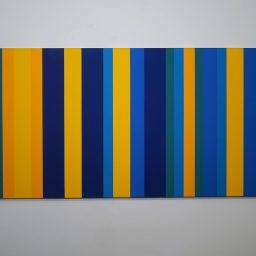
Between new figuration, experimental languages, and abstraction, the common elements are a careful observation of the evolving society of their continent and an explosion of life that turns the exhibition into a sensory experience. Contemporary art increasingly seeks a precise integration with its surroundings—both the environment and human relationships—placing it inevitably in dialogue with its visual context.
The visible asserts itself clearly for what it is, not for what it represents, and through desacralizing or artificial processes the artist confronts the challenge of surpassing the double play of reality and imagination. It reflects the growing contemplative—and at times participatory—interest of the viewer, with meanings and contents that challenge their spontaneous creativity.
In this way, a dialogue emerges between physical and inner geographies, between social tensions and creative tensions, without neglecting the assimilation of behaviours belonging to territories outside ourselves and our original culture—places we struggle to consider as ours, precisely because we are unable to experience them here and now as assimilated and decoded elements.
In the imposing scenario of a new creative idea, contemporary artists’ works acquire a special resonance due to their frequent estrangement from the surroundings, generating an apparent visual conflict that simultaneously leads to a temporal amalgam, transporting us out of time.
As Mircea Eliade writes: “The establishment of a sacred space, where a mythical scene outside of time is relived in the present, is the archetypal human response to the terror of history, of becoming, and of dissolution into multiplicity.”
The eternal return to this safe cognitive realm—both as an exorcism of the pulsating universe invoked and celebrated by the artists and as a refuge from the vertiginous pace of a universal tide—makes that space appear closer and more recognizably akin to our ineffable humanity.
This temporal synthesis is the reason why the works chosen for this visual experience have all been selected to trace an adventurous and surprising cultural journey, in which the juxtaposition of perspectives—at times radically different—succeeds in revealing the texture of a polyphonic narrative, an echo of the world to come resulting from the intersection between the most precious vectors of the past and those of contemporaneity.
