Works on display
Artists



Curators
360
Few people know that pearls are not the result of a physiological process, but of a pathological event affecting the oyster when a grain of sand or a parasite enters it. When this occurs, the nacre cells, to protect the mollusk’s vulnerable body, cover the intruder with multiple layers of pearly material, encapsulating it and generating a pearl. The pearl thus becomes the outcome of isolating the external agent and the smooth healing of the “wound” it caused.
It is therefore clear that a pearl could never come into being if the shell were hermetically sealed against external agents or “intruders.” In other words, vulnerability is the necessary and indispensable precondition for the genesis of the pearl itself. The metaphorical translation of this phenomenon is dazzlingly evident: fragility, under certain conditions, lies at the root of extraordinary phenomena vital to both individuals and communities. It should not be regarded merely as a limitation but as the very matrix of our personal and collective achievements—especially in art.
Not by chance, Karl Jaspers, a profound scholar of the relationship between psychic fragility and human creativity, used to say: “The artist’s creative spirit (...) can be represented as the pearl that arises from the illness of the shell.” A brilliant intuition that silences all theorists of the absolute indefinability of the origin of art, recognizing fragility as the driving force behind every meaningful human event. Indeed, Aristotle had already seen in fragility, expressed through his concept of thauma, the origin of philosophy itself.
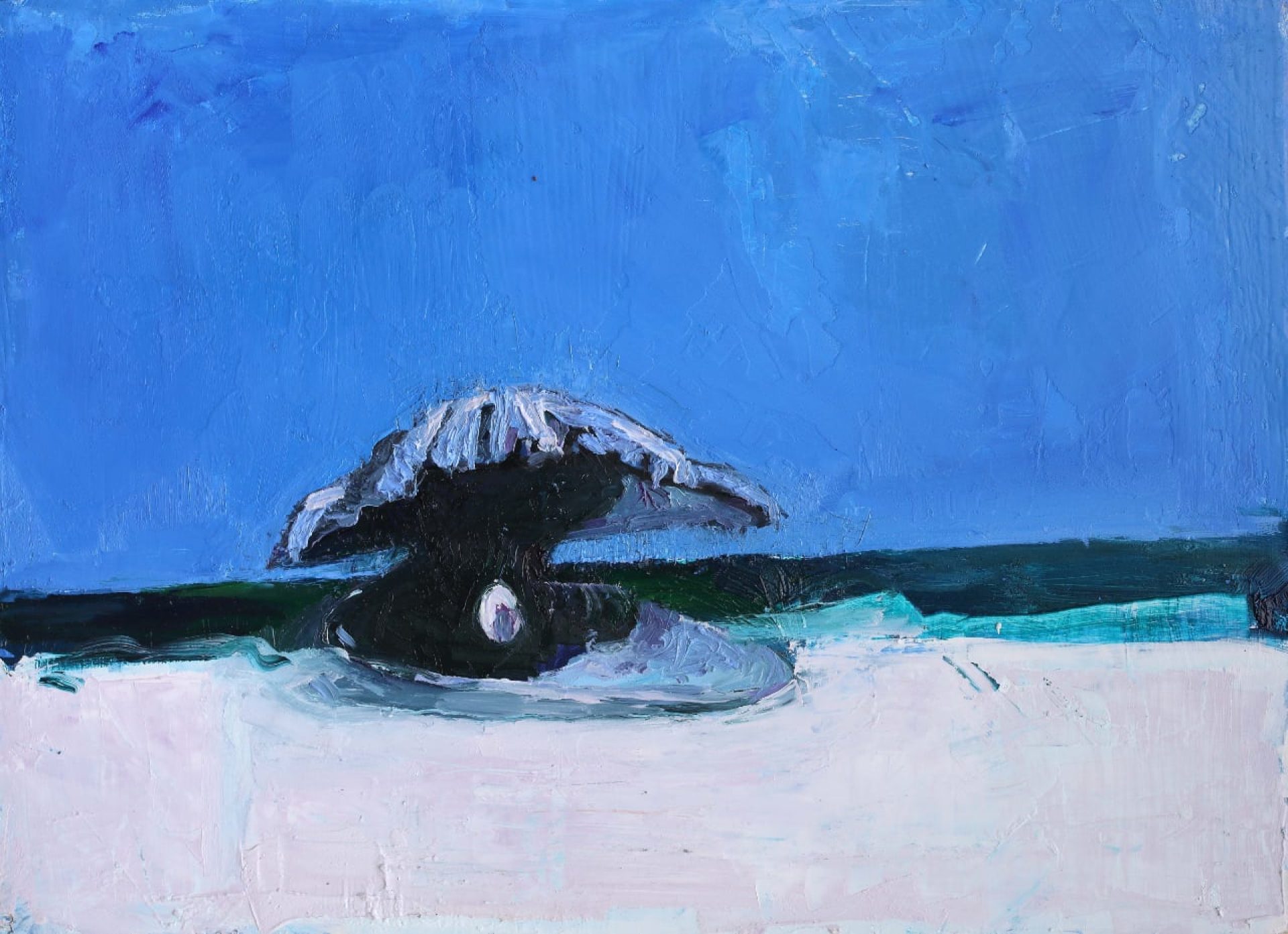
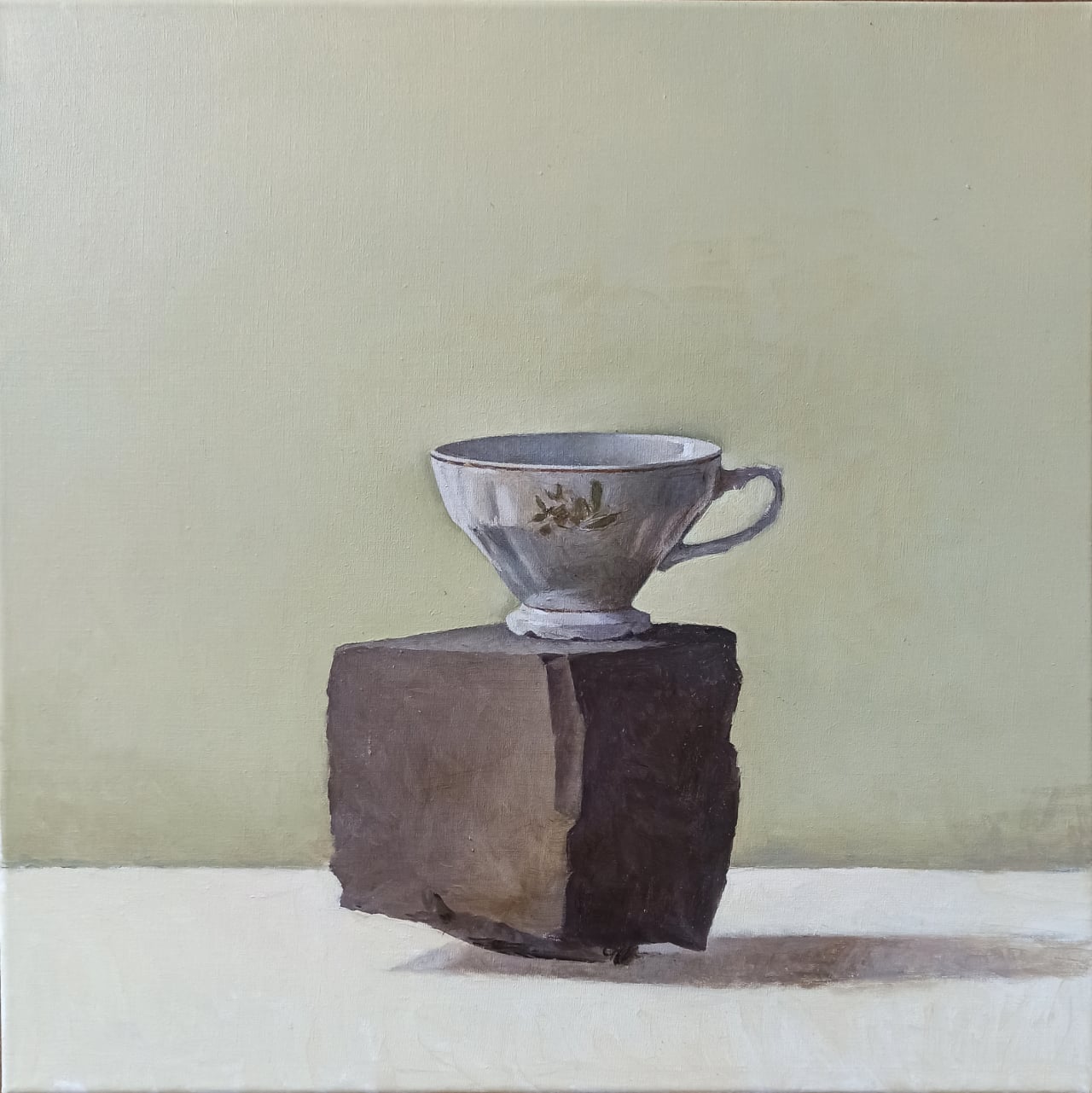
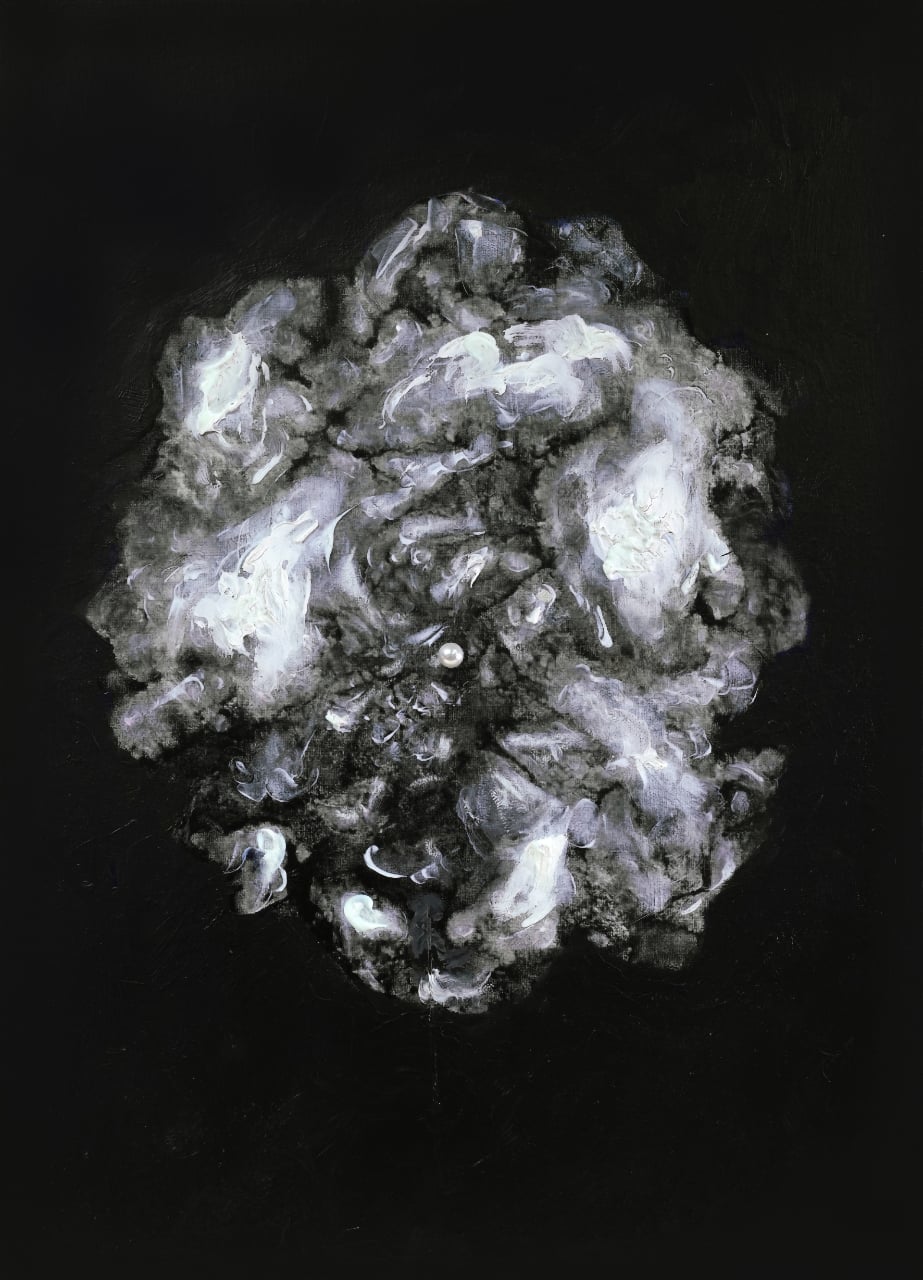
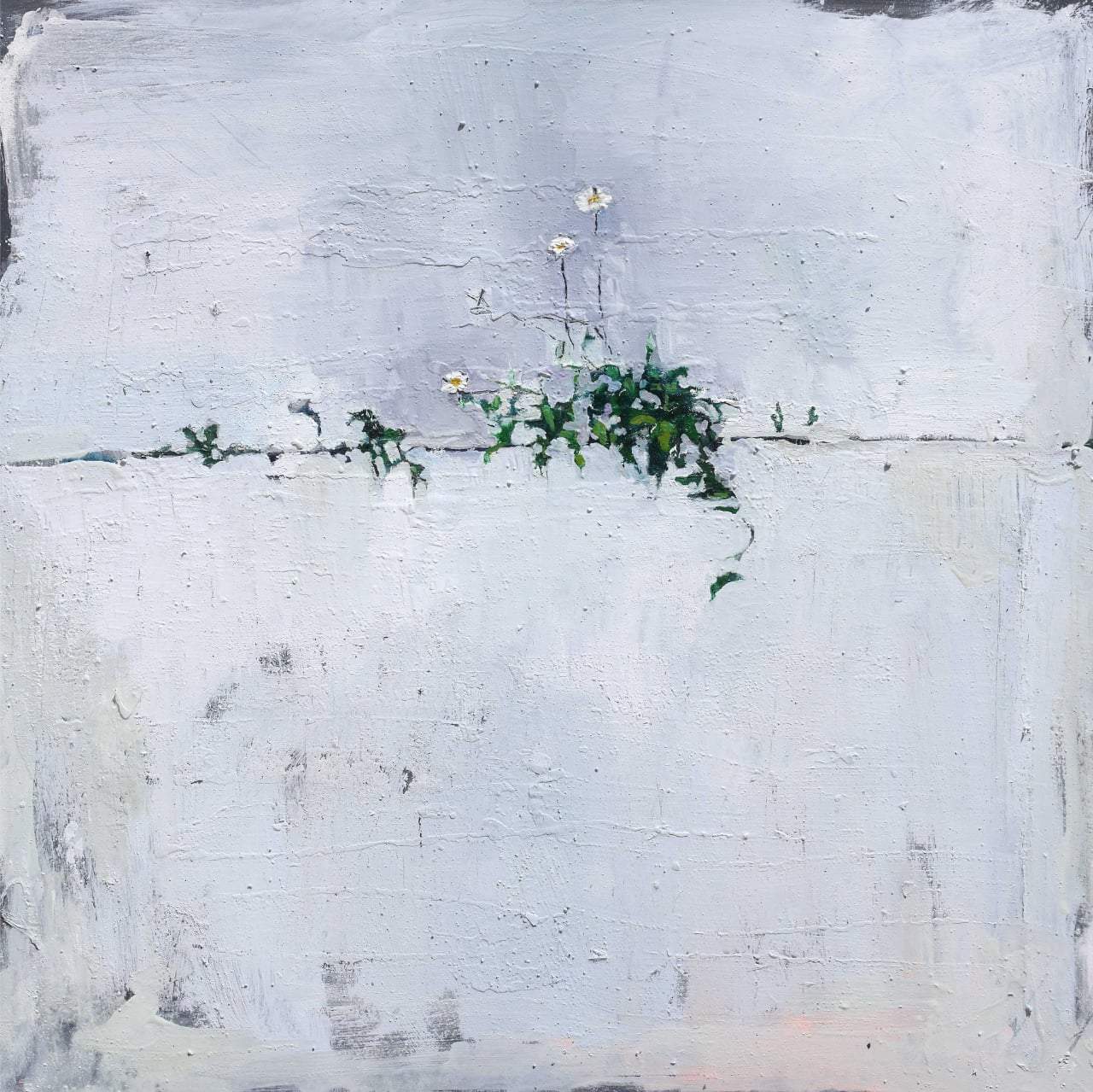
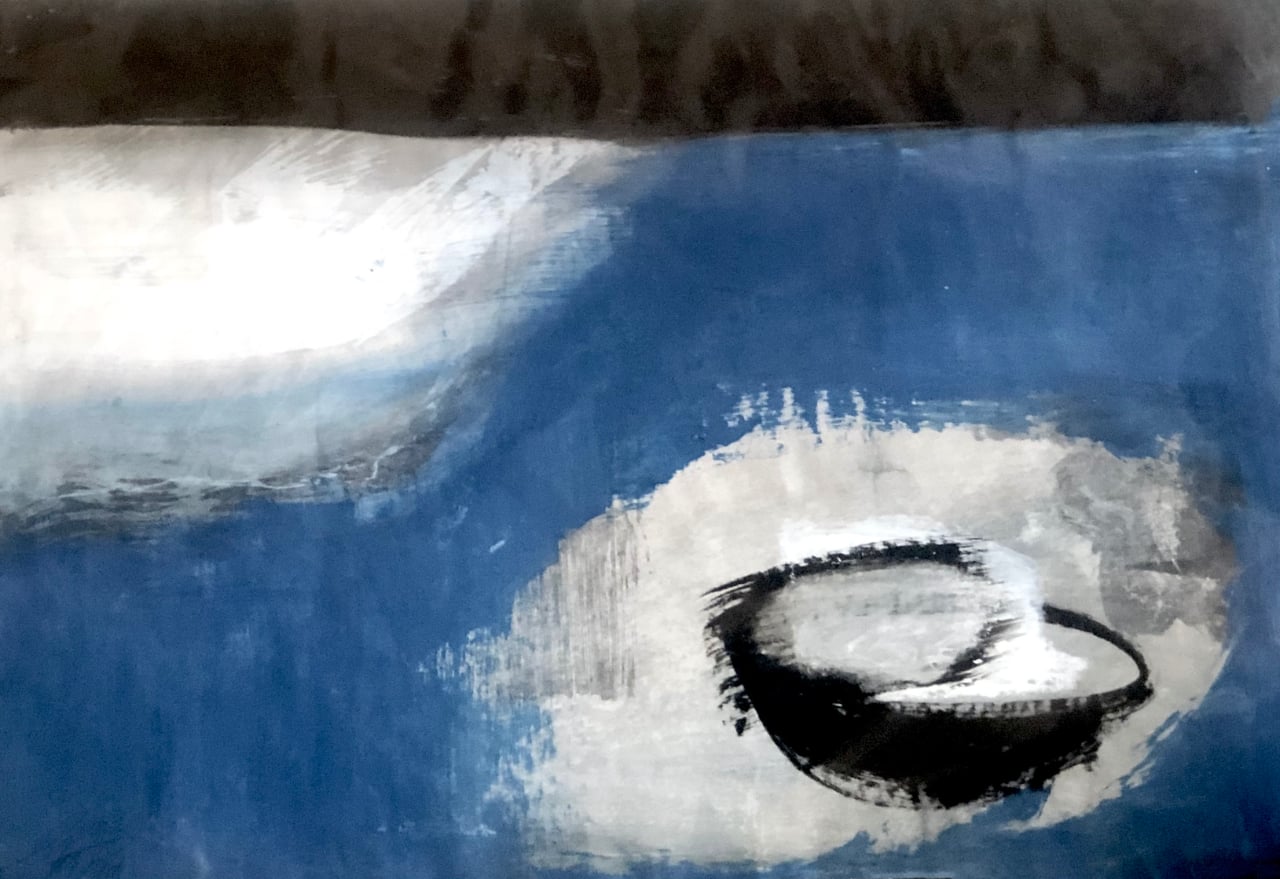
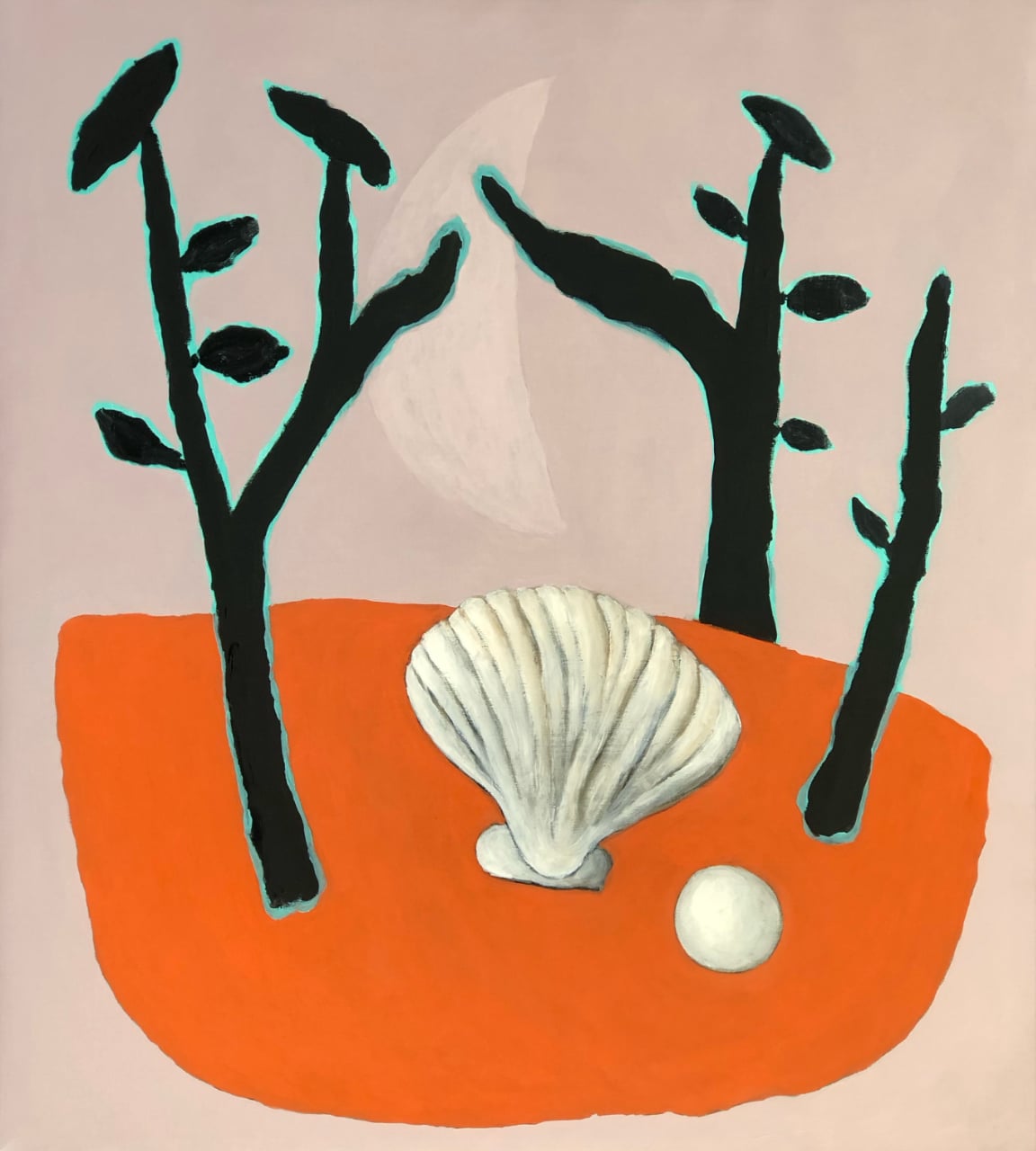
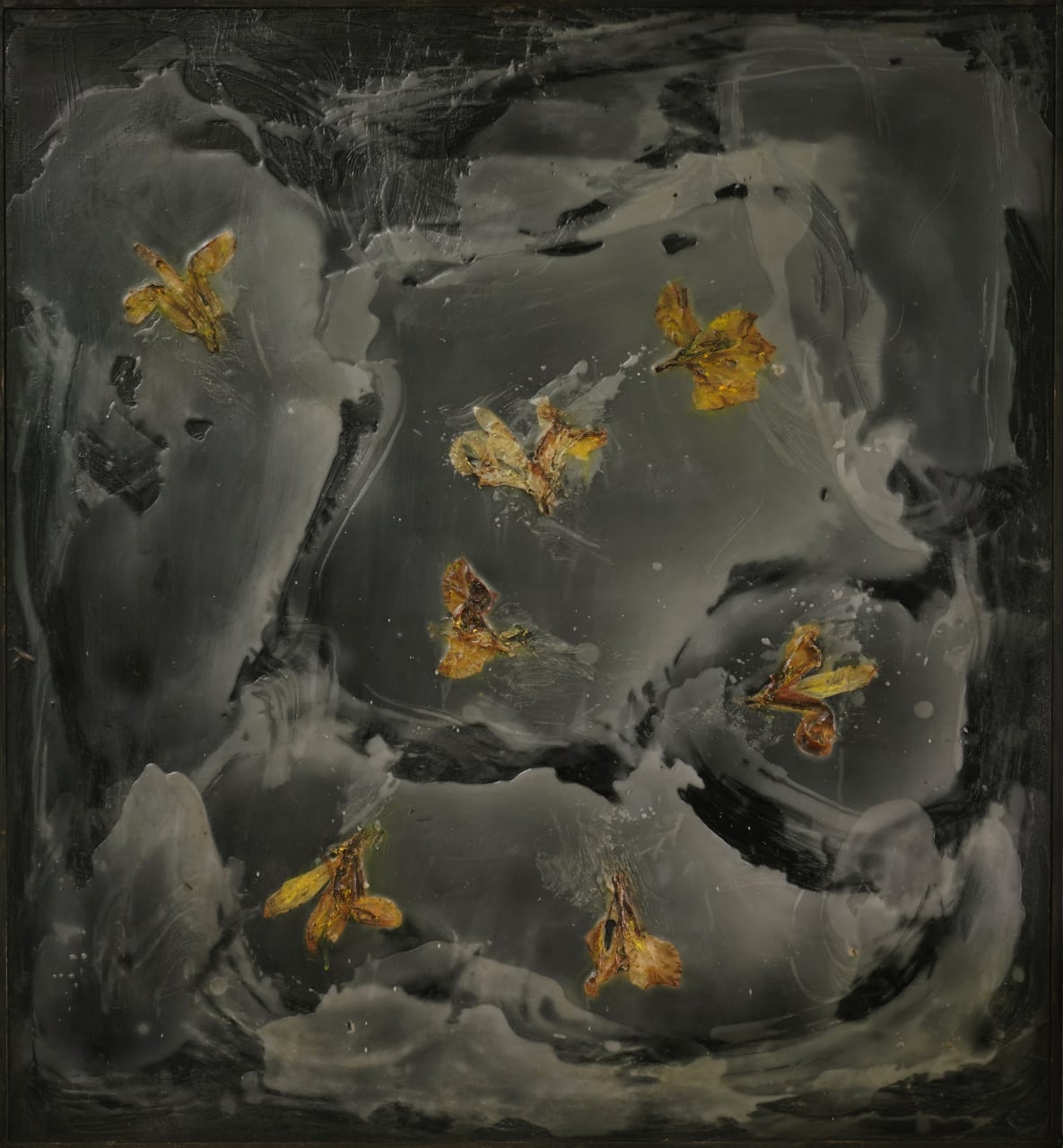
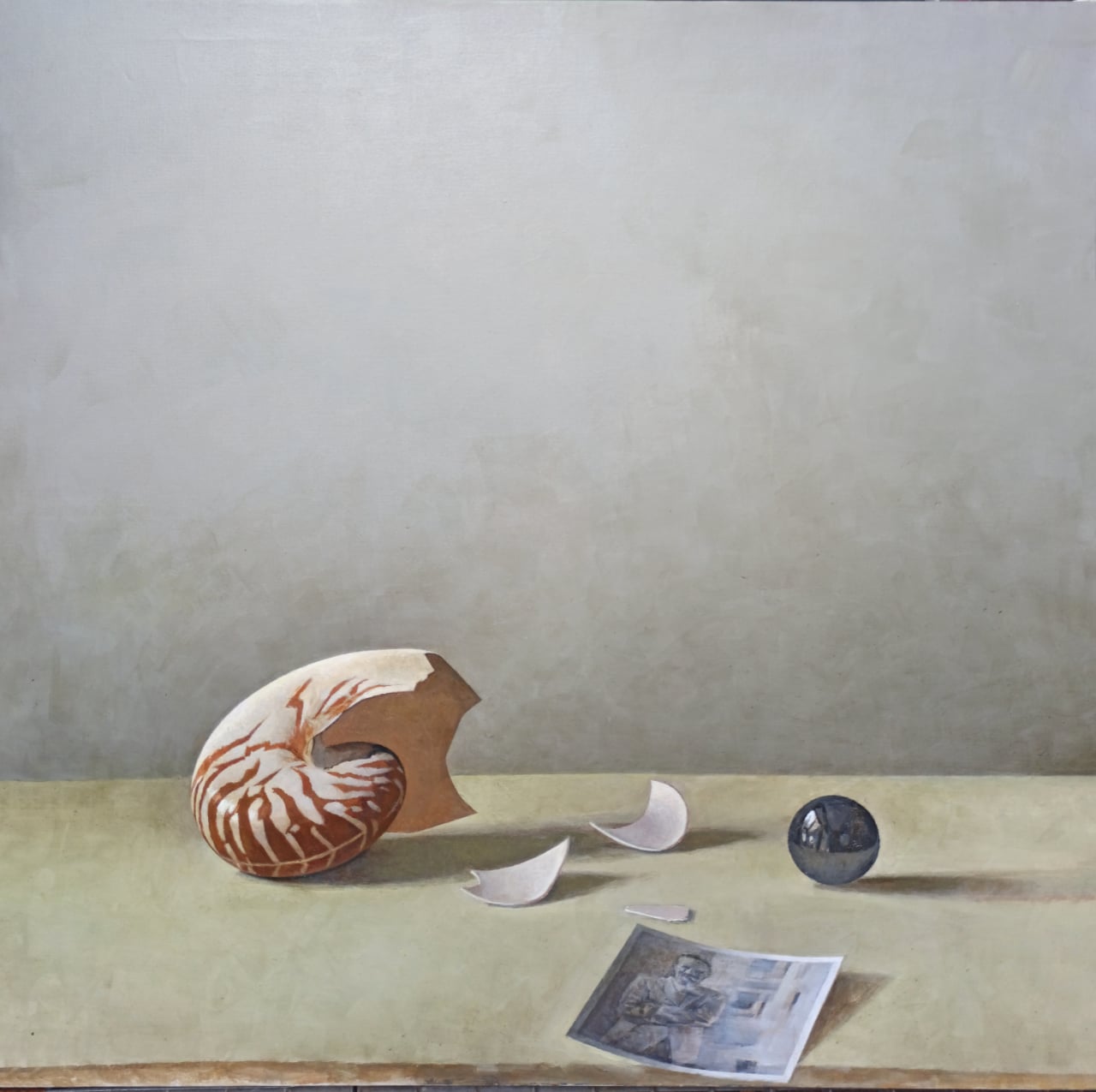
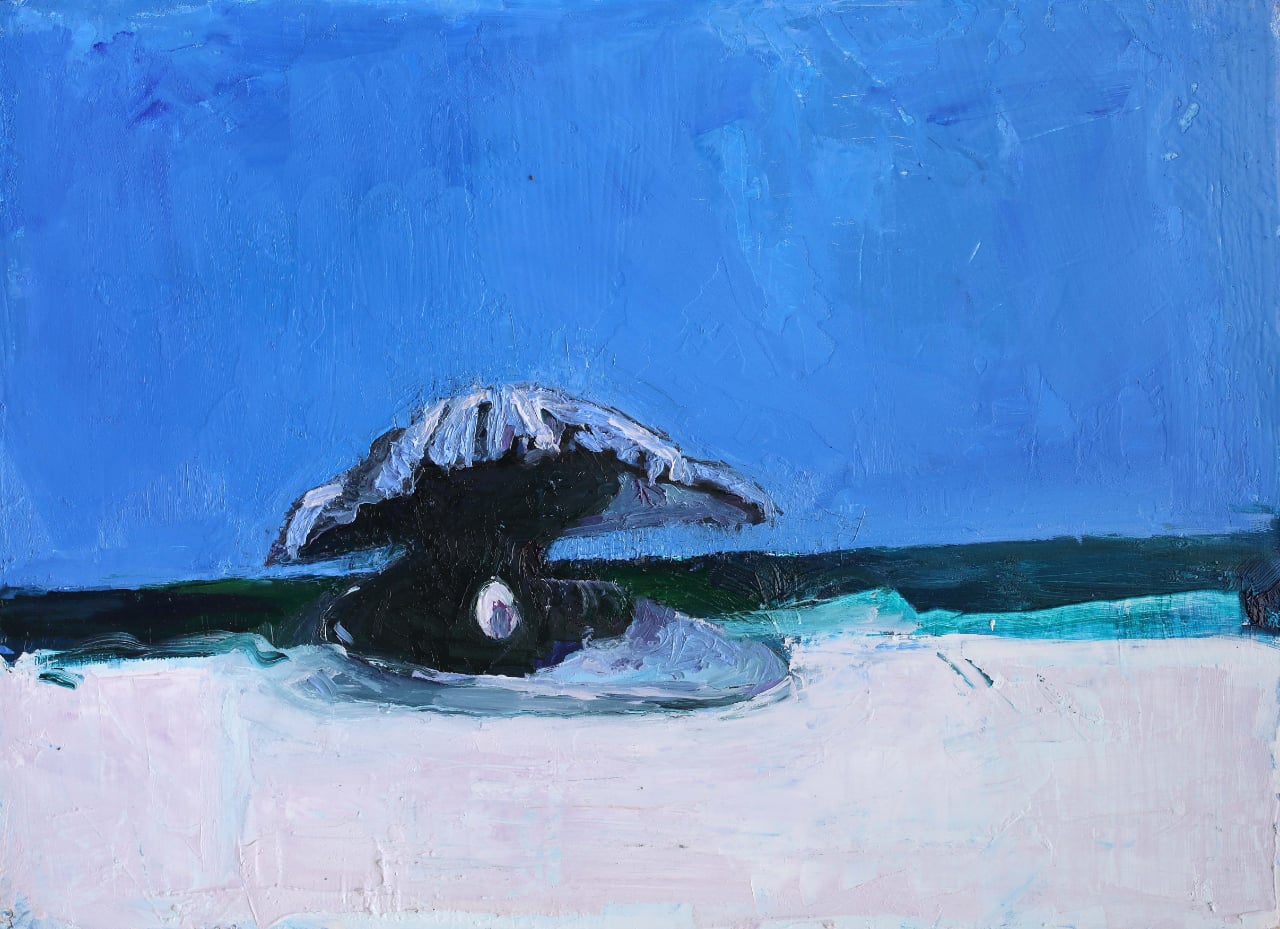
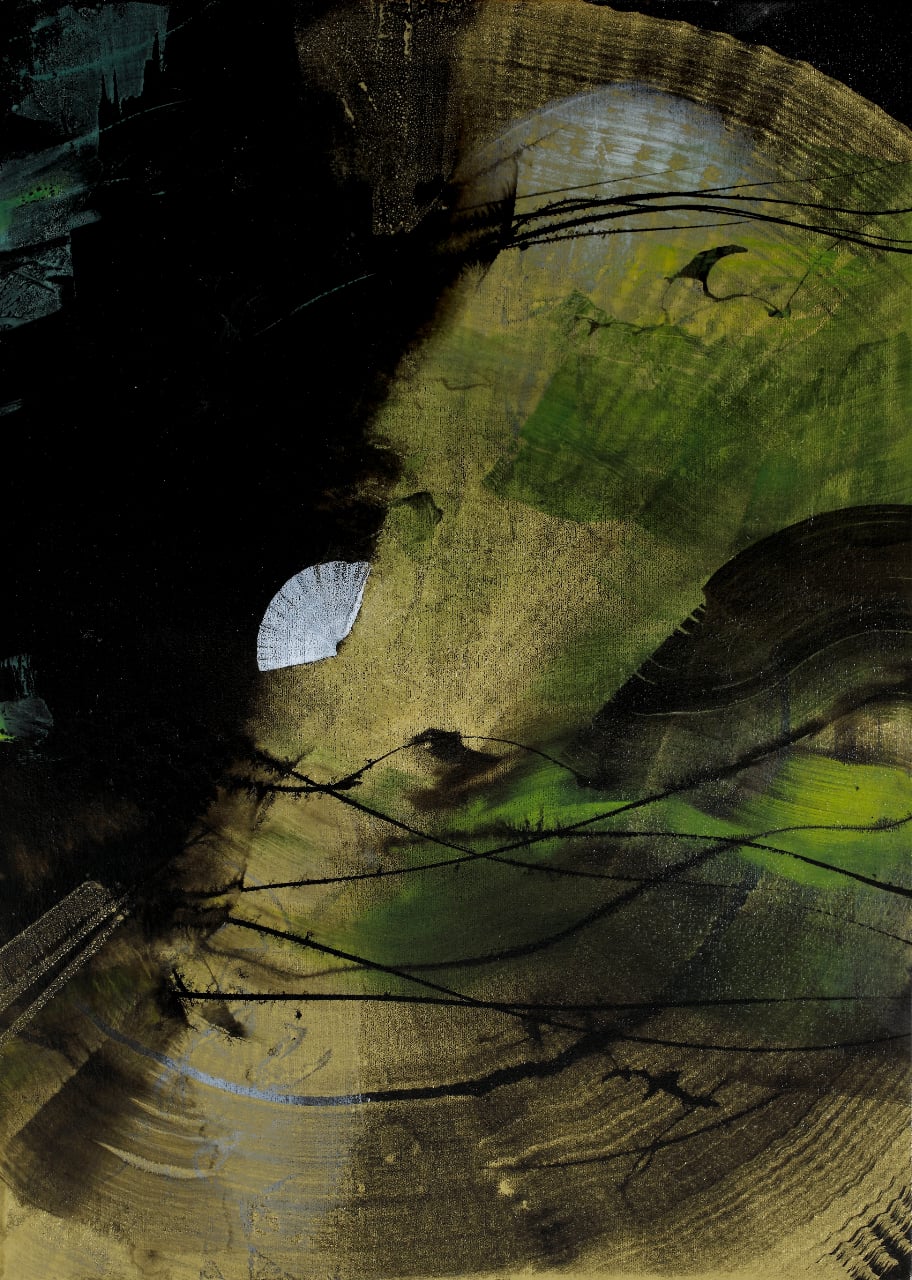
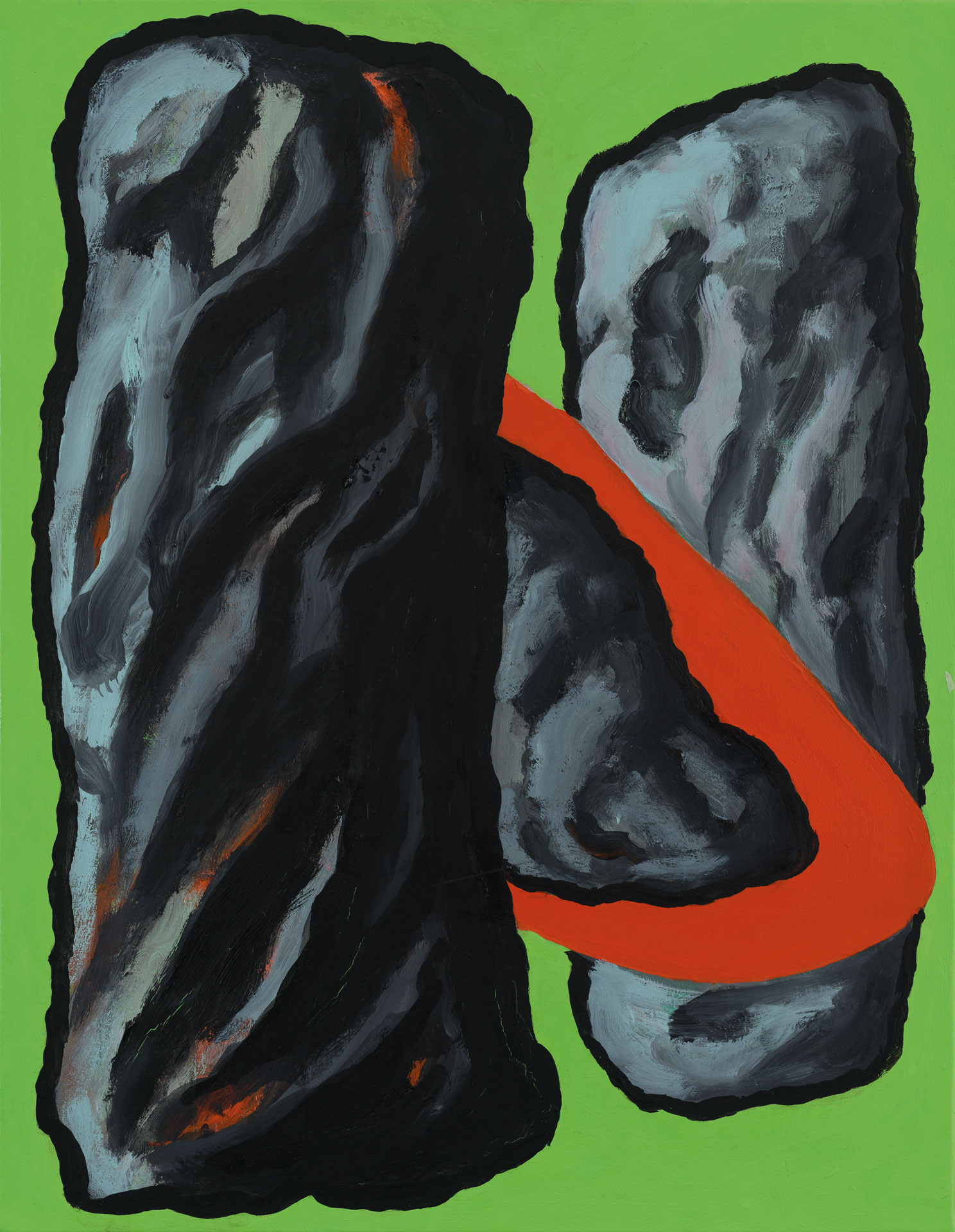
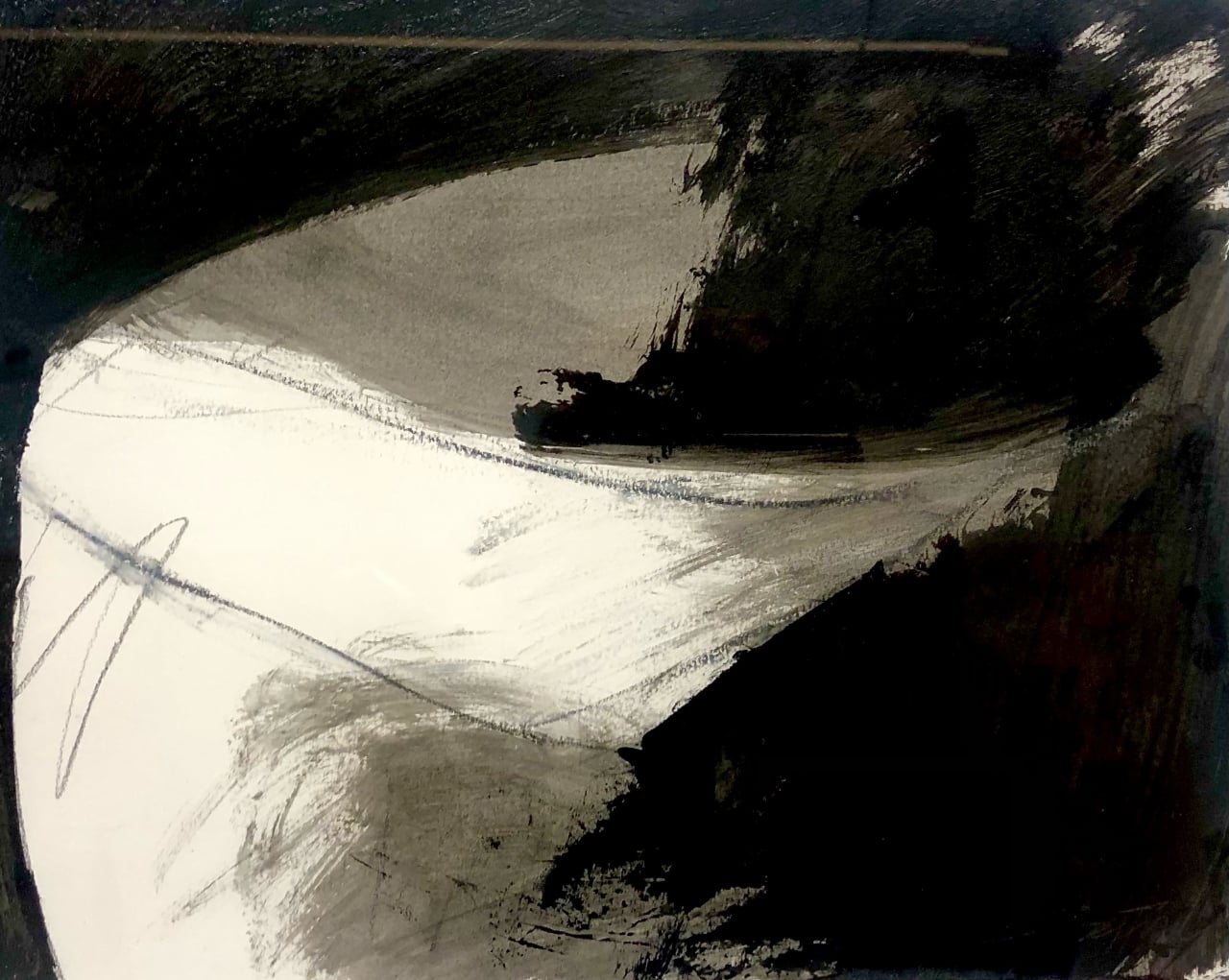
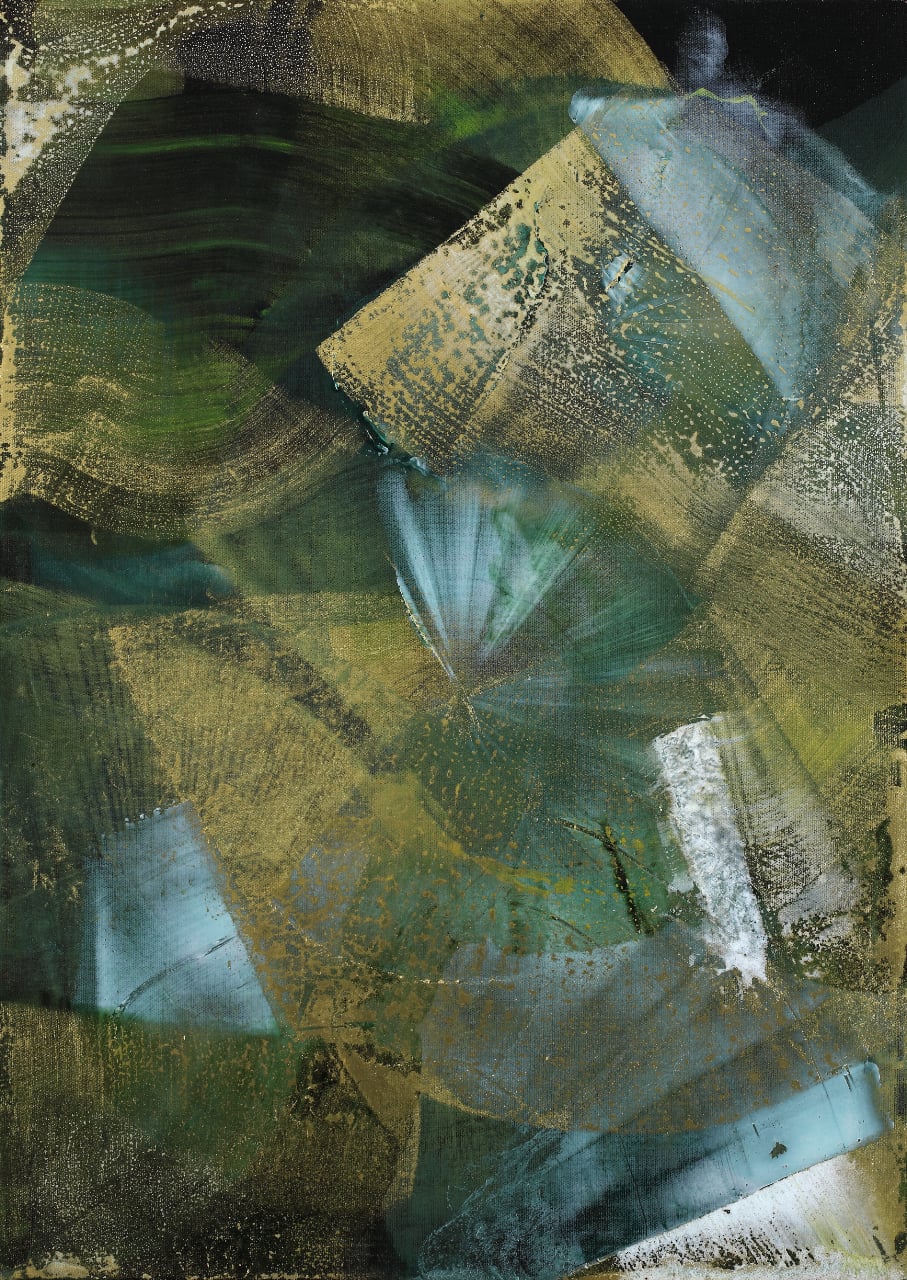
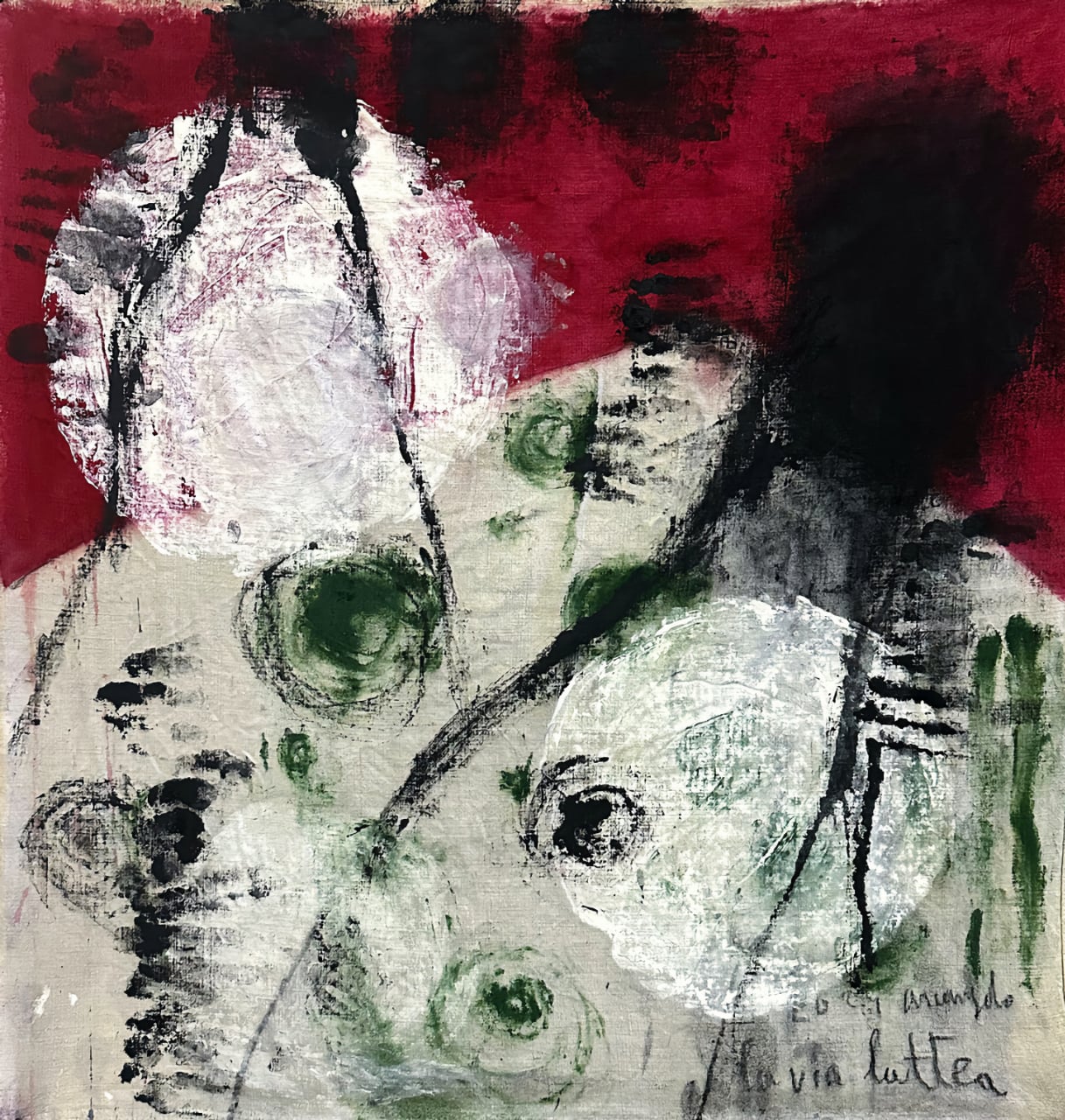
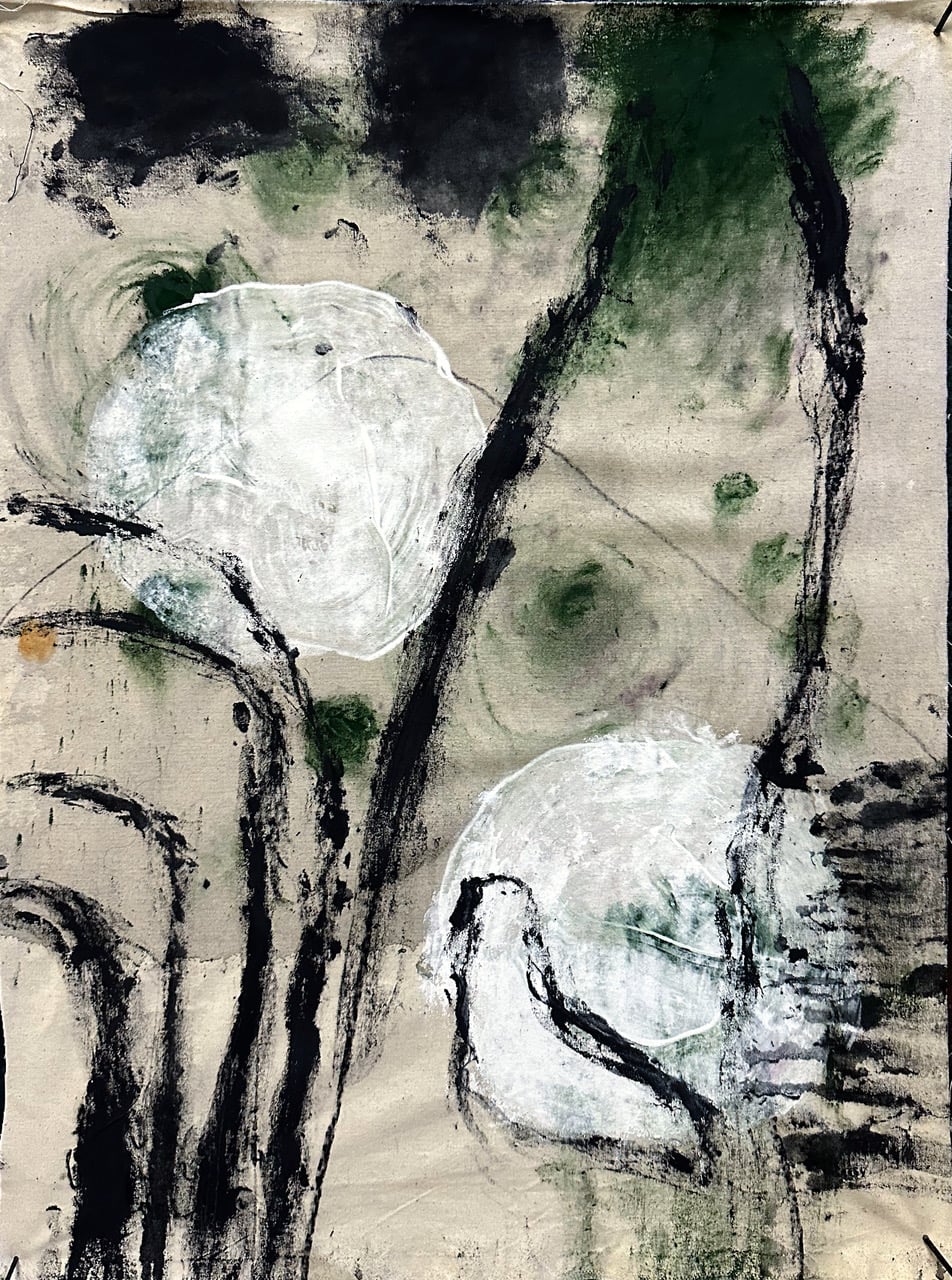
This, daringly condensed, is the core of reflections that have fascinated me for years and that led to the idea for the exhibition presented today in this gallery. Today Kou metaphorically takes on the form of a shell that—this time—hosts seven pearls: pairs of works presented by each of the artists I have chosen to involve and whom I thank. Each has created a piece inspired by the theme of the shell and the pearl and selected a second work related to fragility, instability, or precariousness.
The original project for this exhibition did not intend to provide a figurative representation or “reproduce,” so to speak, the elements suggested by its title—though their charm is undeniable. The shell, the sea, the pearl, and the implicit references to feminine beauty framed by pearls form a neo-romantic repertoire with undeniable aesthetic and sentimental appeal. Yet, this is not what is meant to be emphasized. Rather, it is the will to continue investigating through painting what has so far been explored through reasoning—a painting that does not merely represent reality but penetrates and understands it from within, revealing its essence as great art does.
From this perspective, the selection criteria for the participating artists were inspired. Each, in their own way, seeks to express a personal vision of the world, not only of painting. These “Magnificent Seven” are: Arcangelo, Giancarla Frare, Alessandra Giovannoni, Pierluigi Isola, Claudio Palmieri, Salvatore Pulvirenti, and Vincenzo Scolamiero. Artists at the height of their maturity, with long and distinguished careers, united by a shared sensitivity to the theme of fragility.
Arcangelo, recently described as a “Ulyssean painter,” stands out for his irreducible and magnificent ability not only to discover but to invent visionary worlds and present them with bold and captivating effectiveness.
Giancarla Frare, an artist of multifaceted expressive capacity, whose shadows reveal a rare ability to engage with the dimensions of space and time, and who, on this occasion more than others, has “opened herself to color.”
Alessandra Giovannoni, a master of rapid, vibrant, and ungentle figuration, full of light and love for places (Rome in particular) and their inhabitants. A vigilant and generous interpreter of human emotions.
Pierluigi Isola, a powerful creator of learned figuration, disproving the hasty and self-serving critics of the painter’s craft. With refined Italian elegance, he “proceeds regardless.”
Claudio Palmieri, an indomitable explorer of all artistic techniques, materials, and languages. A polyglot and inexhaustible experimenter, capable of inventing “everything” while remaining “classical” always.
Salvatore Pulvirenti, whose vision is “other,” rooted in an Eastern culture averse to all that is superfluous and devoted to the search for primordial innocence, full of poetry and meaning.
Vincenzo Scolamiero, gentle and heroic in his search for balance between chaos and cosmos. In his painting—open to music and poetry—the inquiry into life’s small and great things unfolds into surprising visions.
Roberto Gramiccia
