Works on display
Artists


Curators
Material matters. In art history, it has often transformed from surface, cocoon, and medium into a true obsession. Think of Michelangelo Buonarroti’s relationship with marble, a titanic and erotic struggle at once; or, five centuries later, the English land artist Richard Long’s fondness for the mud left by the tides of the River Avon in the port of Bristol, his birthplace — a kind of fluid umbilical cord reused in an abstract neo-expressionist frenzy. Both artists employed other techniques — Michelangelo’s frescoes, Long’s stone circles — yet the feeling in their masterpieces is distinctly different.
For some artists, matter comes first. The objects gathered by Robert Rauschenberg in New York carry the scent of the city’s streets. Alberto Burri’s flame-treated celotex has a “conceptual” odor (as do his sacks and cracks). Maria Lai’s woven threads carry millennia of women’s labor. The stones collected and cut like loaves of bread by the Ukrainian artist Zhanna Kadyrova during her escape from Kyiv in the early phase of the Russian invasion move from lived experience to universal message (sealed within art’s bottle). Her tile-made garments camouflaged on walls of identical tiles seem to evoke, from matter itself, human shadows and traces. Sometimes matter is translated almost painfully — one recalls Chaim Soutine’s skinned, bleeding, decaying beef quarter, kept for days in his small studio. He painted four versions. Neighbors reportedly called the police because of the stench.
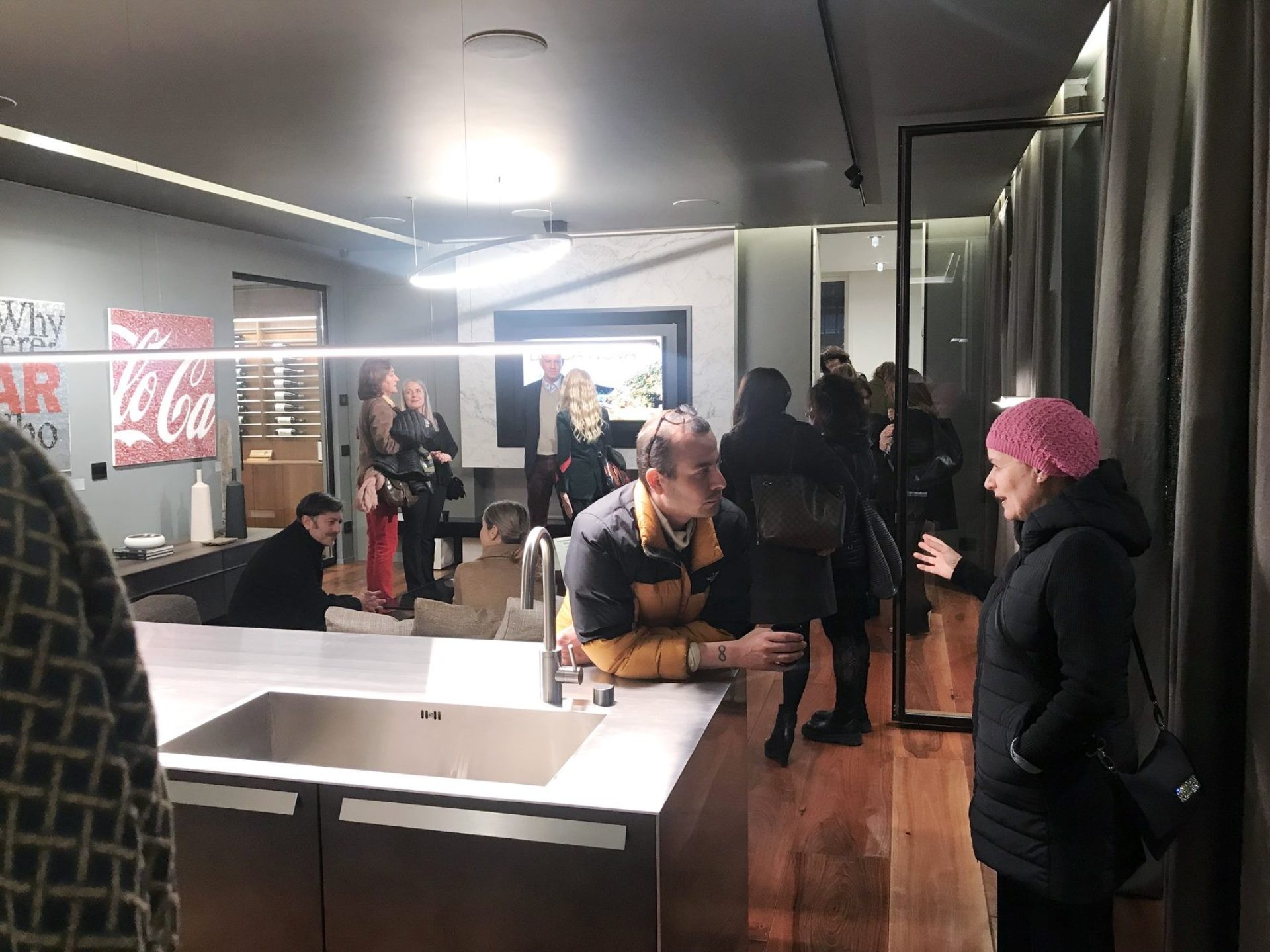
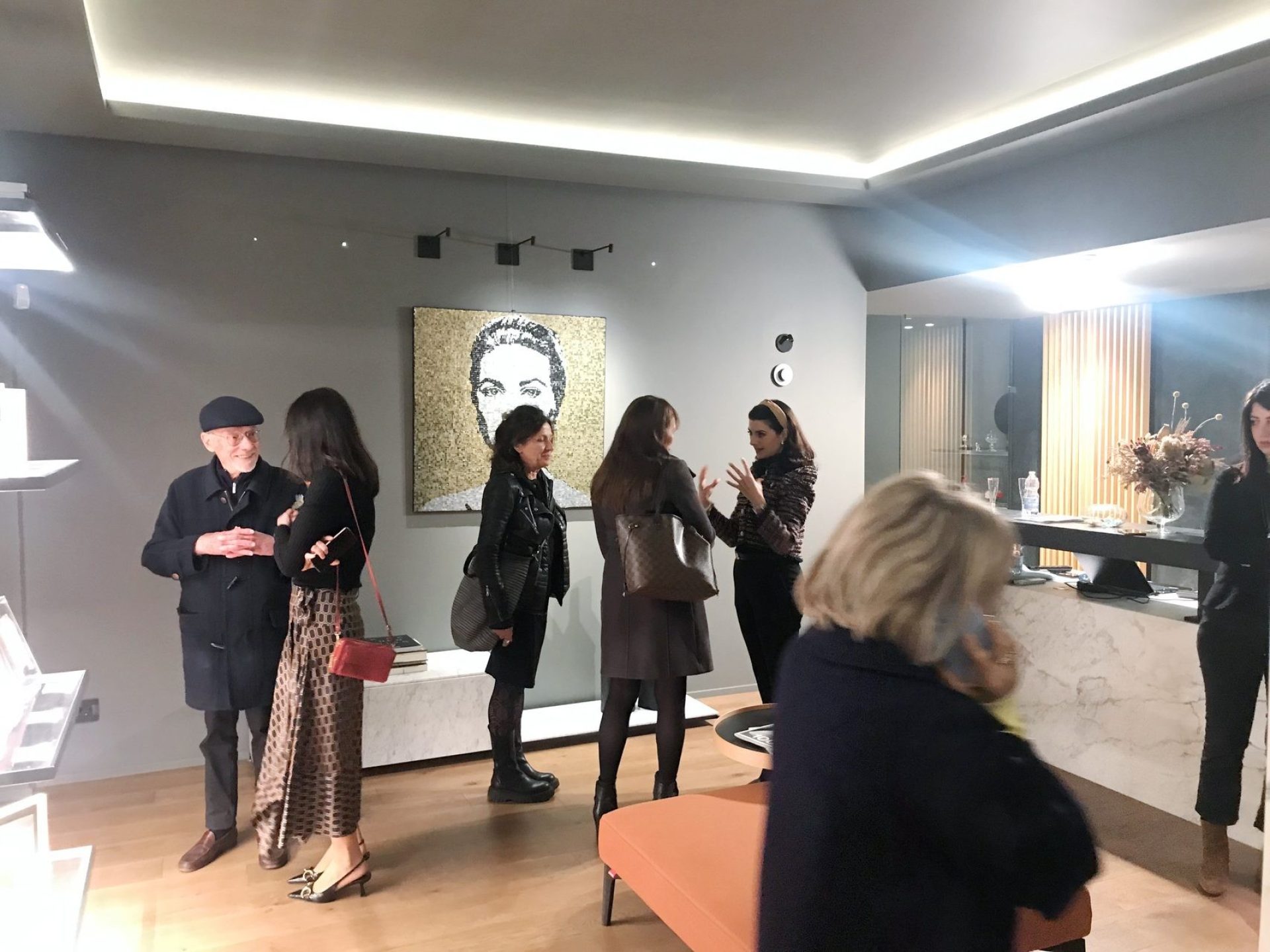
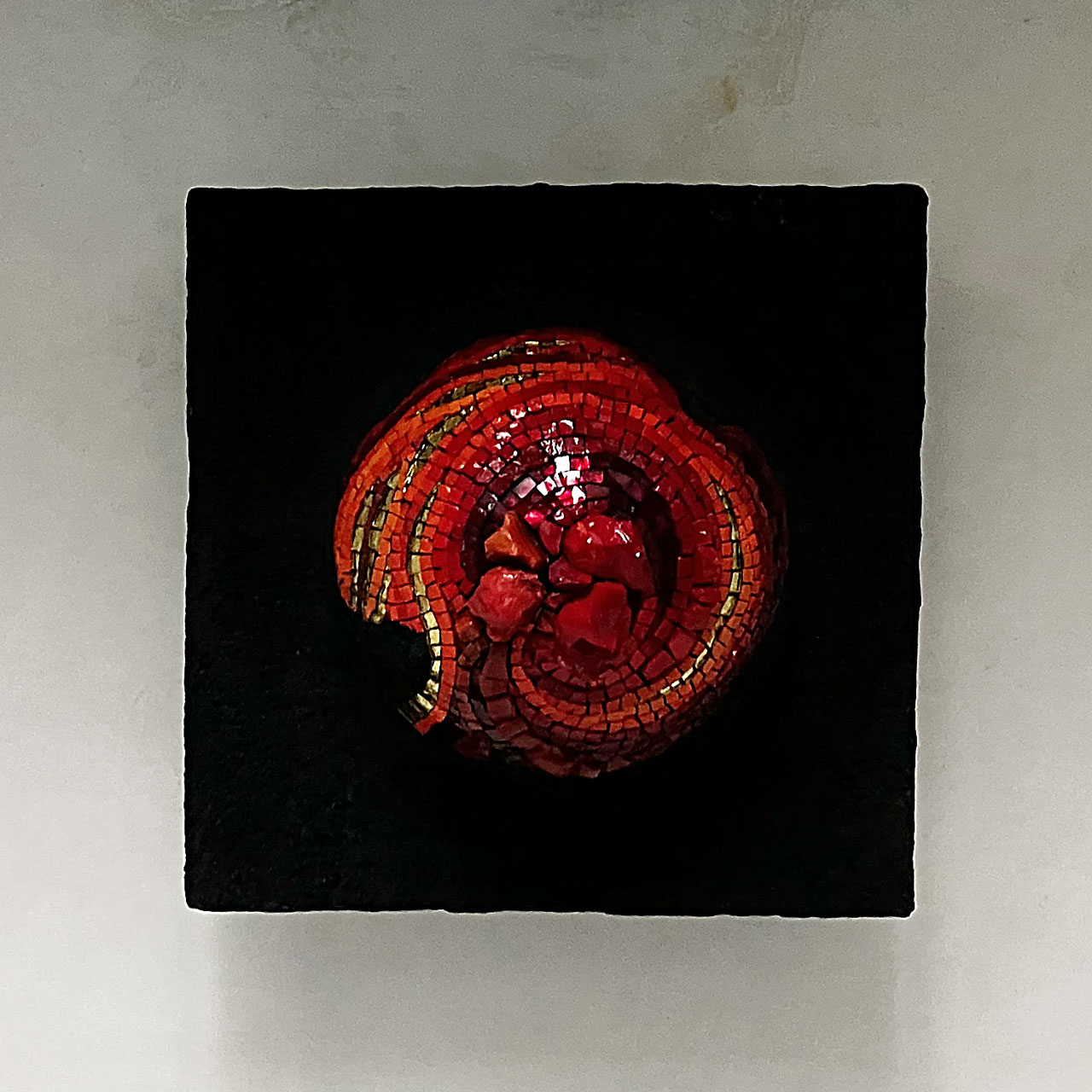
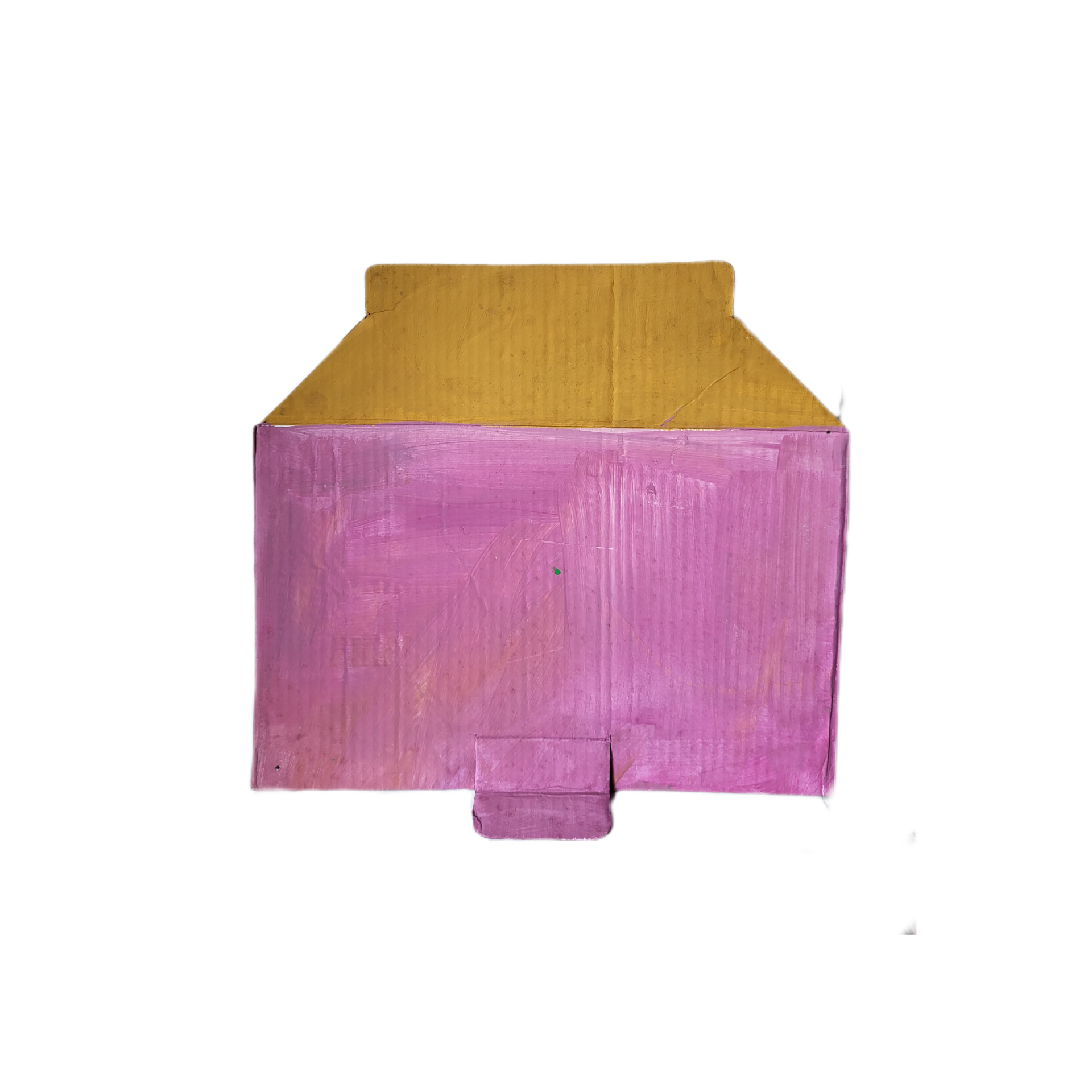
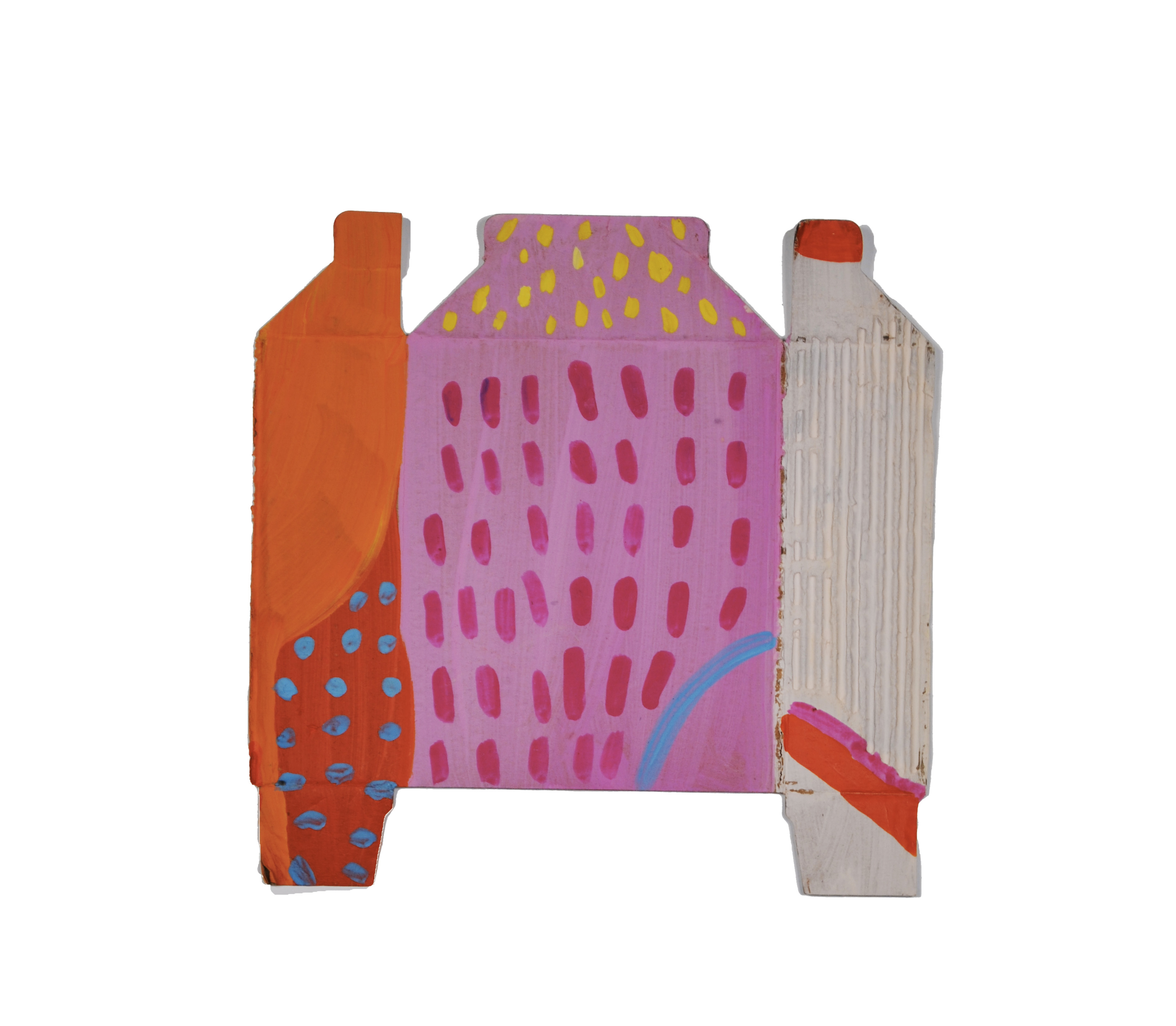
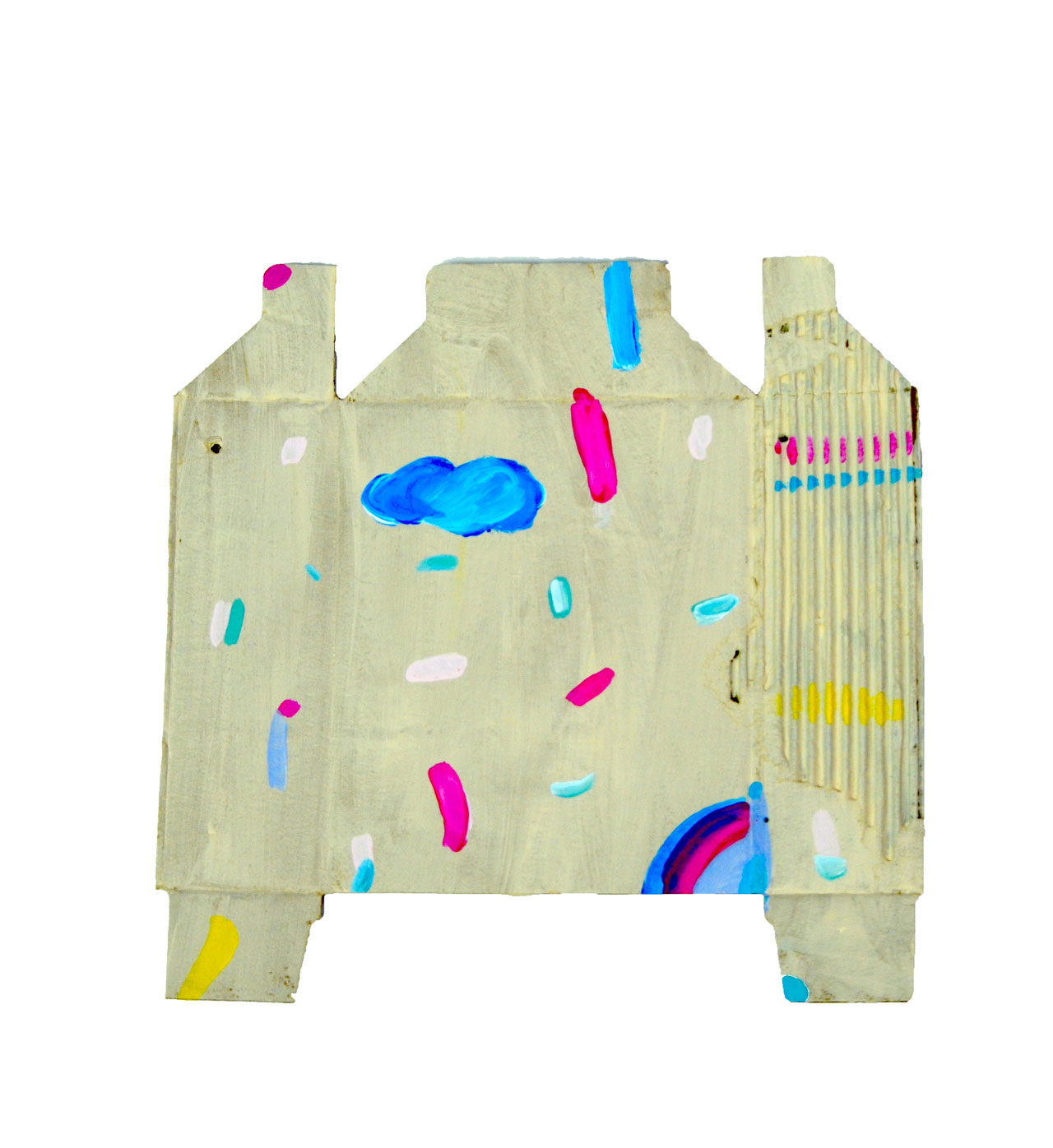
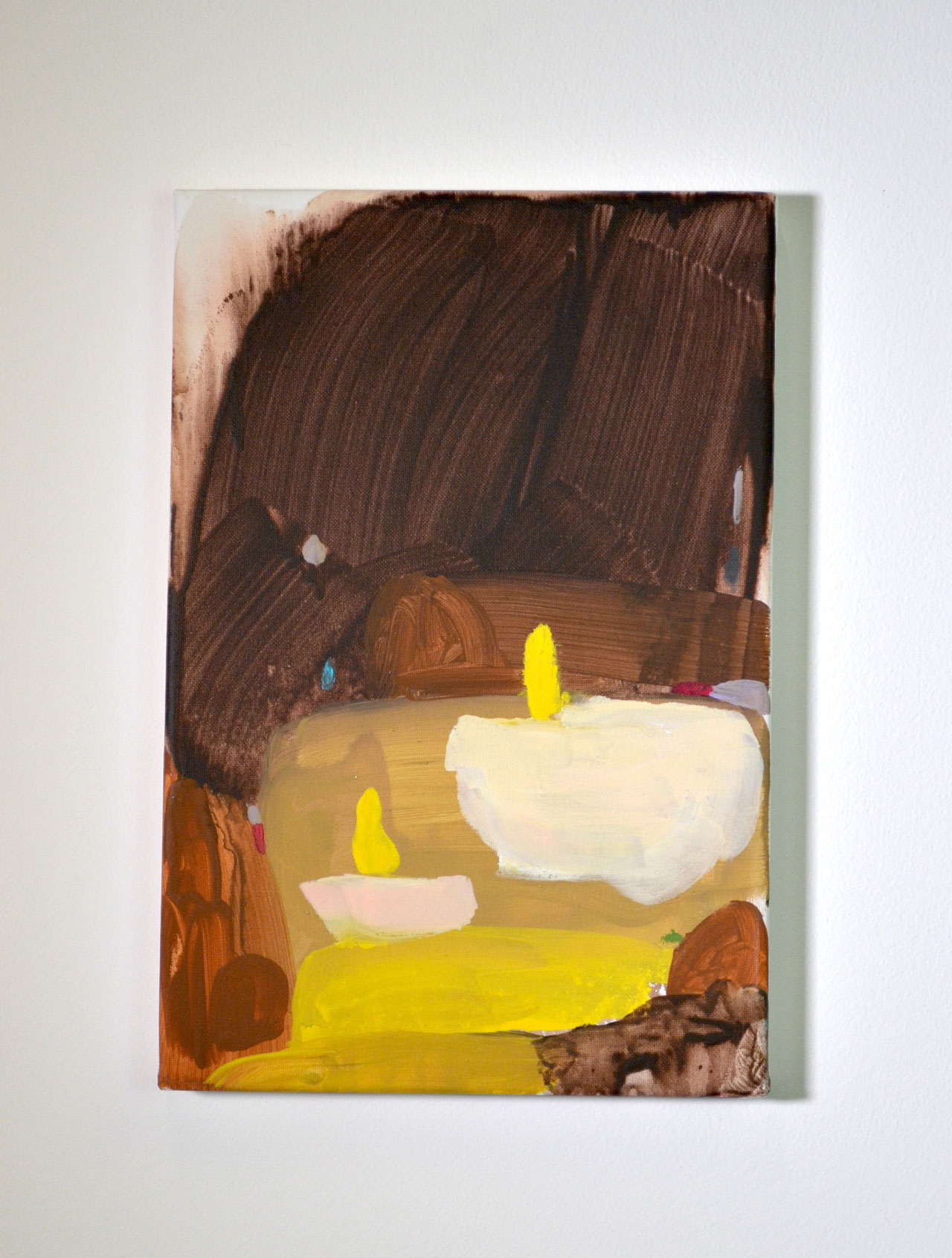
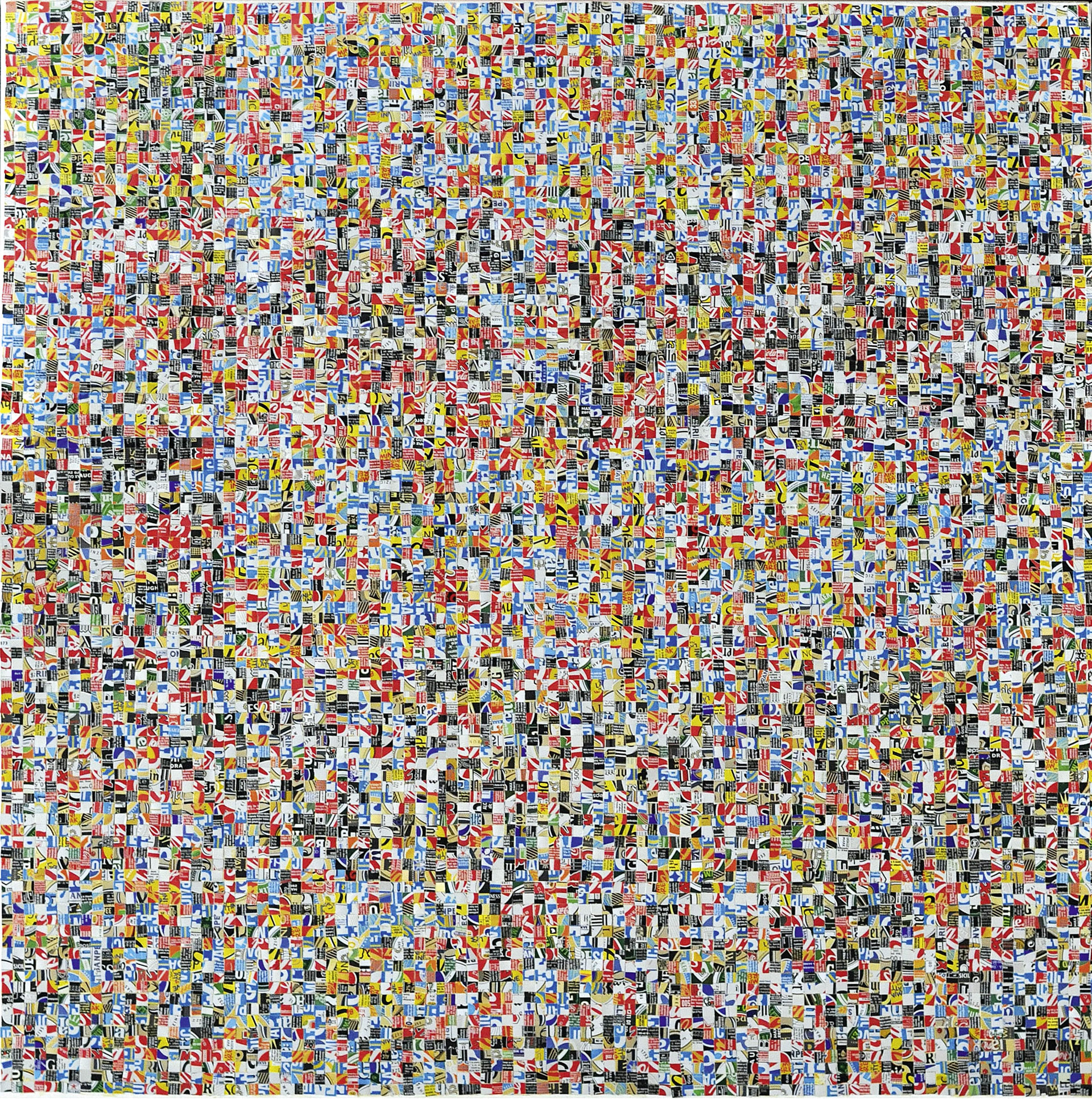
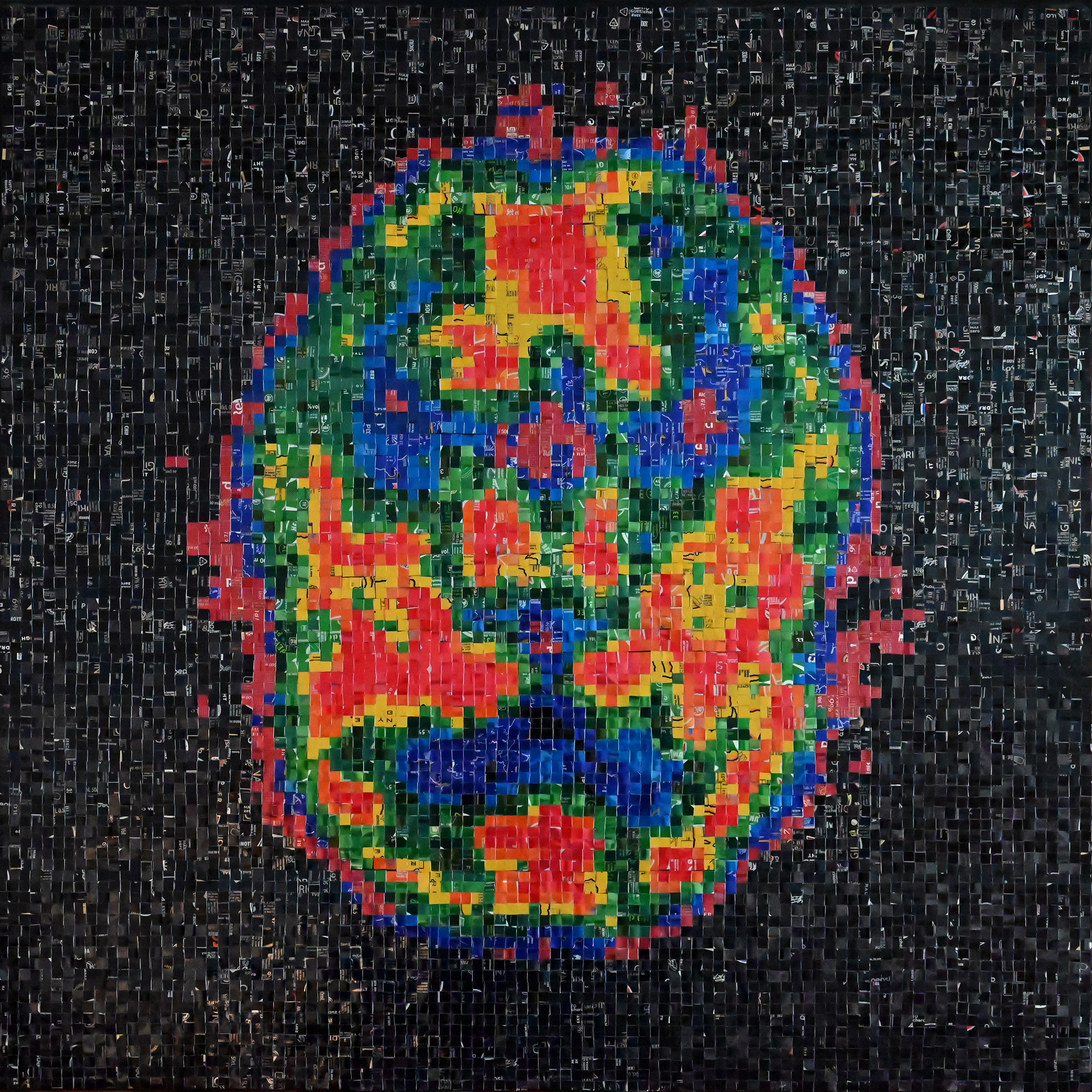
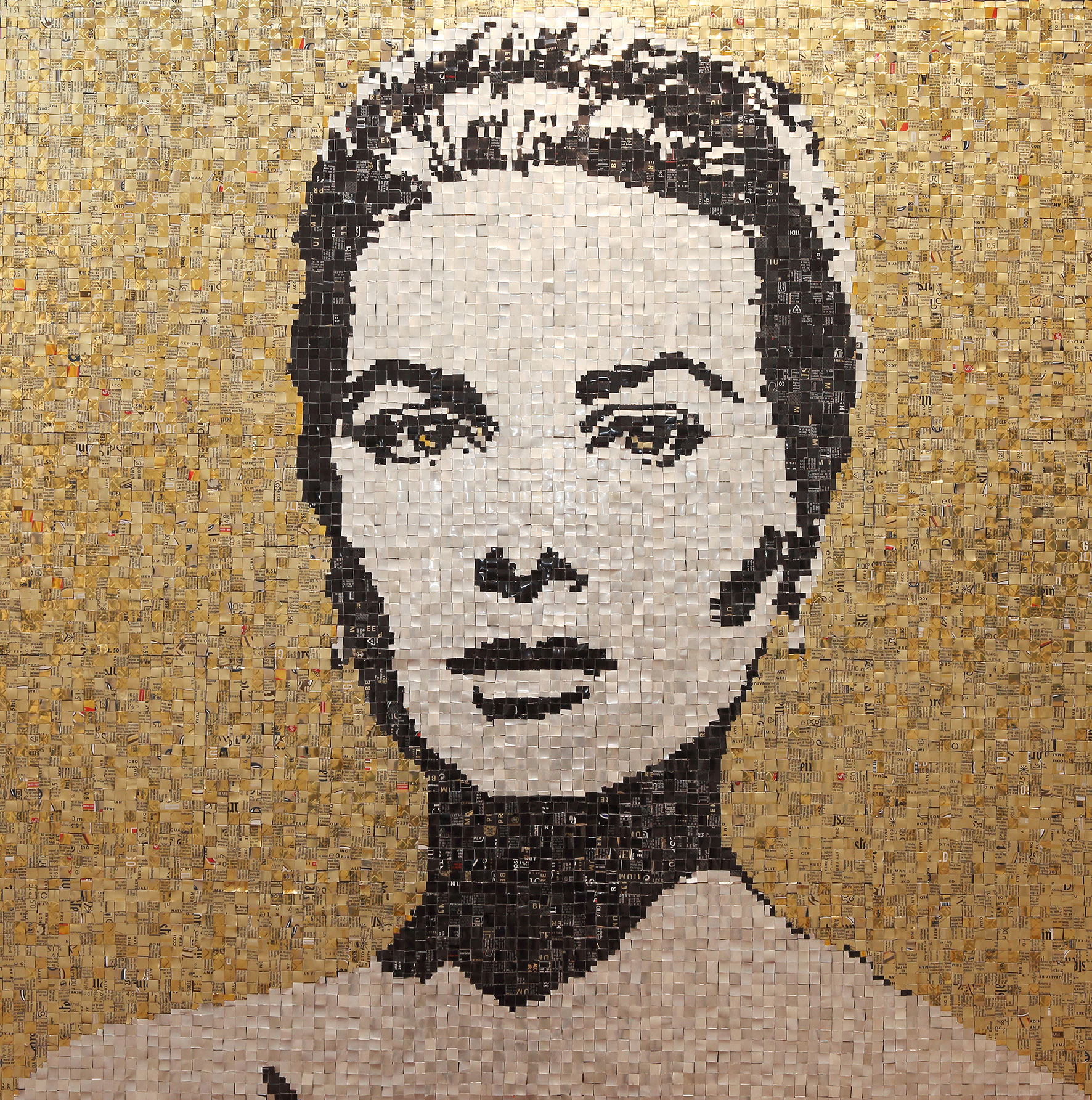
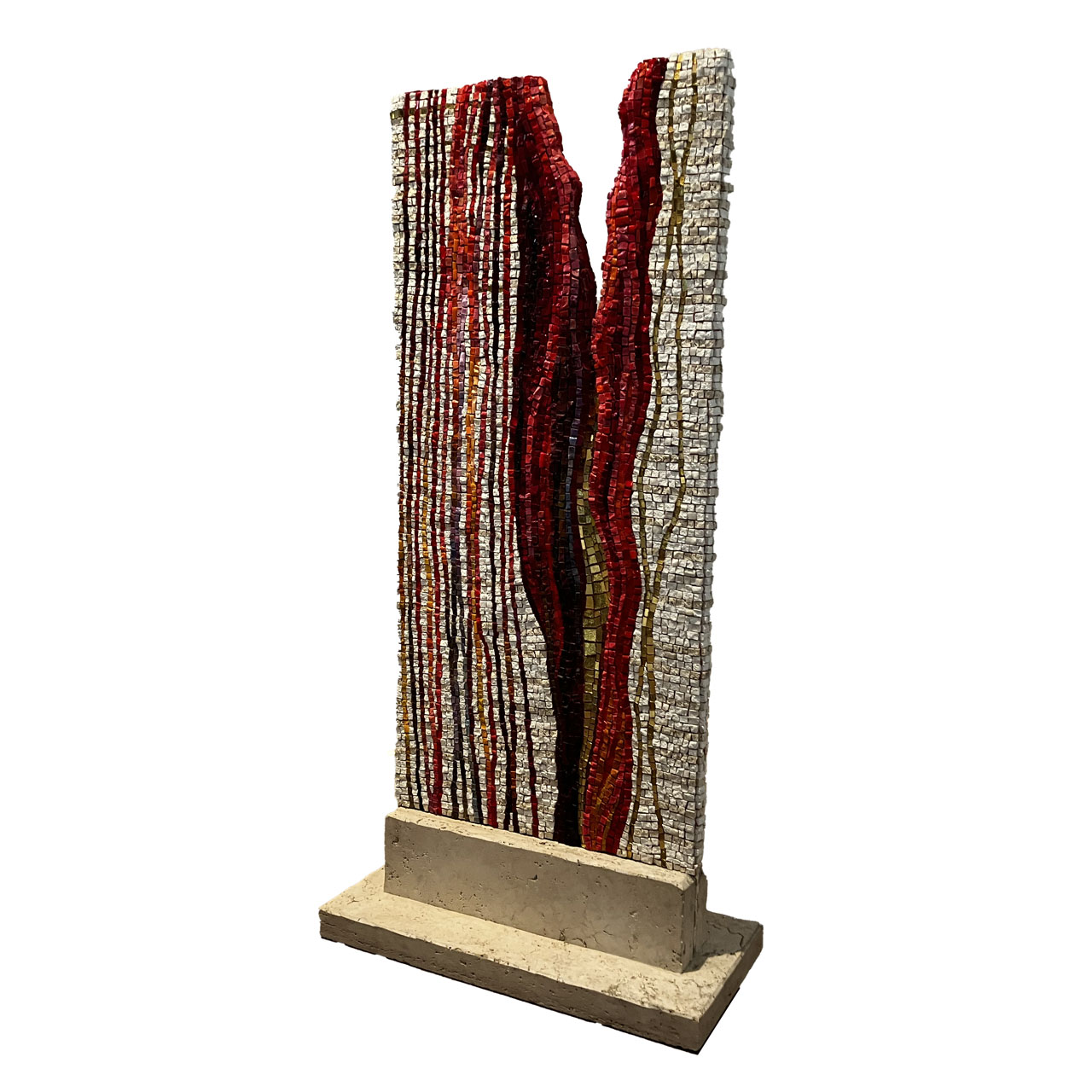
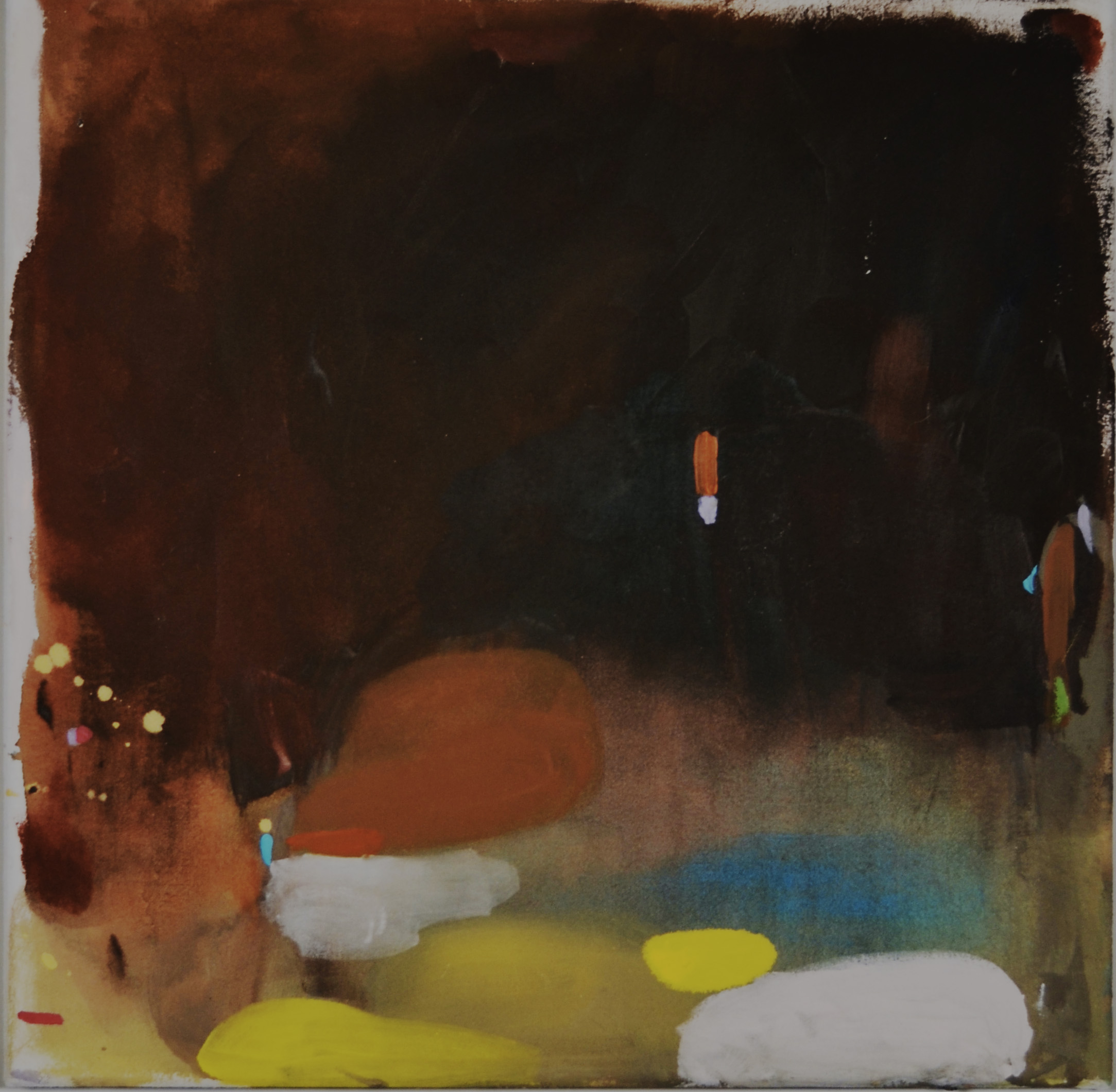
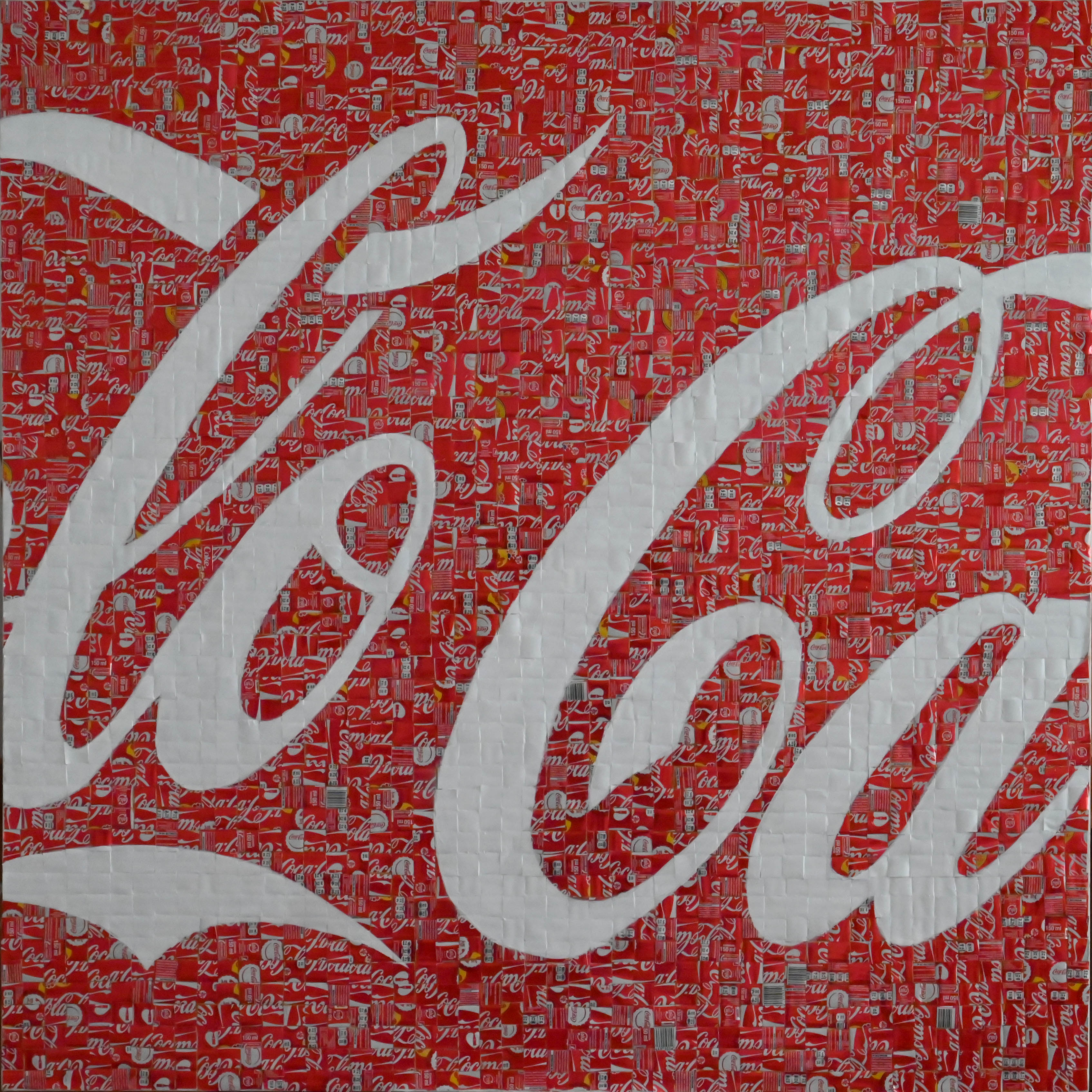
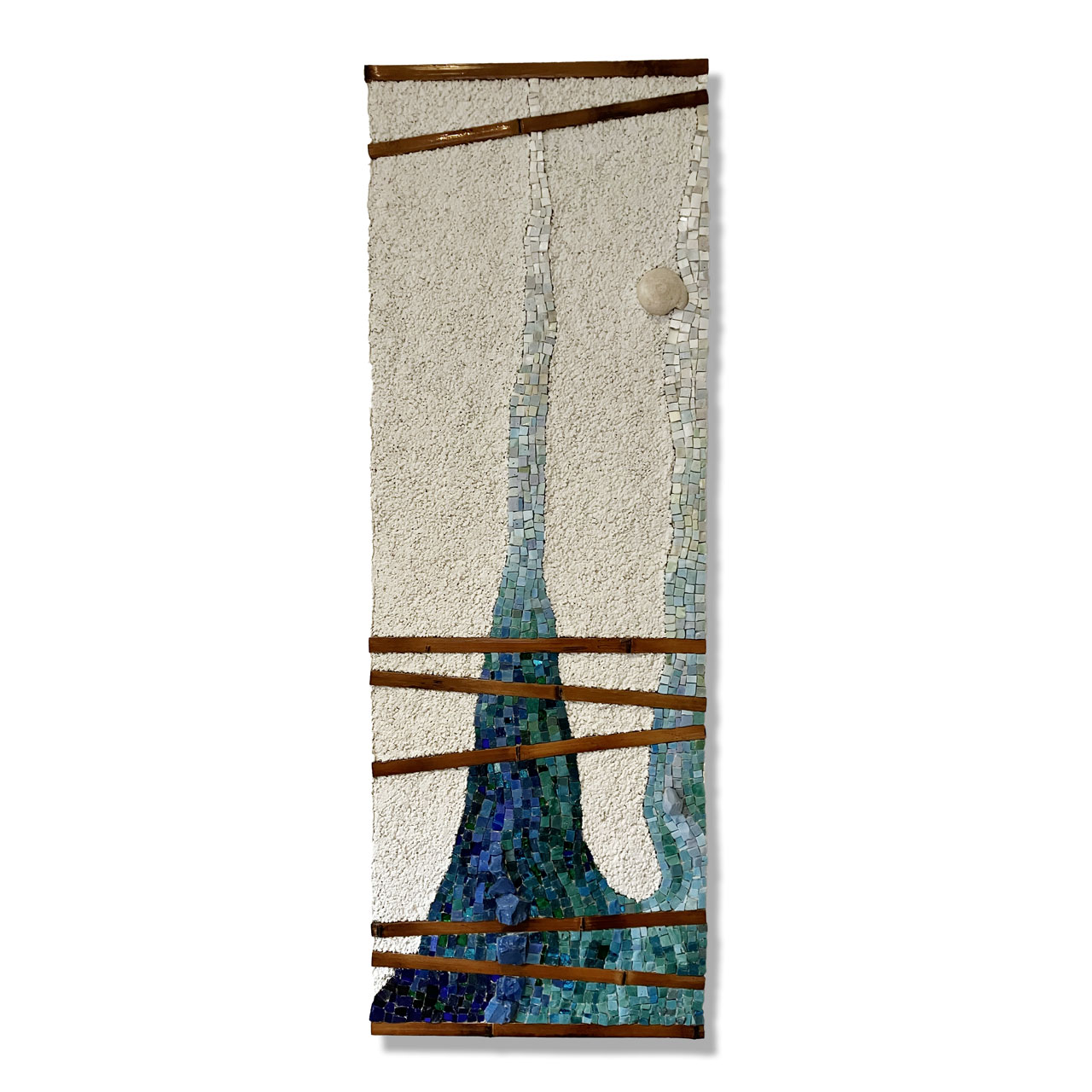
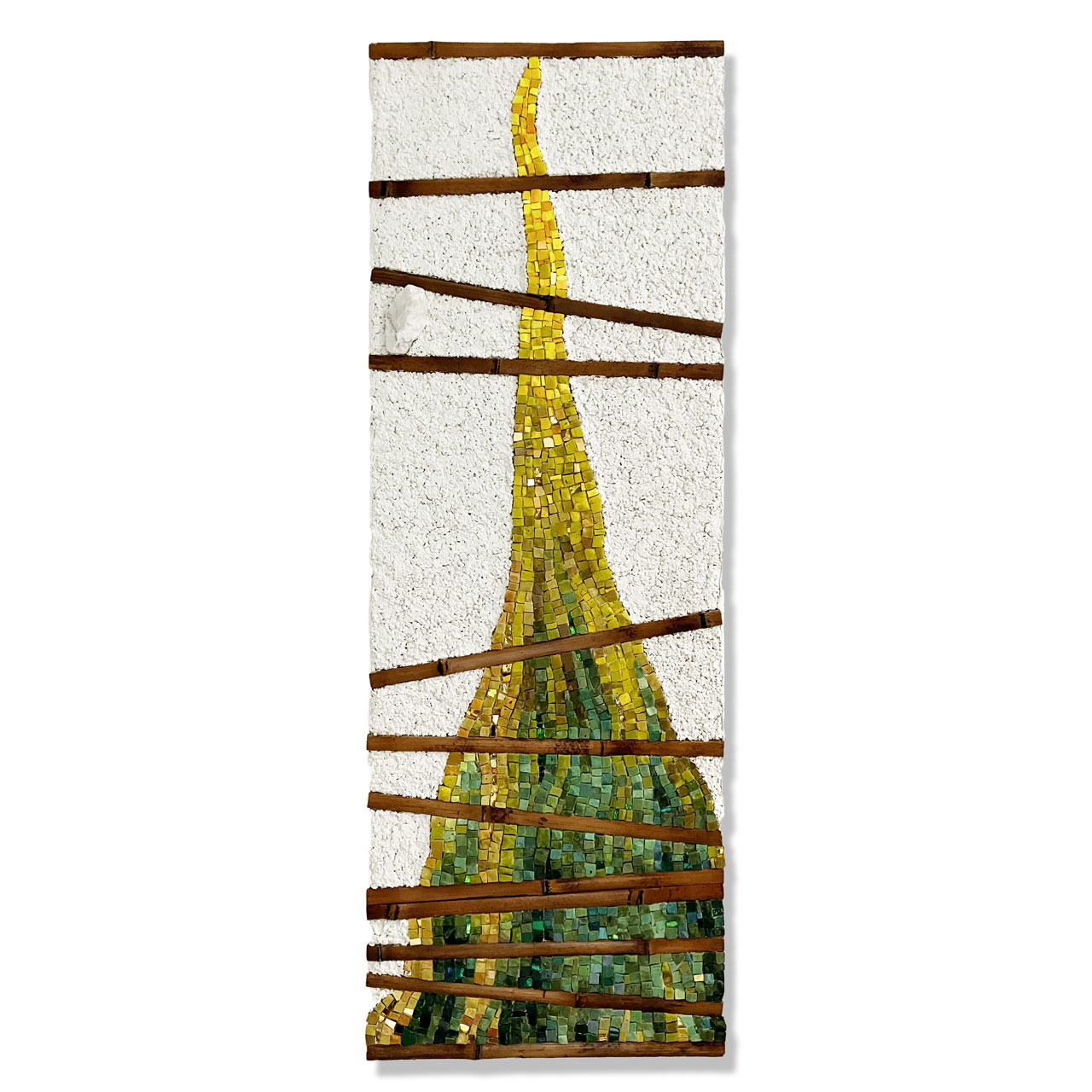
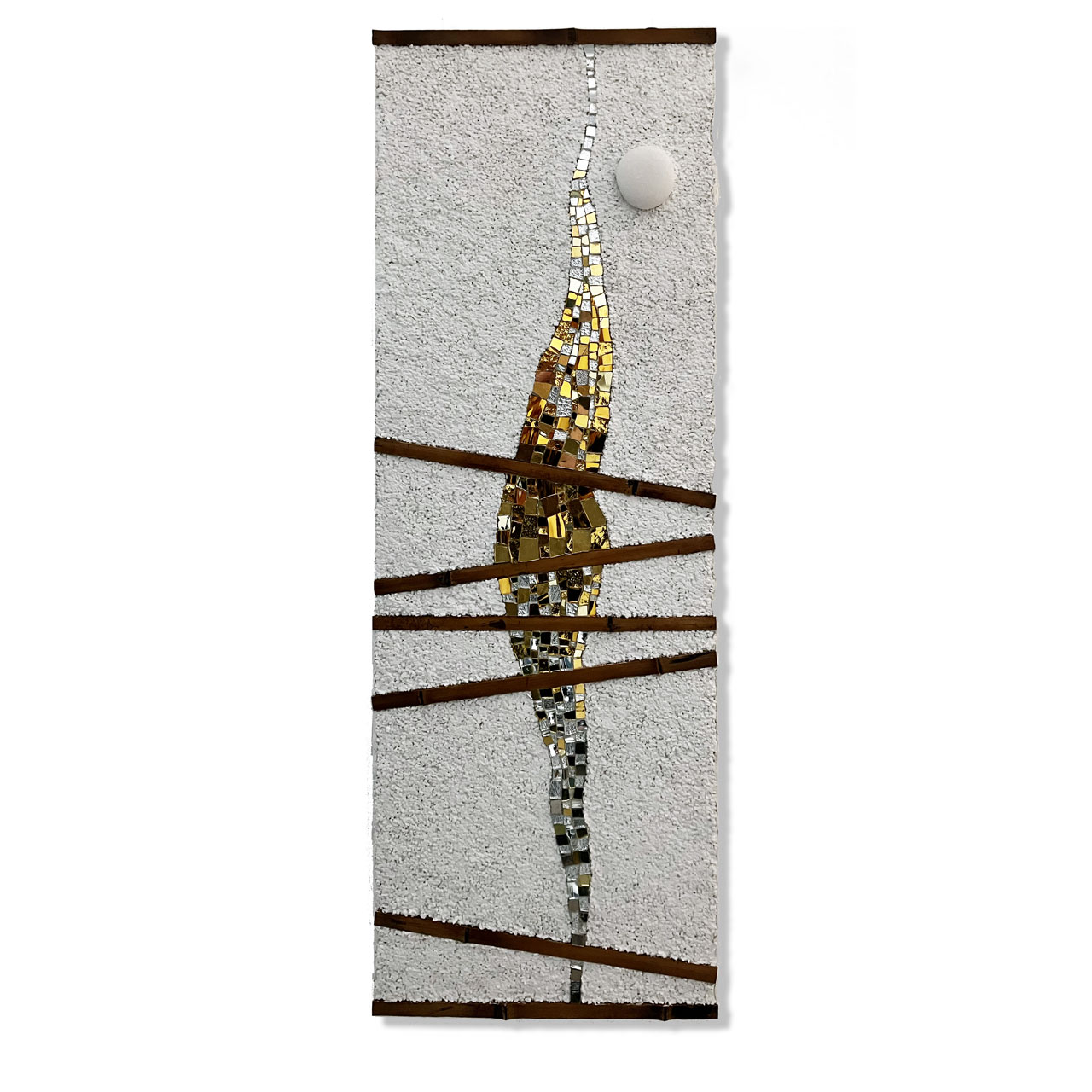
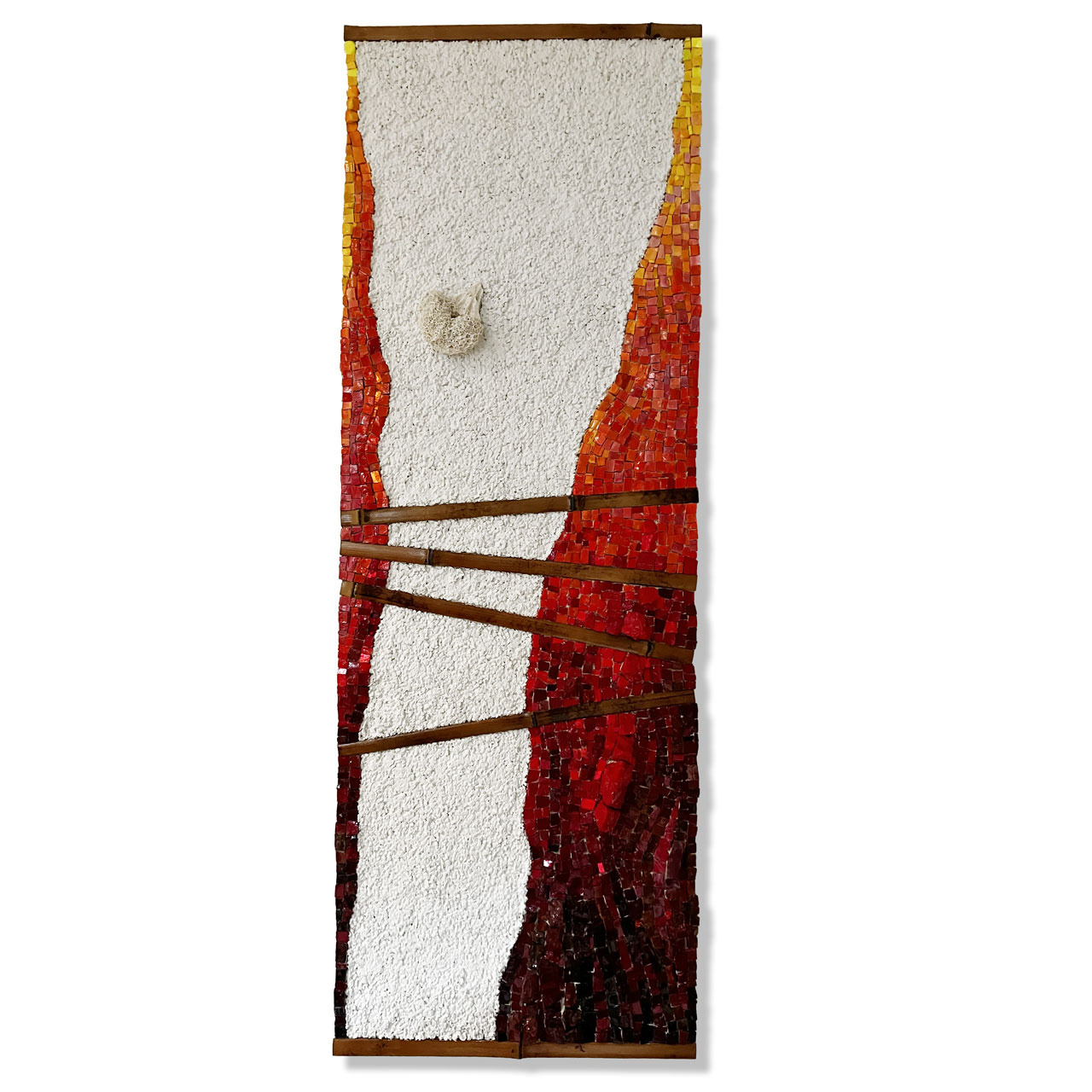
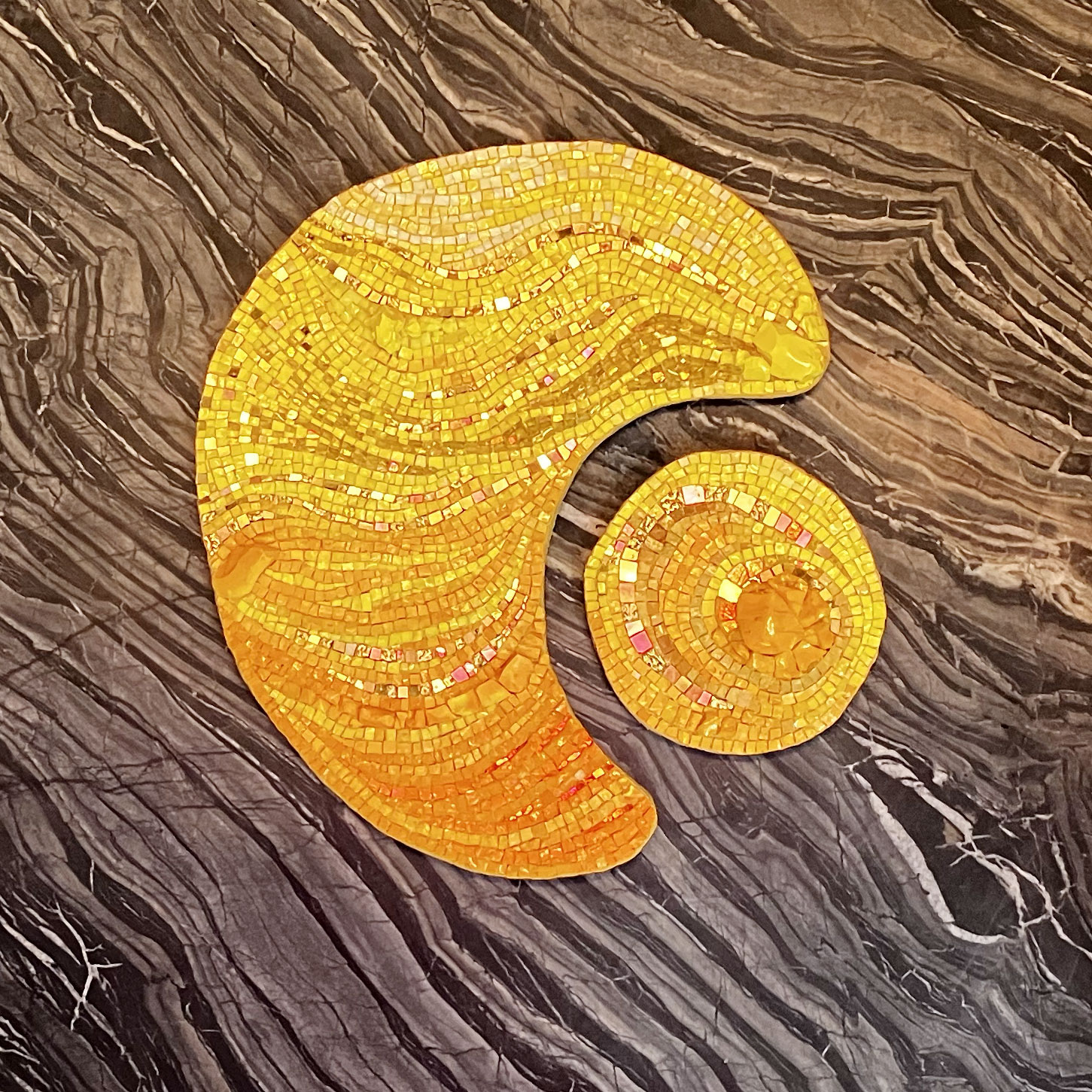
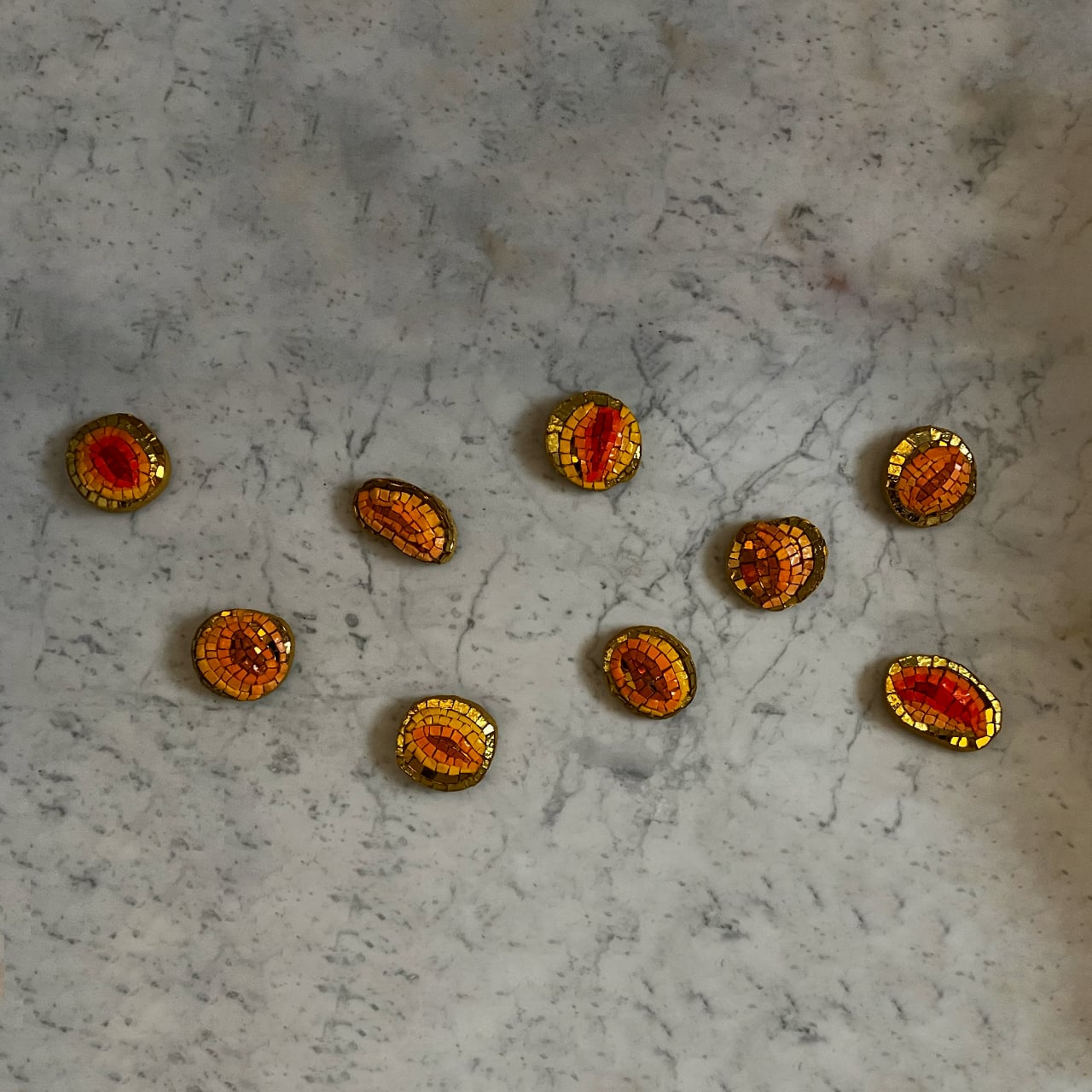
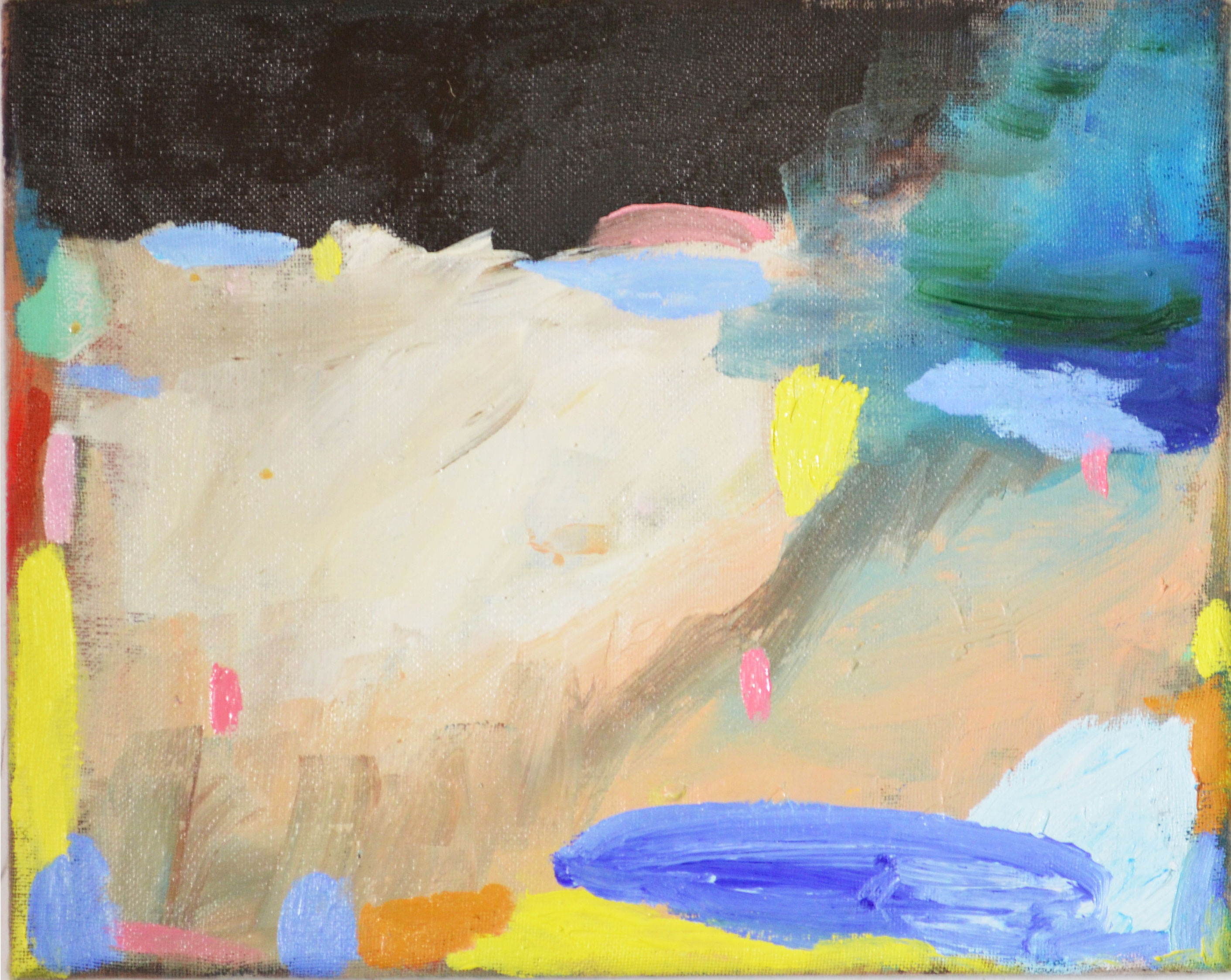
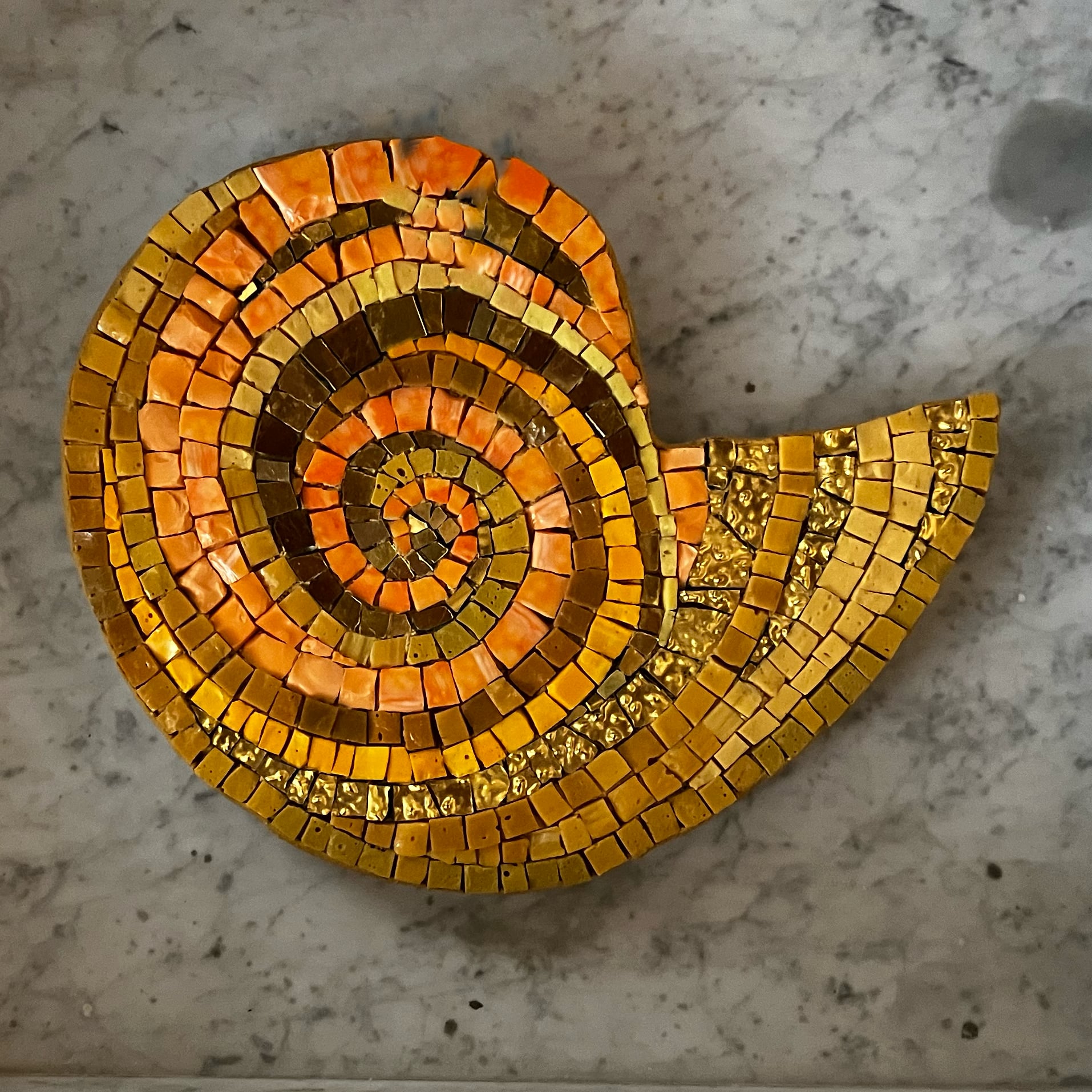
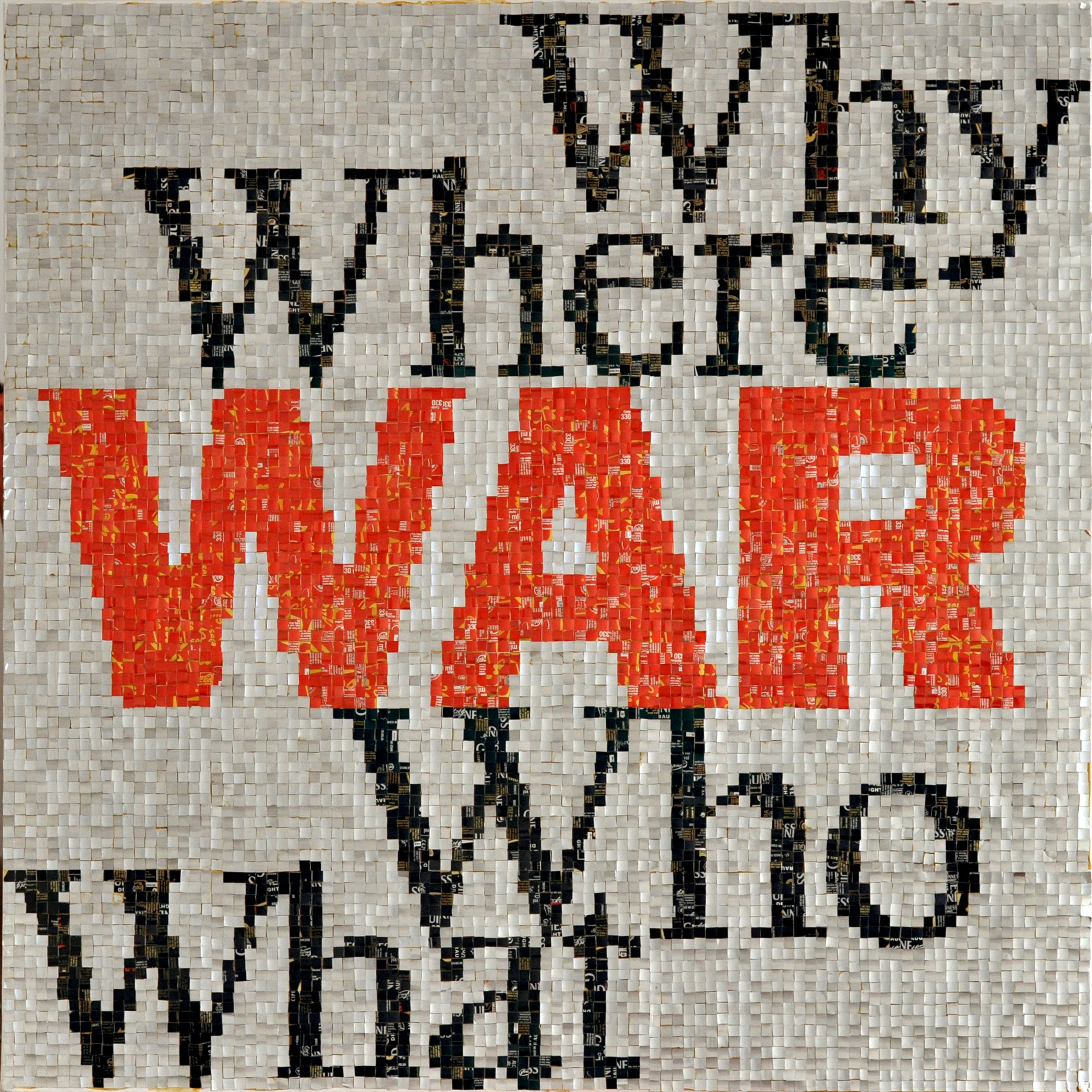
At times, however, the obsession is playful, as in the materials molded into artworks by Luciana Dos Santos Pretta, Caterina Vitellozzi, and Luca Theodoli, who exhibit side by side — or rather, room by room — in the spaces of Hunica, Rome. Luciana Dos Santos was born and raised in a part of Brazil far from the sea and close to the desert — a metaphysical desert like all deserts. Yet during the rainy season it becomes a prairie. Her recovered objects, steeped in strong, singing colors, seem to mark and regenerate emptiness in rhythmic pigments, recalling childhood games when every object became a toy: cardboard boxes, egg cartons, or textured canvases like sheets or shimmering cloaks that open the gaze to geographies of emotion. Her works are theatrical — rough canvases like inner curtains — and intimate at once: open boxes vibrating with color like revealed memories. Caterina Vitellozzi, a Roman who has spent time in London and China, is a rarity: one of the few women working in mosaic. She does so in an unusual way, revealing the material instead of hiding it within the design (as happens in micromosaics). More than that, she makes it organic, embedding bamboo canes and tree branches within the roughly hewn tesserae — as if to let the stone breathe. Her volcanoes seem to erupt color; her mosaic pieces evoke the skins of extinct and imaginary animals. Matter becomes a meticulous kaleidoscope in the portraits and metal-can inscriptions of the Roman artist Luca Theodoli. Urban refuse becomes the iconic portrait of the diva, Hitchcock’s muse and Princess of Monaco, Grace Kelly. It turns into language and thought in the writings that mix irony and protest, like the best slogans of early 1968 demonstrations. It also becomes ebb and flow — from bins, from distracted sips, from discarded emptiness back into reimagined works. Like the echo of a sea. Not by chance, it was by the sea in the Blombos Cave, in present-day South Africa, that the first known artists lived. On the shore, they gathered shells for jewelry; with the red ochre of the earth, they traced lines (the tic-tac-toe sign, the hashtag, a hundred thousand years old) on cave walls and on their bodies. They found matter — and art emerged. A language. In their lost and untraceable tongue, they may have exclaimed, like the Greek Archimedes centuries later: “Eureka!” I have found it.
Fabio Sindici
Gallery