Works on display
Artists
Curators
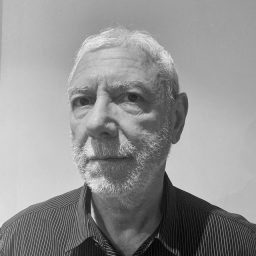
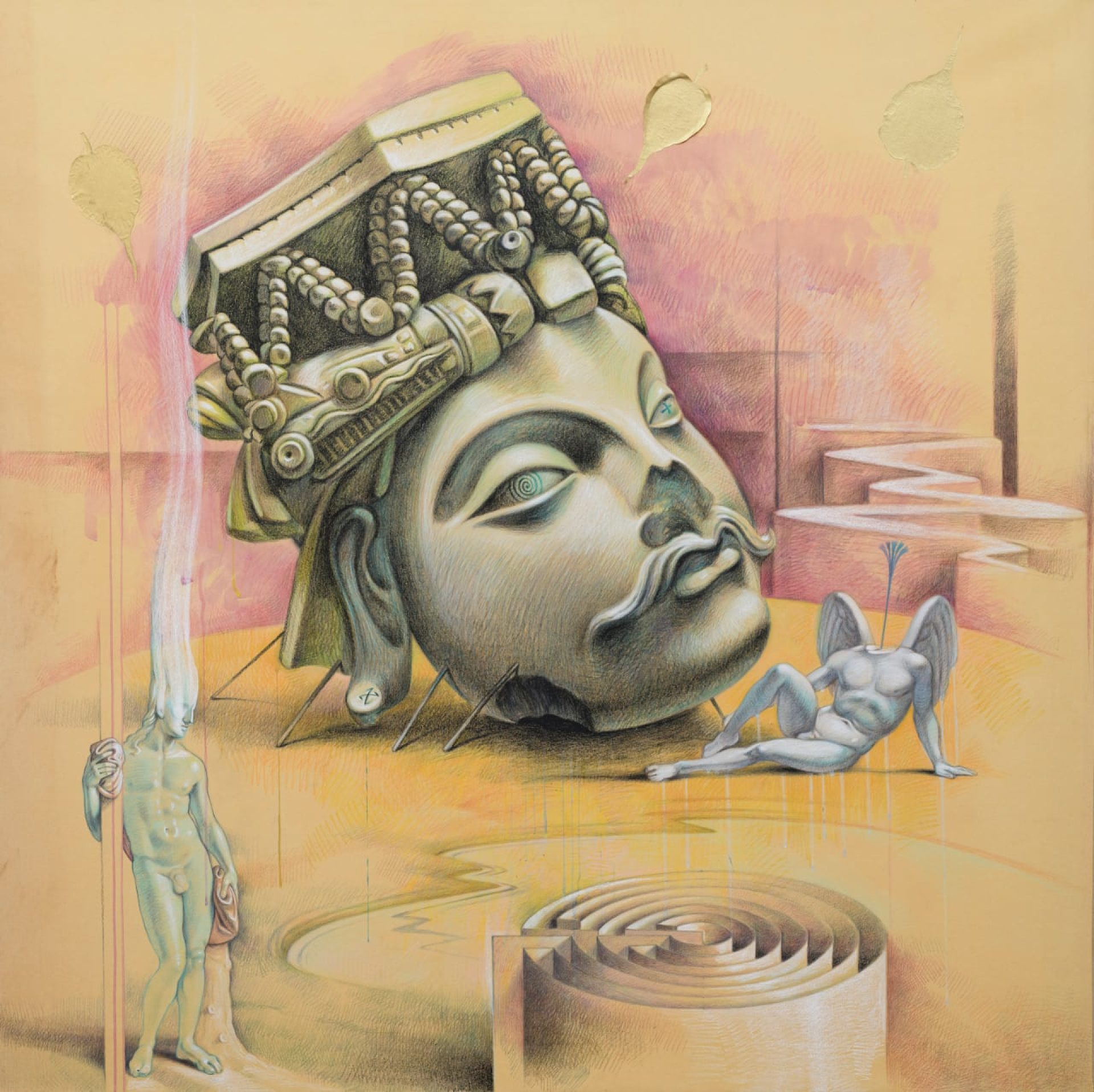
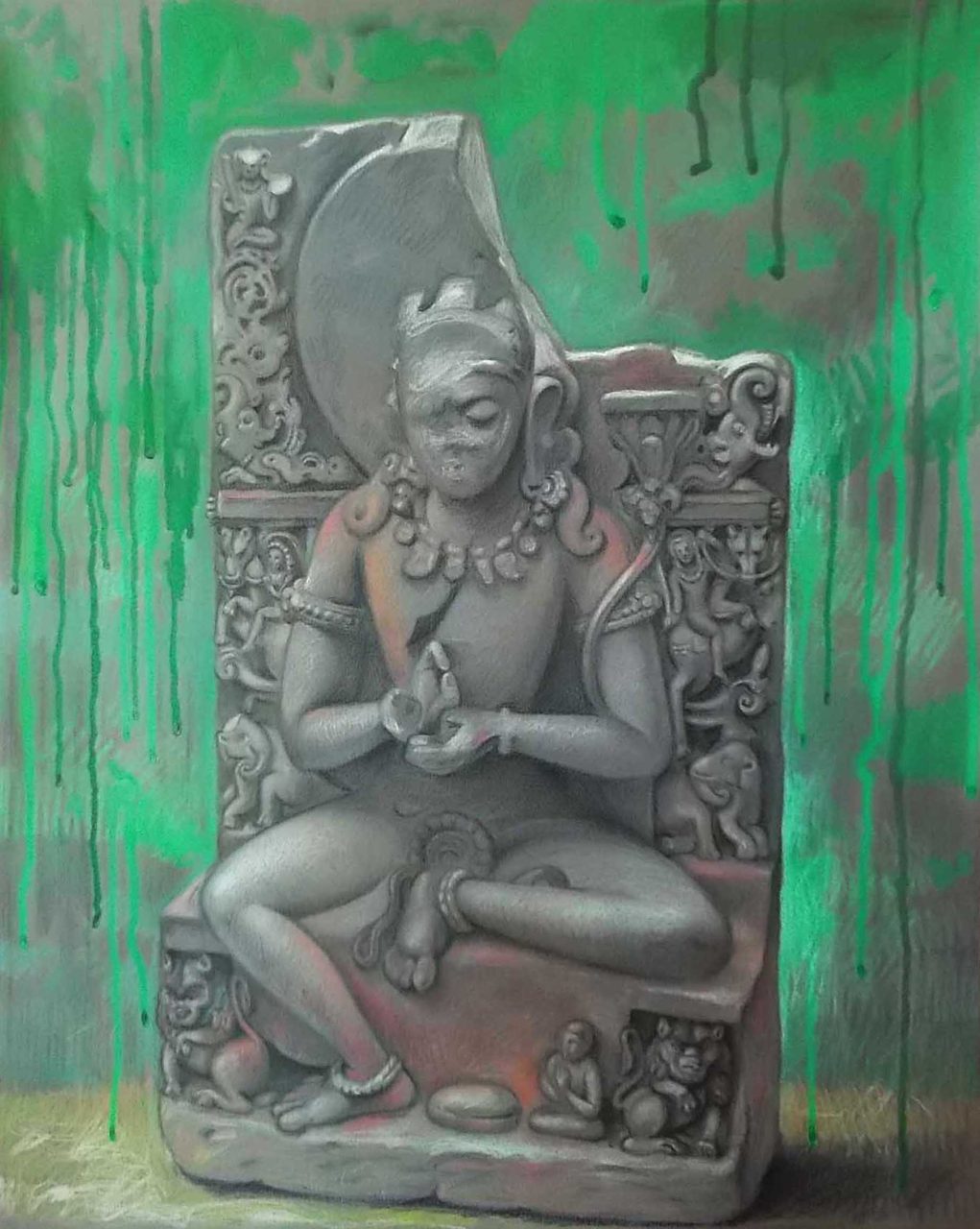
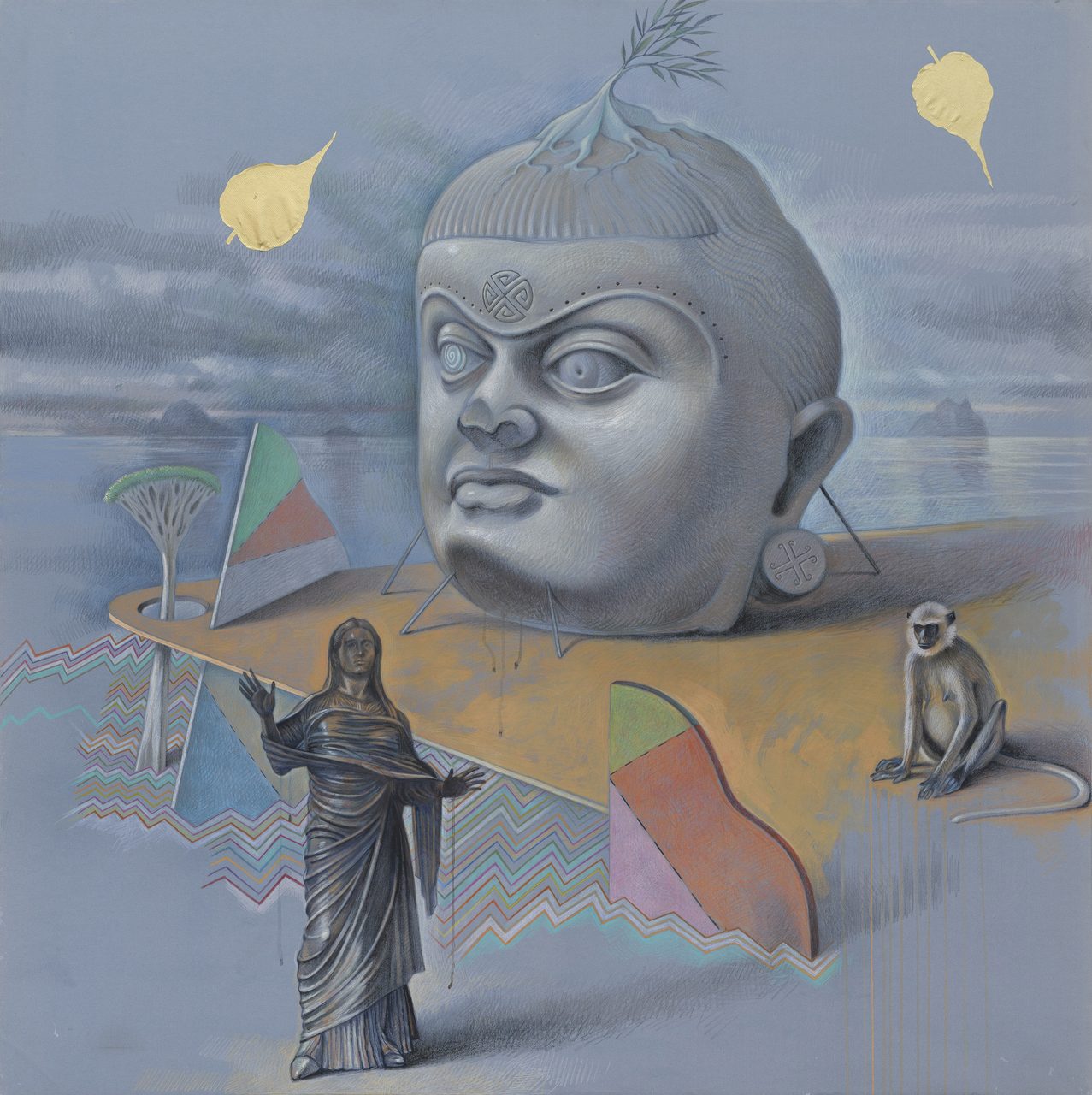
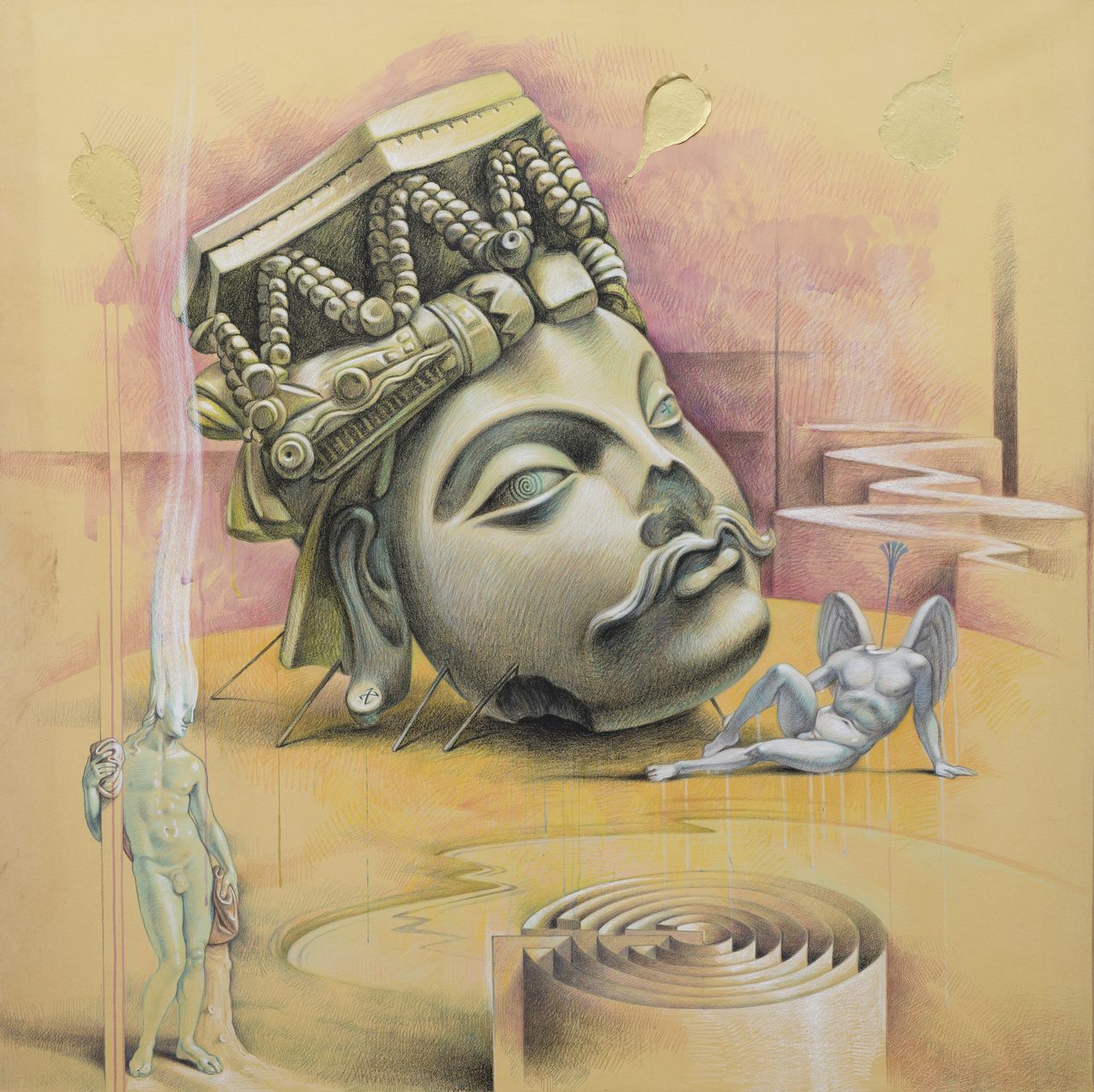
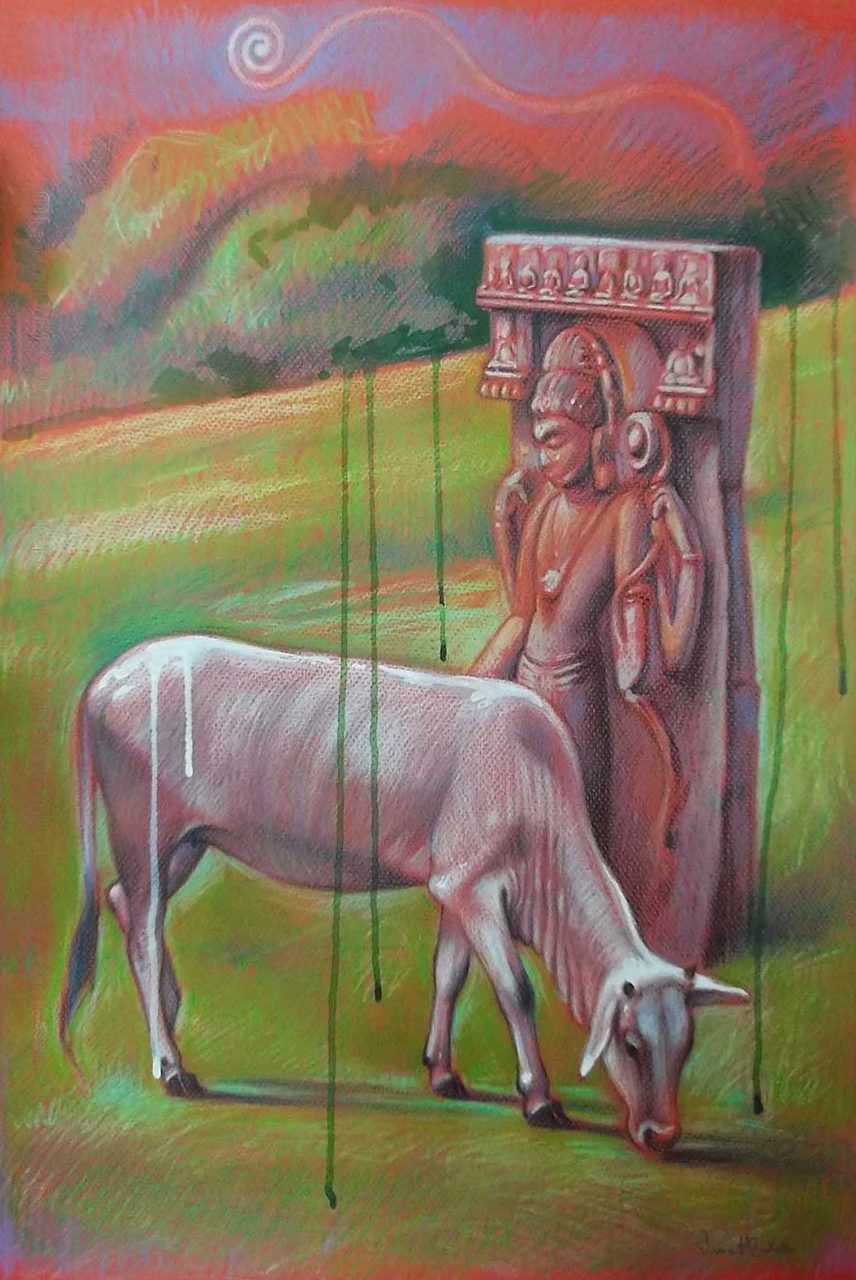
Sometimes the private aspects of life, whether small or large, intertwine with events of broader significance. At times, they even intersect with History itself—what is commonly called History with a capital H. Meanwhile, the kind most of us live is the story of our own lives, which is by no means insignificant. These thoughts form the foundation for understanding this new body of works created for the solo exhibition titled “Return to Taxila”.
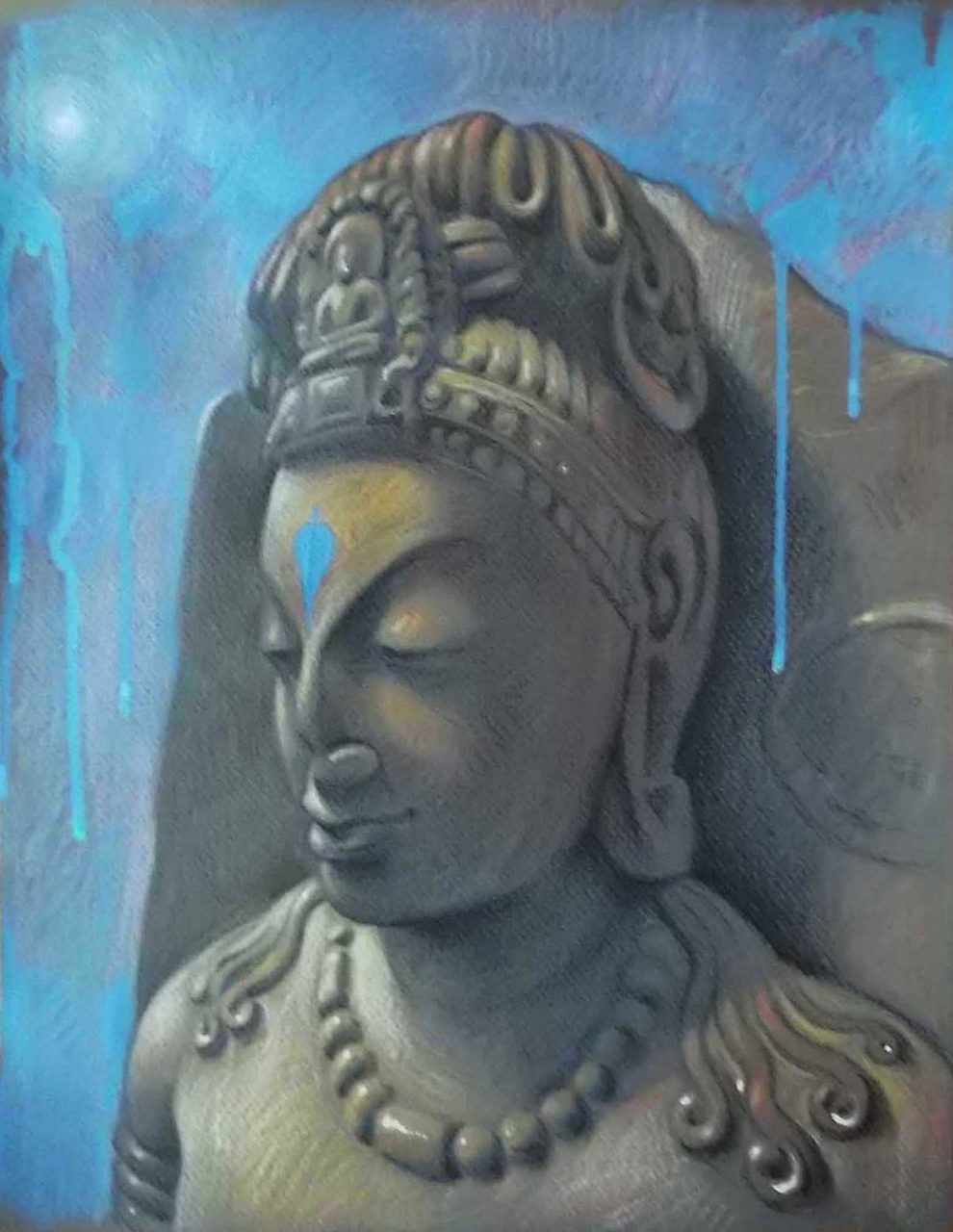
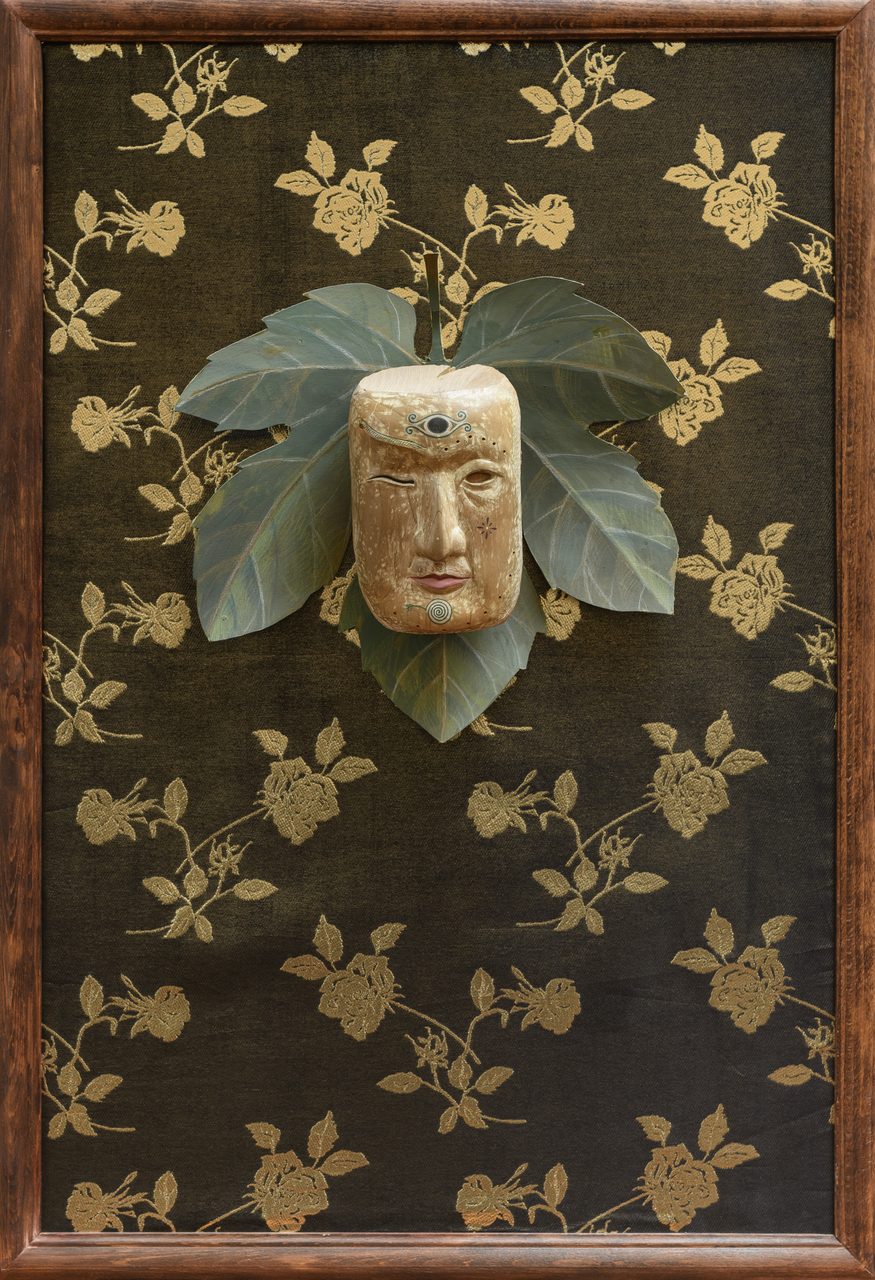
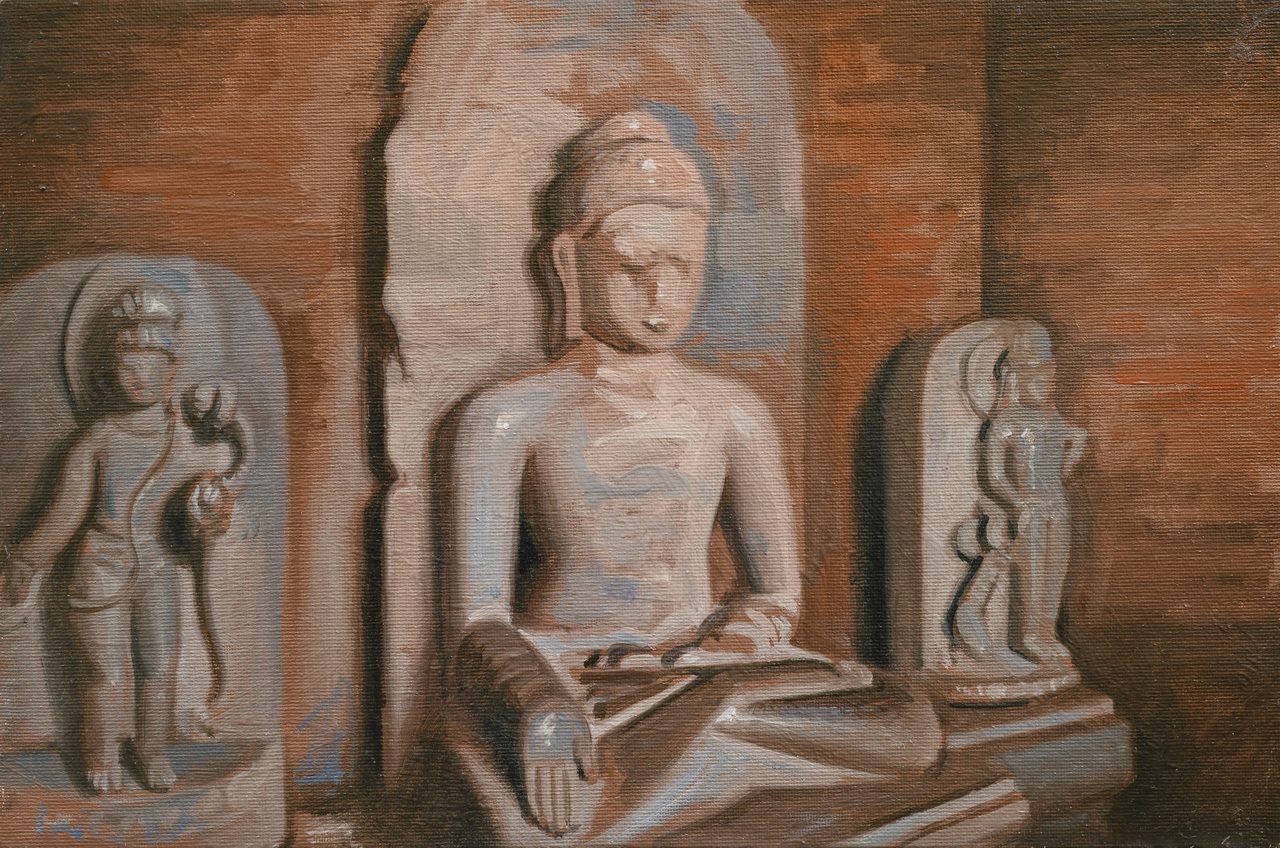
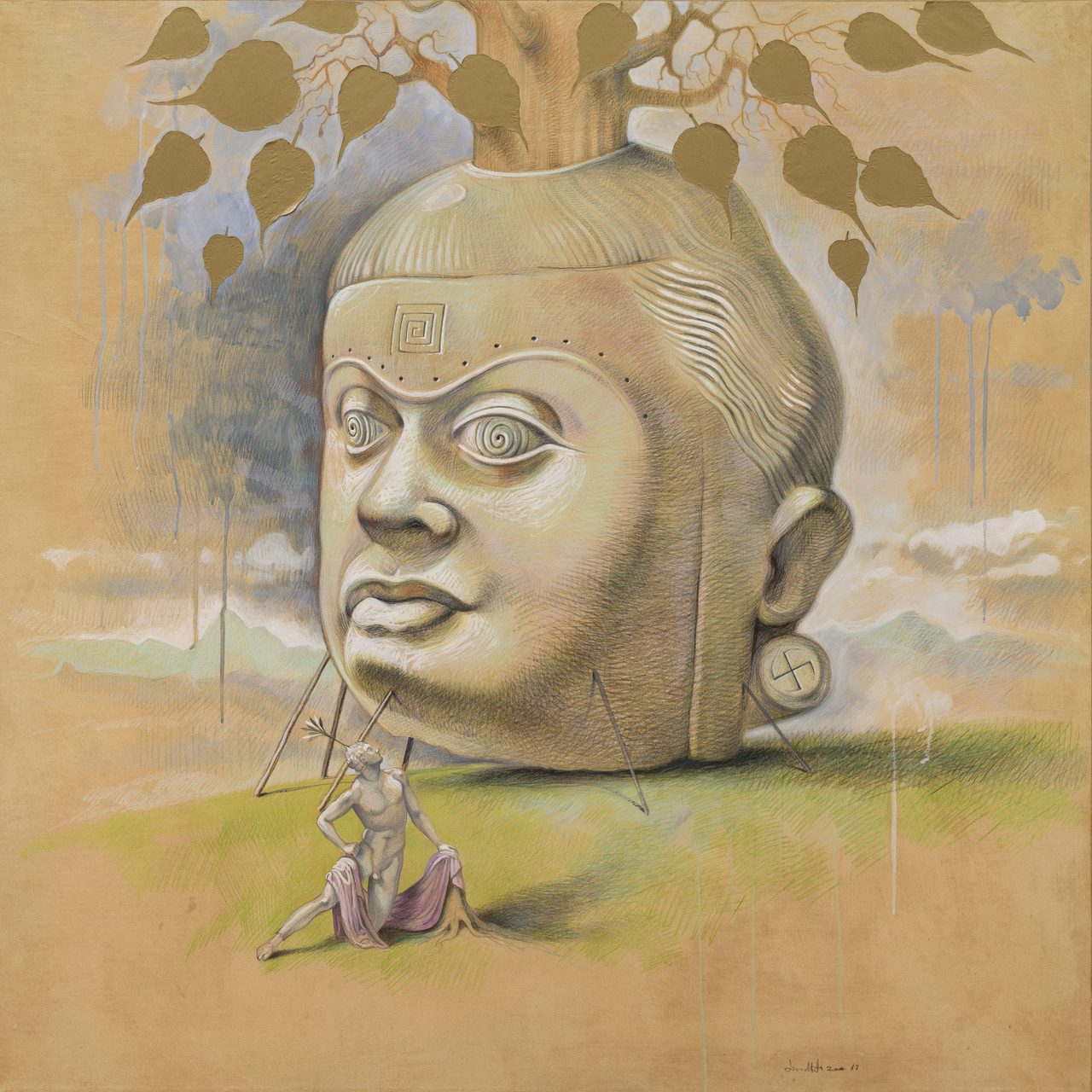
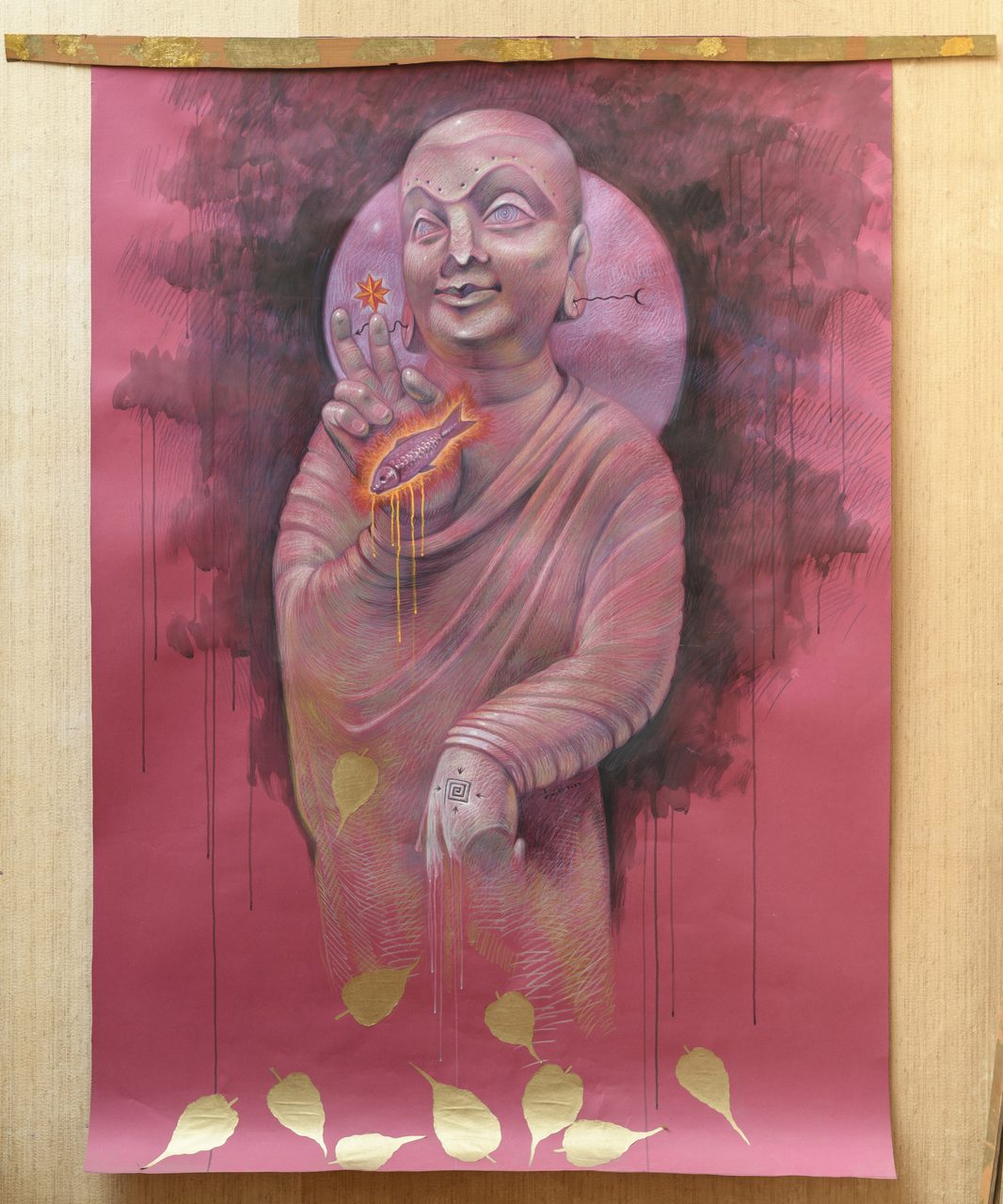
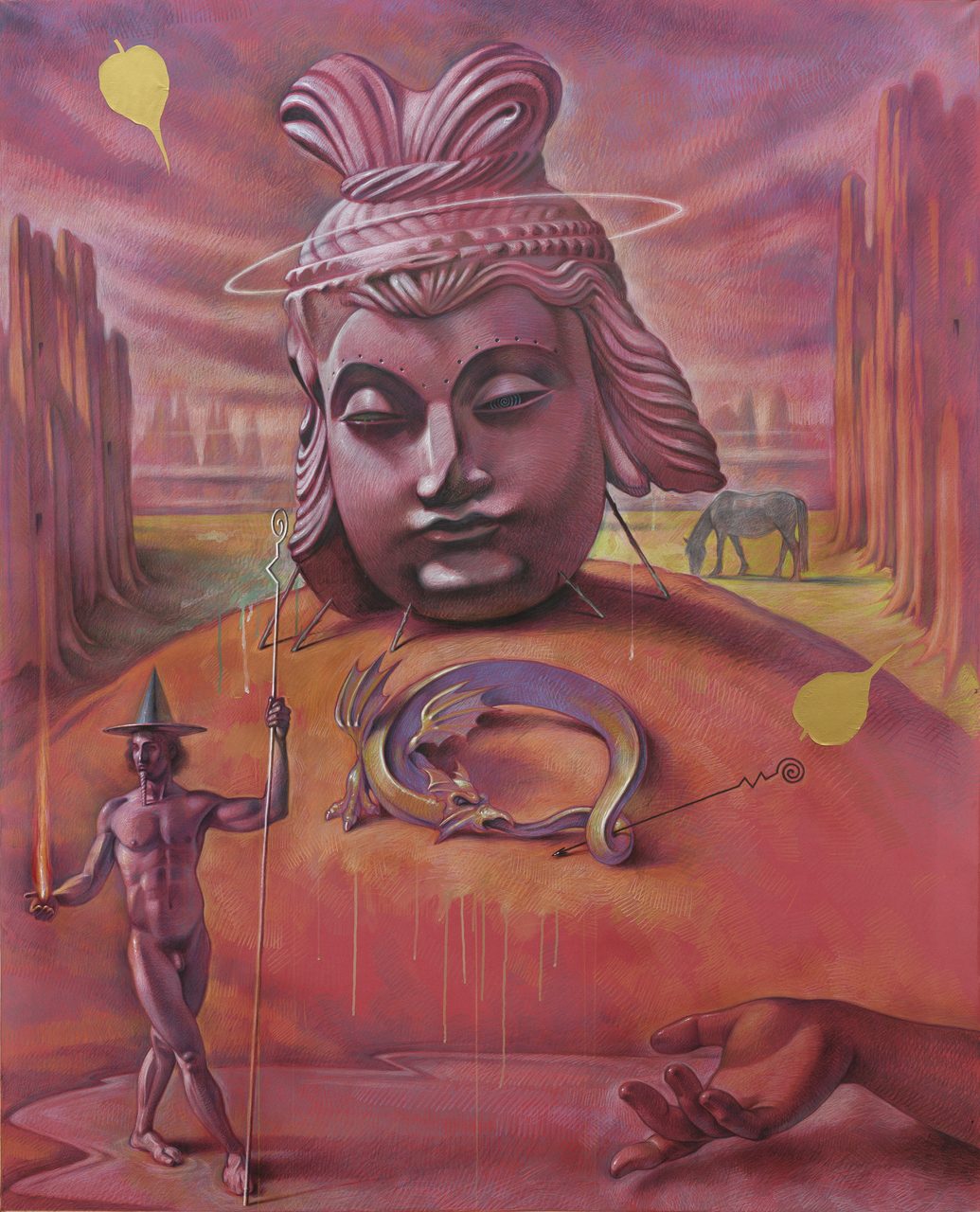
The works are inspired by memories of a journey taken many years ago to the city of Taxila in Pakistan, where the artist discovered the beauty of Indo-Greek and Buddhist art. According to tradition, the name Taxila means “the severed head” and marks the site of a story from the life of Buddha, in which he gave his head to a man. In Buddhist iconography, it is common to depict Buddha’s head without a body—a symbol rich in meaning. The head of Buddha, often prominent in sculptures, represents the detachment between body and mind. In these works, the head embodies the essence of spirituality, always in a meditative pose: the upper part symbolizes higher understanding, the elongated earlobes his ability to listen to the world at a deeper level, and the faint smile reflects a serene and noble nature.
This body of work is a reflection on the themes of memory and spirituality, elements that preside over the formation of History and, more broadly, the evolution of civilization. This consideration is ever-present in the artist’s work, as his entire oeuvre forms a single unified picture, each painting containing echoes of all the others. Every work is, in essence, illusory and often enigmatic, even when it realistically reproduces fragments of natural environments or historical symbols.
Thus, when the artist approaches his work with desecrating or artificial methods to overcome the duality between reality and imagination, this deepens the contemplative—and at times participatory—interest of the viewer. The meaning and content become a challenge to creative spontaneity. He is aware that the wonder of human thought is one of the principles of knowledge, and that if we cease to marvel, we risk ceasing to understand.
Massimo Scaringella
