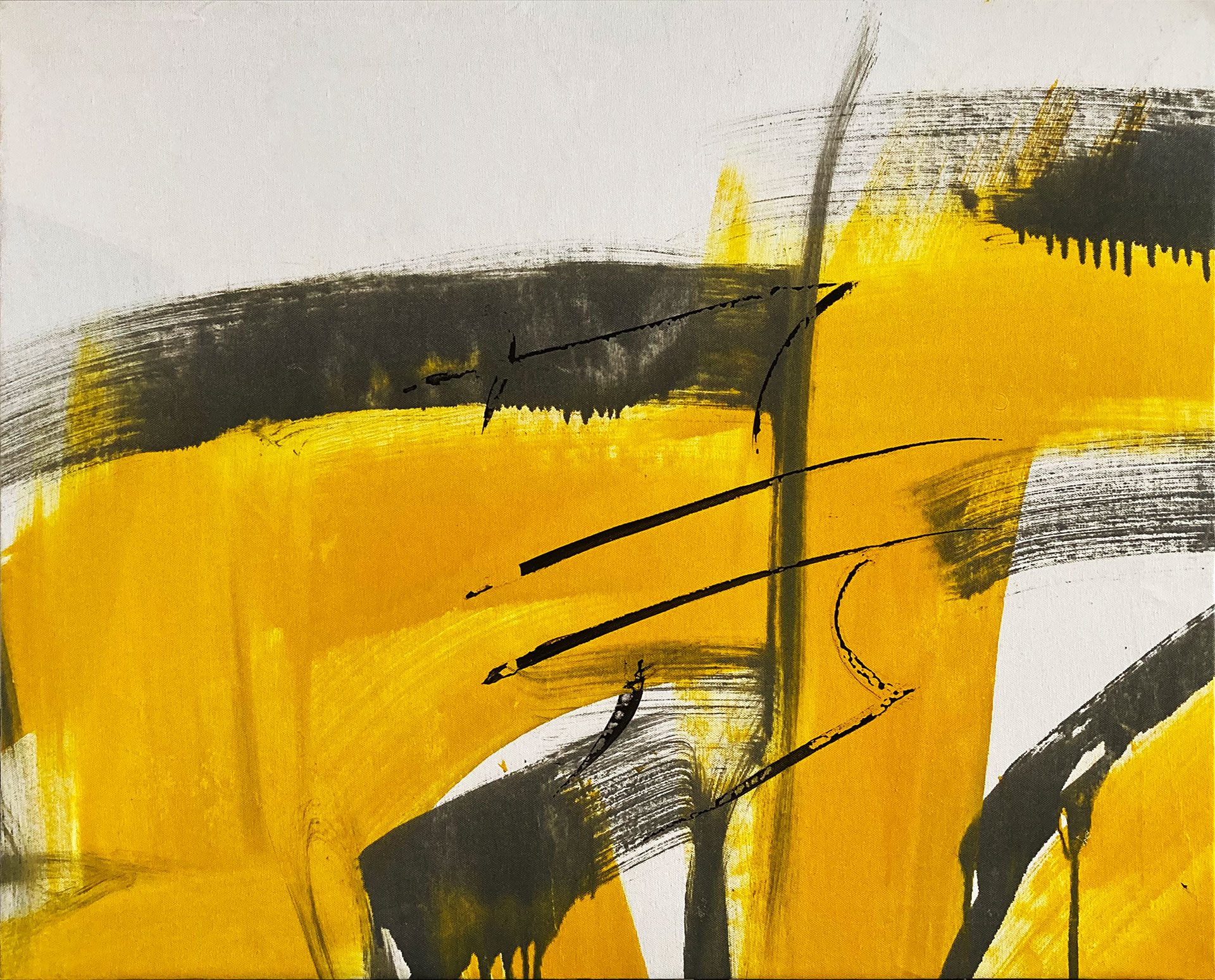
Works on display
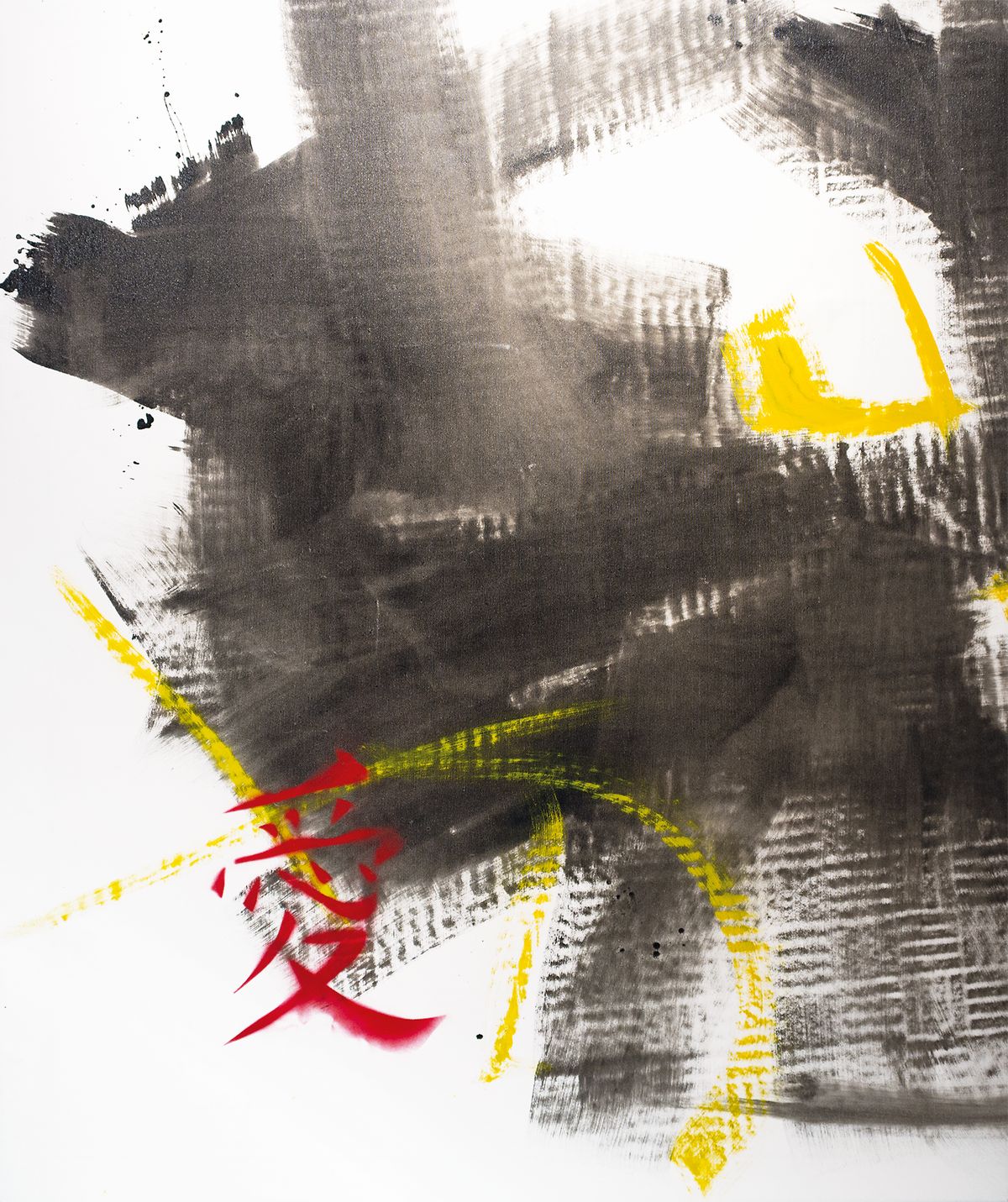
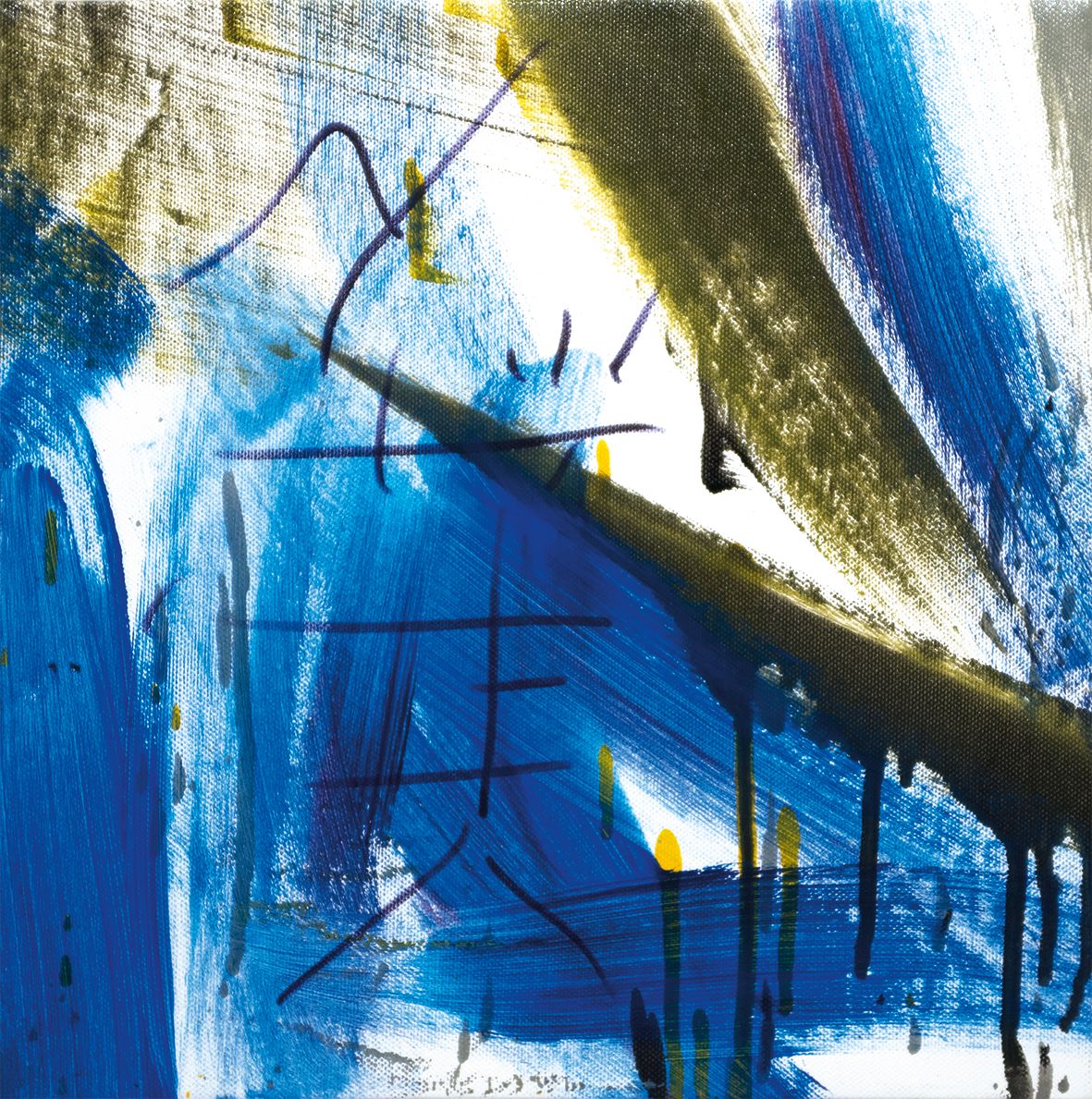
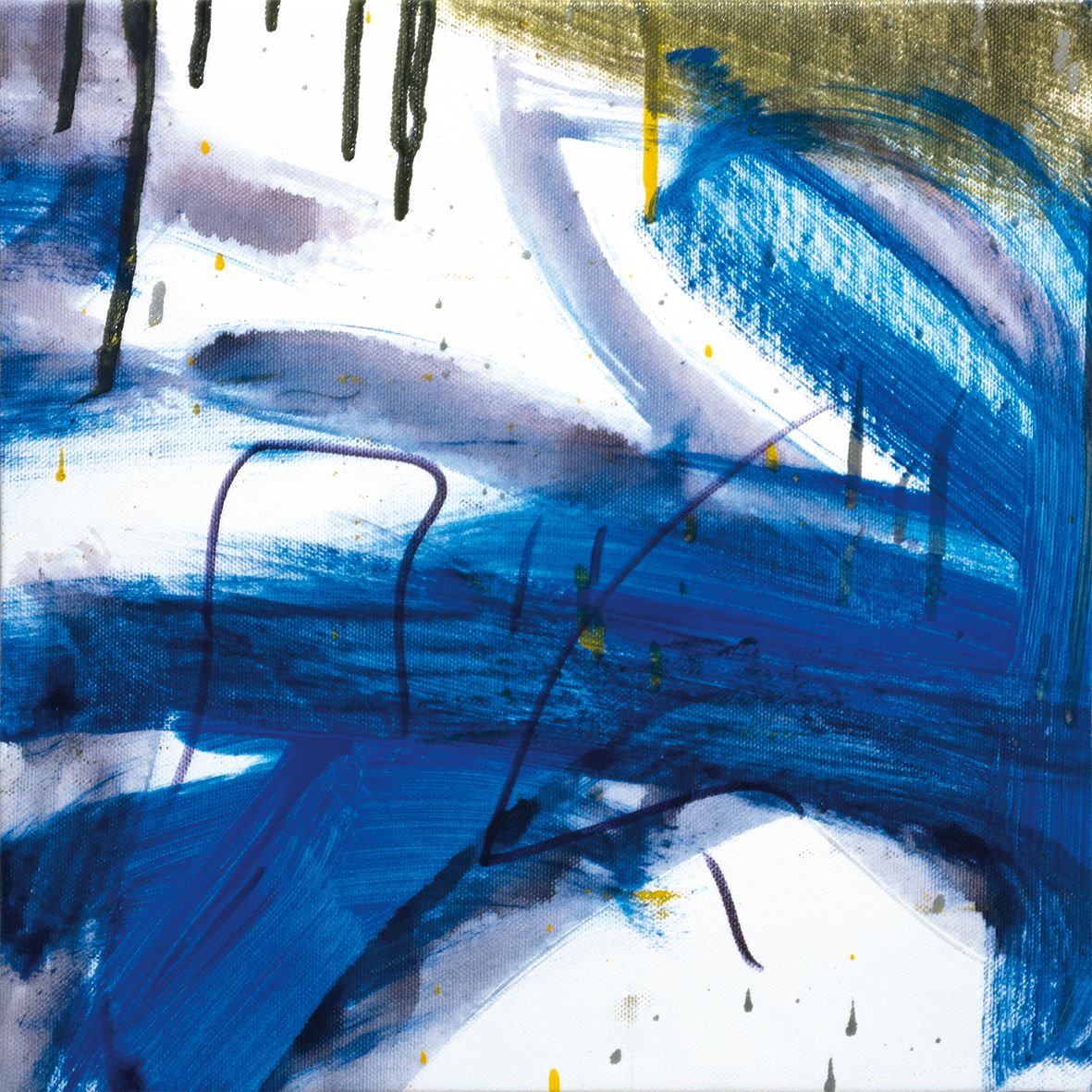
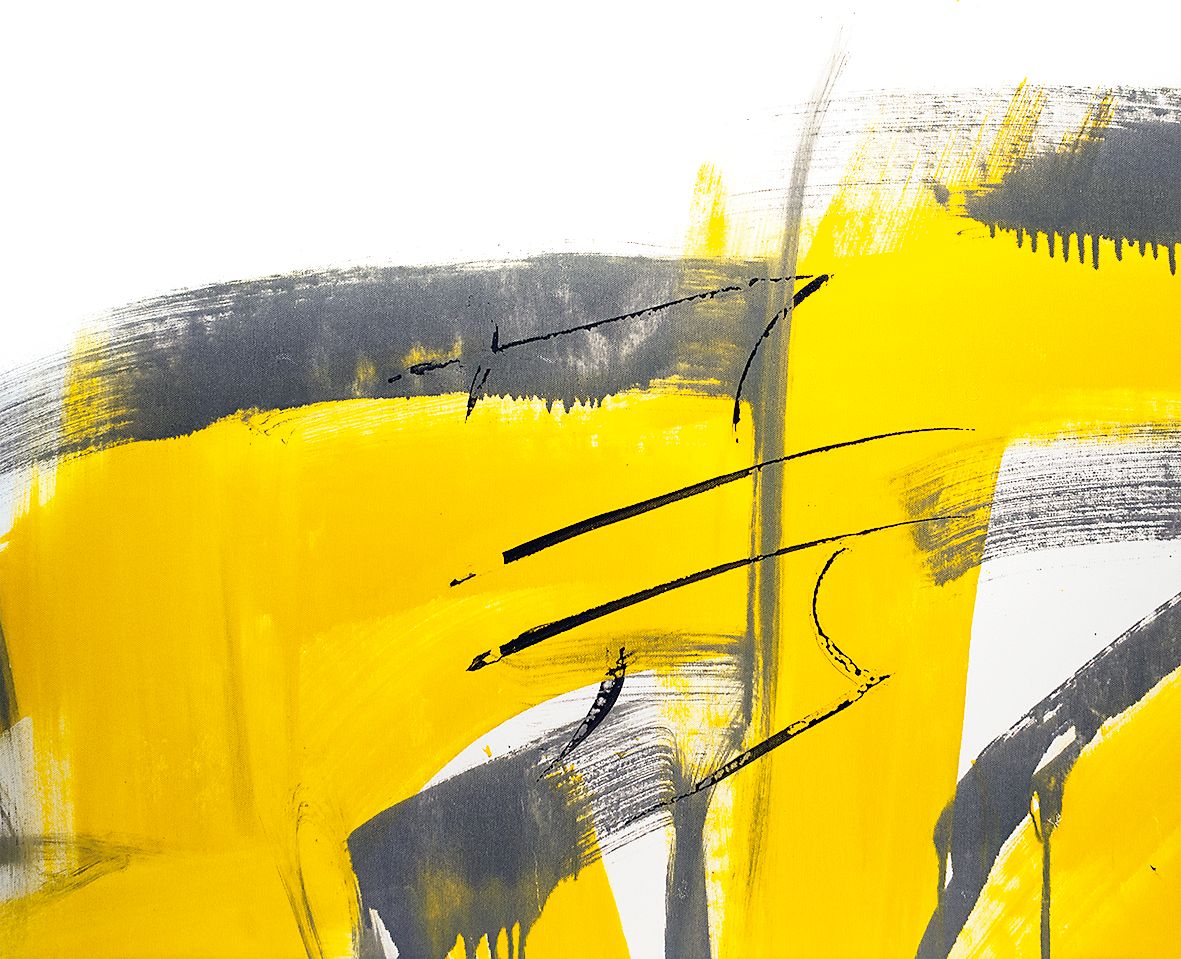
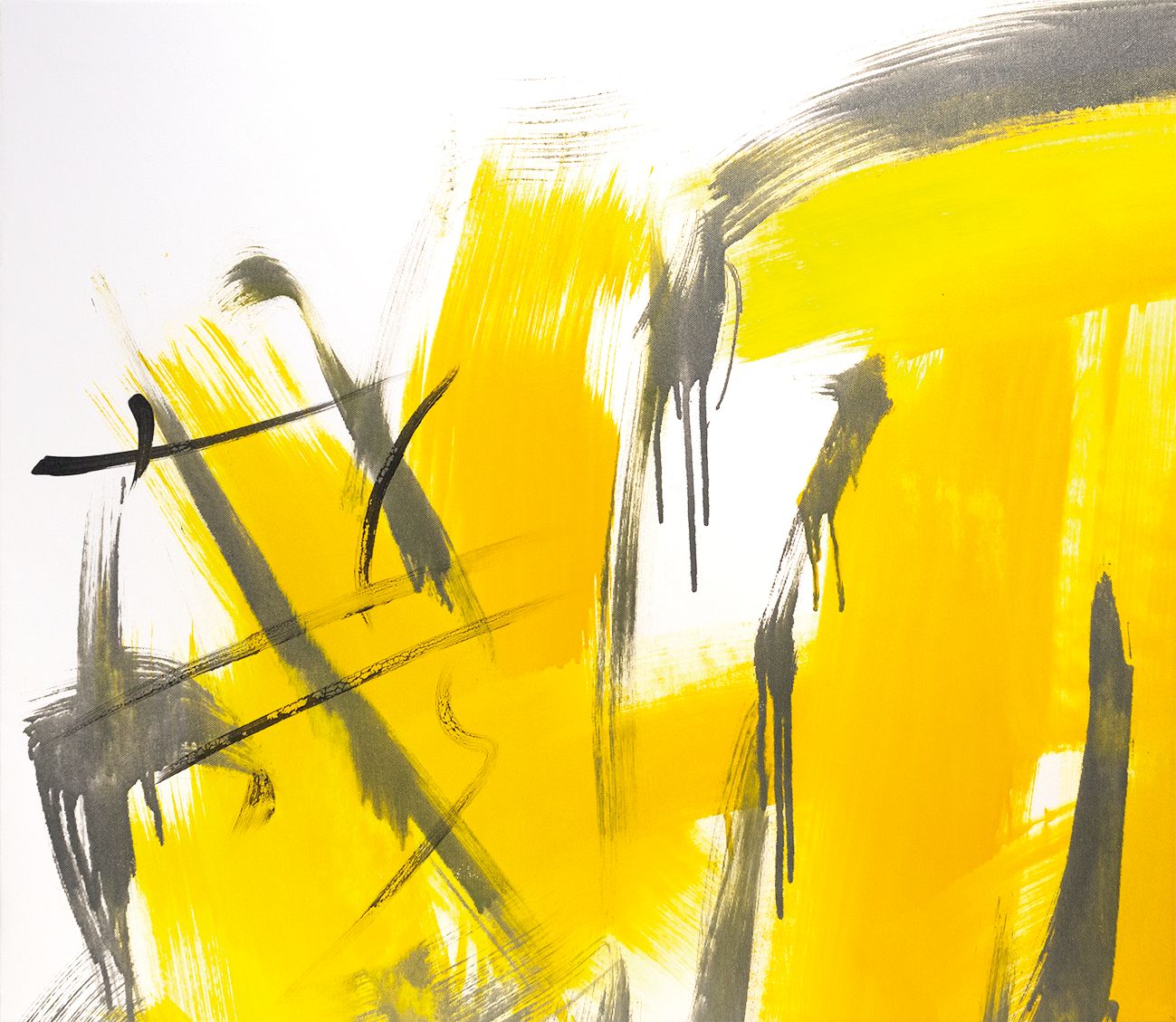
![Chu [impegno e lealtà], 2020, Smalto industriale su tela, 110x82cm](/data/img/work/KMDYWMA.jpg)
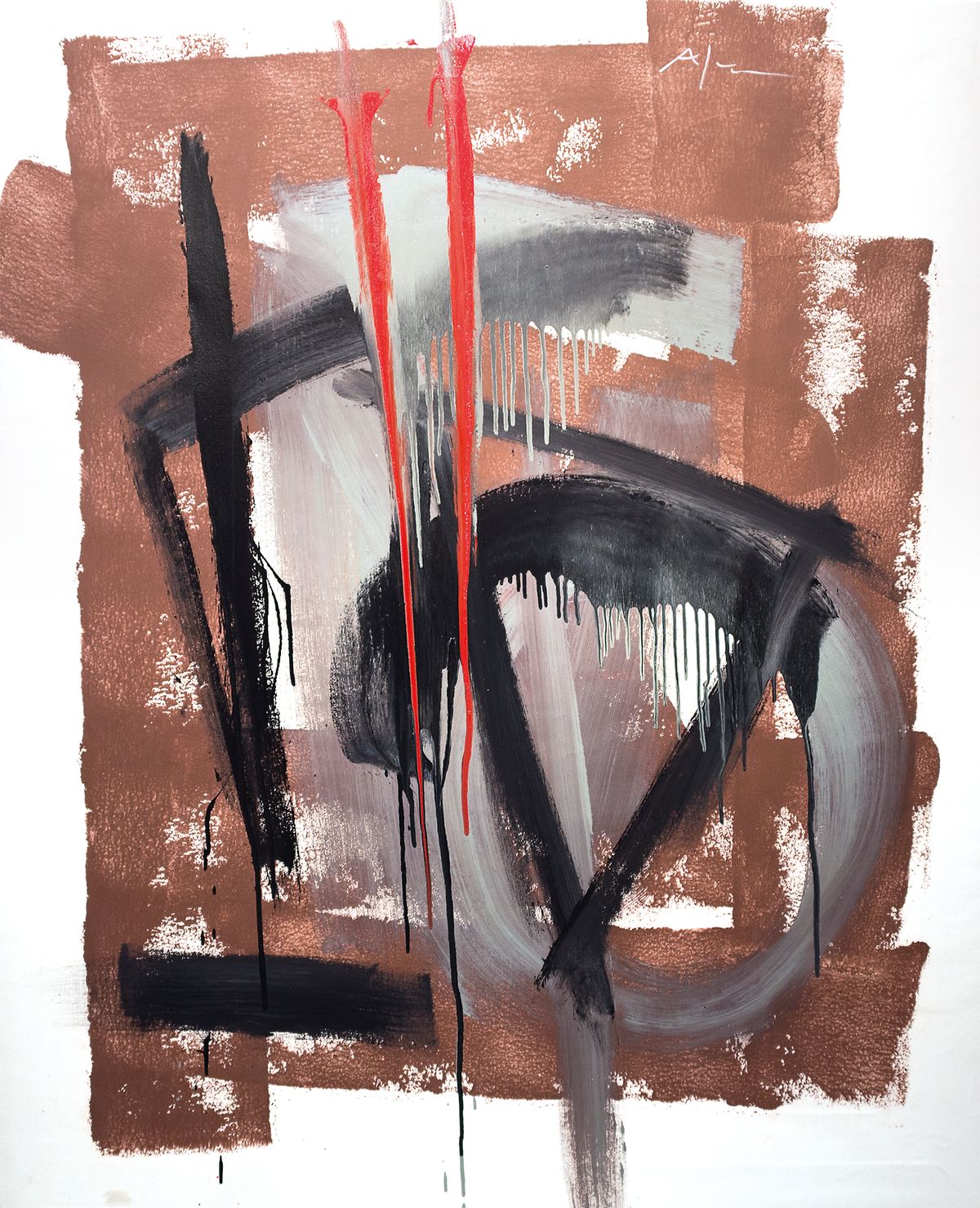
![Ma Koto - Rei [onesta e sincerità - rispetto], 2020, Smalto industriale su tela, 90x70cm](/data/img/work/KMDPWML.jpg)
![Meiyo [onore], 2020, Smalto industriale su tela, 85x95cm](/data/img/work/KMDHWMK.jpg)
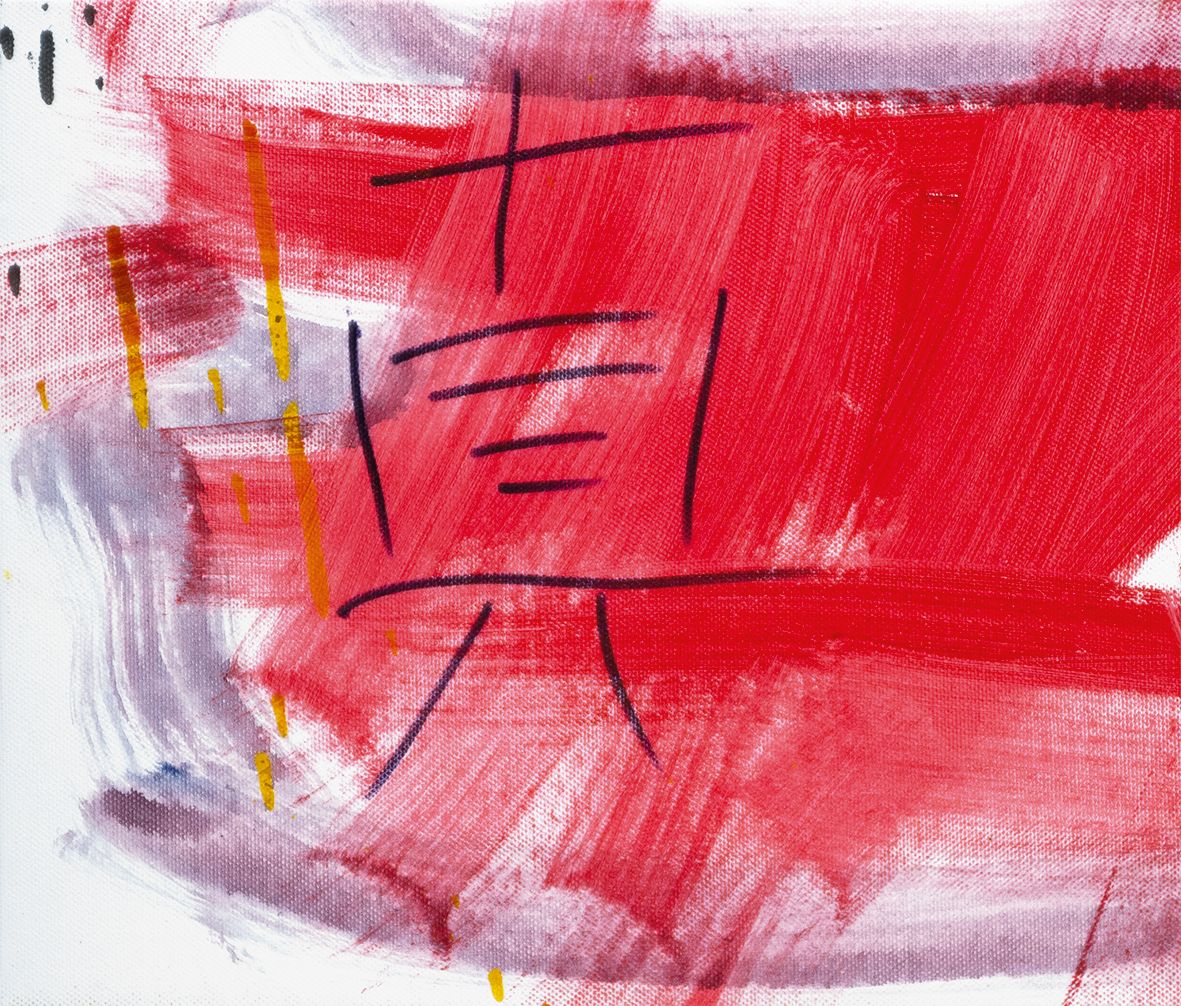
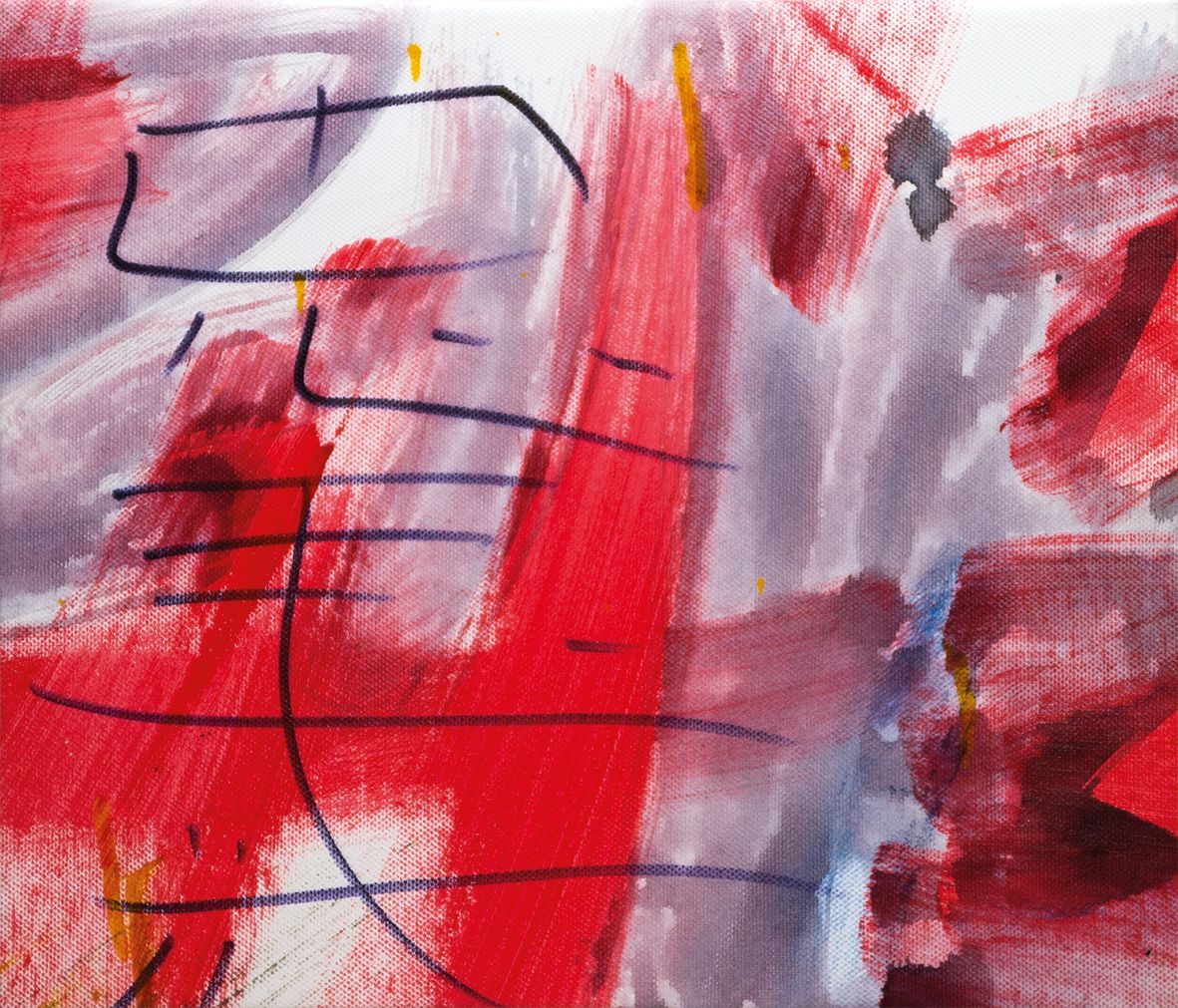
![Rei [rispetto], 2020, Smalto industriale su tela, 60x60cm](/data/img/work/KMDDWMC.jpg)
![Rei [rispetto], 2020, Smalto industriale su tela, 70x70cm](/data/img/work/KMDEWMF.jpg)
![Yu [coraggio eroico], 2020, Smalto industriale su tela, 70x70cm](/data/img/work/KMDZWMR.jpg)
![Yu Meiyo [Coraggio eroico-onore], 2020, Smalto industriale su tela, 100x110cm](/data/img/work/KMDIWMU.jpg)
Artists
Curators
360
It is wise to consider the world as a dream. When we have a nightmare, we wake up and tell ourselves it was just a dream. It is said that the world we live in is no different. (Bushidō)
Under the title “Open Dreams of Language,” the artist presents a series of recent works created during the pandemic period. For years, the artistic research has rejected a classical way of viewing the world, instead proposing a mysterious and ambiguous image that expresses the unease of modern humanity before a profoundly hostile nature. The works seem to accompany us through the continuous flow of life and seasons, reflected in abstract and blurred images like twilight vapors—a diffusion of joyful lights and colors or darker tones marking the slow but inevitable passage of time. The pictorial world is an organism of colors: dazzling yellows blended with grays, soft blacks crossed by blues and energetic reds, with brushstrokes flowing like currents for the viewer while the space vibrates with emotion. This time, on the pictorial base, the artist has inserted words from the Japanese ideogram alphabet of bushidō, emphasizing the ethical importance of words in such a moment.
In the West, bushidō is often confused with martial arts, but it is actually an “ethical and moral code,” a kind of alphabet underlying every aspect of life. It is a way to know oneself—a philosophy of life suggesting that our universe does not exceed the bounds of our mind but probes every aspect of our inner essence, measuring the limits of our capacities. By exploring the depths of the unconscious, it allows knowledge and creativity to surface. The words chosen—“Love,” “Virtue,” “Honor,” “Courtesy,” “Courage”—thus free themselves from verbal meaning and use letters as graphic elements, expressing the concepts embodied in the works. This approach explores how language can penetrate the deepest layers of the viewer’s perception.
These works represent a fascinating journey through the ethics of nature, where dreams of the past foreshadow the allure of future dreams, and color does not erase but transforms them into poetry.
Massimo Scaringella
