Artists
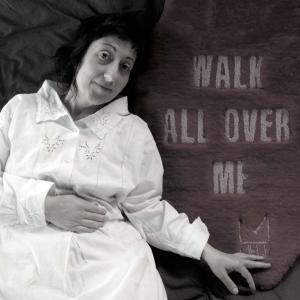

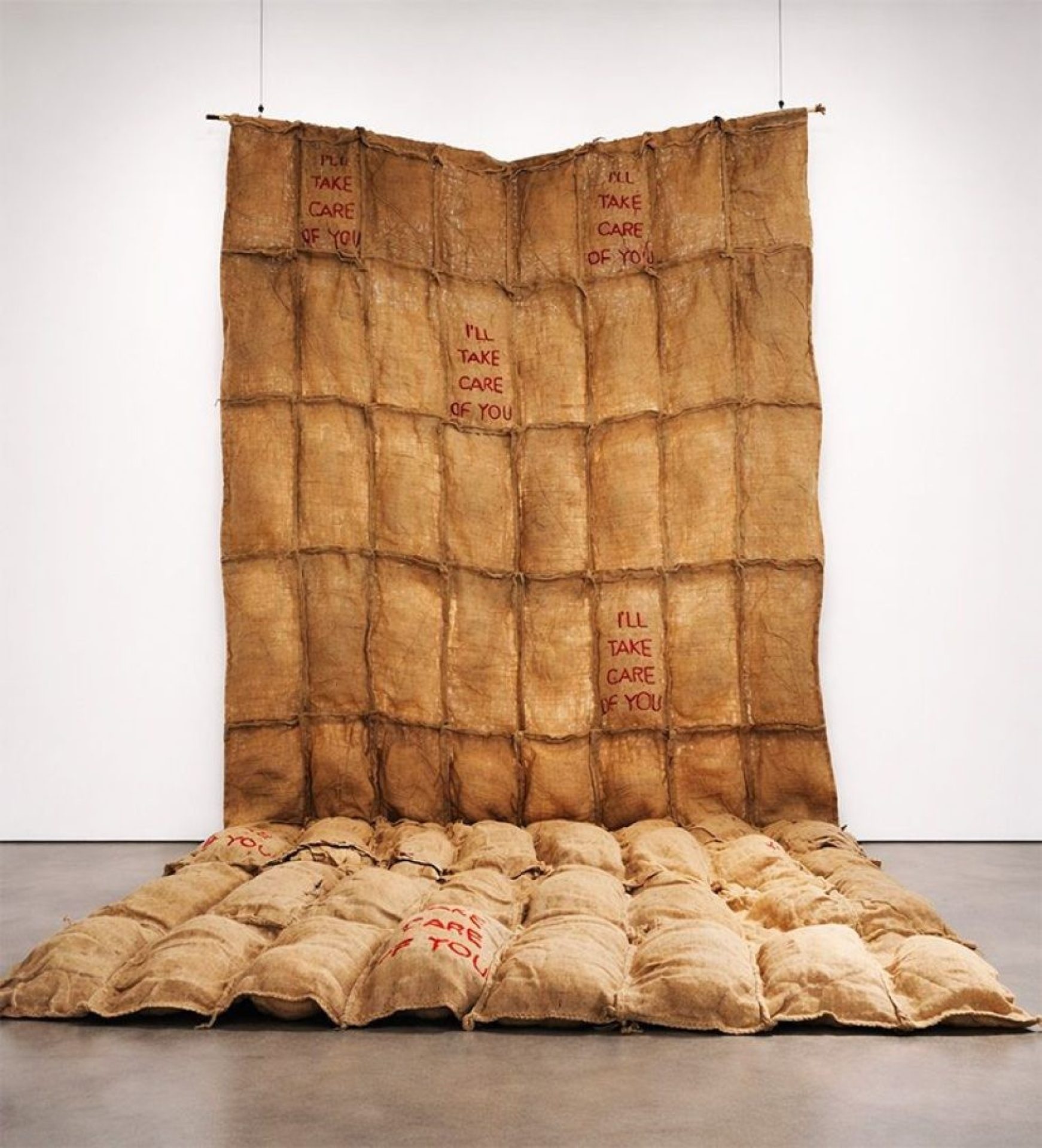
Practices for peace takes shape as a suspended space in which matter, body, and imagination meet in a constant tension between vulnerability and transformation.
The installations in dialogue share the same urgency: to question the possibility of peace not as a given state, but as a fragile, everyday practice to be built and rebuilt.
In this context, softness, care, and gesture become central languages. Organic, textile, and transformed materials activate a direct relationship with the visitor’s body, inviting them not only to observe, but to inhabit the space, entering a sensory dimension made of proximity, listening, and attention. The exhibition moves through ambiguous territories, where signs of protection and traces of violence coexist, generating perceptual and emotional short circuits. What appears welcoming may reveal itself as exposed; what evokes fragility may contain an unexpected strength. In this oscillation, the works open spaces for reflection on the contemporary condition, challenging linear narratives and clear-cut oppositions. Time takes on a fundamental role: slowing down becomes a necessary act, a political gesture. Repetition, care, manual making, and the transformation of matter restore value to often invisible processes linked to memory, transmission, and reconstruction.
Practices for peace does not propose a definitive vision, but activates a field of possibilities. It presents itself as a form of training, a gradual and imperfect approach to a possible condition of peace. It invites us to dwell within complexity, to embrace contradiction, and to recognize in relationship, contact, and shared vulnerability a possible form of resistance.
