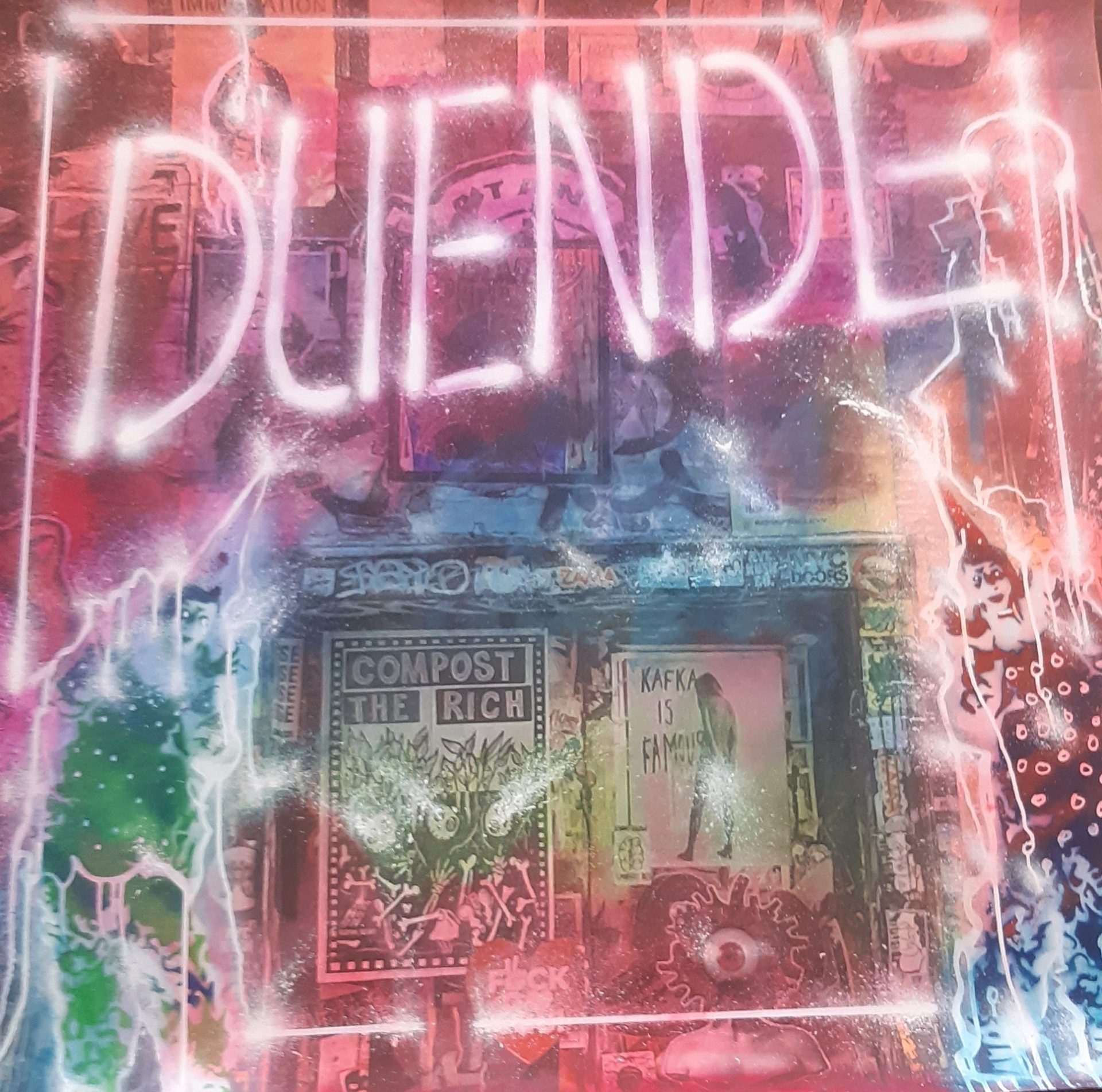
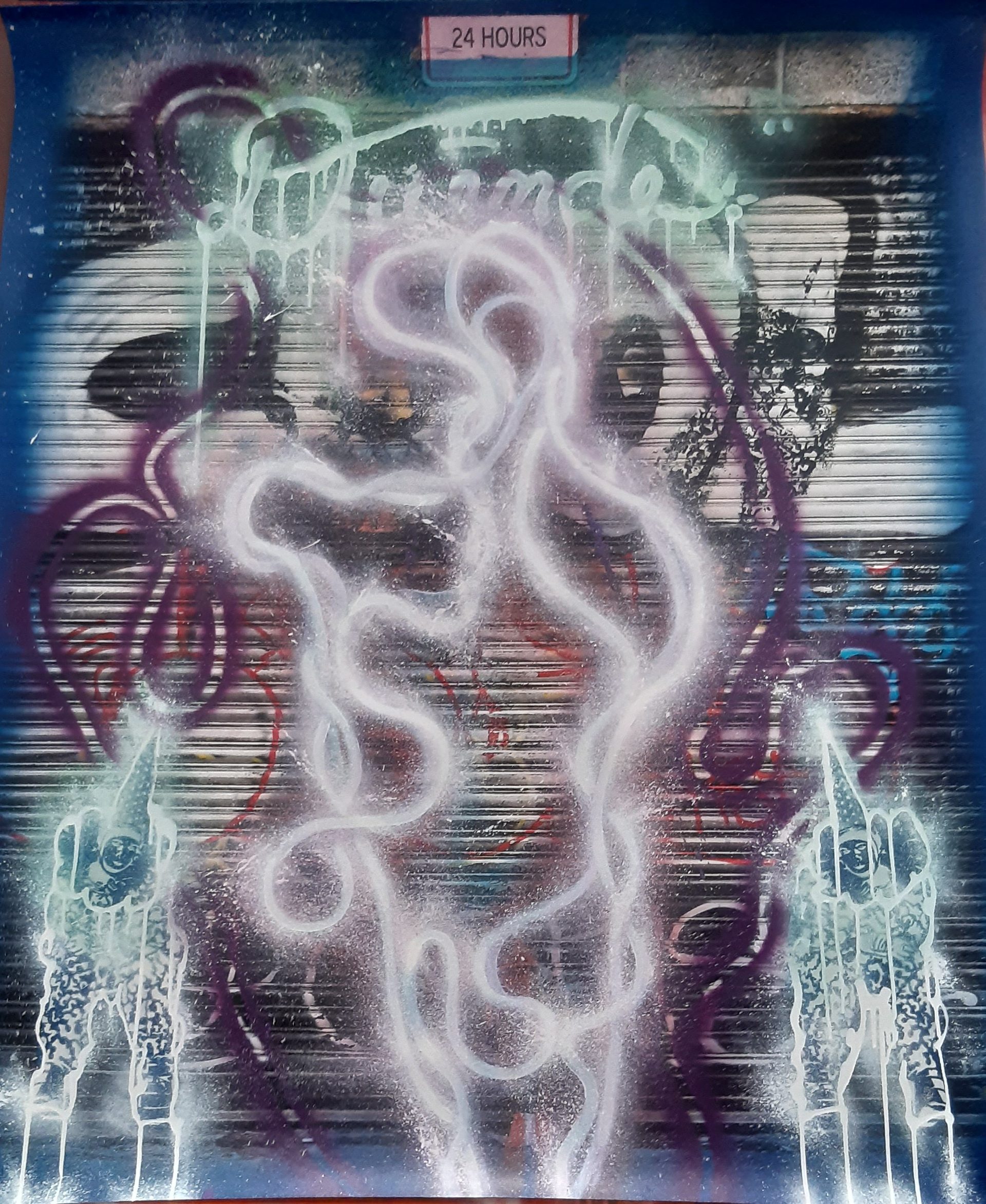
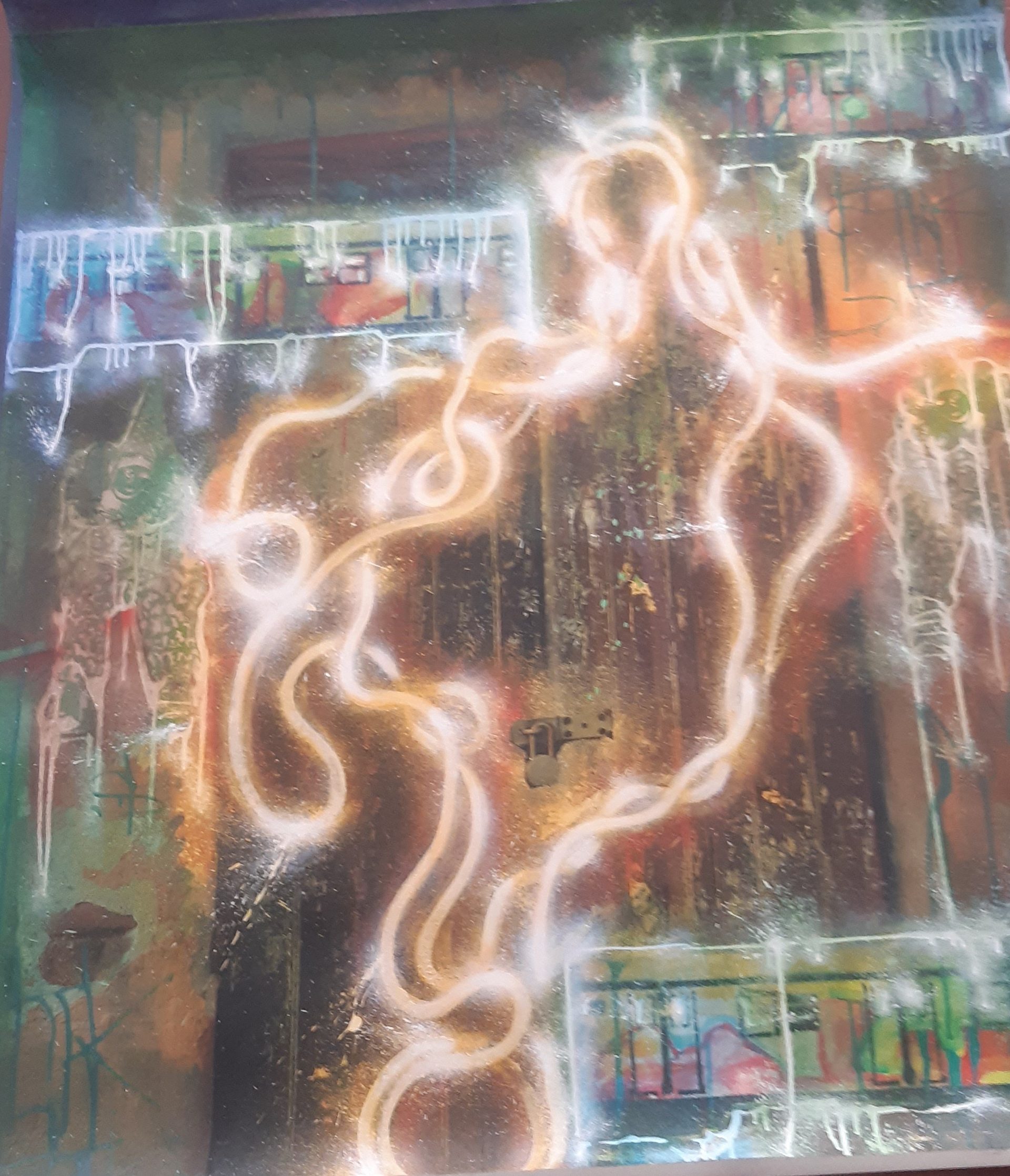
Works on display
Artists
360
“… Creation lives as genesis beneath the visible surface of the work.”
Paul Klee
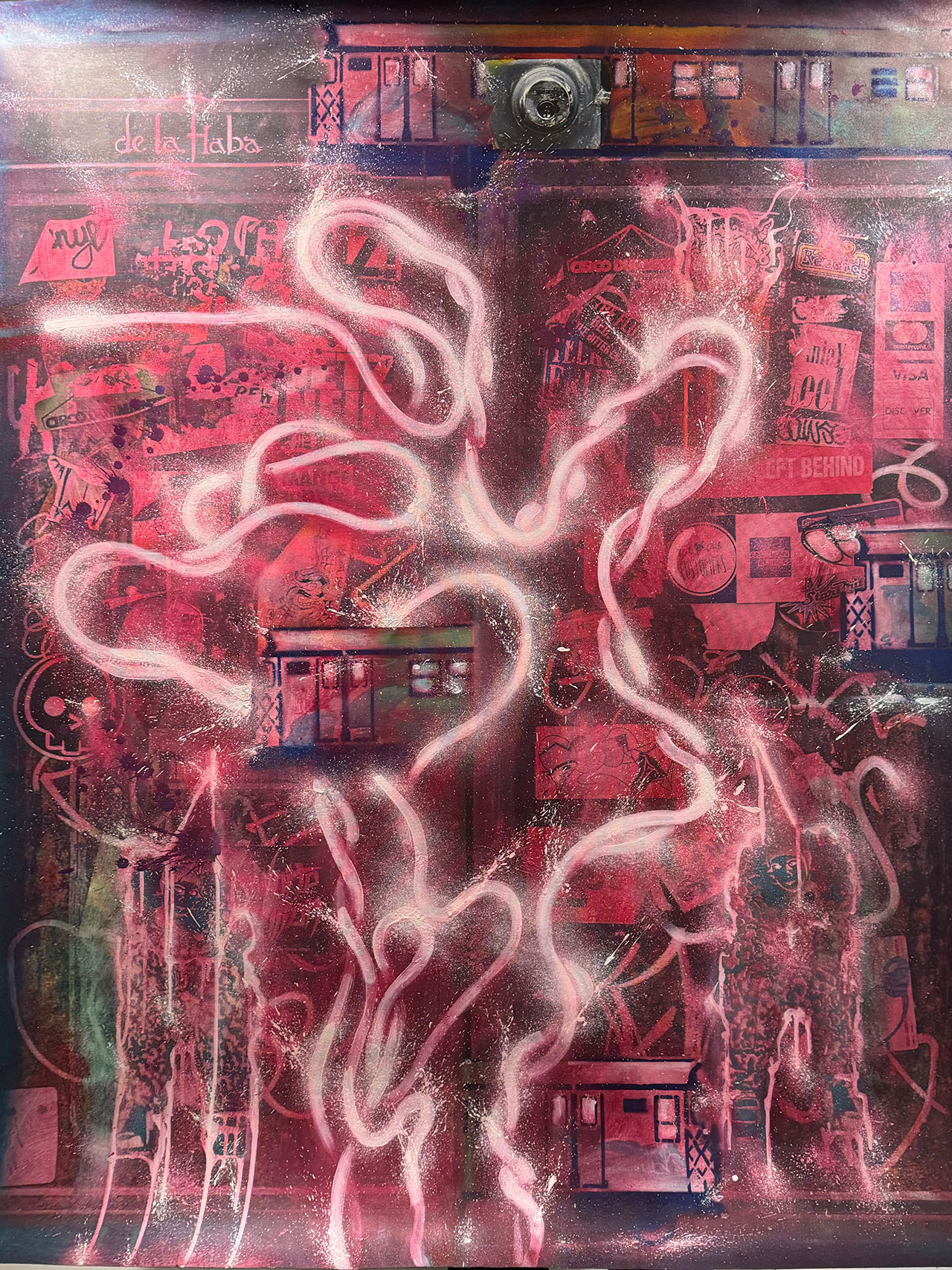
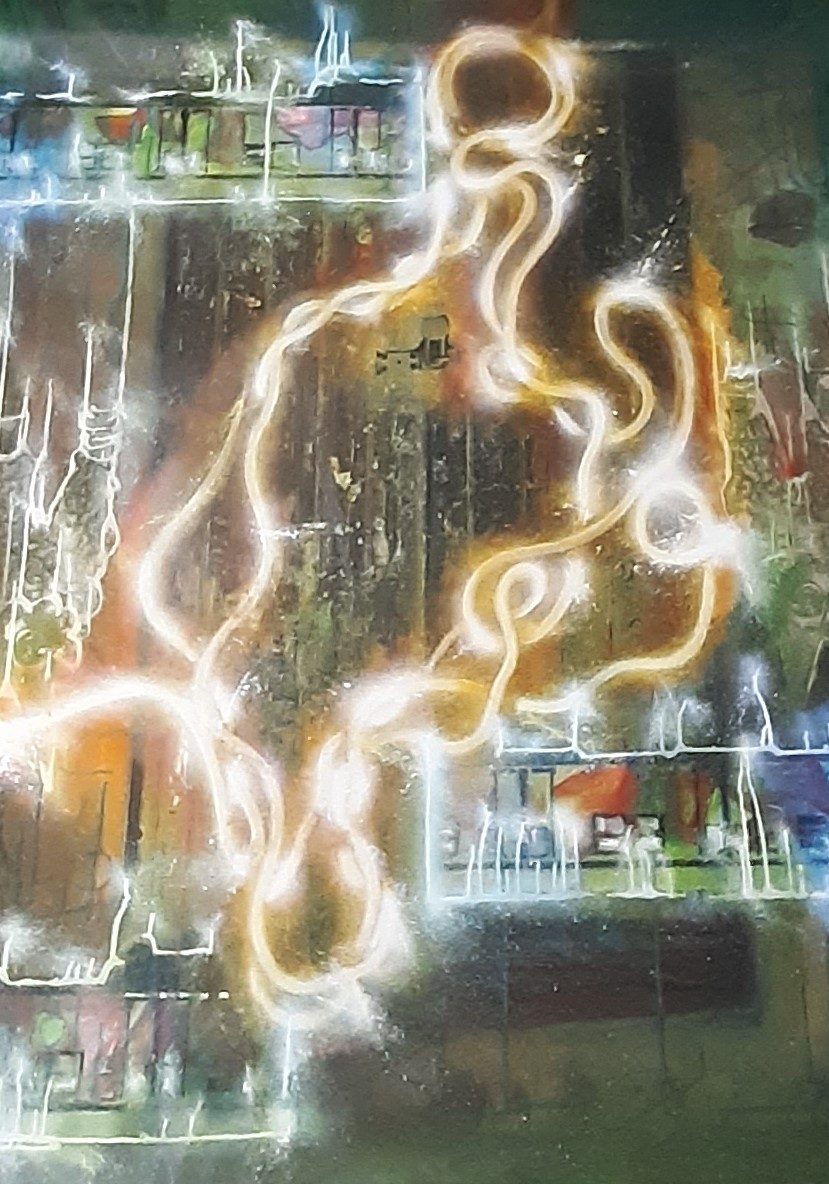
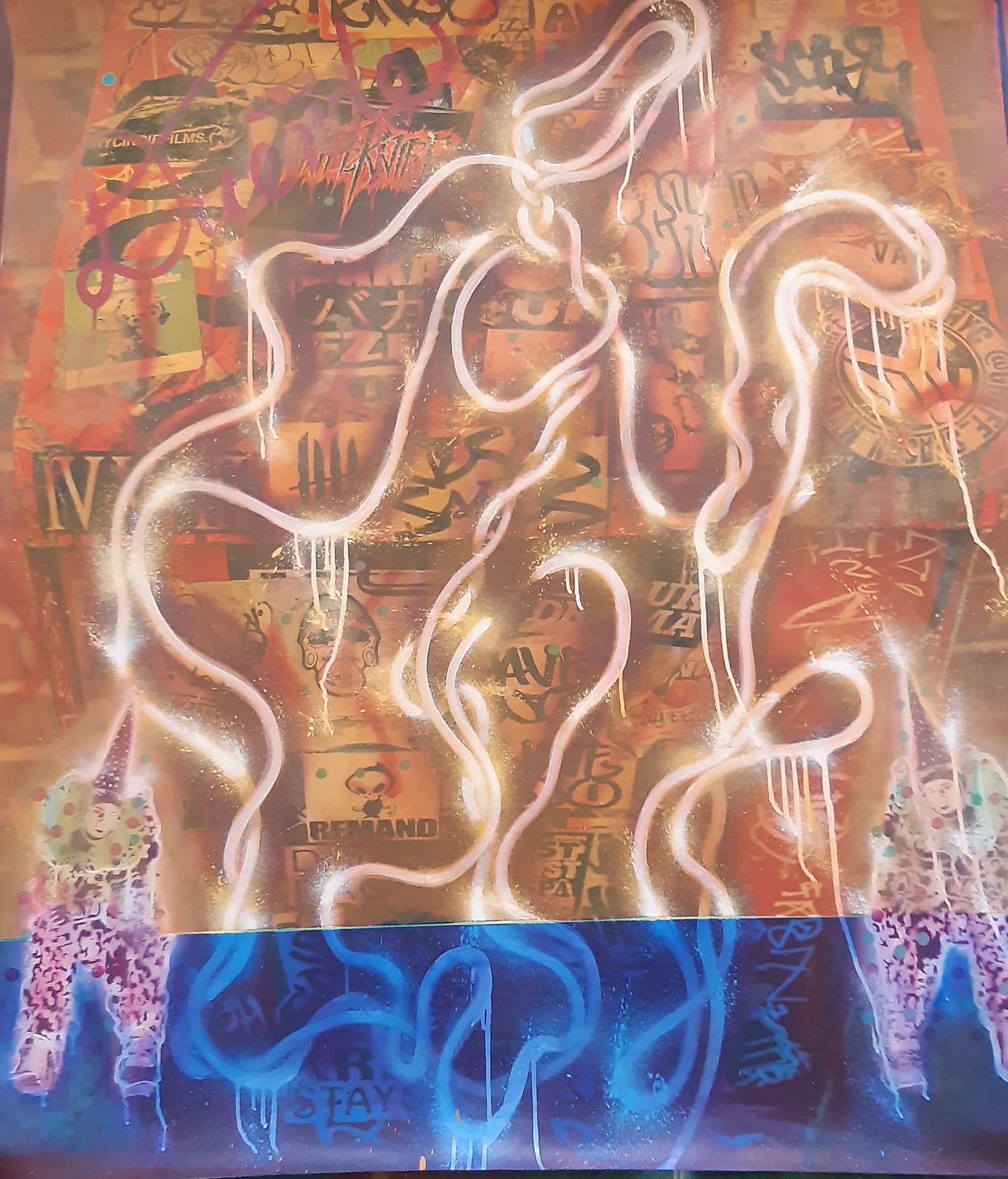
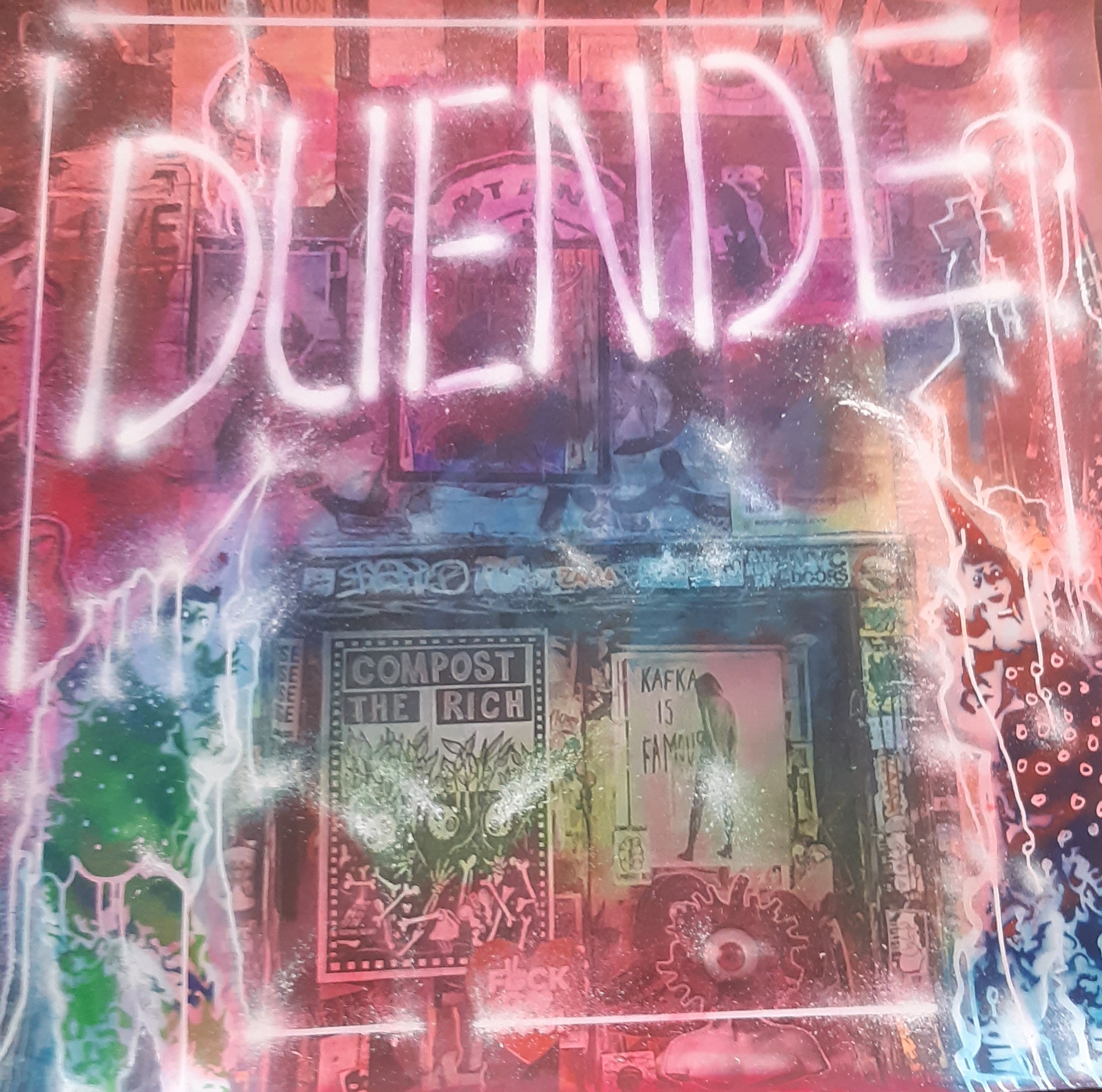
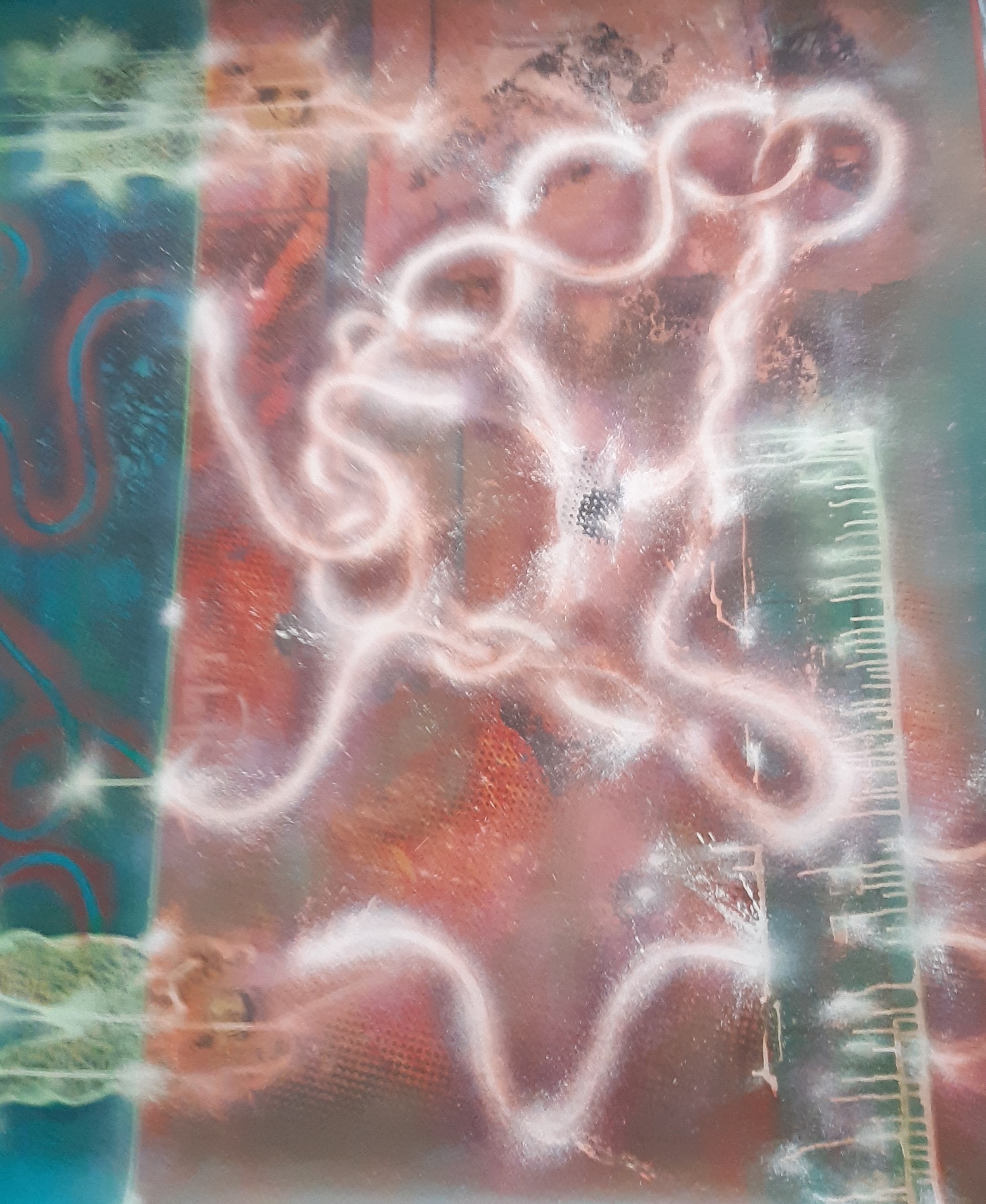
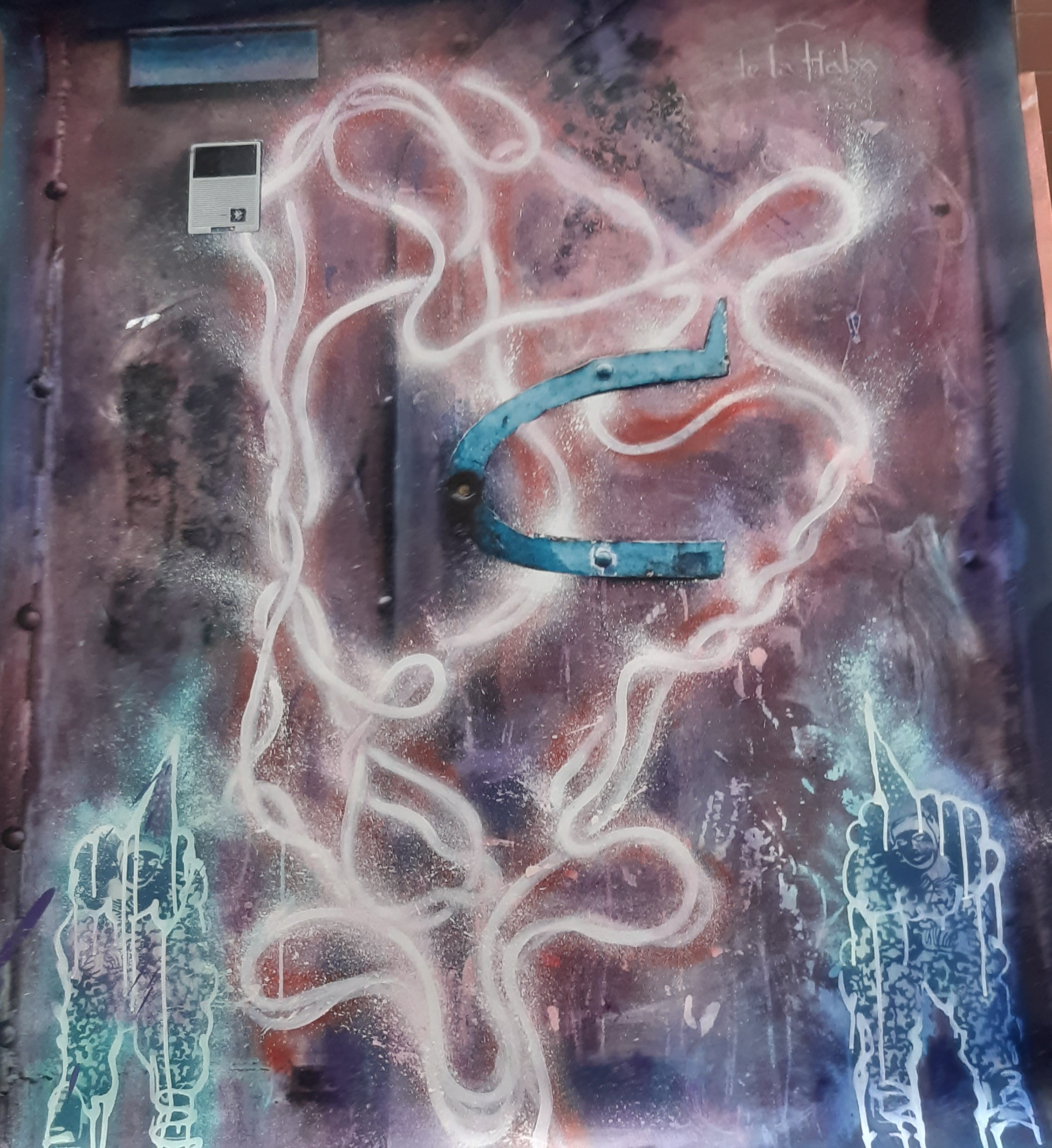
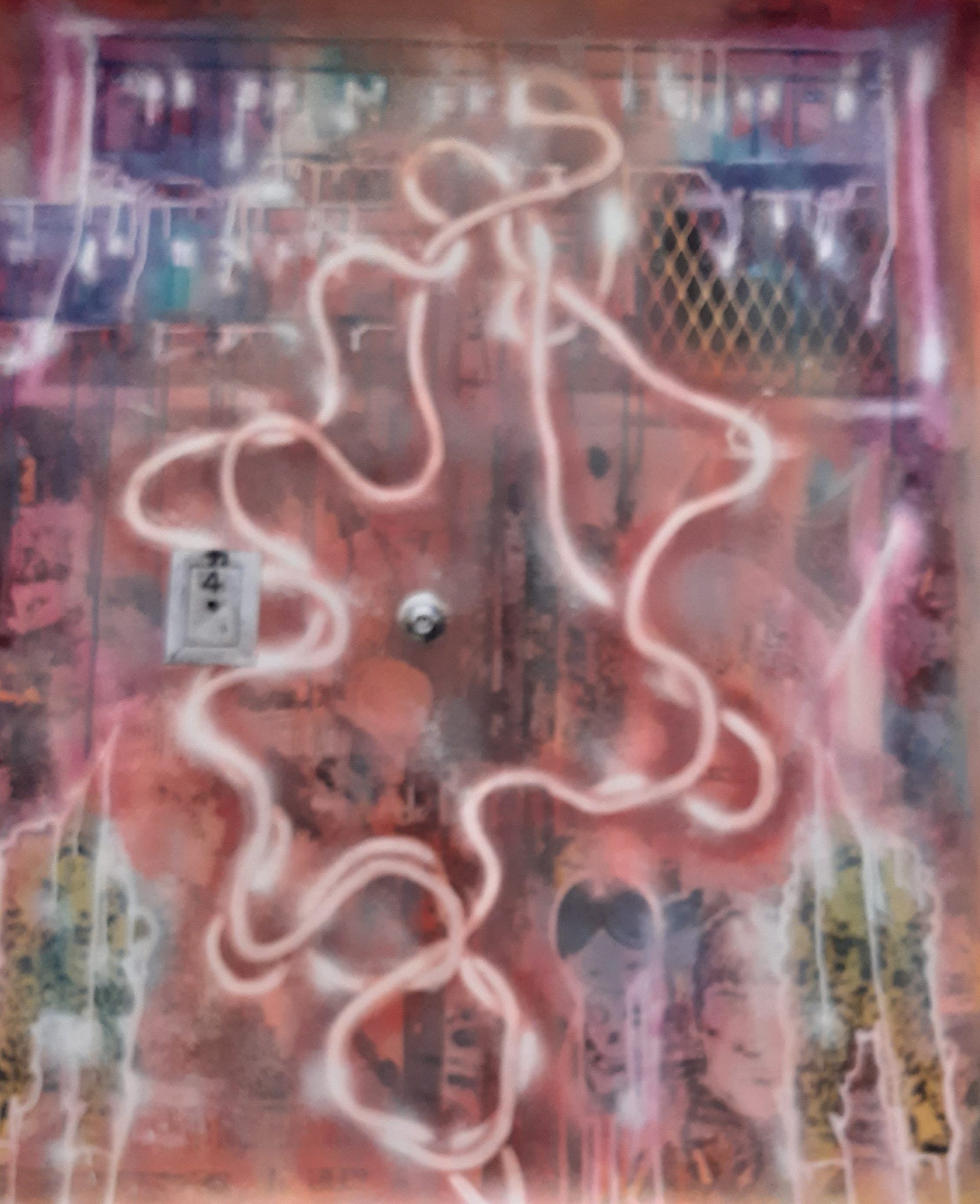
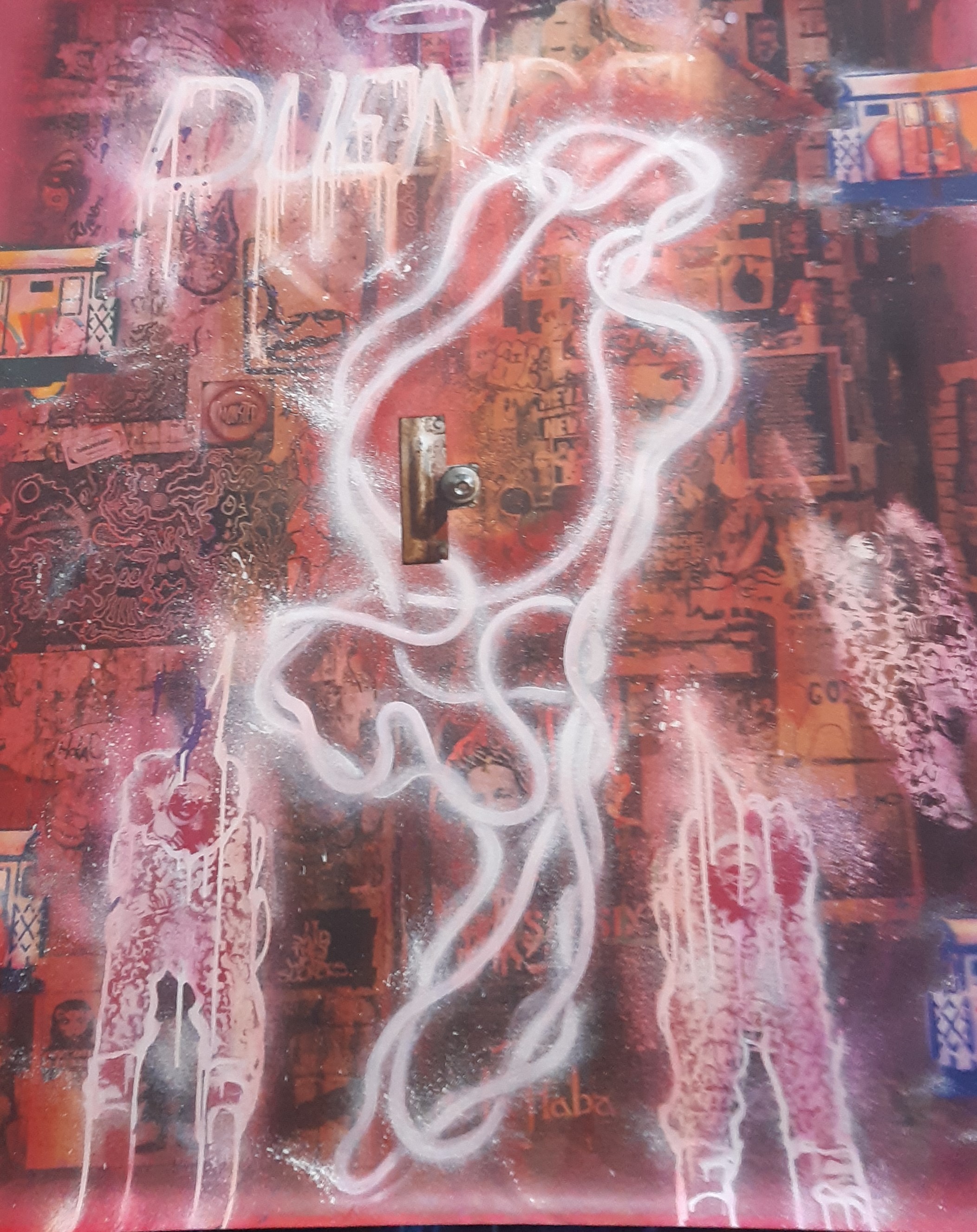
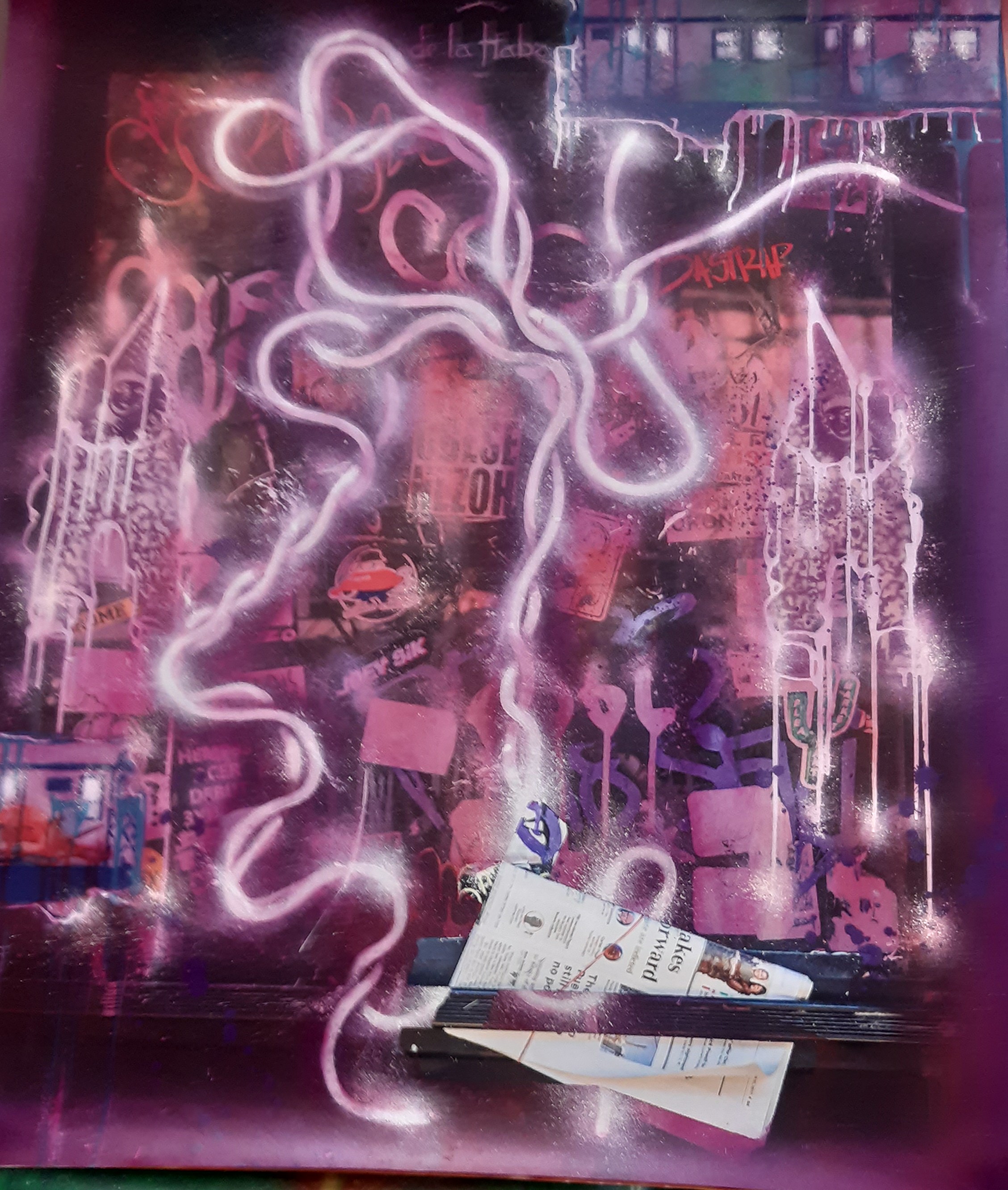
In his first solo exhibition in Rome, the artist presents “Light Tensions”, a series of works created specifically for this occasion. Through them, he establishes a dialogue with life, evolving the act of seeing beyond aesthetic expression into a fantastical condition of privilege. As Leonardo da Vinci once said, “painting is a mental thing”; and this statement finds a modern echo here. What is painting without color, and color without light? Daylight, the electric lights of night, the neon glow—all become central elements of the creative process. By incorporating digital and virtual technologies, the canvas is reimagined as a field of truth and light. The elements do not float upon it but merge within its fabric in an interactive dynamic. When traces of New York’s walls are absorbed, the works seem to whisper “back to the future.” When linked to comics and street art, one realizes that there are no lesser arts, only a higher vision. His works express a visual essentiality—apparently chaotic, yet structurally bound to an ironic, colorful view of life. With unrestrained gesture and vibrant emotion, the compositions reveal a structured thought transformed into form, turning desire and irony into expanded dimensions of time and space. Stains, swift marks, and bold colors struggle for spatial dominance, echoing the restless search for poetic and formal solutions. As Lacan wrote, “Art is always organized around the void of the impossible and the real.”
Yet once again, the gaze turns inward—to origins, to being—seeking the ideal gesture and form, balancing contradictions of proportion, color, word, and dreamlike signs to sublimate them. In this act, no concessions are made to style or audience; instead, the persistent chase of line across canvas manifests what truly exists. A poetic dimension emerges, where space, movement, rhythm, light, and vibration correspond to emotional landscapes of a dreamlike vision—where gesture is never mere instinct but a structured creative need.
In this phase, the artist seems to propose that art’s provocative idea lies in the anarchy of structure’s absence. Yet these works—filled with light and color—reflect a concrete vision of today’s world, enriched by cultural crossings encountered throughout a creative journey. Ultimately, art remains the essential bridge between human hope and poetry.
Gallery