Works on display
Artists
Curators
360
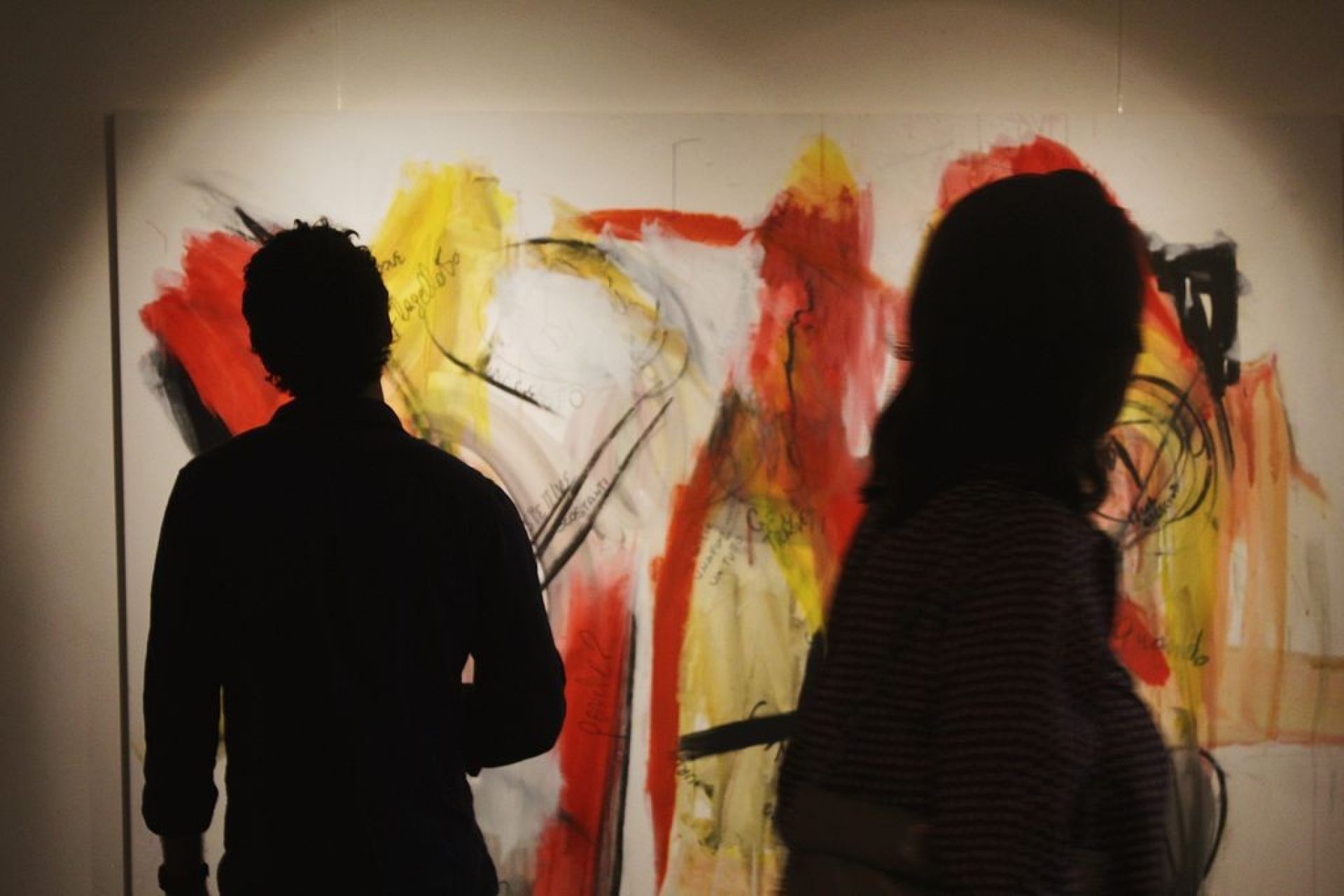
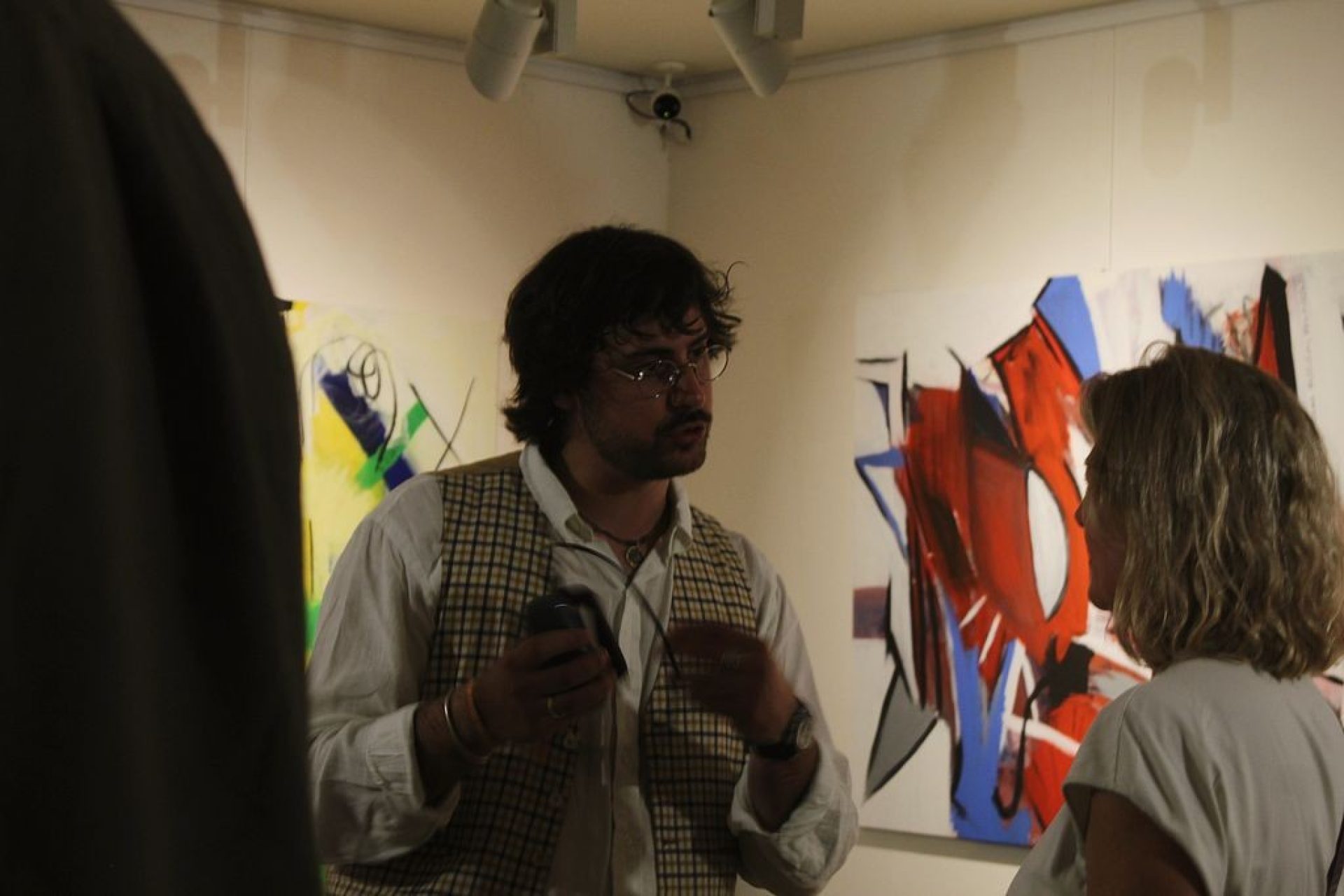
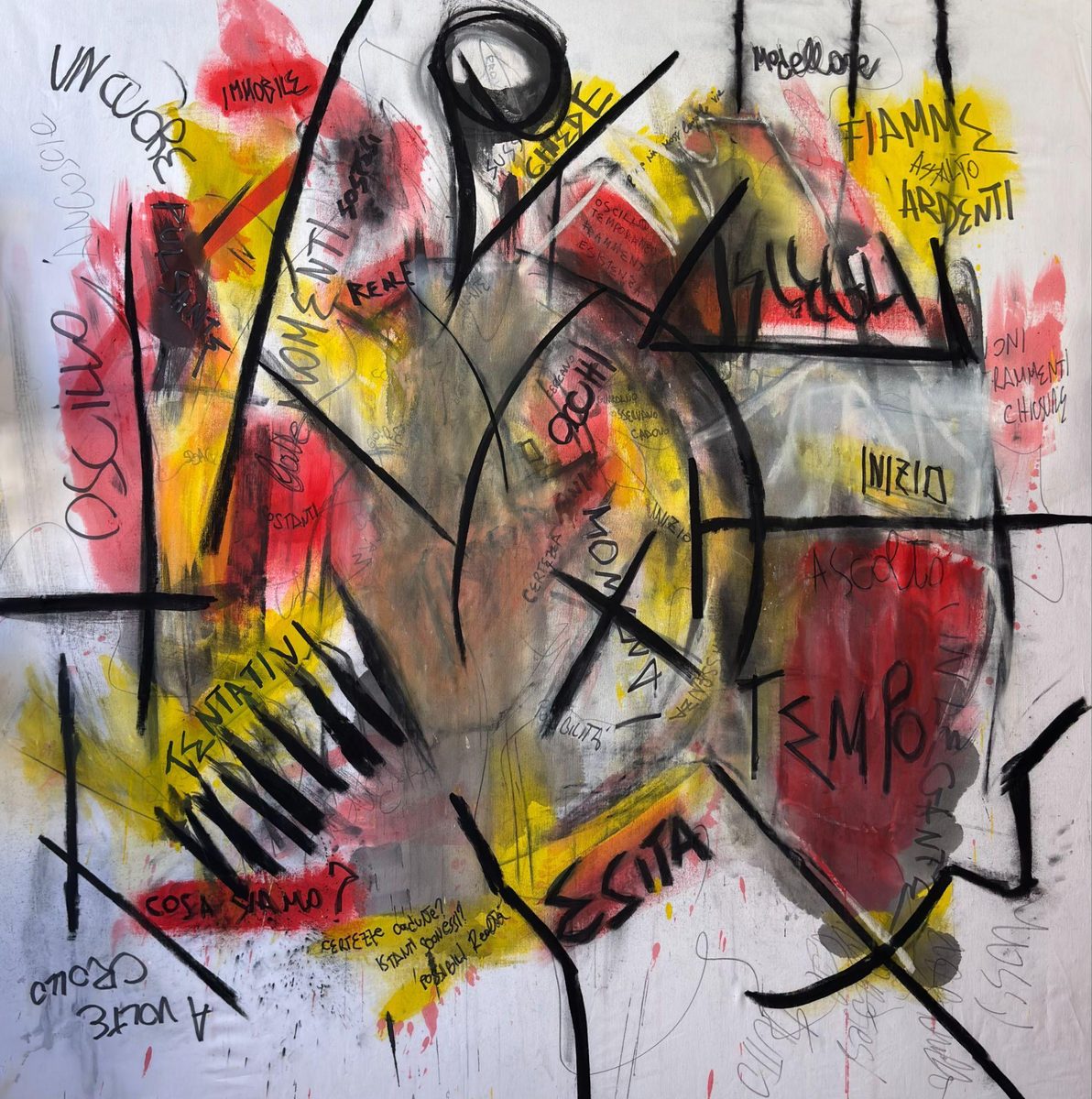
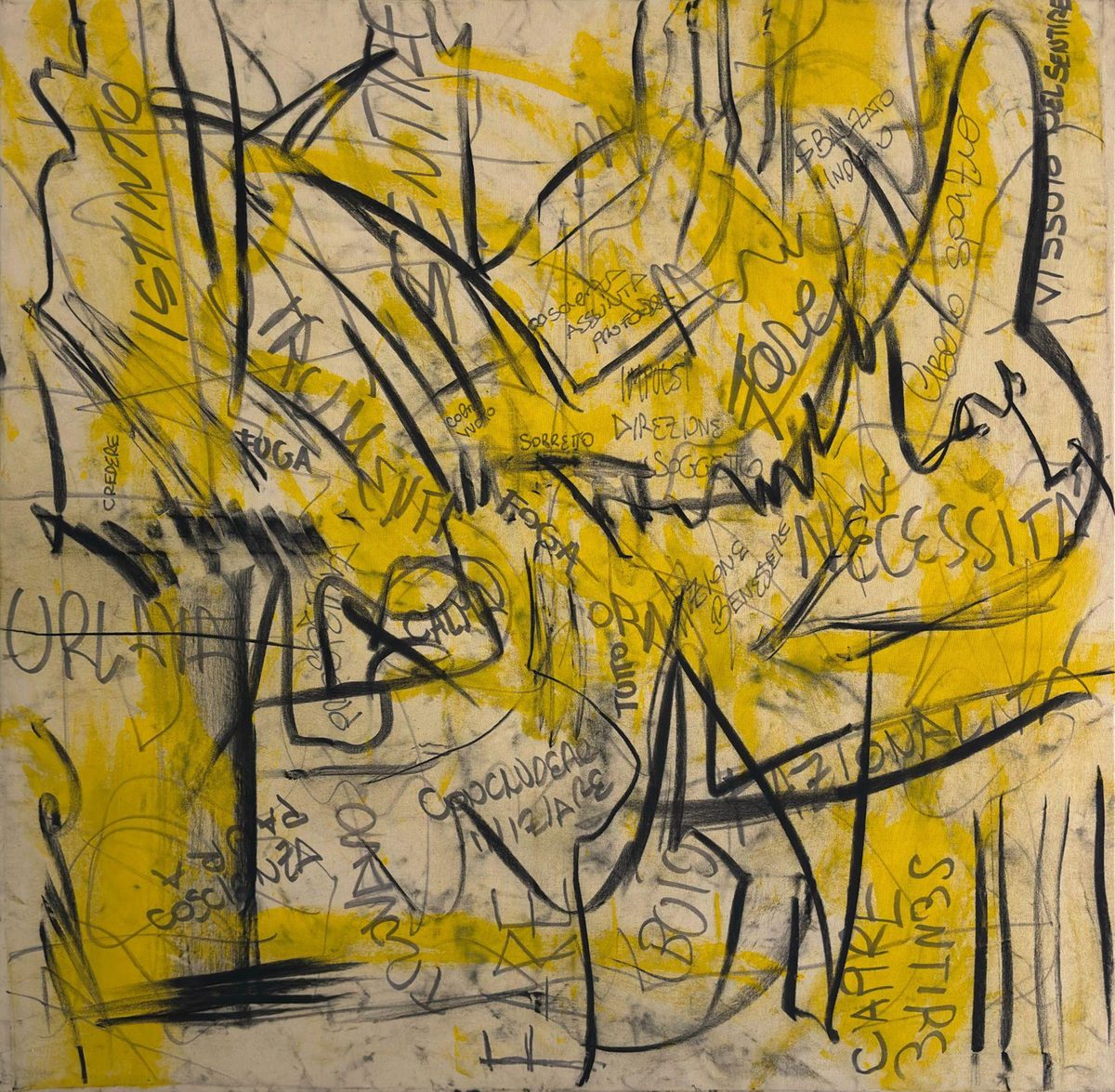
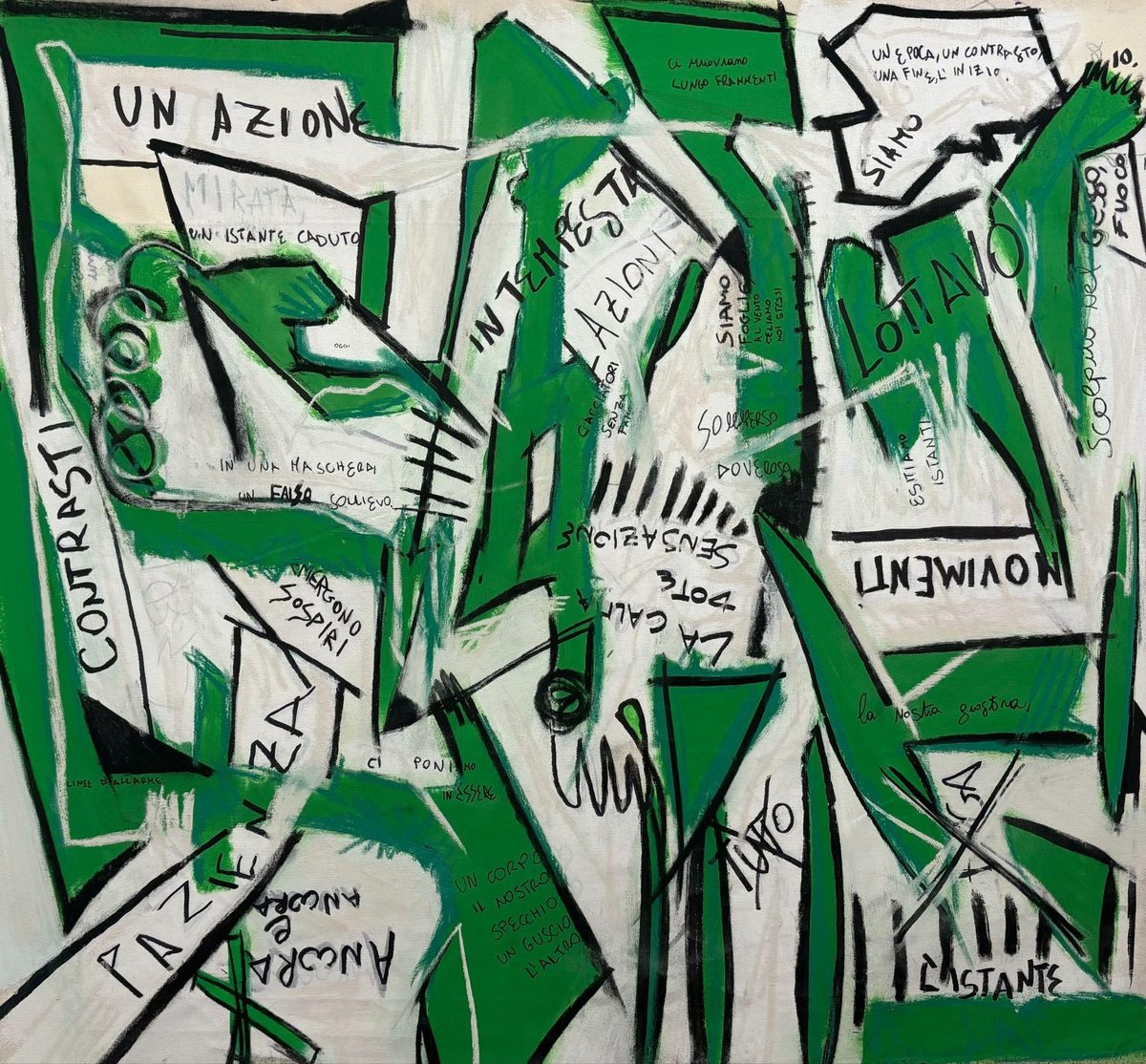
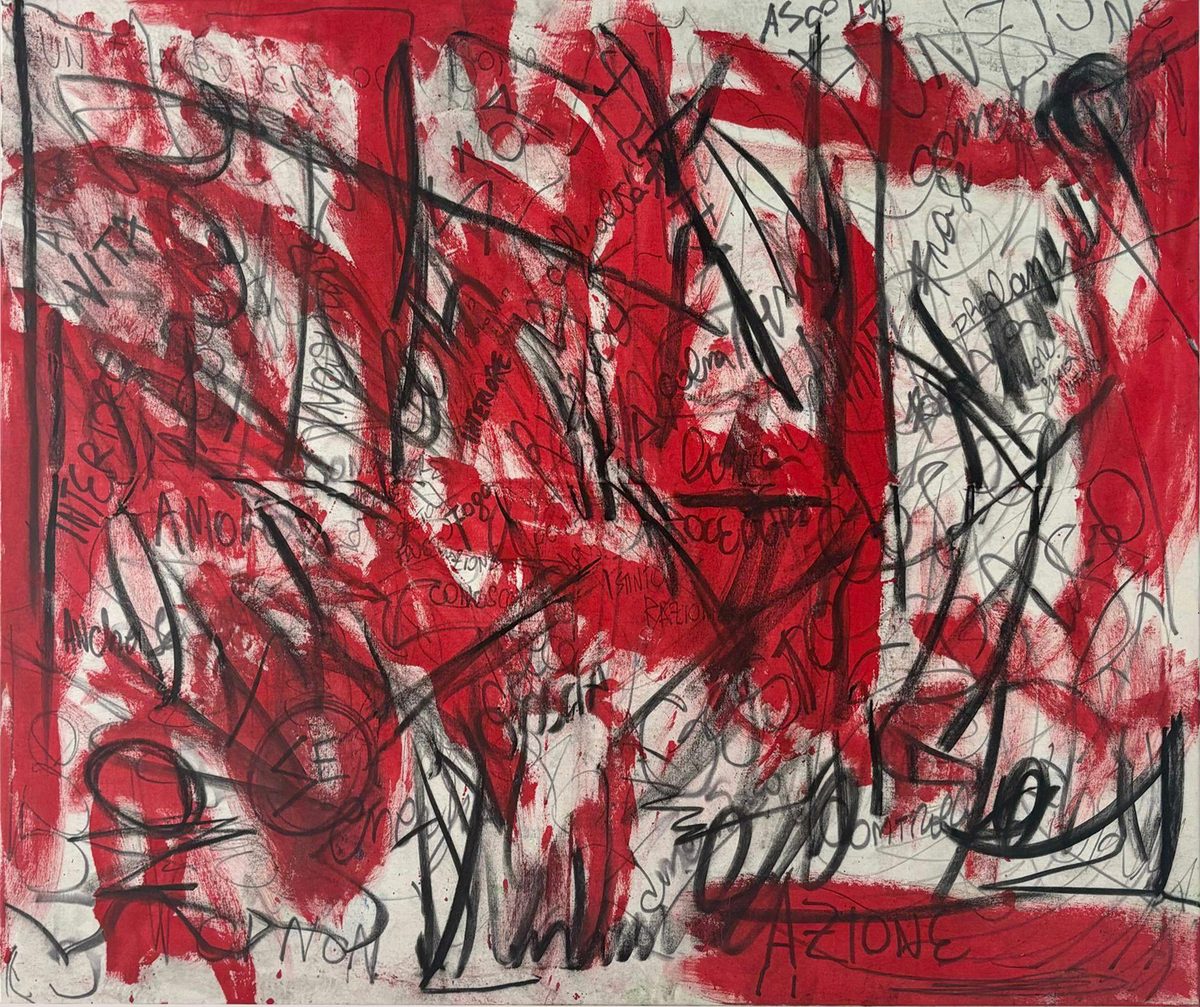
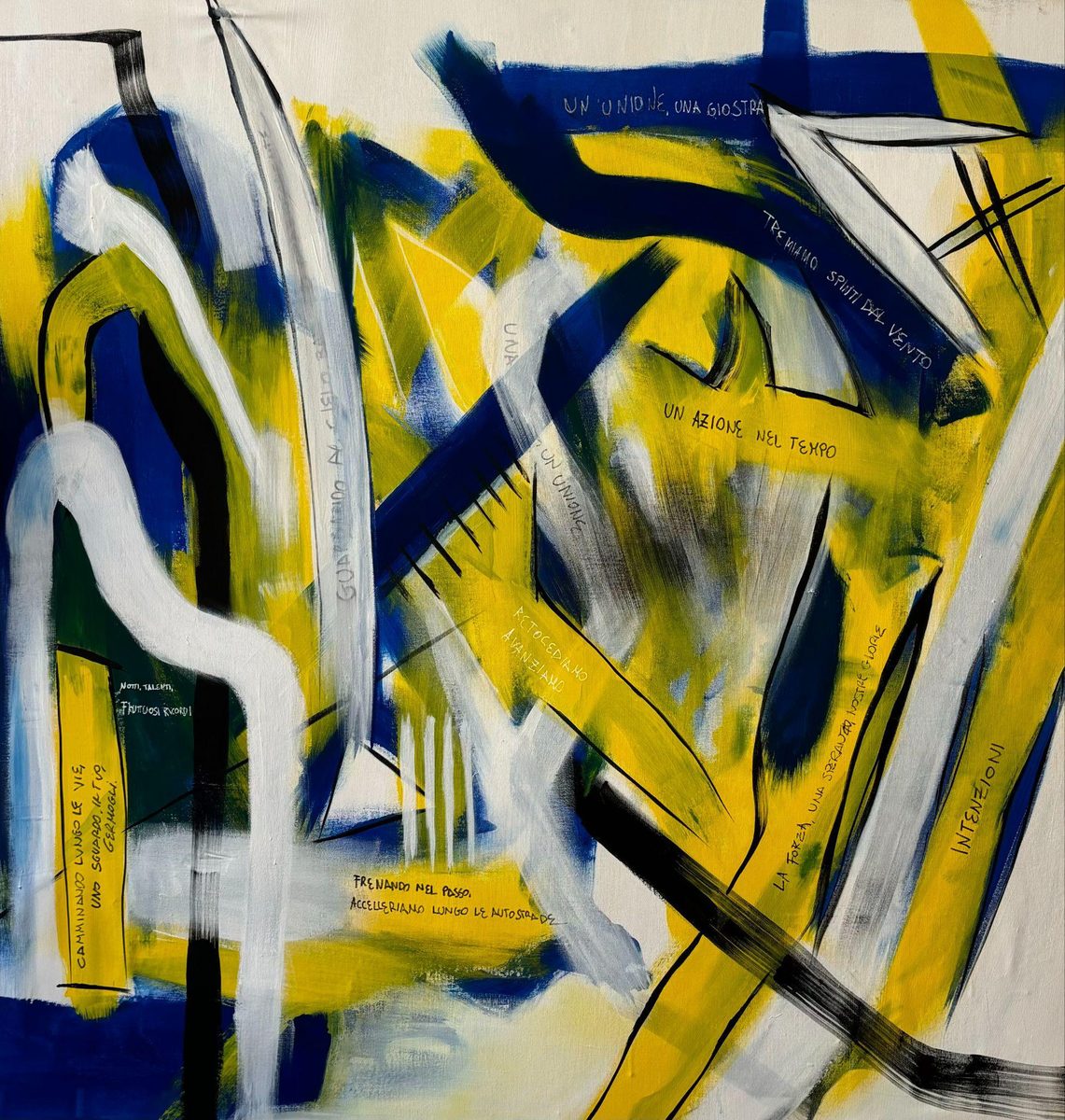
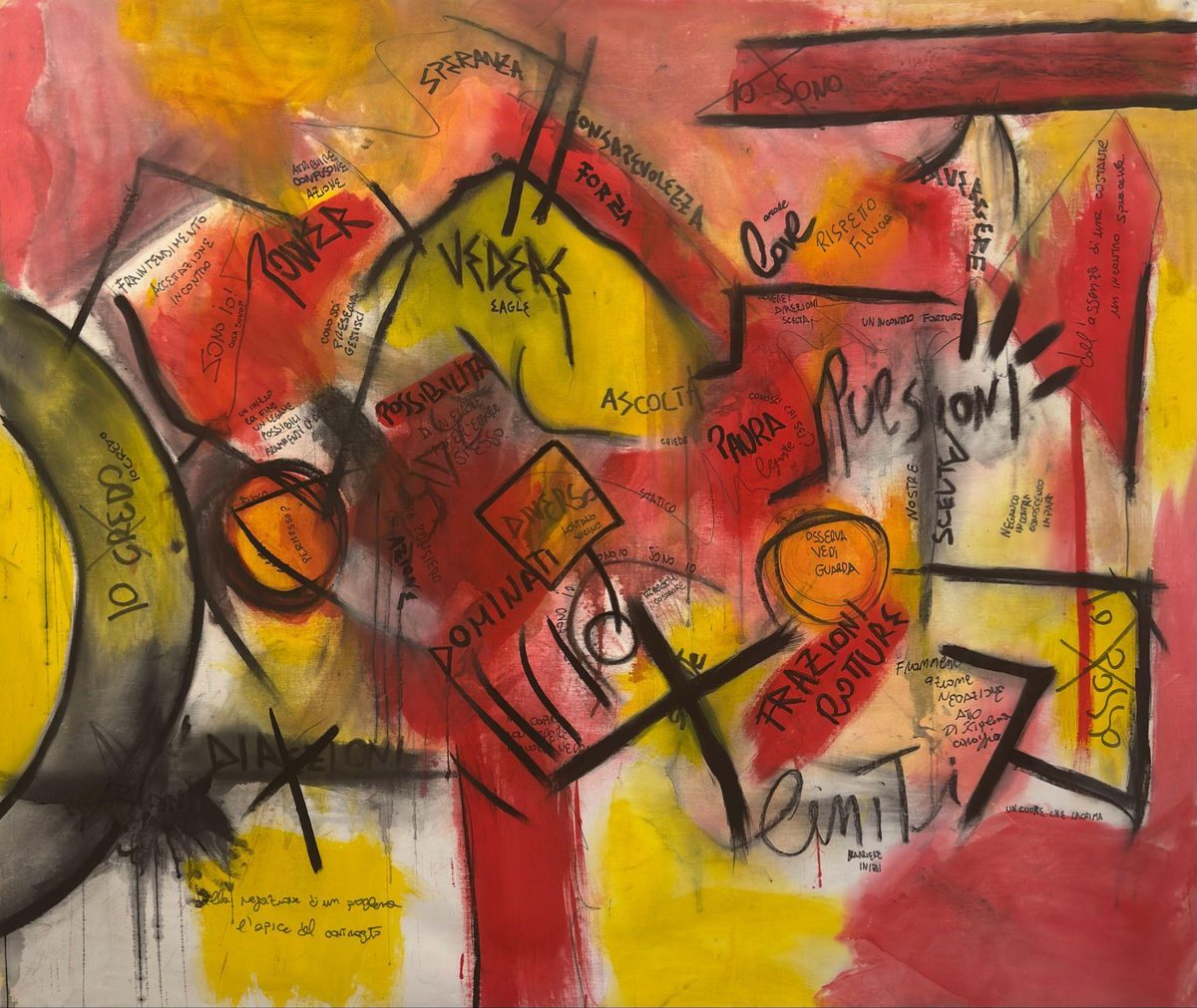
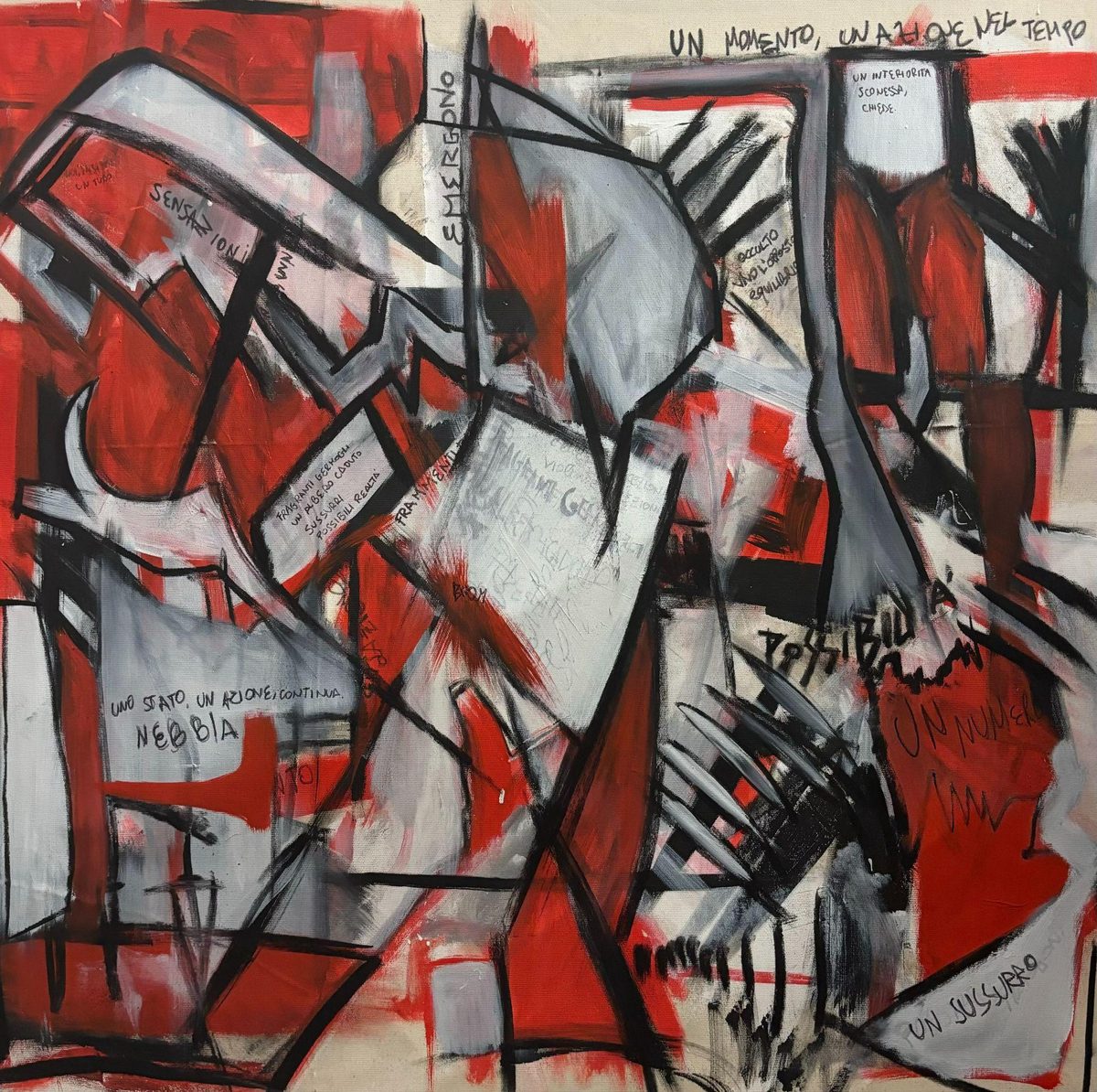
Kou Gallery presents “Altro da sé,” a solo exhibition by Niccolò Fornari, on the occasion of which the focus is placed on a series of works intertwining pictorial and textual production—born of an expressive research with a strongly introspective character carried out since 2019.
Inside the gallery, a journey is proposed through the meanders of the artist’s mind, revealing intimate psychological oscillations through thoughts and moods.
The creation of the works stems from an intense process of identification: a silent and gradual struggle with the canvas, aimed at returning what he calls “flows,” the inner movements emerging from within, in a continuous alternation between excess and stillness, impulse and control, instinct and reason.
An experience described as crossing a minefield, where he strives to “soften psychological discomfort with a tube of acrylic.”
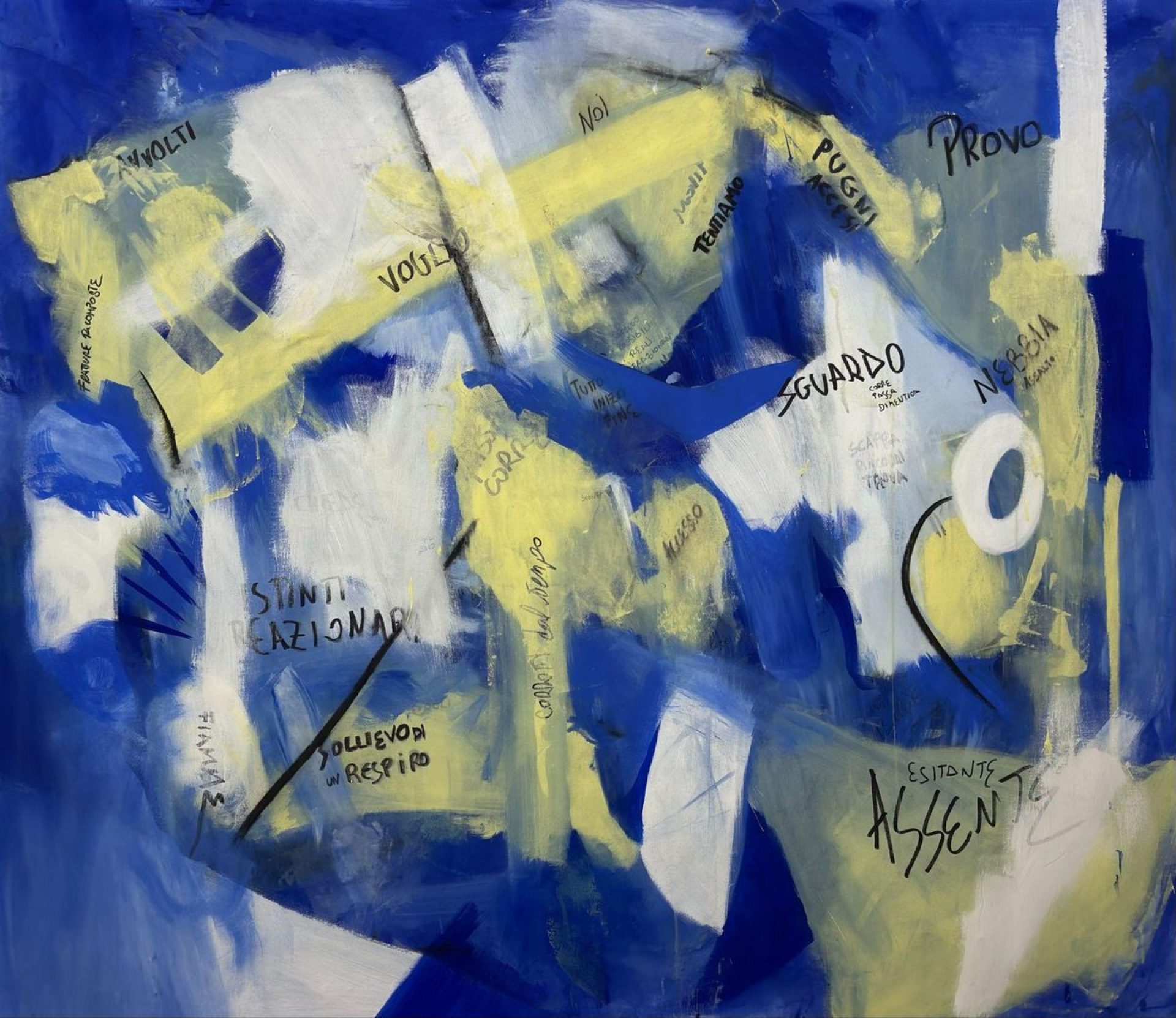
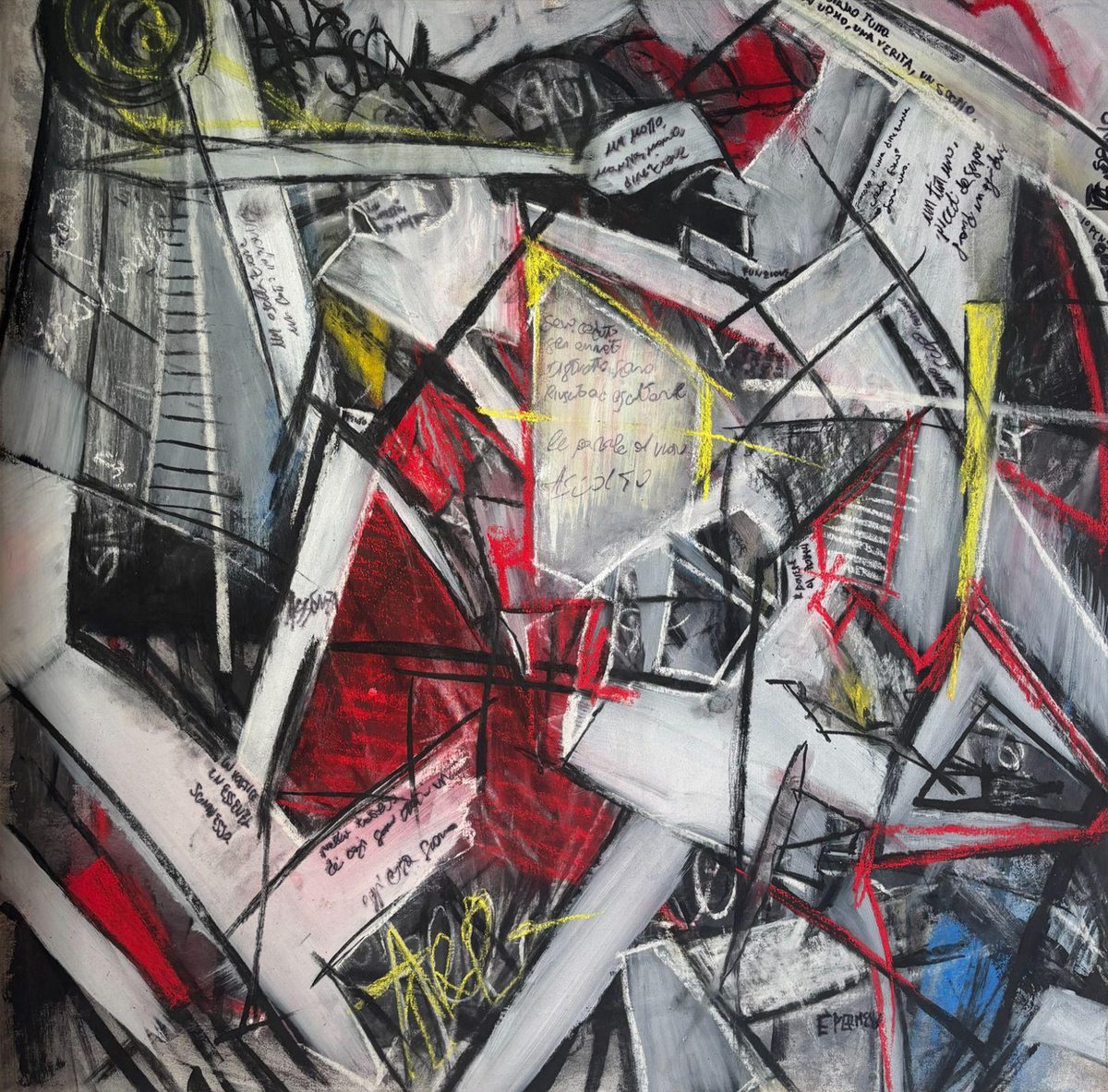
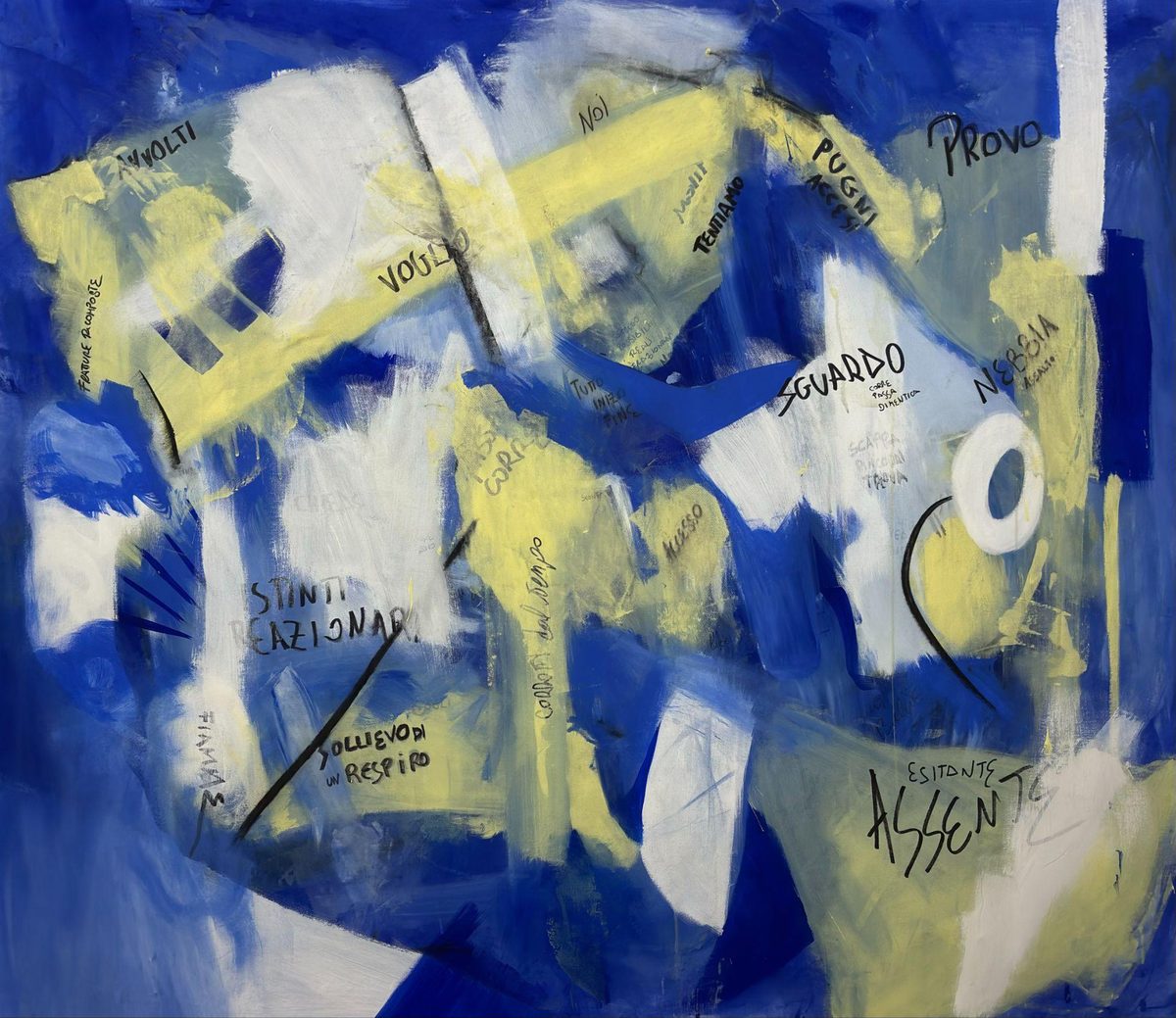
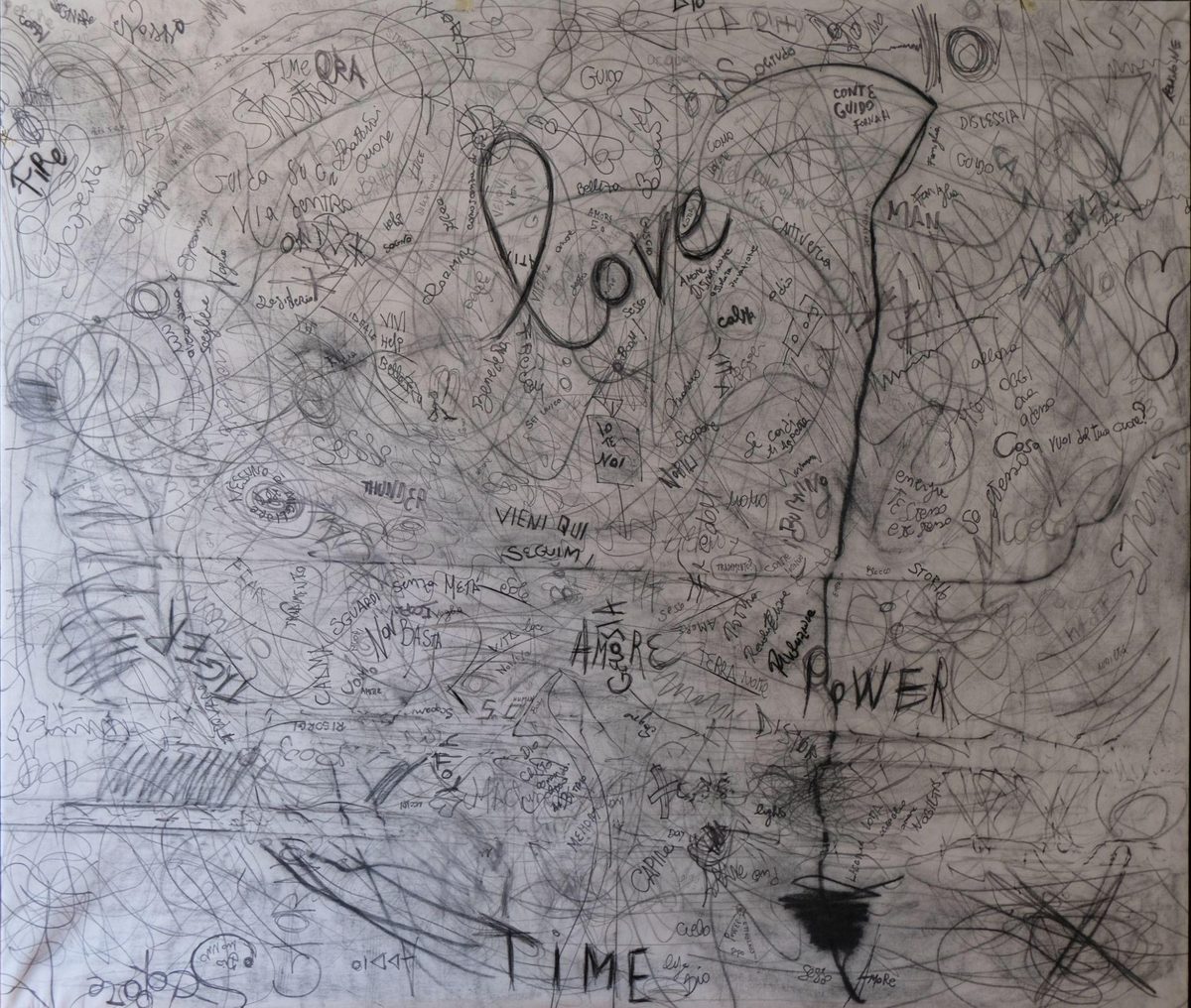
The works on display take shape as true memory archives: letters addressed to oneself to vent, record memories, process sensations, and question. As if they were written in an attempt to establish a dialogue with oneself—or with someone perceived as another self.
There is frequent focus on the theme of error and its importance, in a constant attempt at self-improvement.
At times, the focus is on resisting influences—mental, social, or cultural—to avoid seeing only what one wants or is accustomed to see.
Emotions are externalized, surprised at being felt, and rejoiced in.
A radical experimentation continues, marked by full immersion and a need for self-understanding.
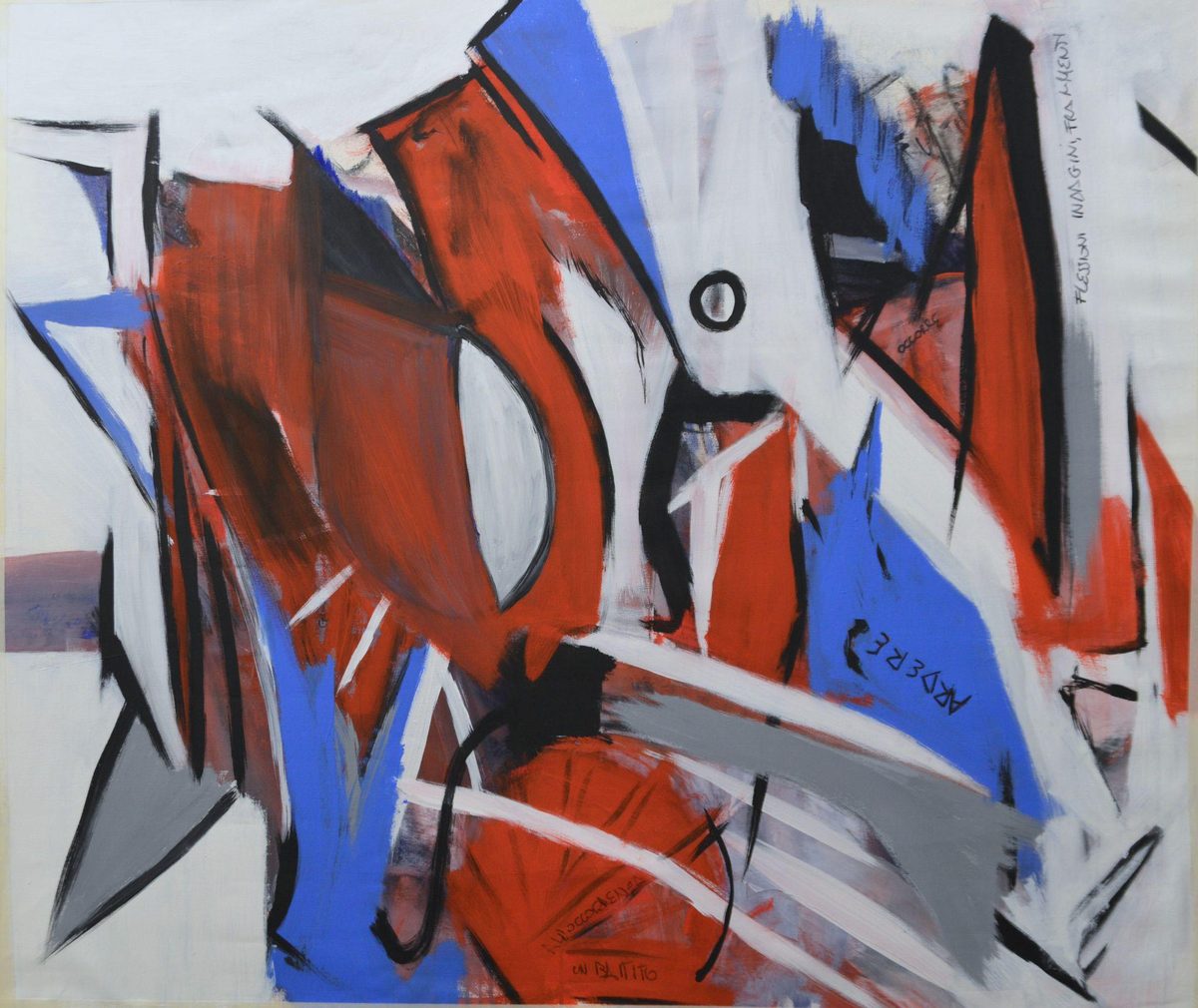
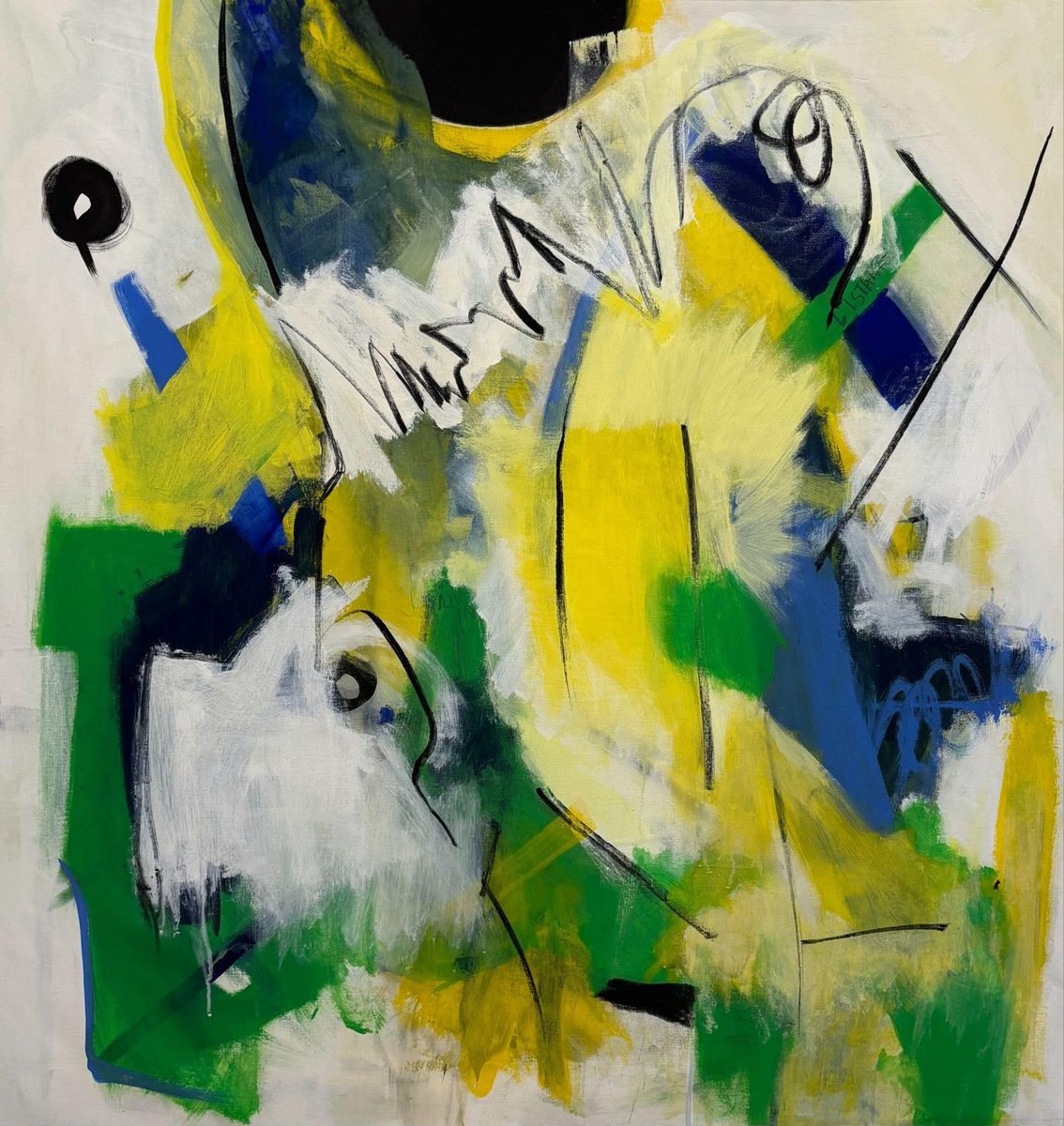
Drawing from architectural constructs, the structural aspect of the work is governed by the black line, while the ornamental aspect develops through color—with a marked preference for pure primary tones that give the work its luminous, vibrant appearance.
In some works, the textual component is executed using an alcohol-based graphic proof ink that evaporates upon contact with fixative; some already show the fading patina that suggests their perishable nature. Conversely, the pictorial component is fixed on canvas.
Each mark is traced through a gesture that can be quick and nervous or steady and uniform, yet always the result of an action neither random nor overplanned—unfolding through gradual accumulation and refinement of experience in the act of creation.
Gallery