Works on display
Artists
Curators
360
Kou Gallery presents “Giants,” a solo exhibition by Giulia Di Pasquale, focusing on the series “Corpo a corpo,” a continuously evolving research born from a process of layering and sedimentation of matter that the artist began in her early academic years.
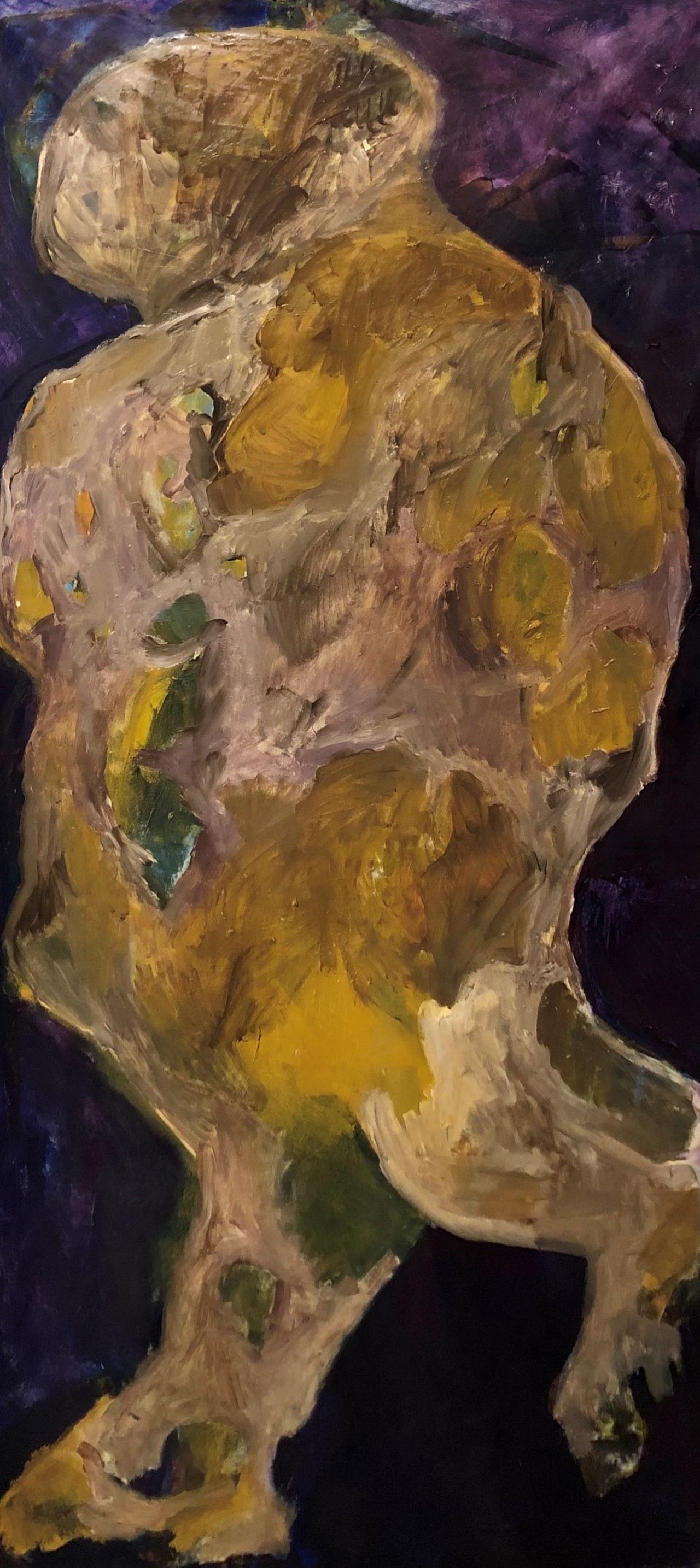
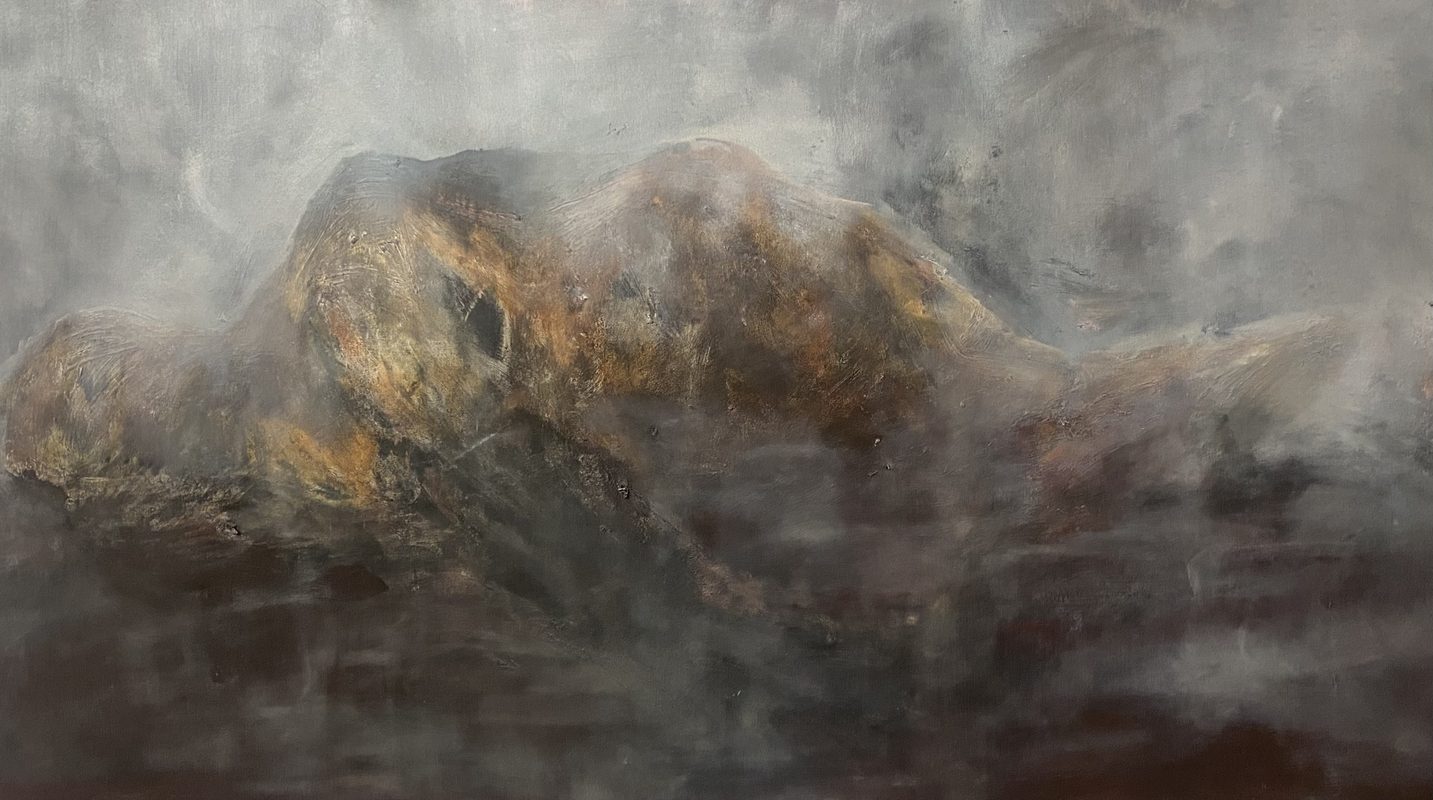
The gallery has been transformed into an enchanting cave, where on large canvases stand several creatures—the “Giants”—whose most poetic origin can be imagined through the controversial biblical figure Enoch, who described them as the seven sons of those rebellious angels that disrupted humanity’s harmony and monotony through the introduction of technique.
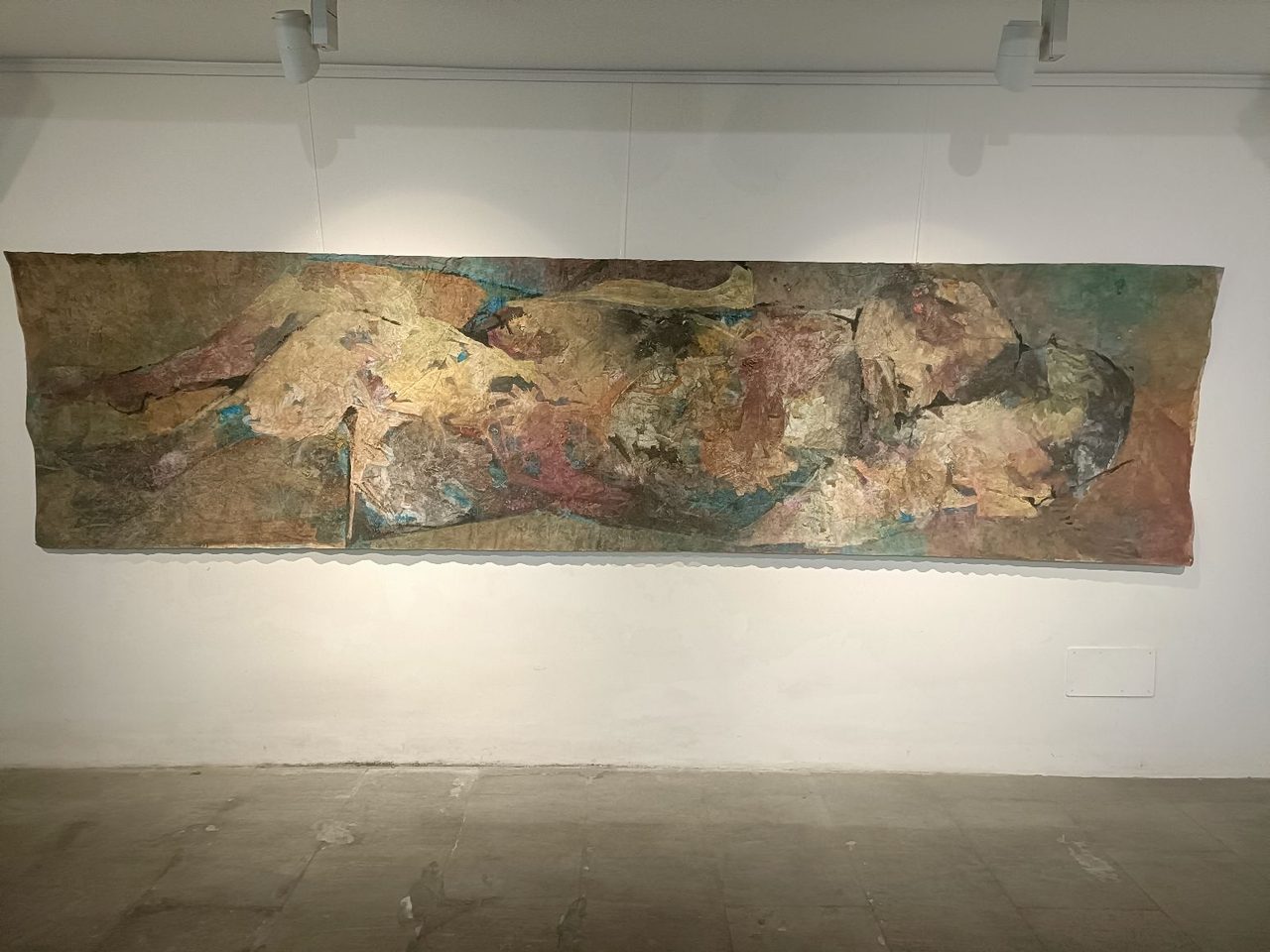
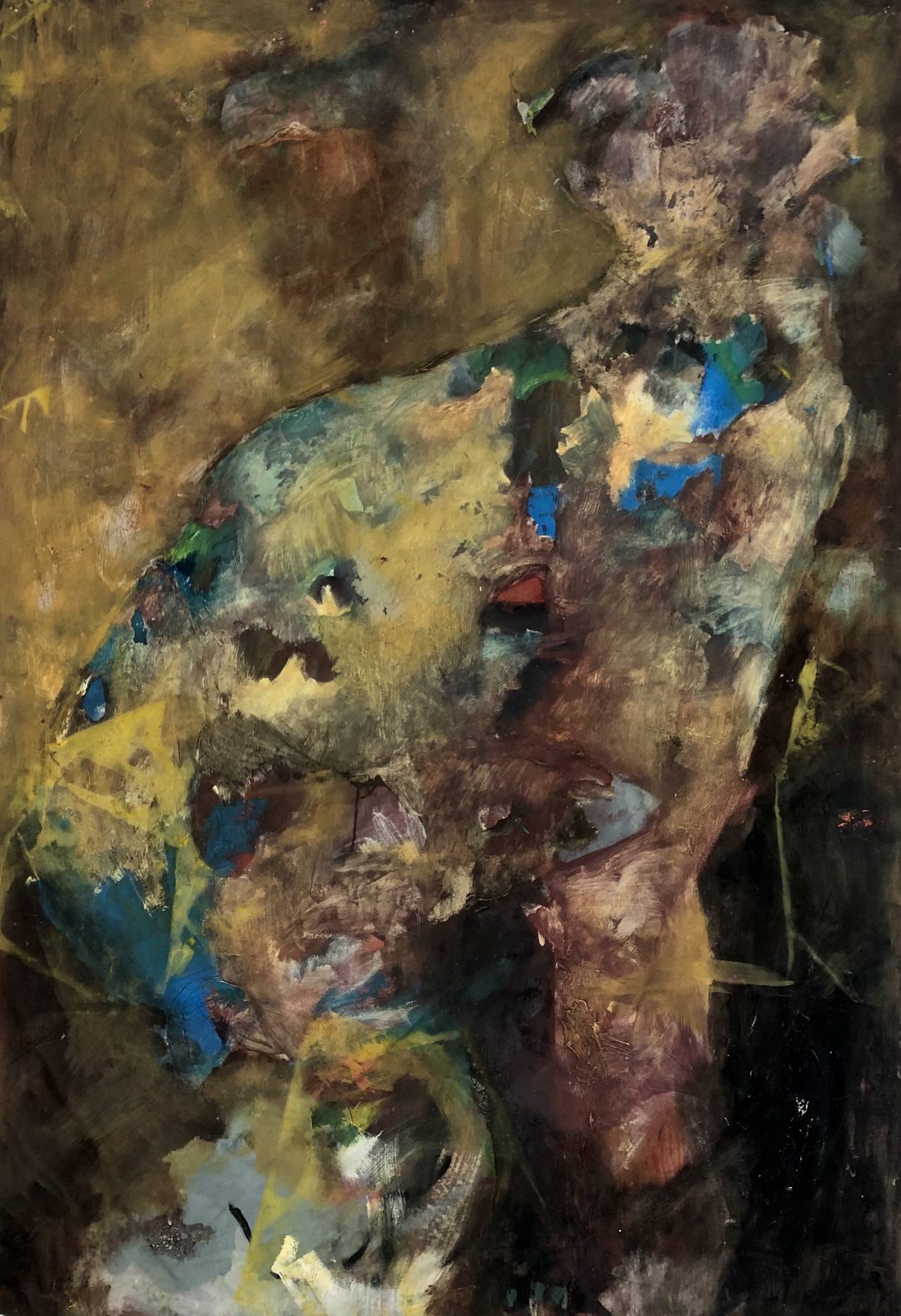
The works are true creatures—massive, imposing beings that come to life without prediction. Each creation unfolds impulsively and spontaneously, an immediate reaction reflected in their extraordinary dimensions. Free from constraint, these entities seem to move as autonomous presences that refuse categorization while expressing powerful interiority. Each canvas, though a physical container, is merely a support for an expression developing on its own course, as if each Giant possessed an intrinsic awareness of the irregular space needed to exist fully.
The series spans a long period of time and is called “Corpo a corpo” because it is seen as an intense struggle between the artist’s body and those bodies that, months or years apart, took form before her eyes. Some were reworked as style evolved, but only when both the creator and the Giant surrender is the work considered complete. The lengthy timeline and constant focus on stylistic progress allow observation of both technical and thematic evolution.
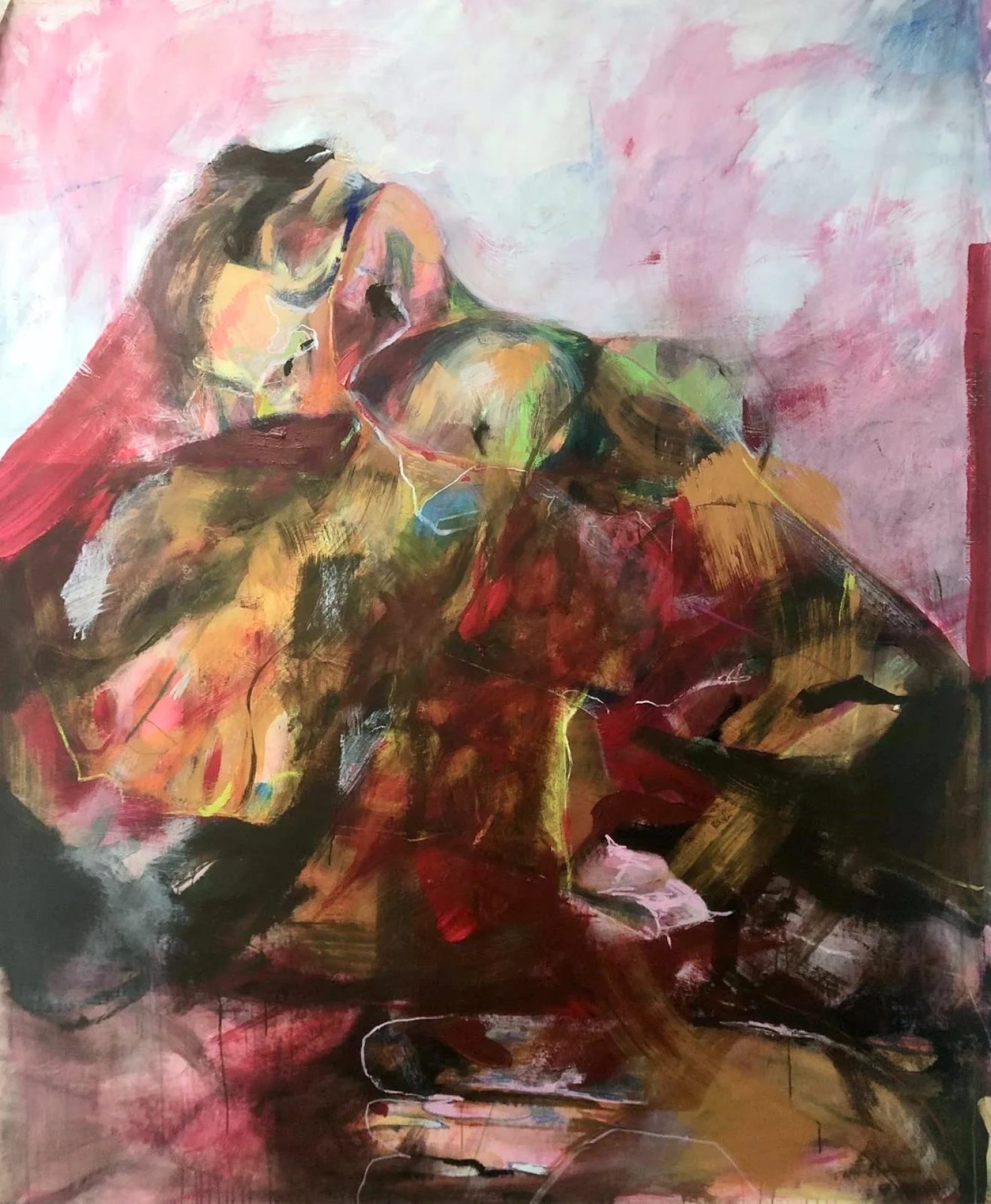
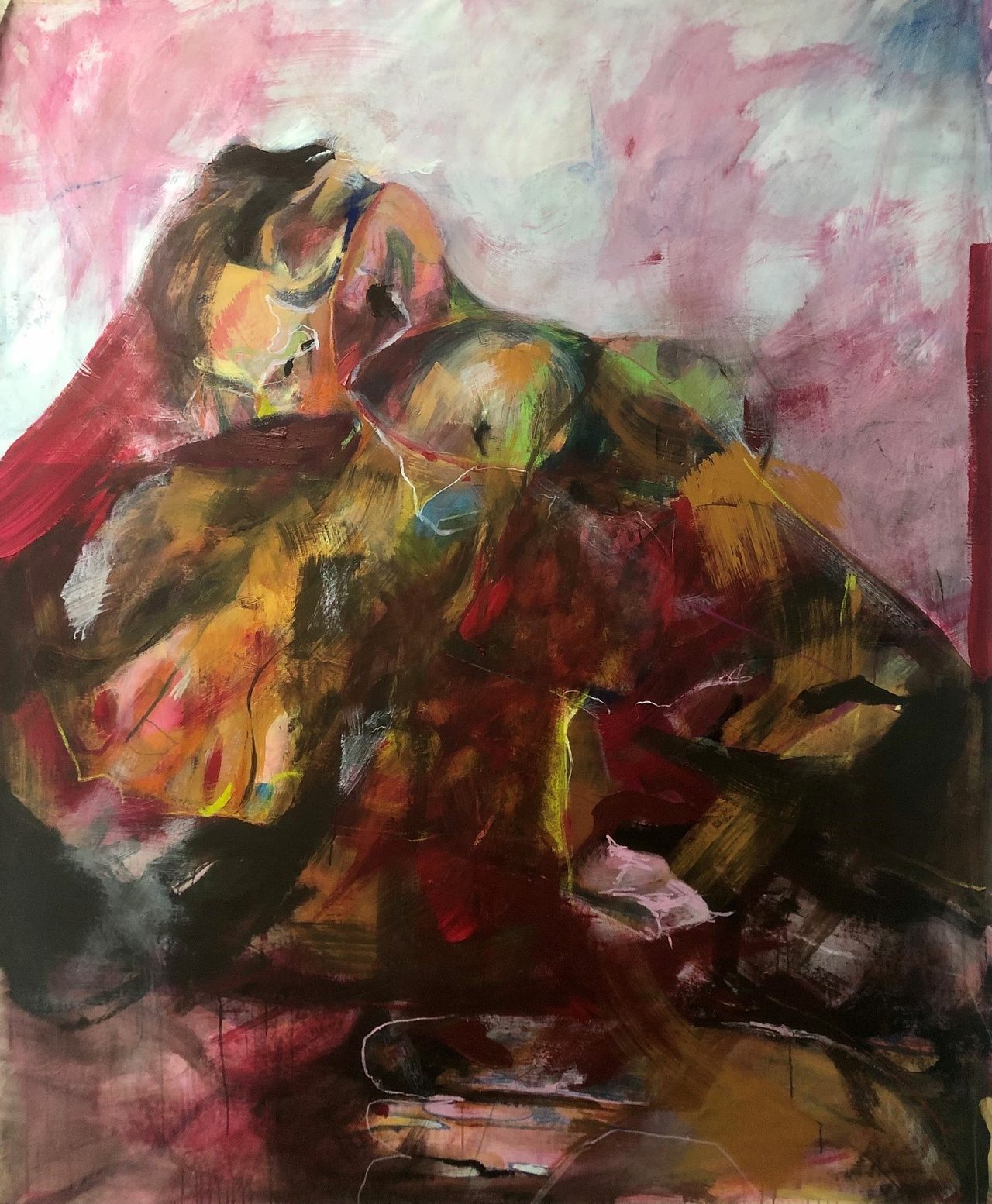
The first Giant, the only one entirely in acrylic, depicts a sleeping figure resembling a mountain—recalling the Gigantomachy, the mythic battle of the giants against the gods, where they piled mountains atop one another to reach Olympus.
The chromatic scene is dominated by magenta—a color akin to pink, culturally linked to femininity and perceived weakness—which has been subverted and reinterpreted as a source of vital and powerful energy.
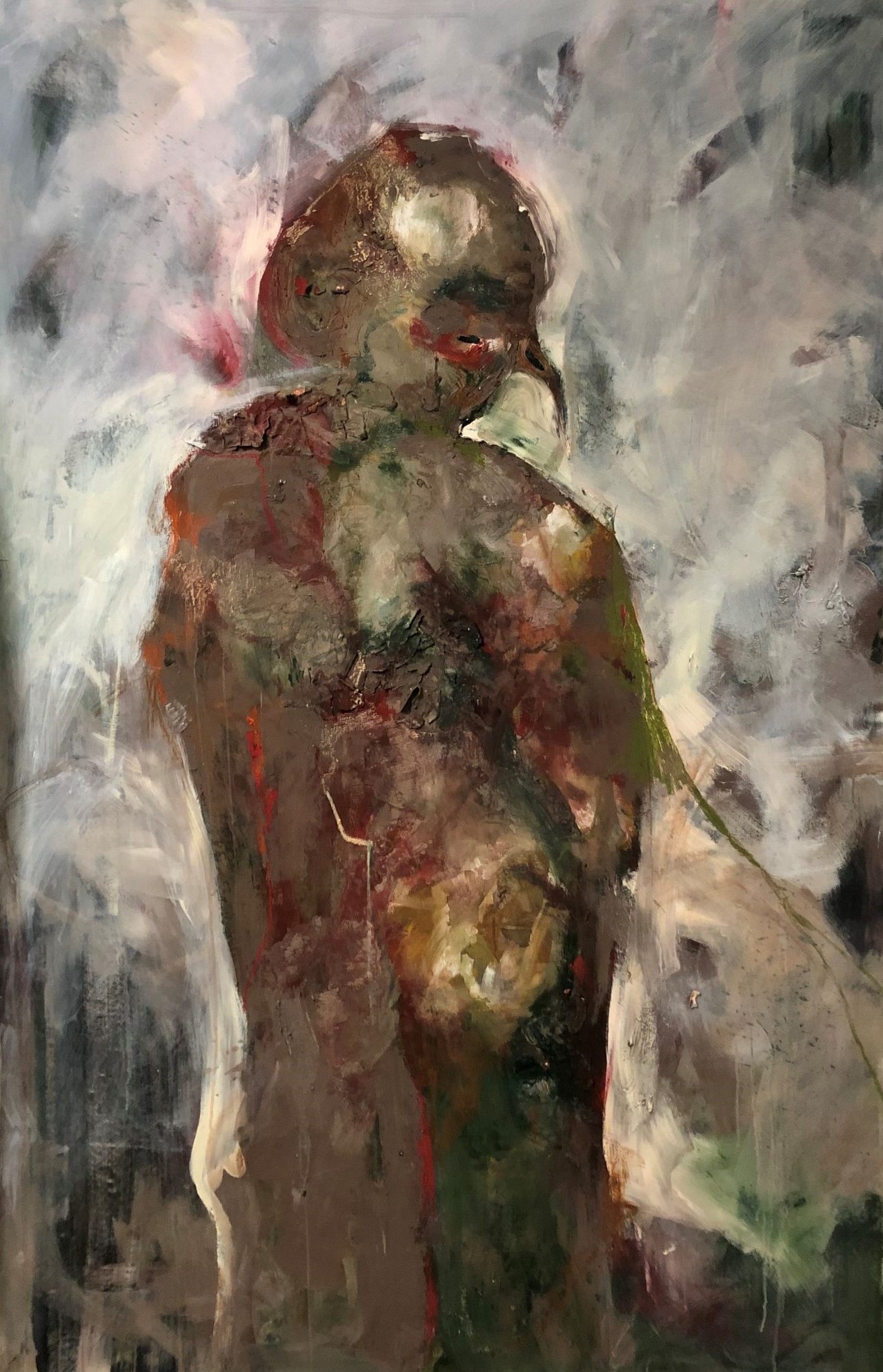
The second Giant evolved into an awakened figure, upright and immersed in thought.
The subject is more figurative and defined, created with oil and acrylic, with clay tones prevailing—as if the being has been definitively shaped.
In later Giants, their posture ceases to be static: the third dares a timid step, and the fourth hastens into a run, perhaps fleeing from the reality it has become aware of.
The final work, completed for this exhibition at Kou Gallery, unexpectedly returns to the theme of sleep, inspired by the figure of Saint Cecilia by Maderno.
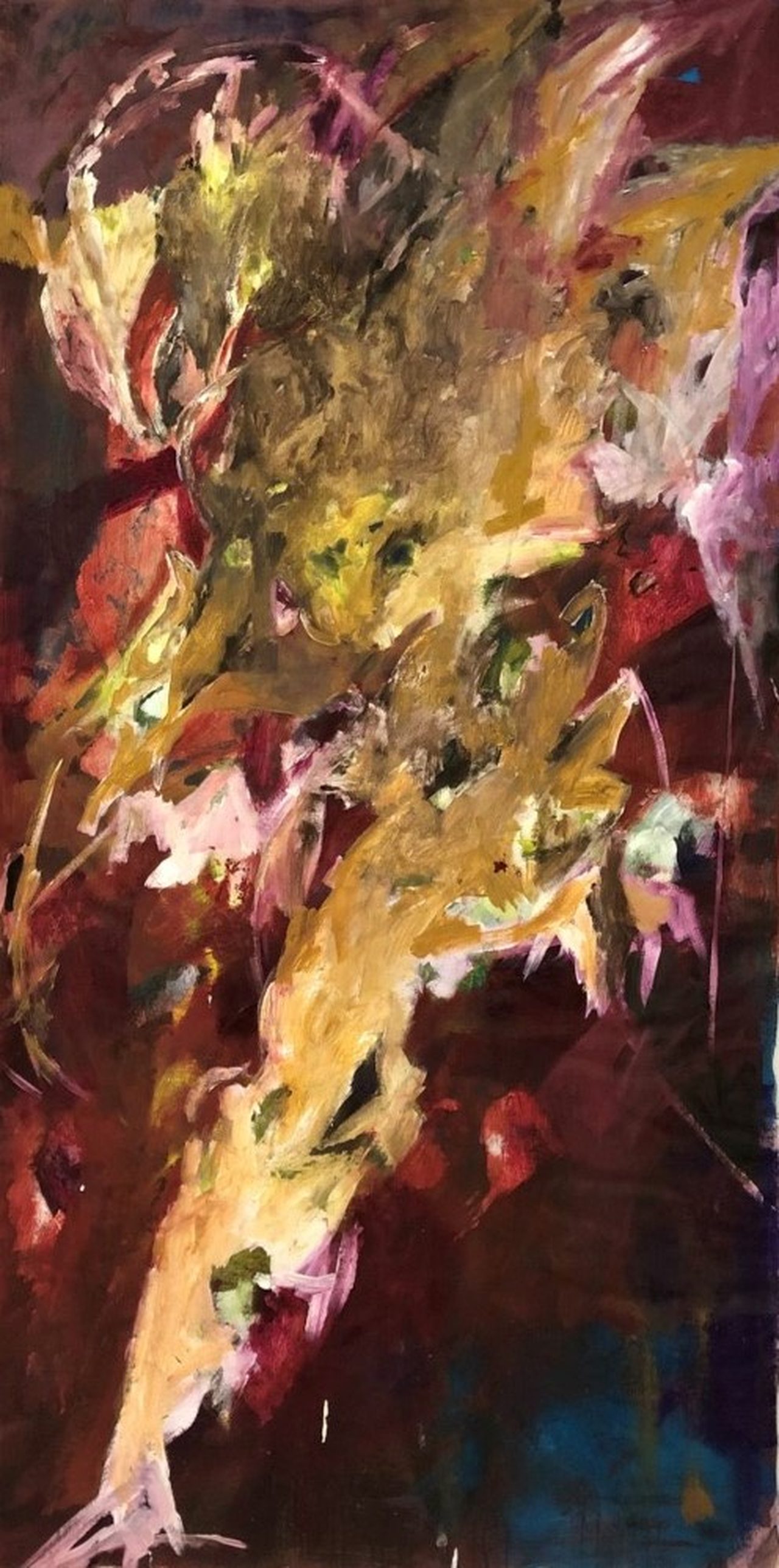
Also on display are two canvases shown for the first time un-draped, fully revealing their extension. They result from a long process of folding and deforming matter, producing a figure born of self-folding, emerging delicately with a deliberately faded pigment that gives an aura of nostalgia.
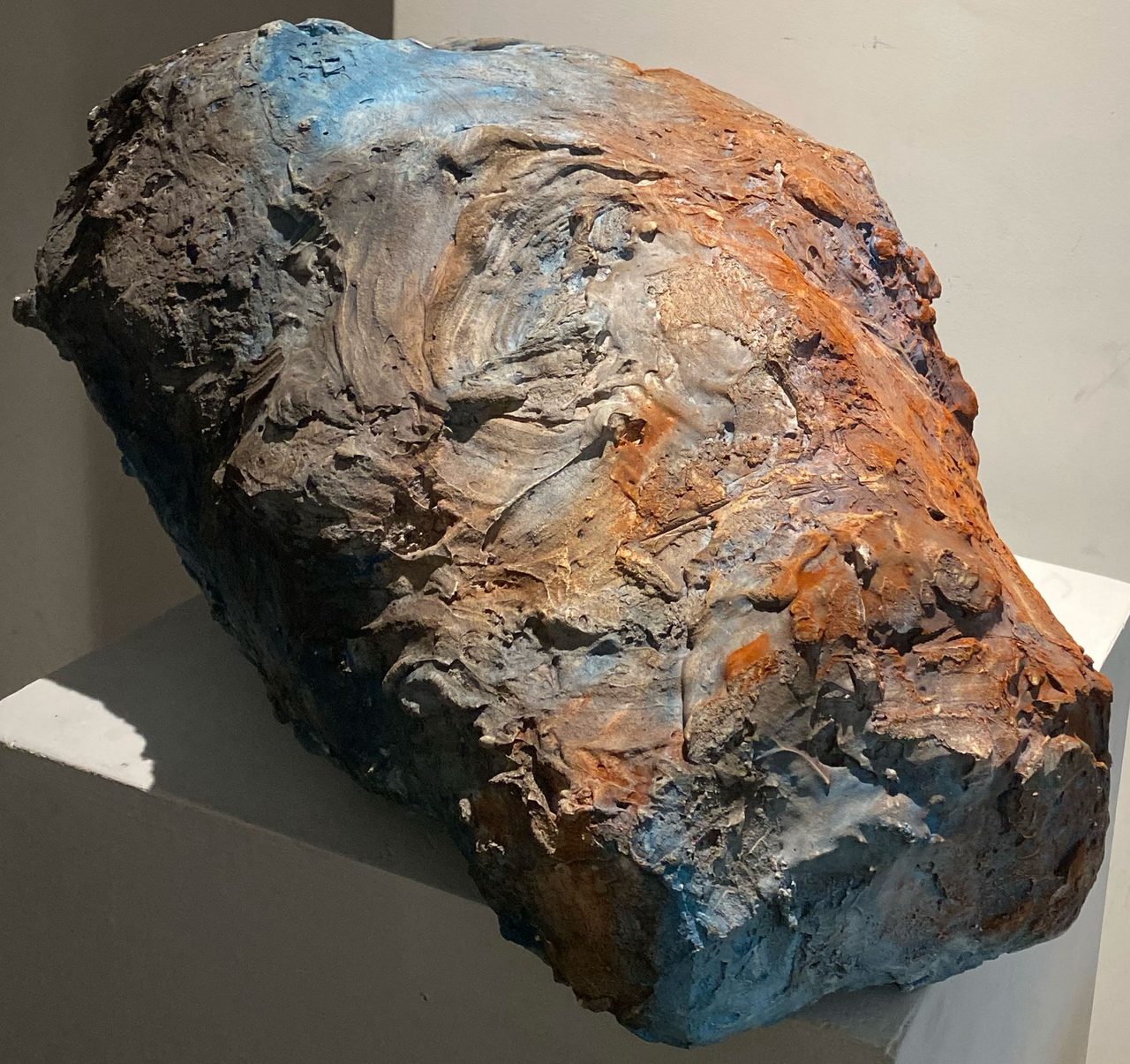
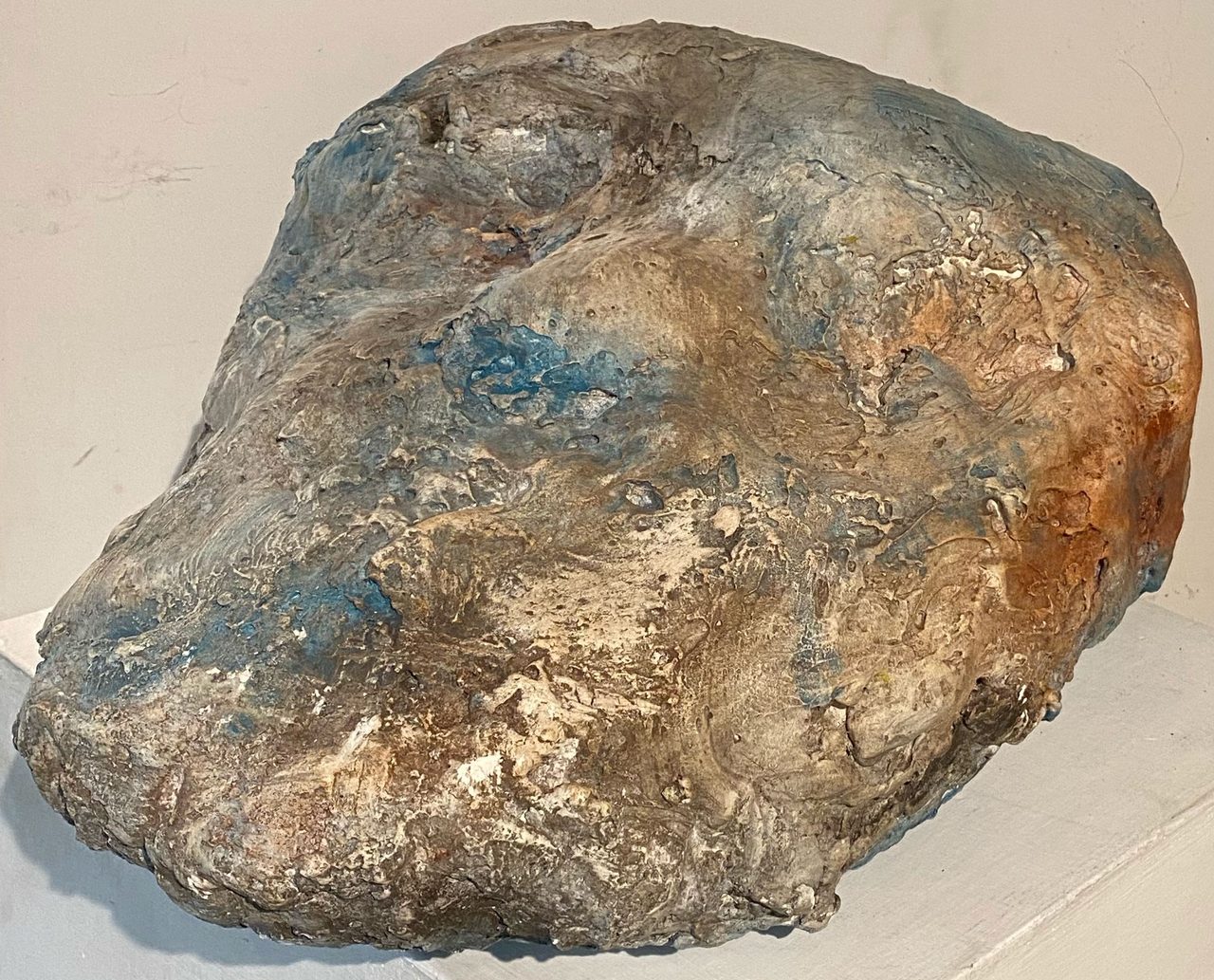
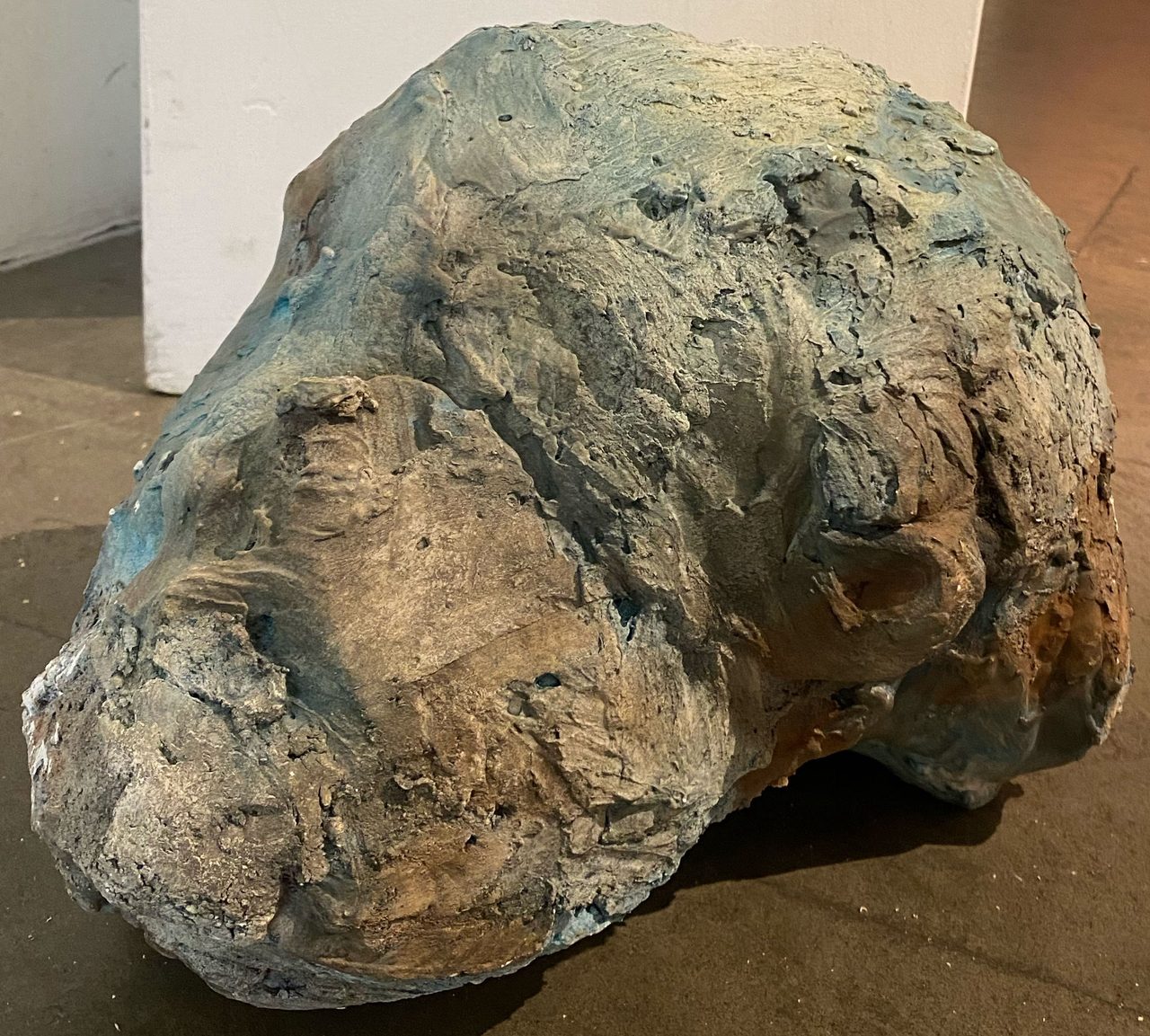
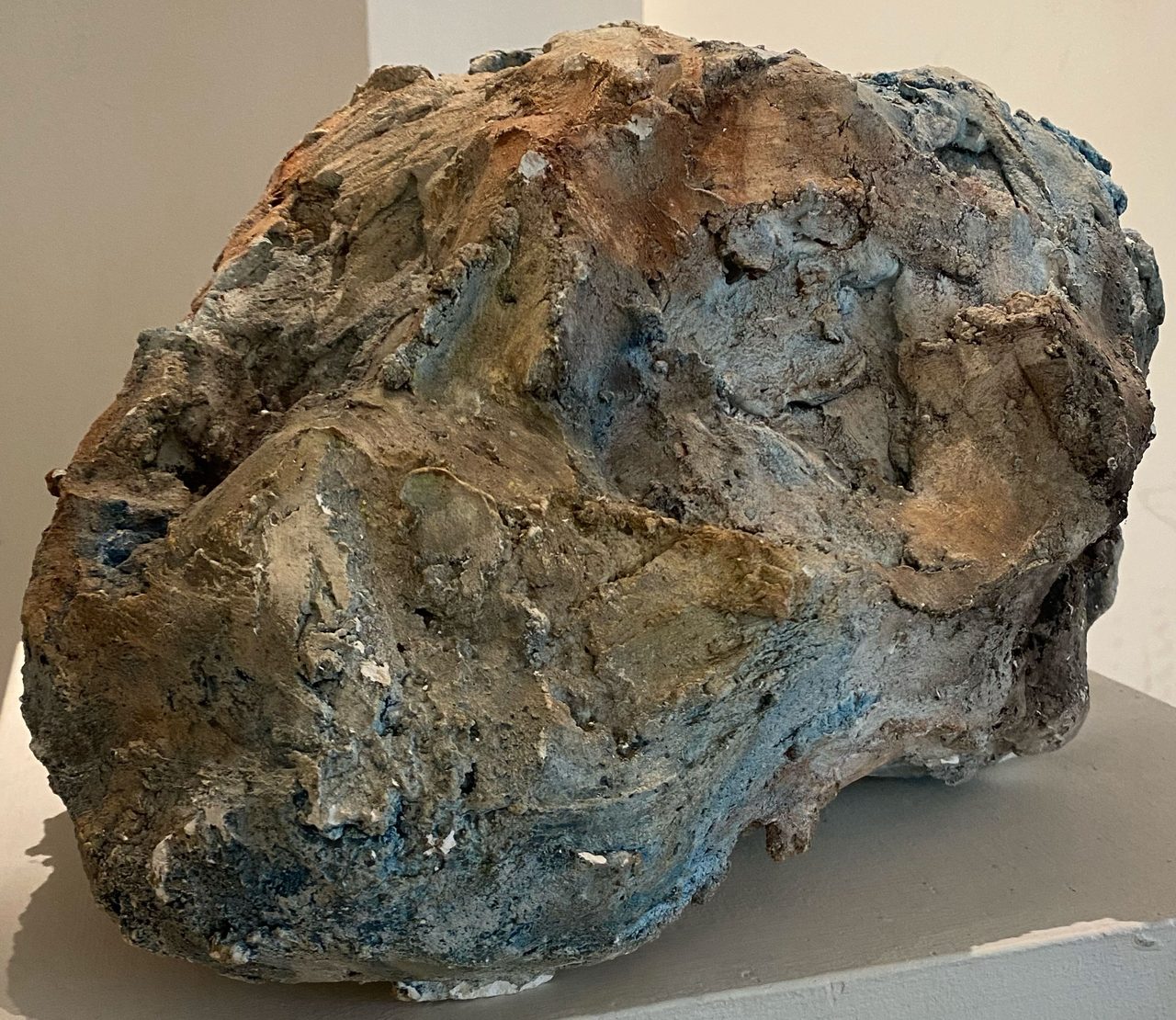
The sculptures, titled “Heads,” represent what remains of the Giants’ former grandeur.
Elena Piccioni
