Works on display
Artists
Curators
360
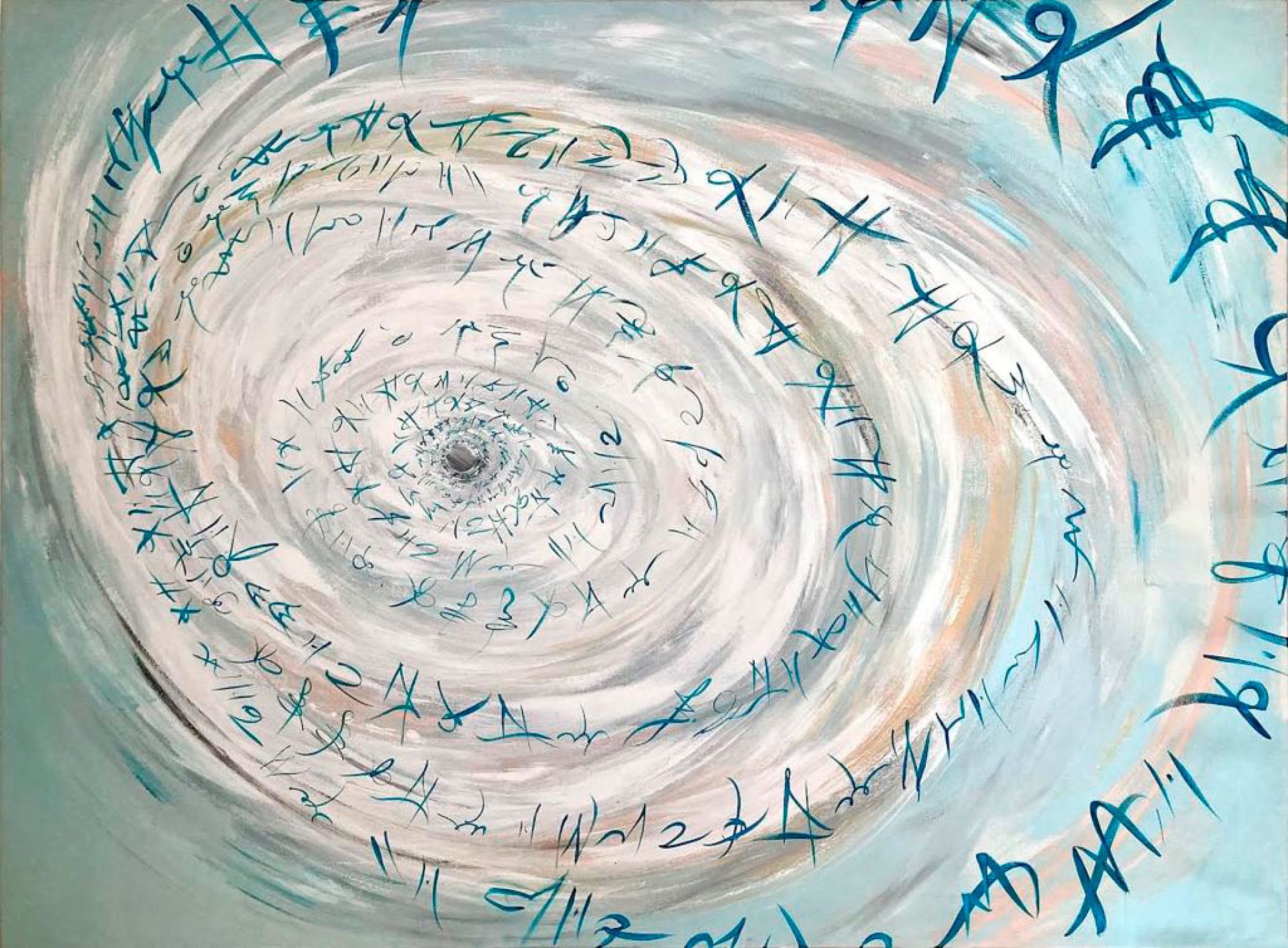
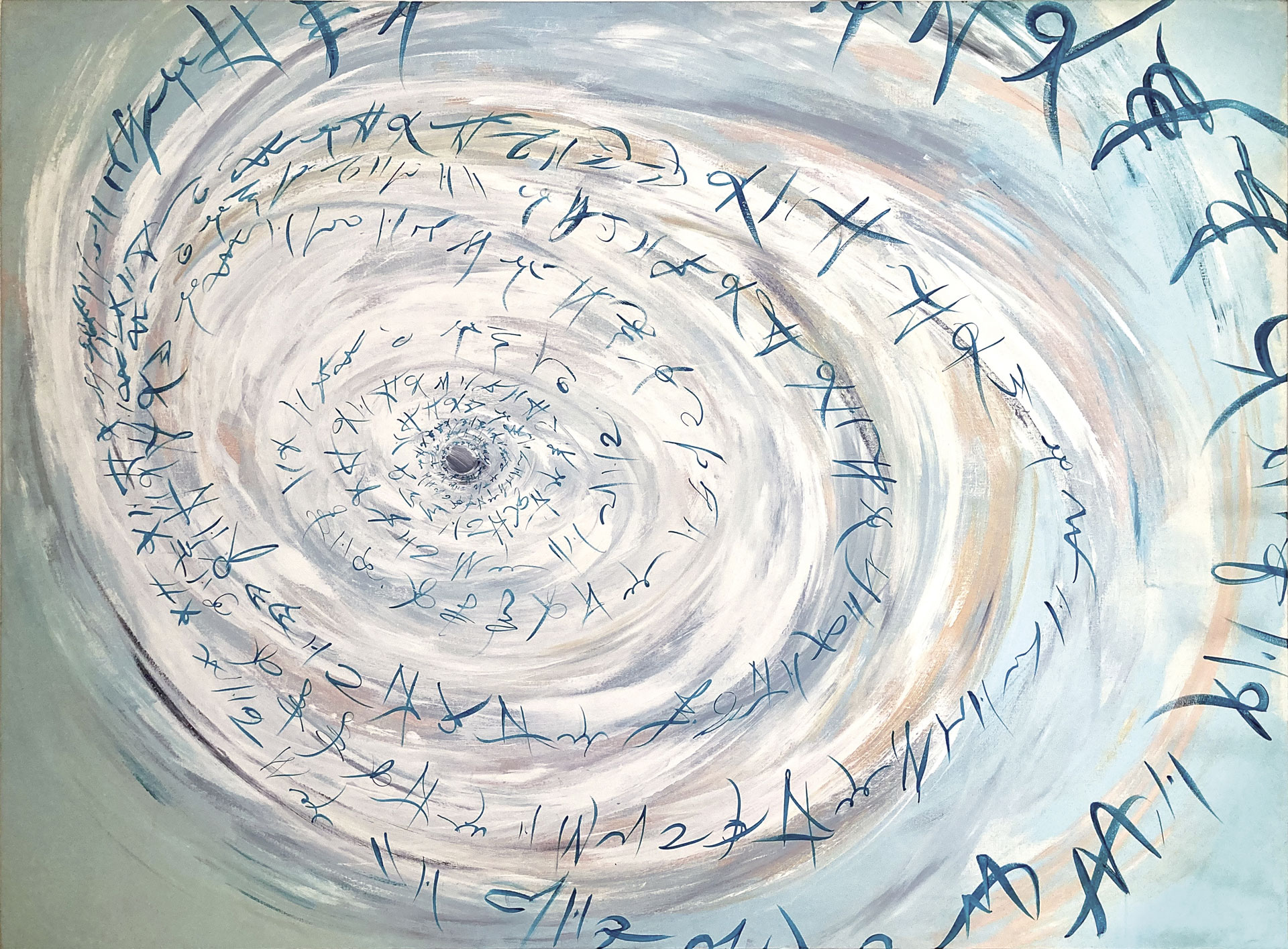
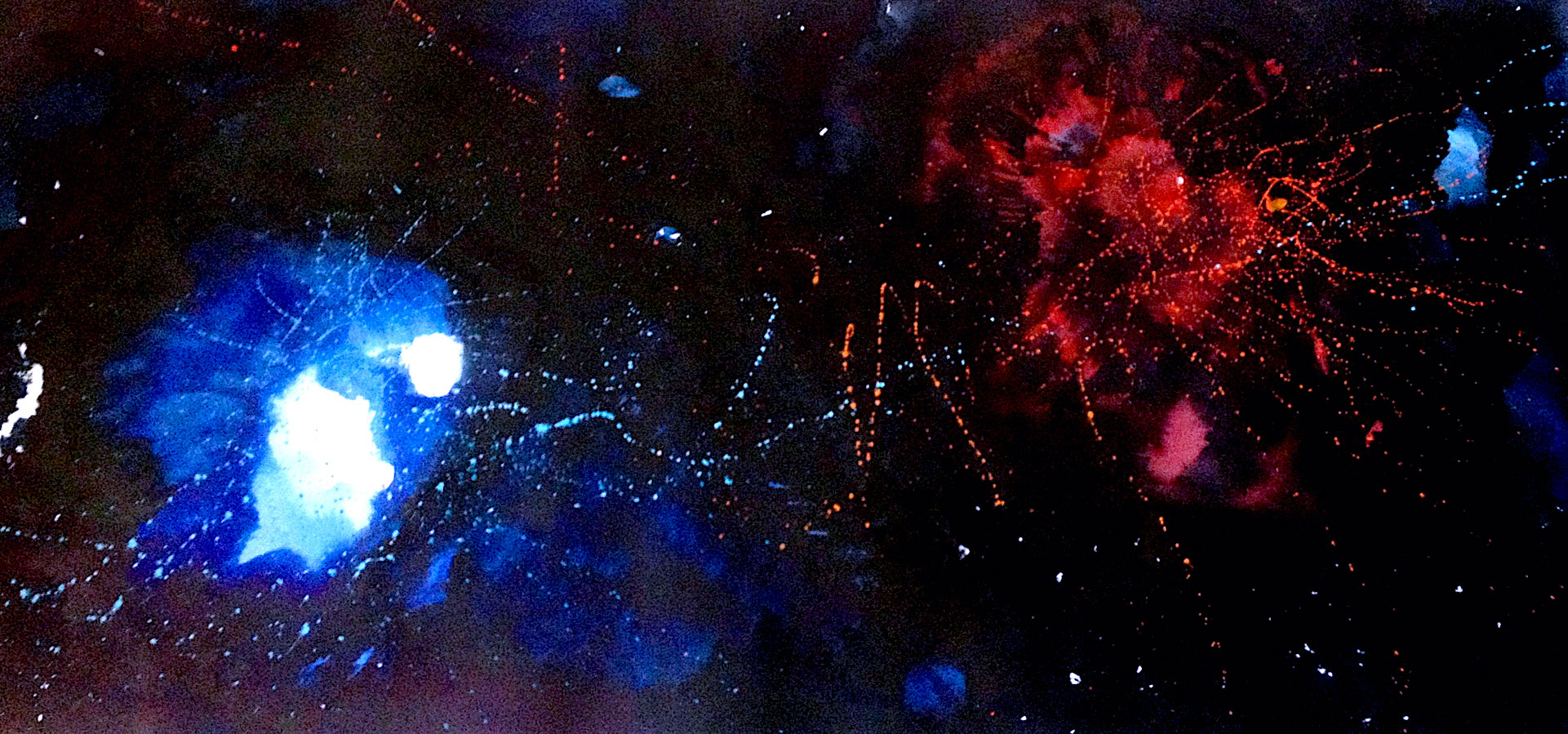
There is an extreme balance in the night sky that unsettles and captivates the human gaze. At the same time, it demands precision and calculation to avoid getting lost. The approach to the stars for the artist equals tracing an inner geography, an investigative language. The macrocosm observing the microcosm in a kind of inverted astronomy reminiscent of Renaissance philosophers. Her large canvases and cosmographic papers recall the seventeenth-century star atlases of Andreas Cellarius, the greatest Dutch cartographer of the celestial vault. At the same time, the codes applied to her stars connect to the light signs of Cy Twombly and the “dancing” lines of Brice Marden, both students of Franz Kline, the most intellectual and symbolic among the protagonists of American Abstract Expressionism.
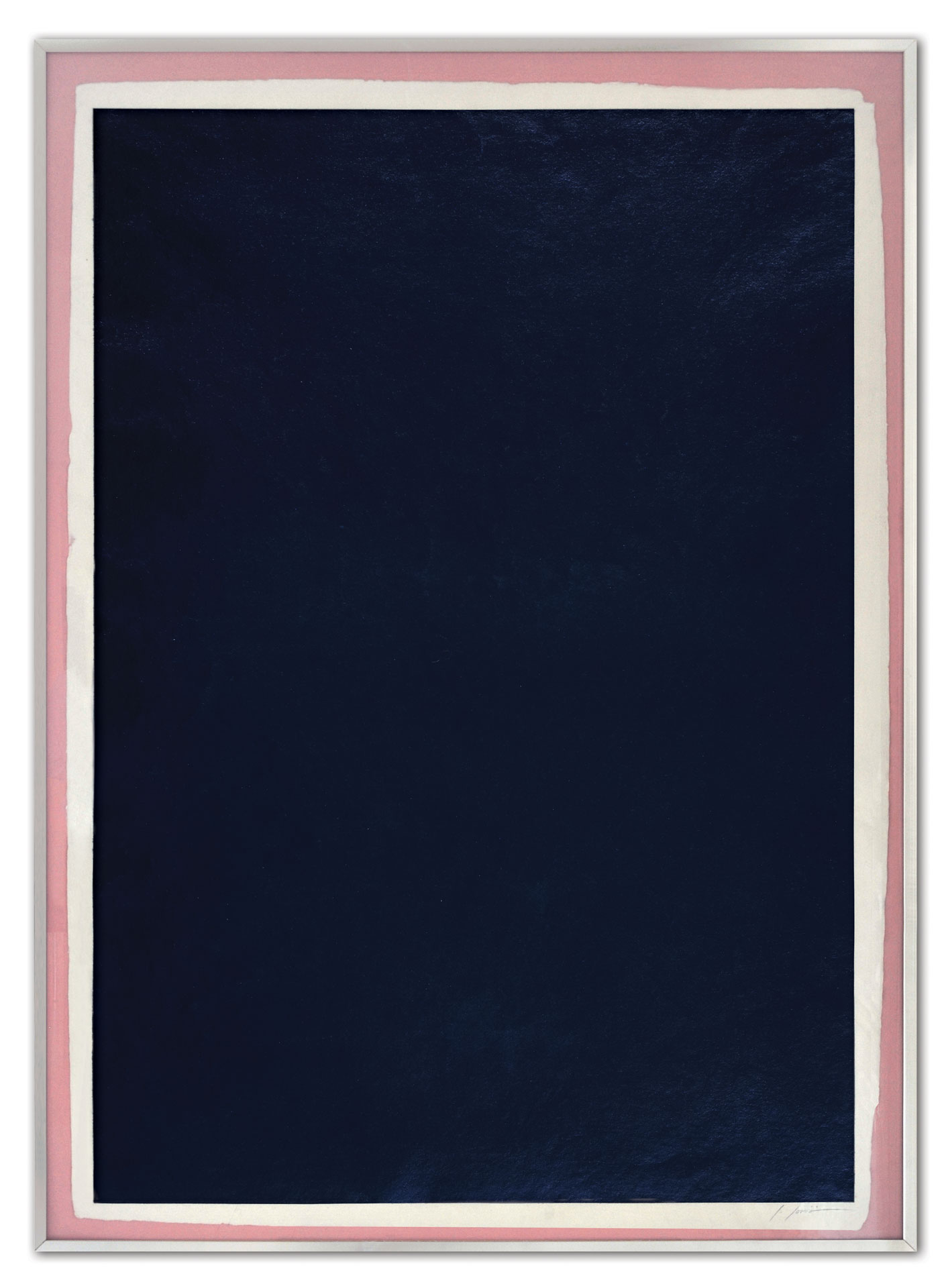
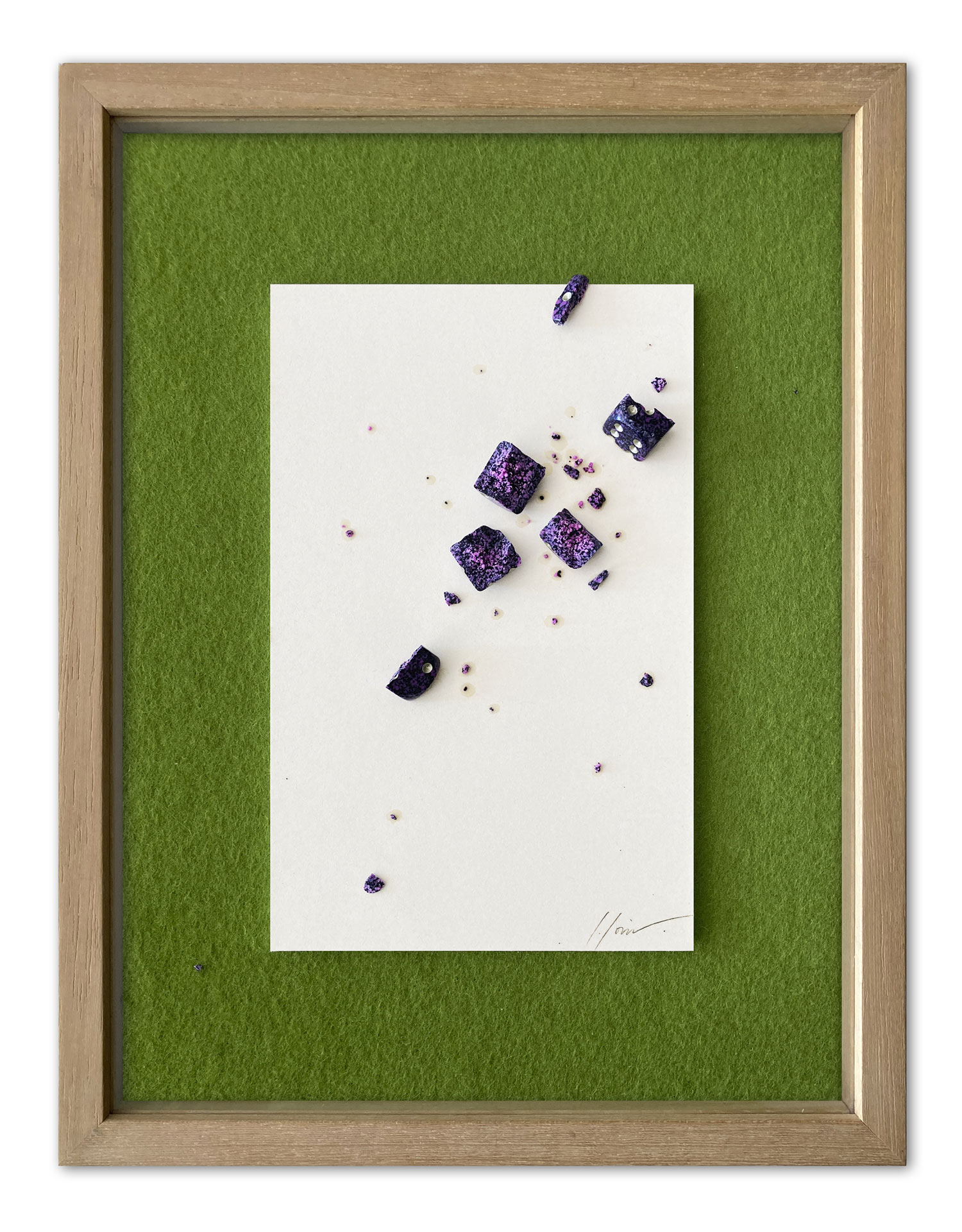
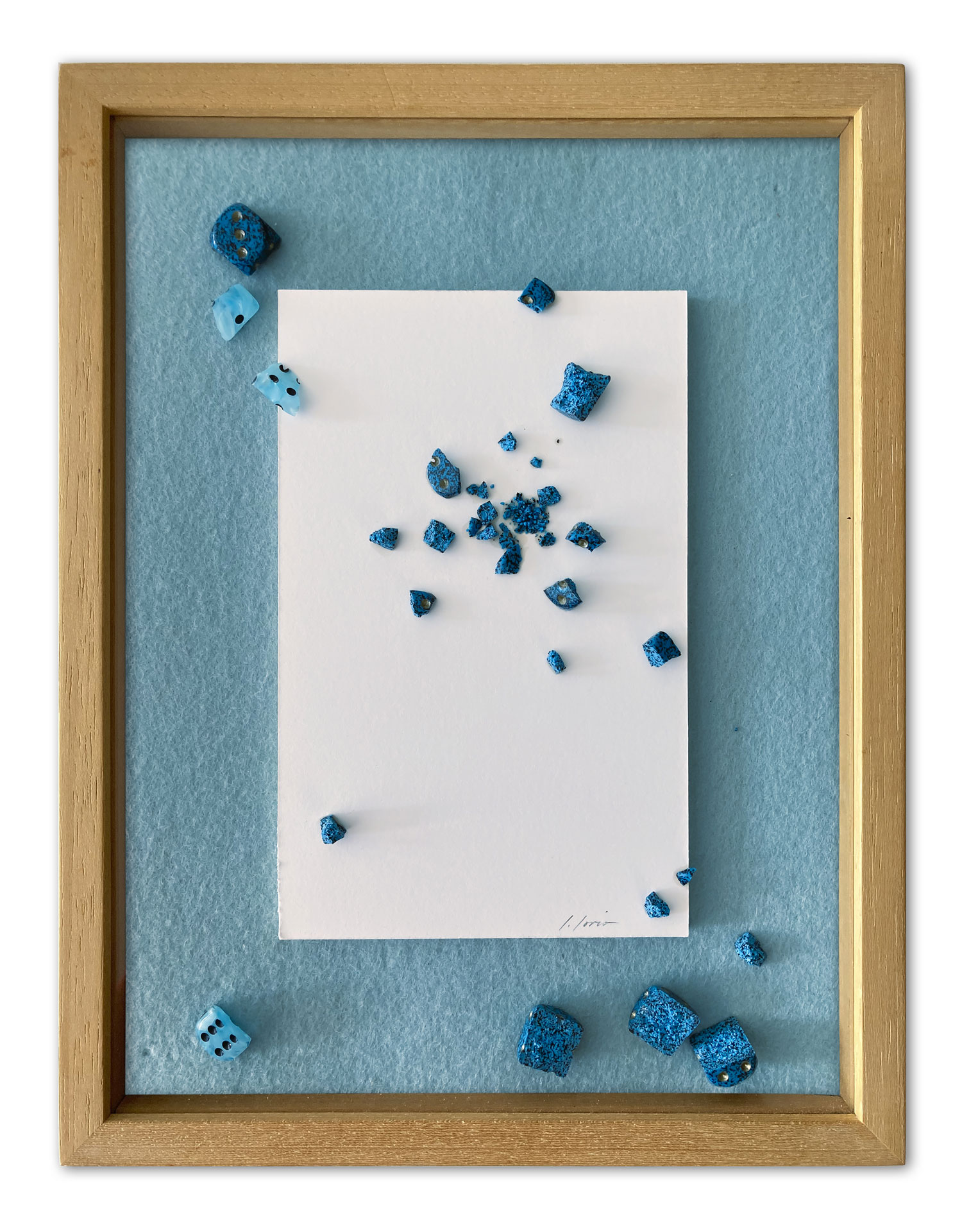
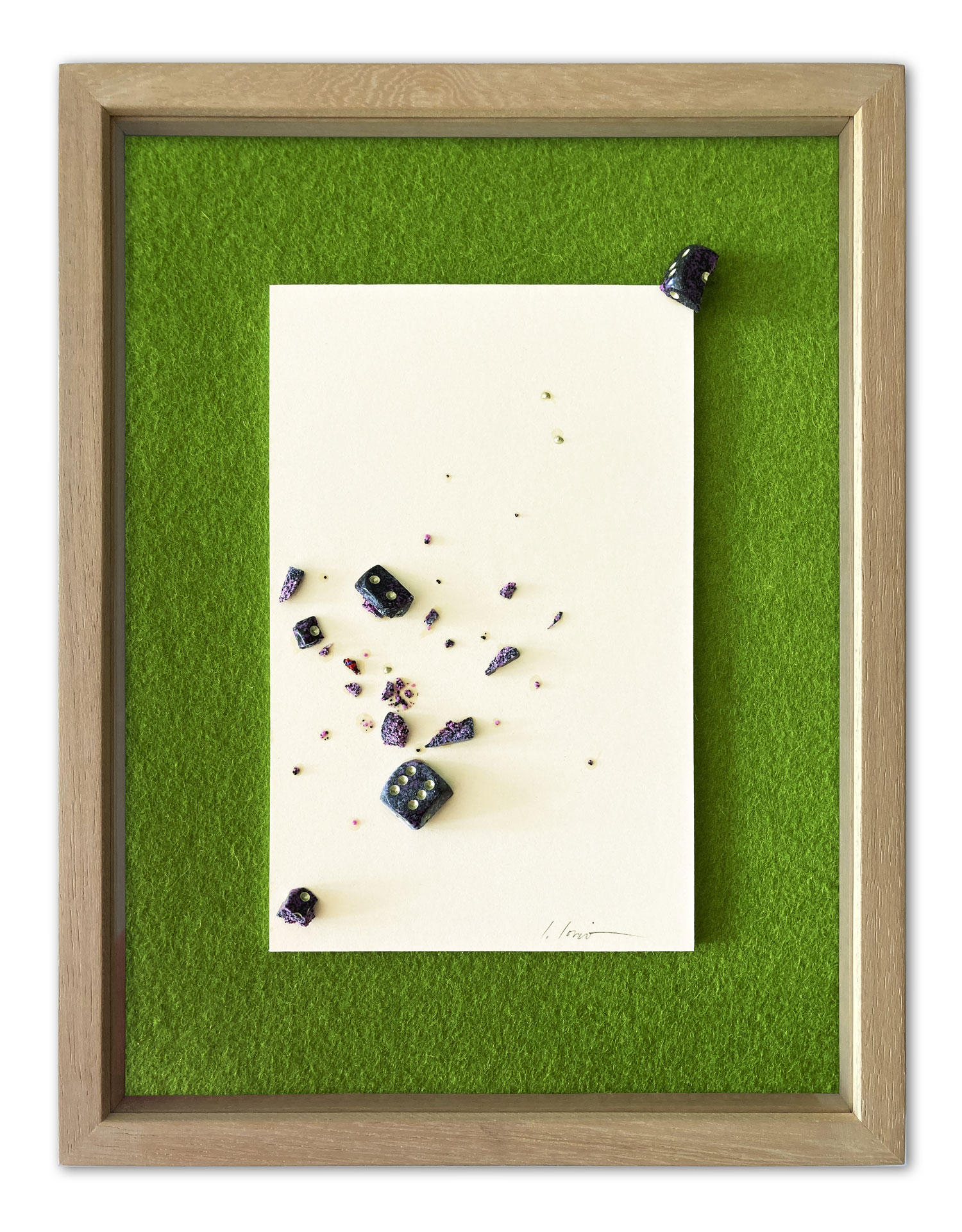
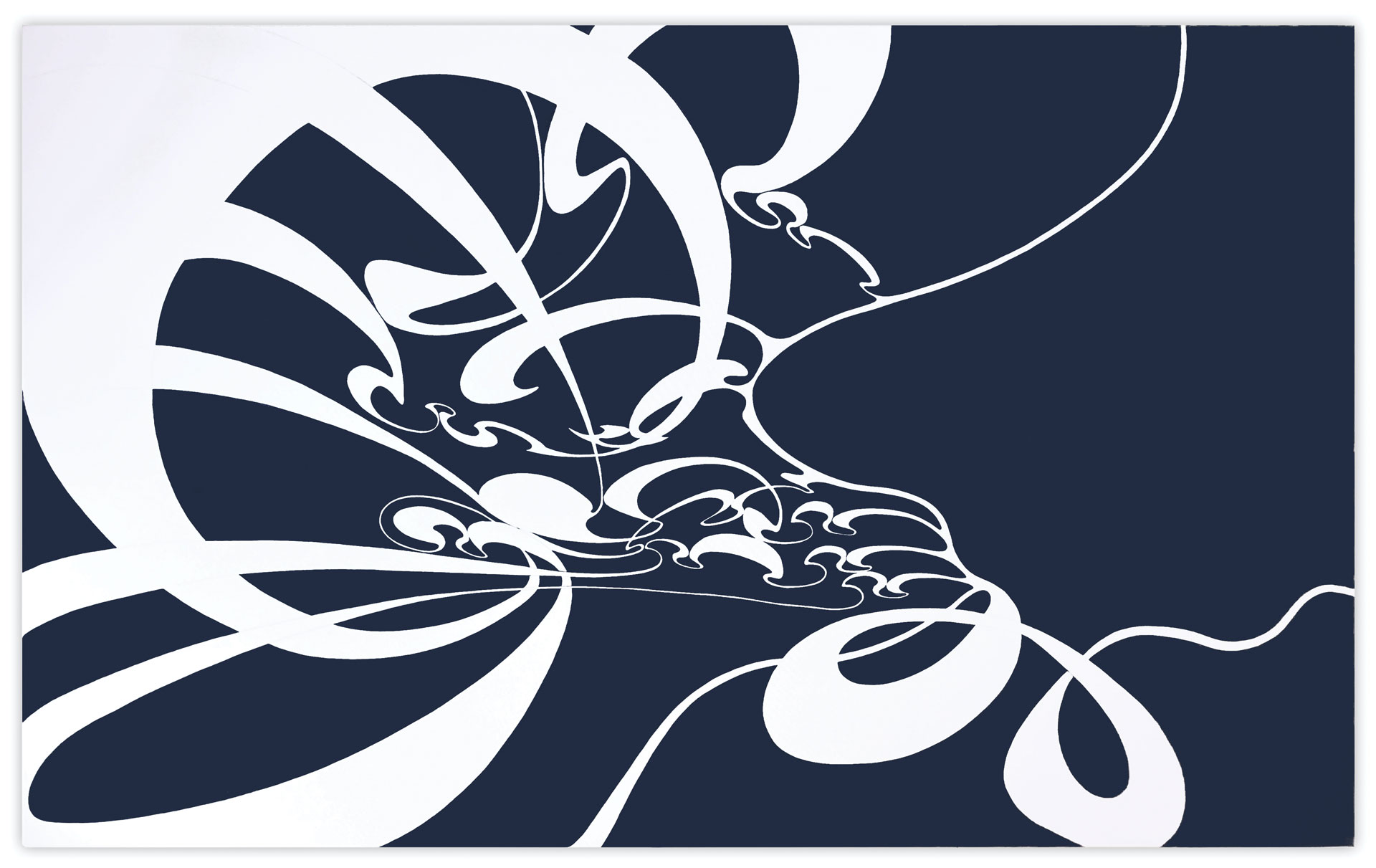
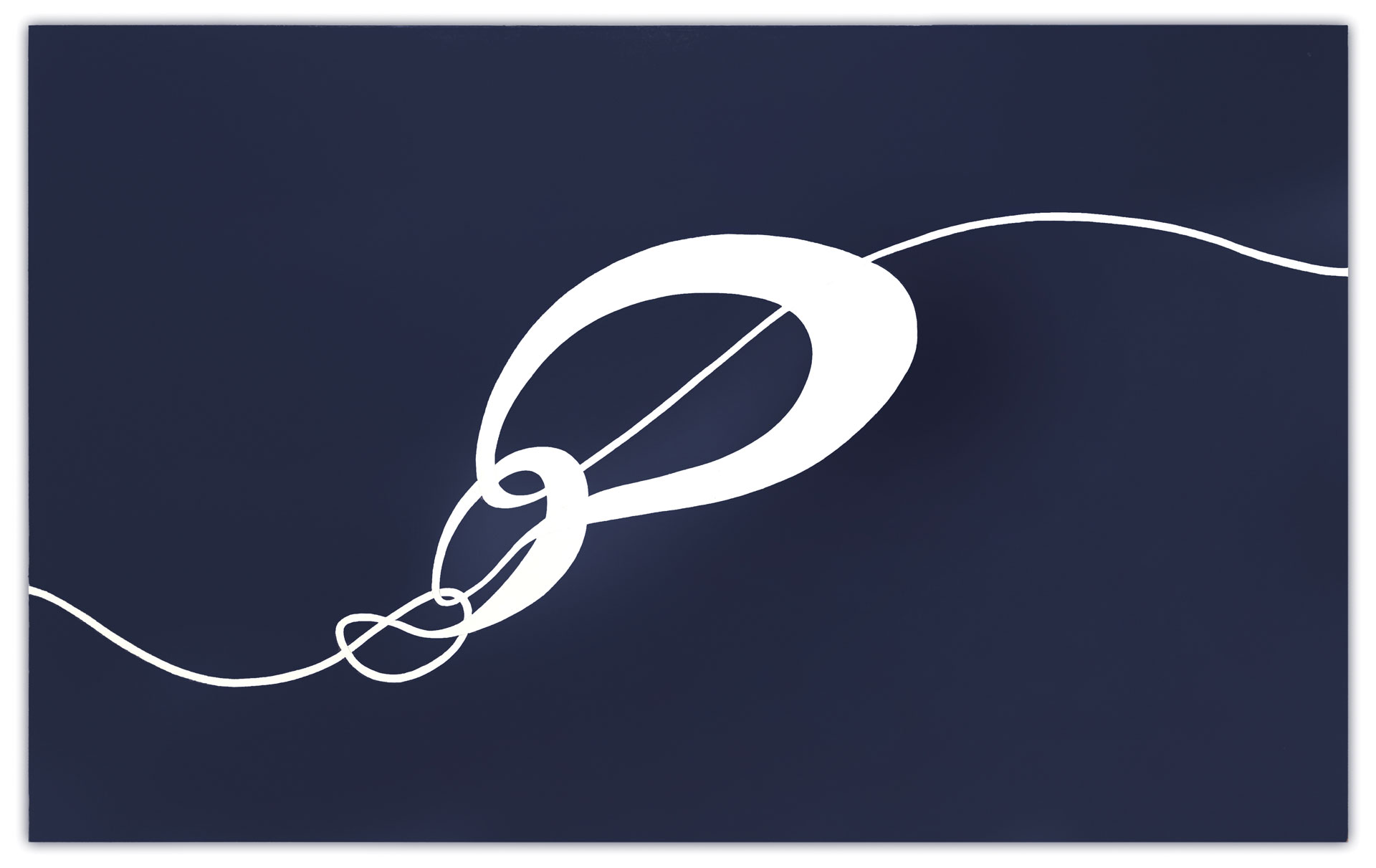
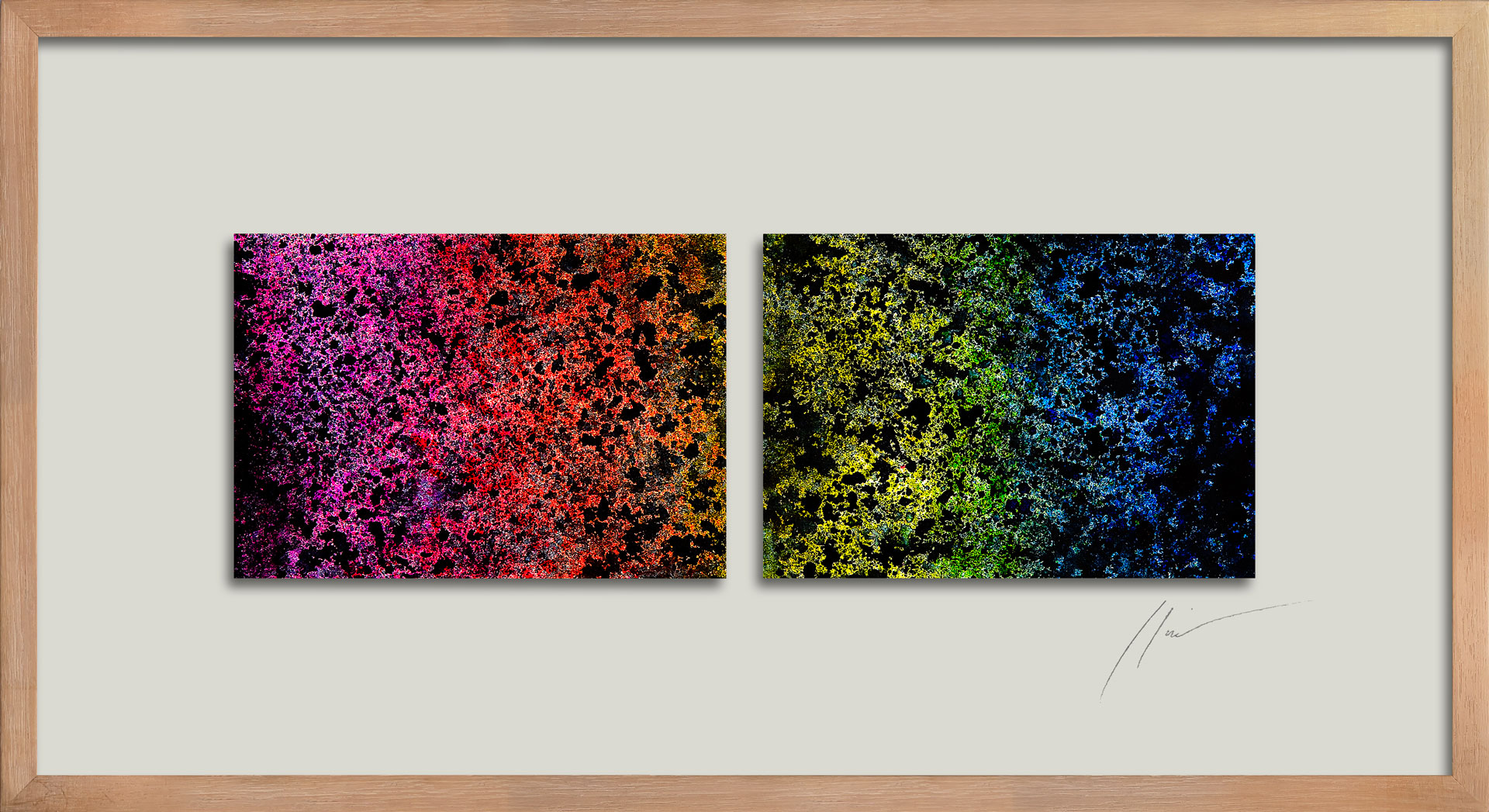
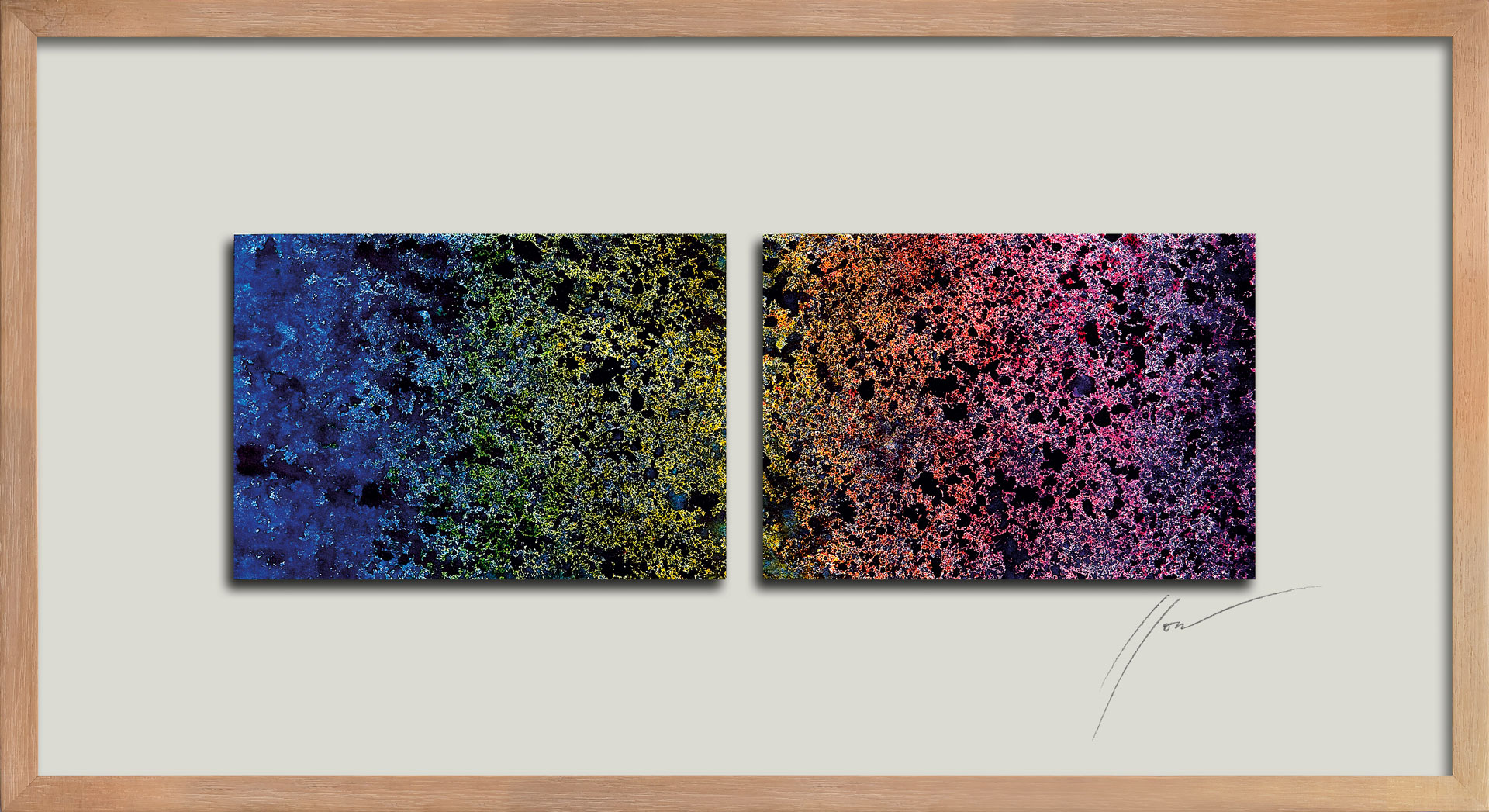
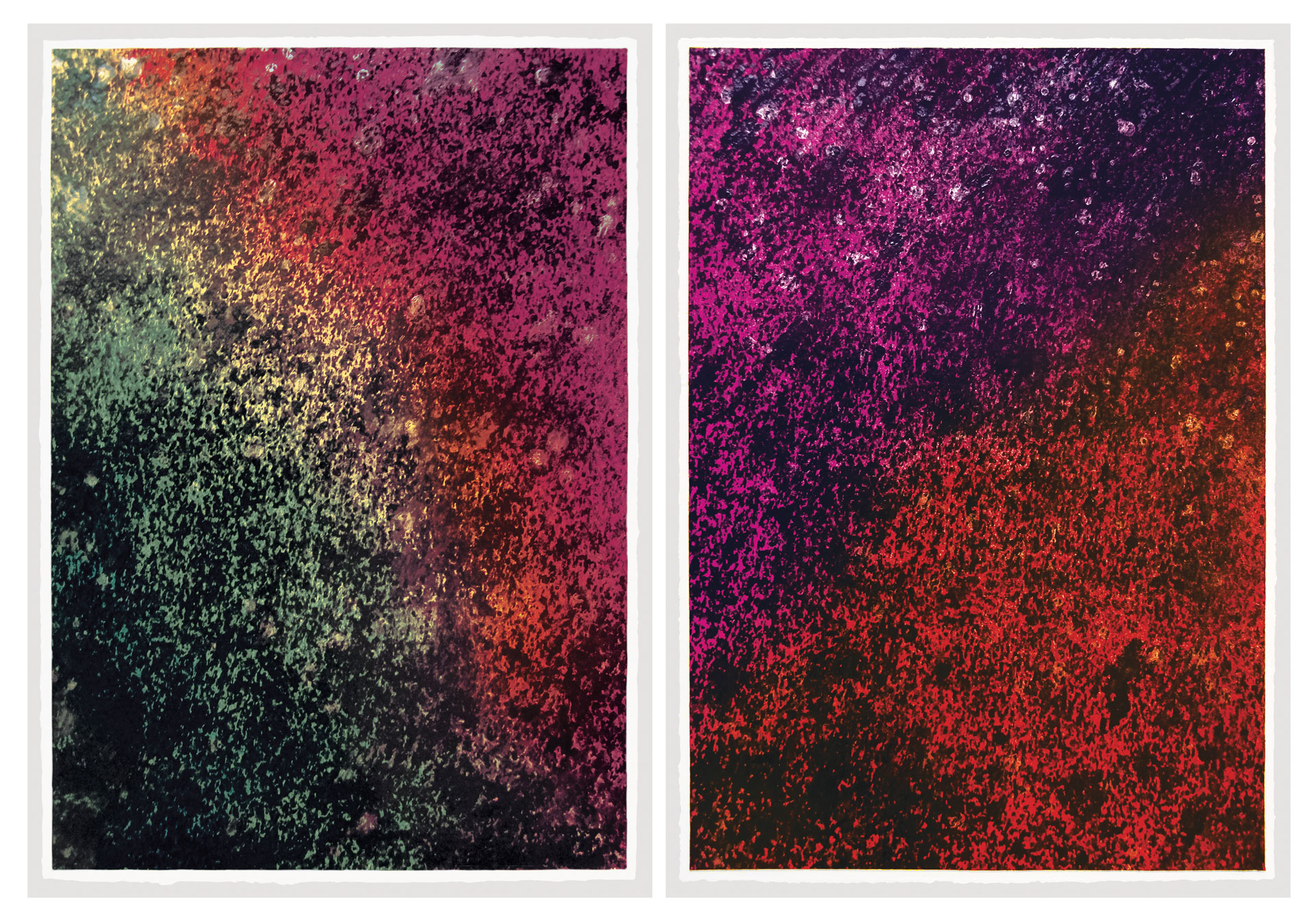
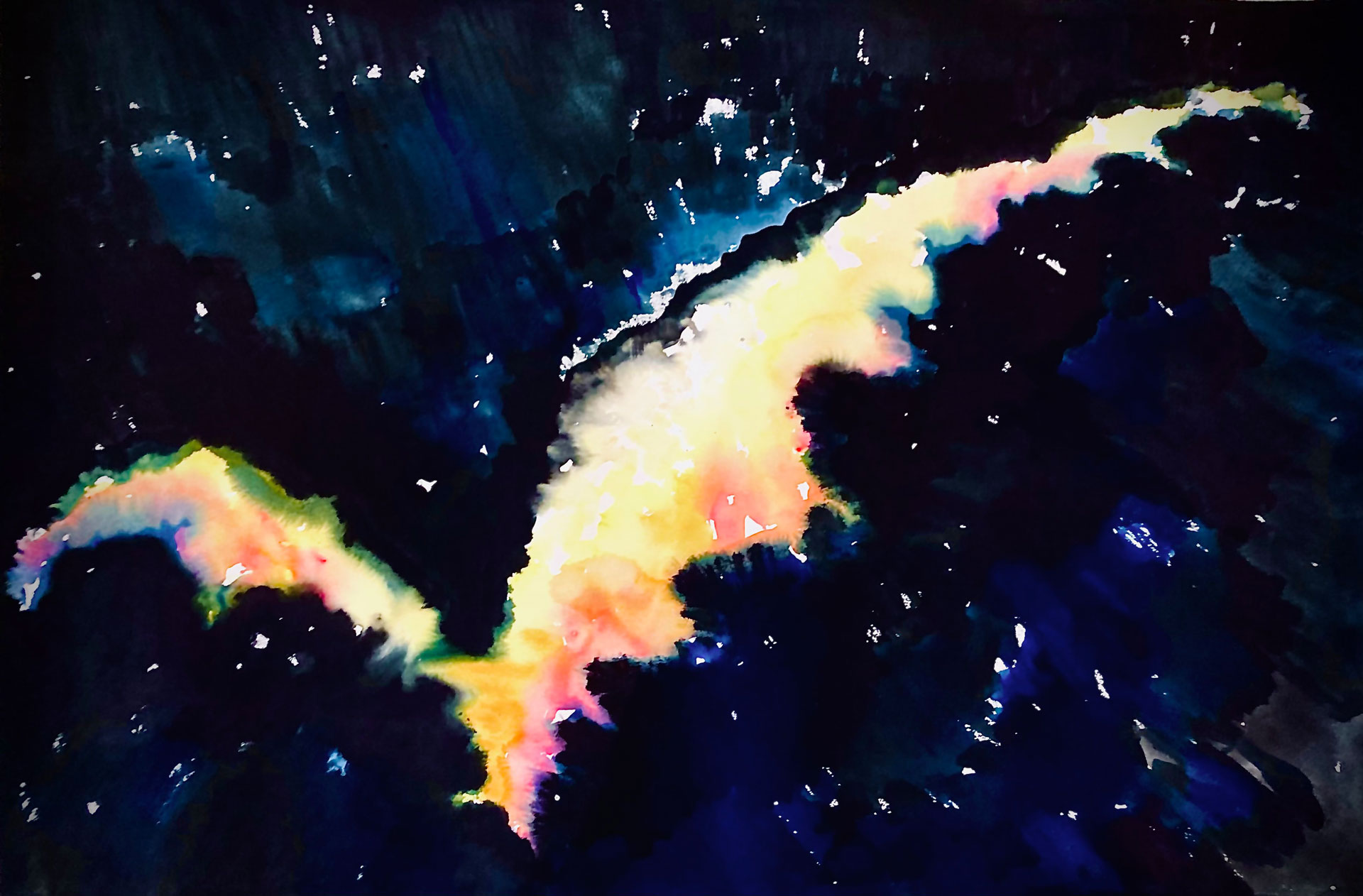
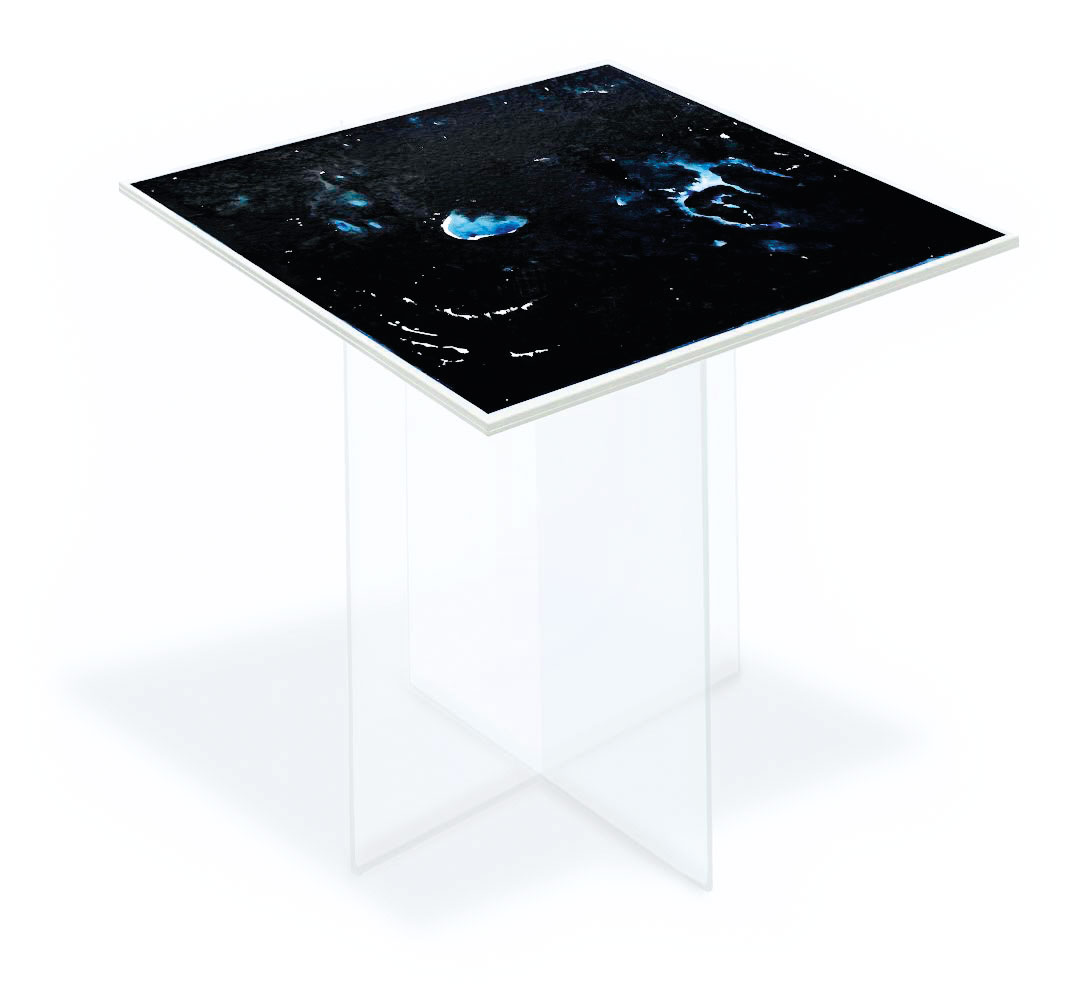
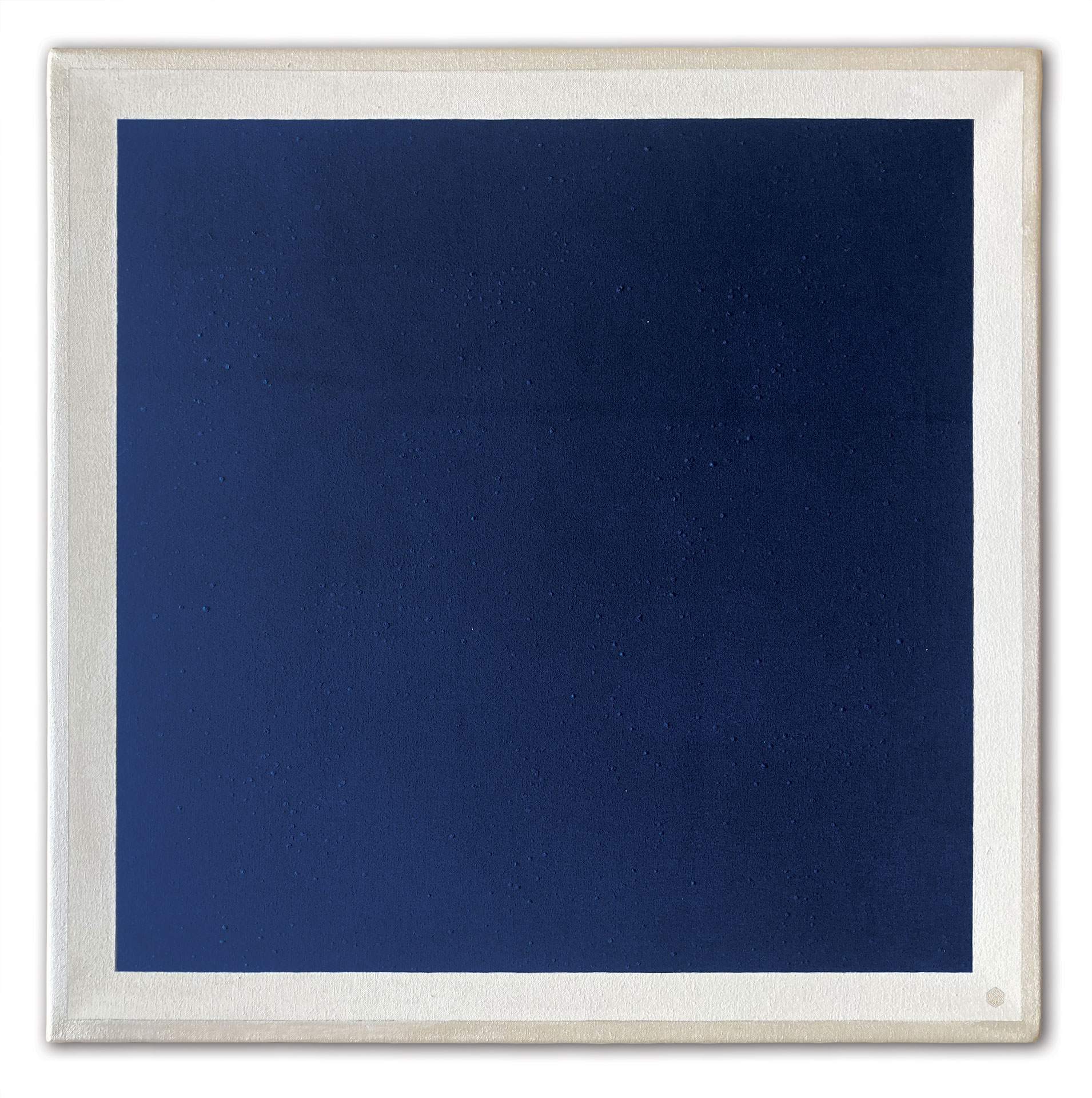
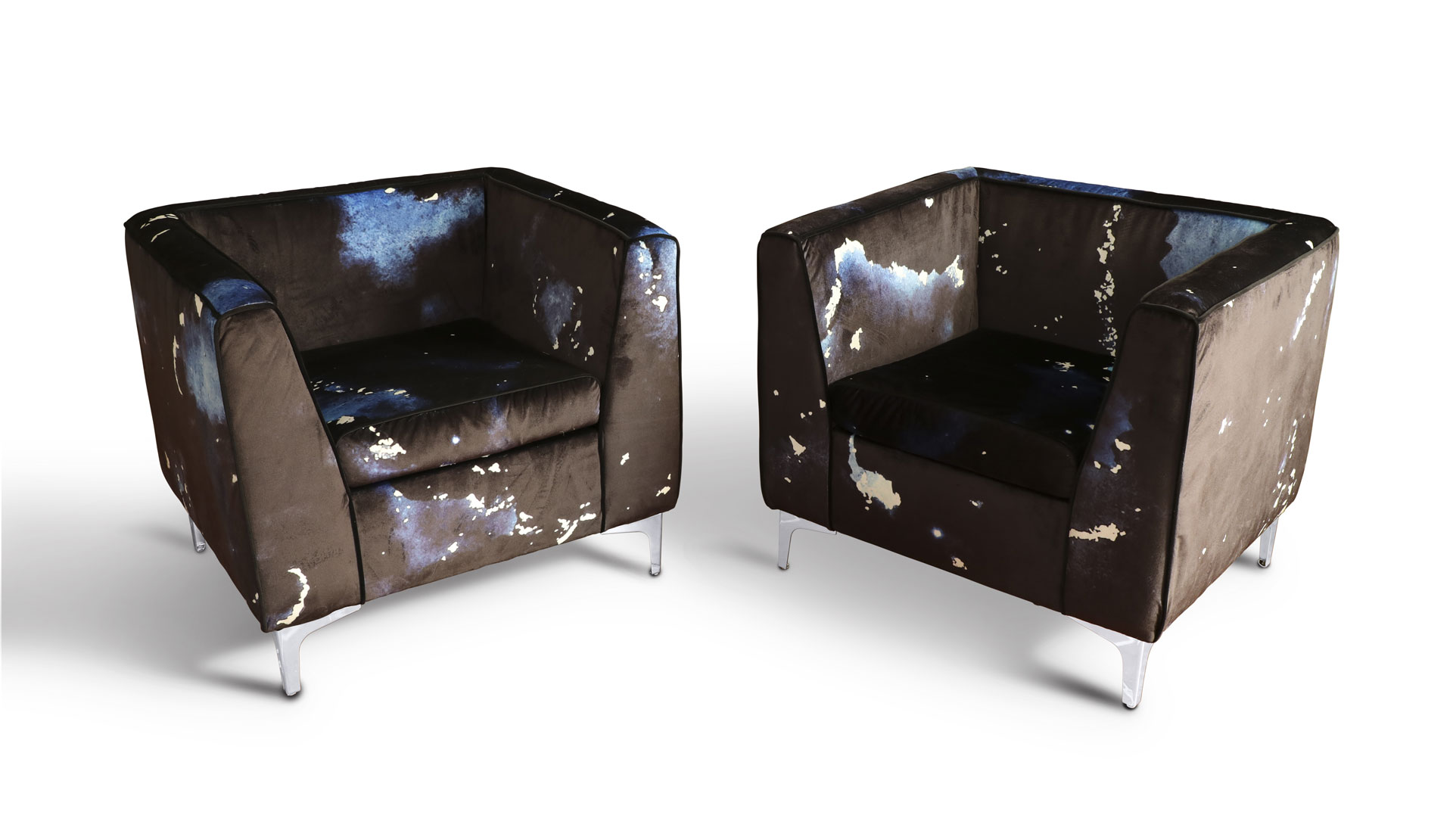
The word “astro” shares the same root as “abstract,” reminds the Roman-born artist who lives and works in Umbria. Thus, her first solo exhibition at Kou Gallery is titled Astreia, in ancient Greek meaning “starry night” or “daughter of the stars.” It was also the name of the goddess of purity and precision. Poetry and mathematics. The anthological exhibition traces, through sixteen works (including three furniture components forming an environmental installation), the artist’s creative journey — from early monochromes on paper to “colored noises,” watercolors mixing metallic flakes and gold dust. From “burnt papers” in deep blue with pink outlines resembling the soft reflections of an ancient oriental fabric, to cosmographies and the galaxy-code — large-format works created specifically for this exhibition. As in one of the theories of the universe, her world moves by “inflation” from dense monochrome to a multitude of signs.
Gallery


