Works on display
Artists
Curators
360
And then I am seized by another vertigo, that of the detail of the detail of the detail, I am sucked into the infinitely small, as before I was dispersed in the infinitely vast.
Italo Calvino (Six Memos for the Next Millennium)
It is no coincidence that at the beginning of their creative journey, many artists have sought a balanced and universal art, conceived as a means to achieve harmony adaptable to reality. Beyond formal structures that define pictorial works, one often discovers a poetic vein — the total essence — where sensitivity is channeled through an intelligent, ordered balance that arranges the visual elements composing the imaginary.
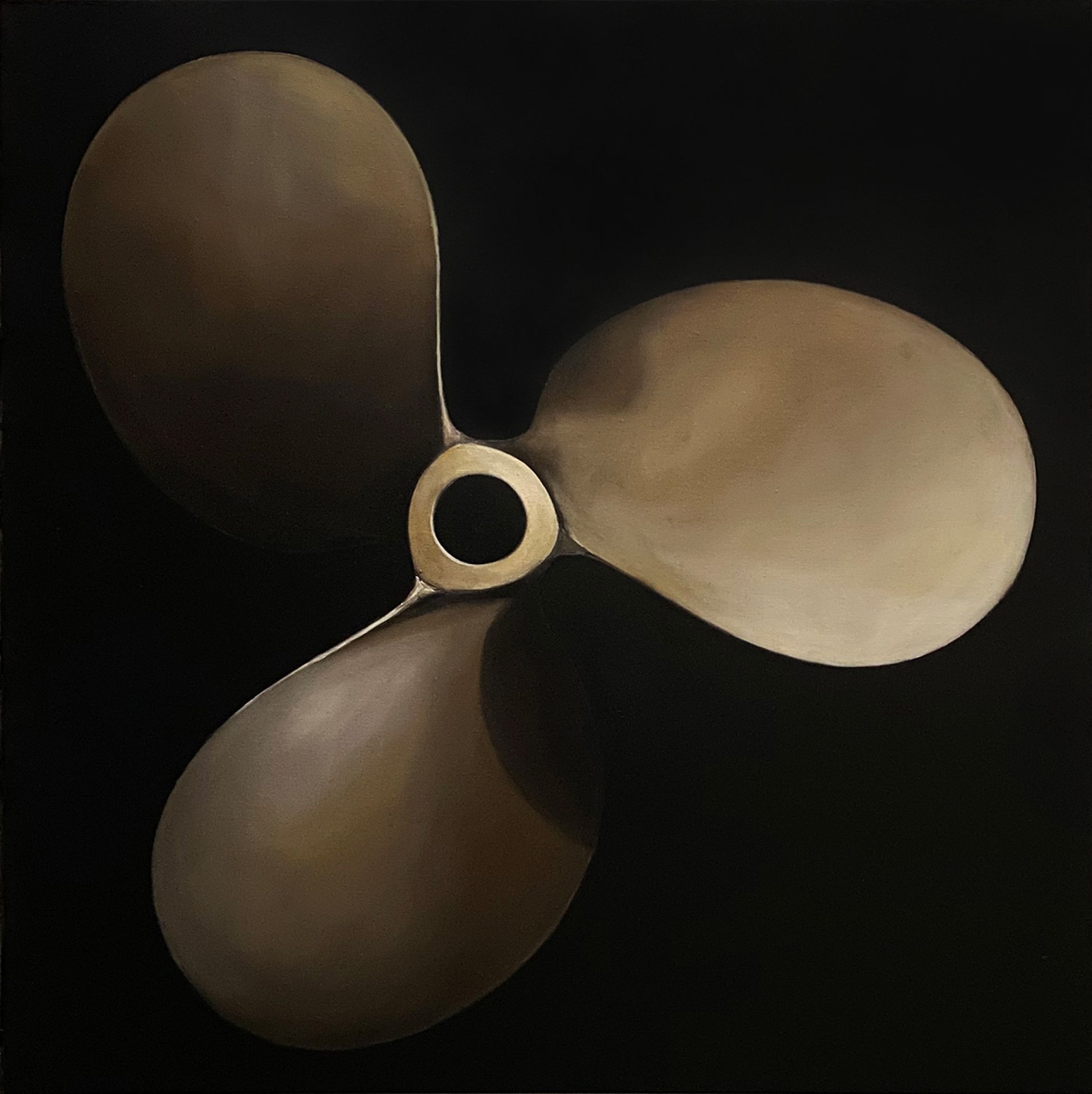
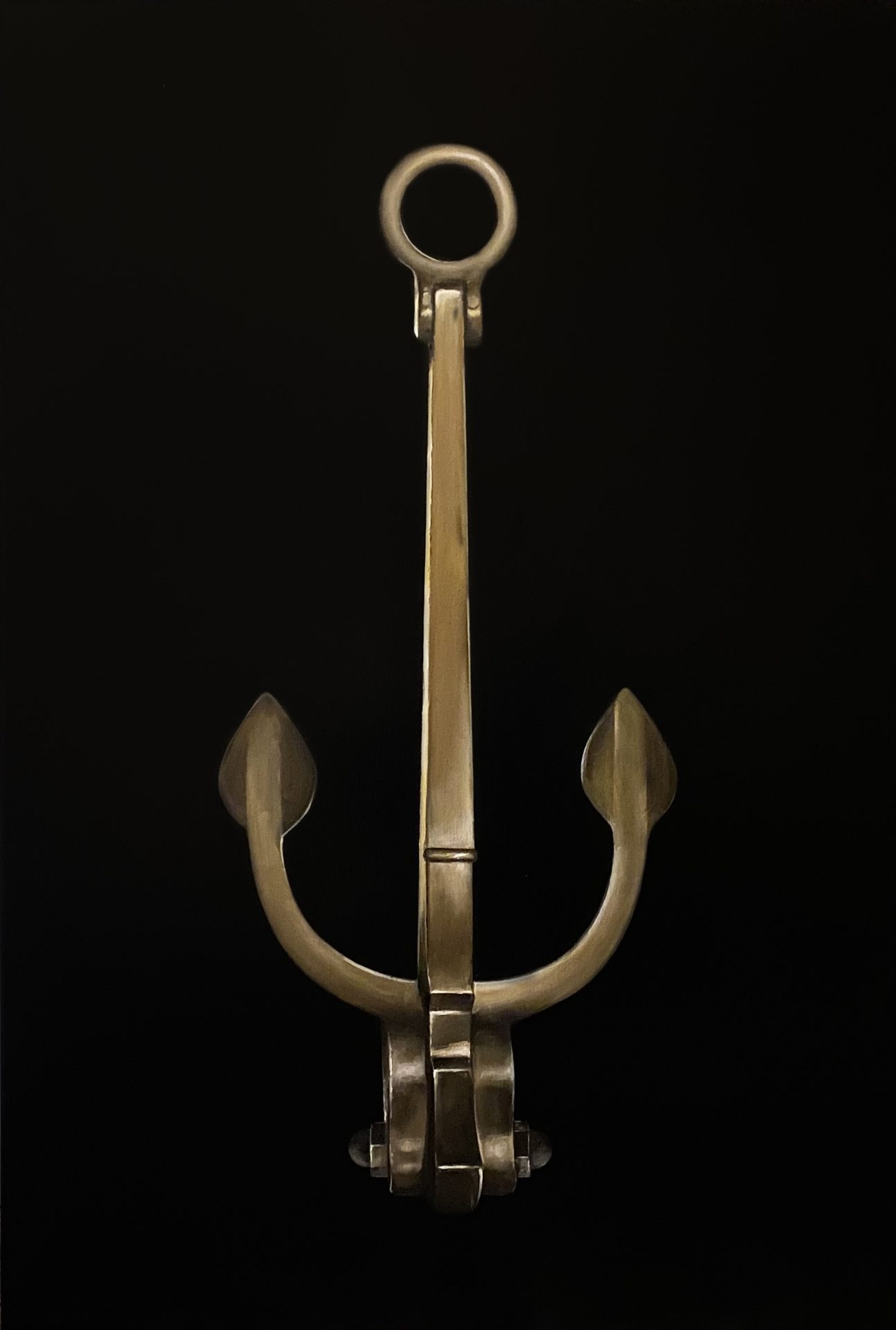
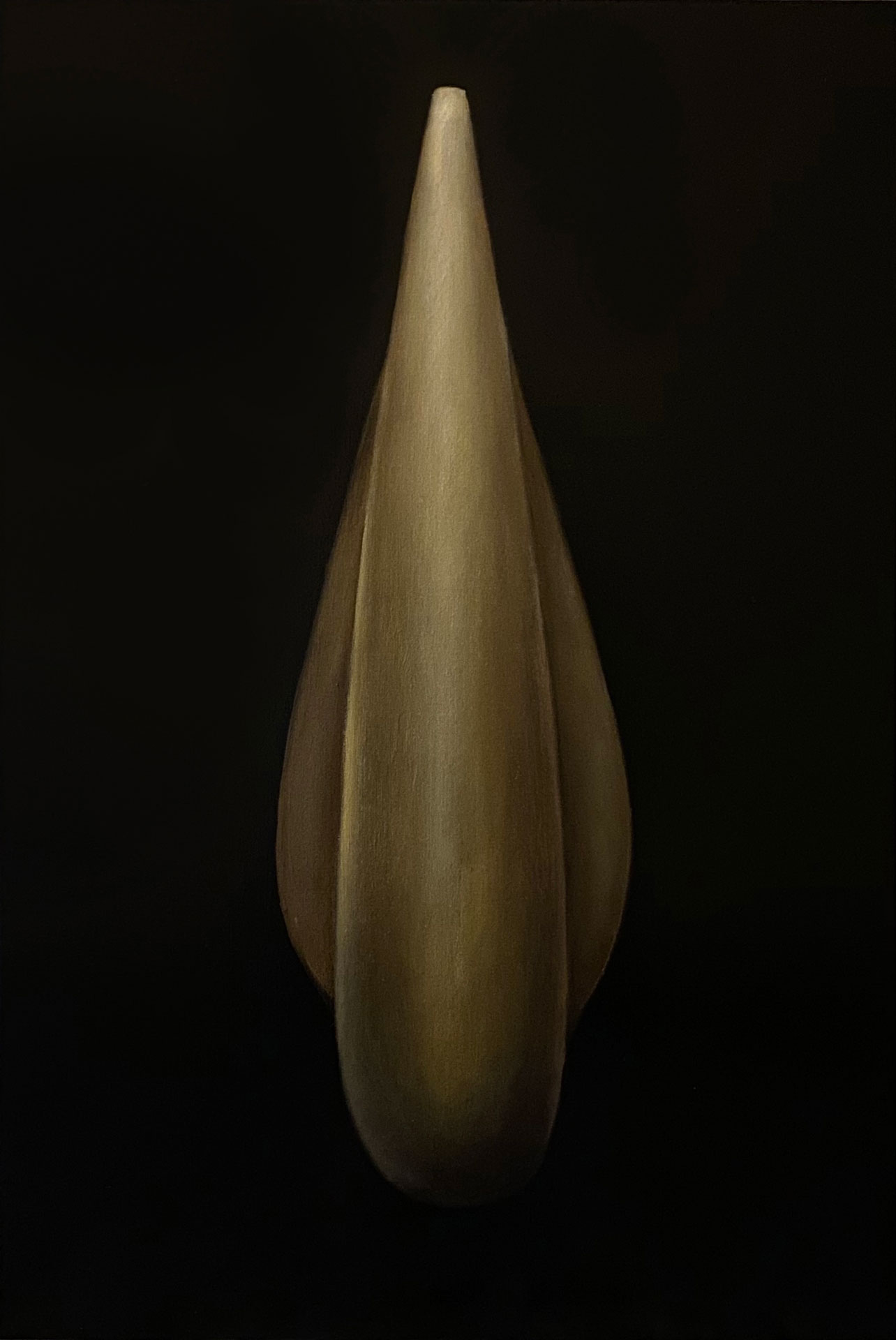
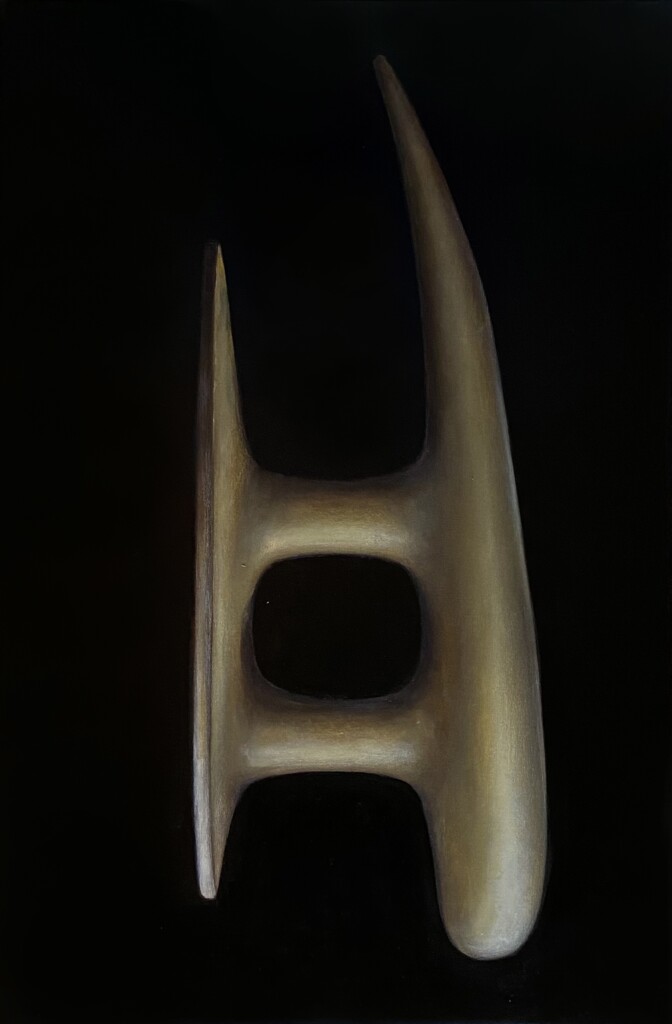
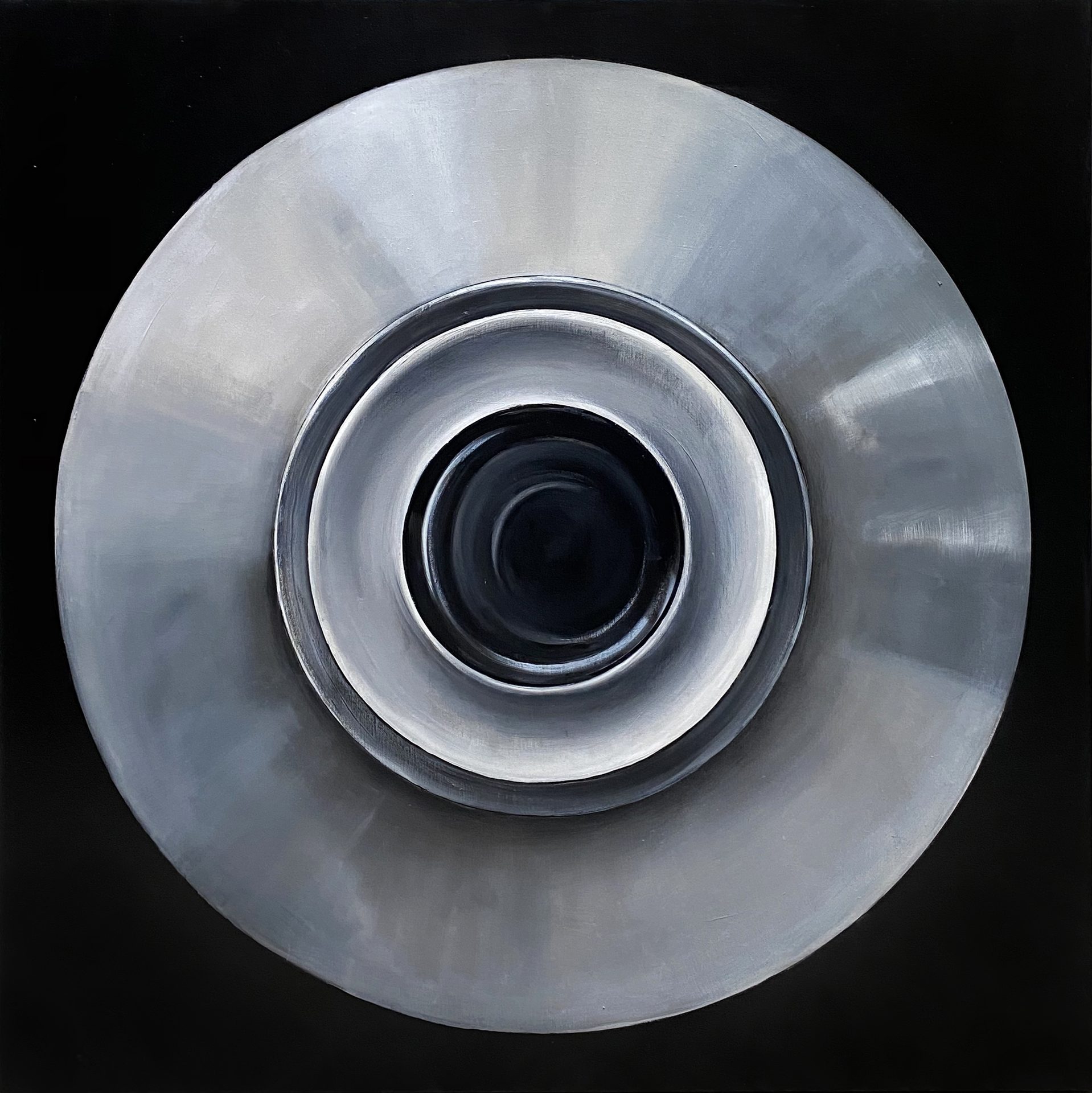
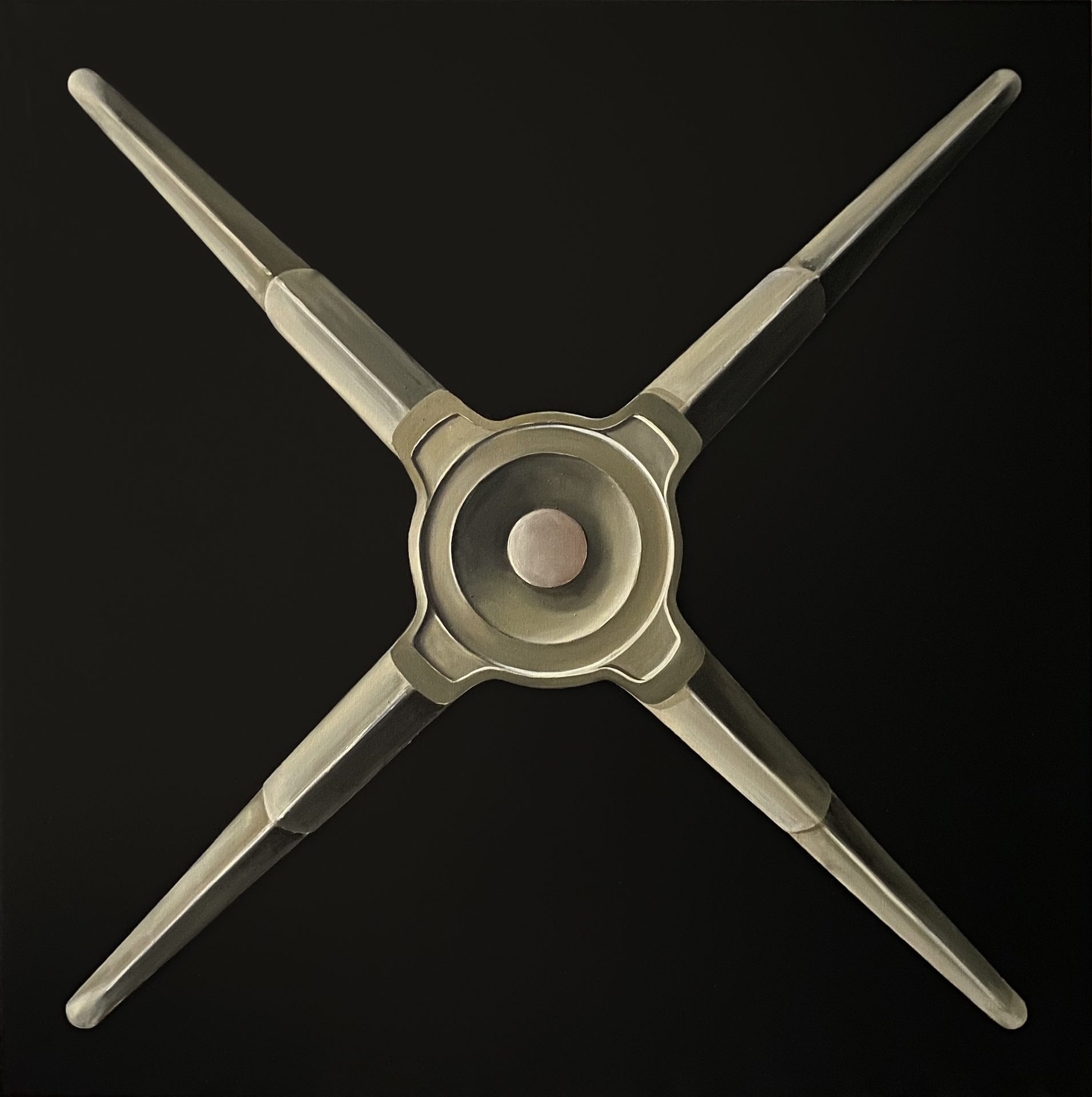
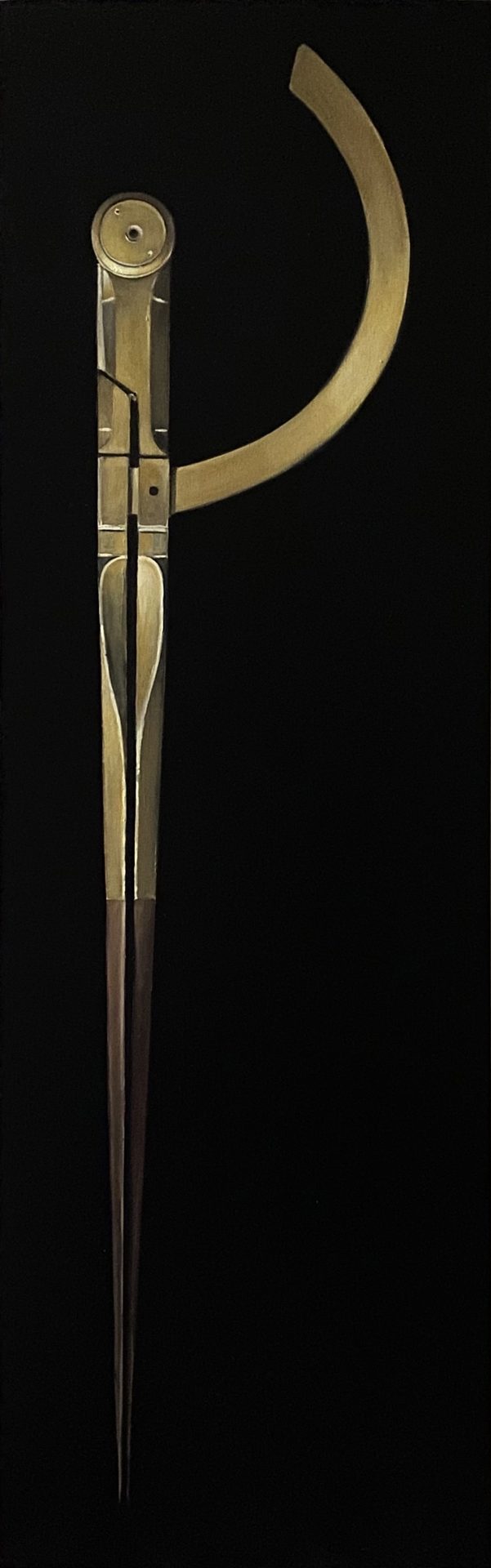
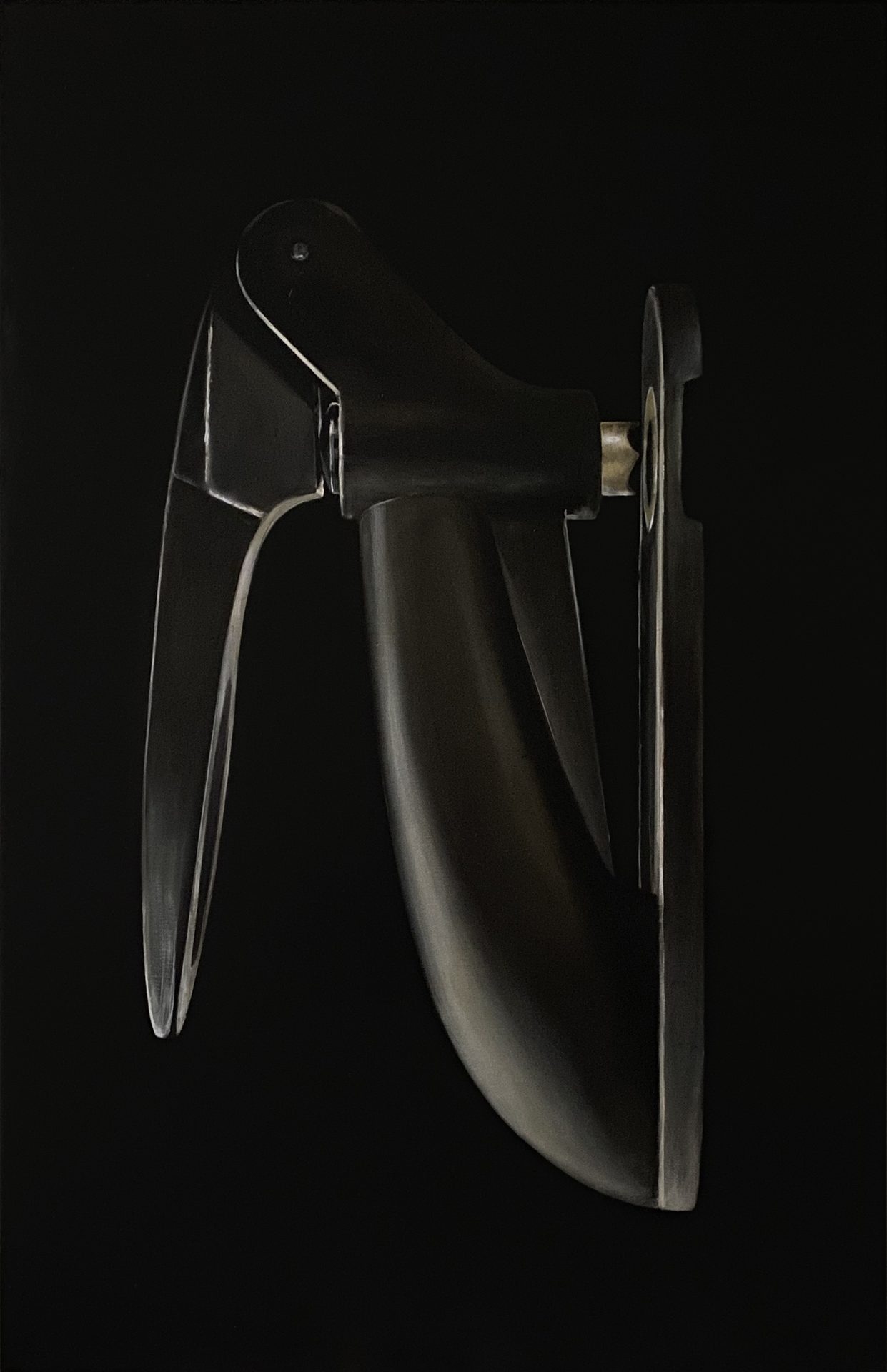
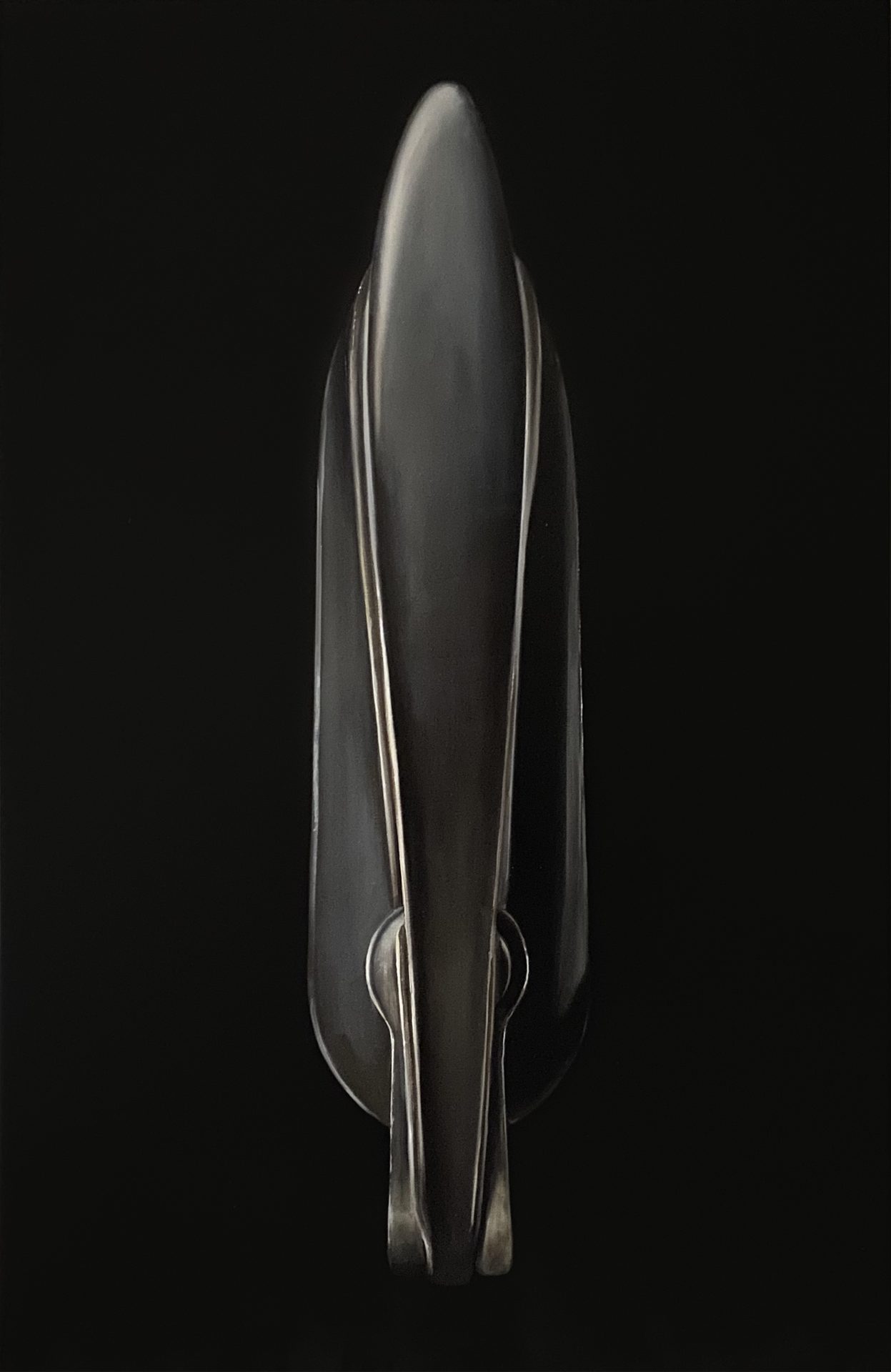
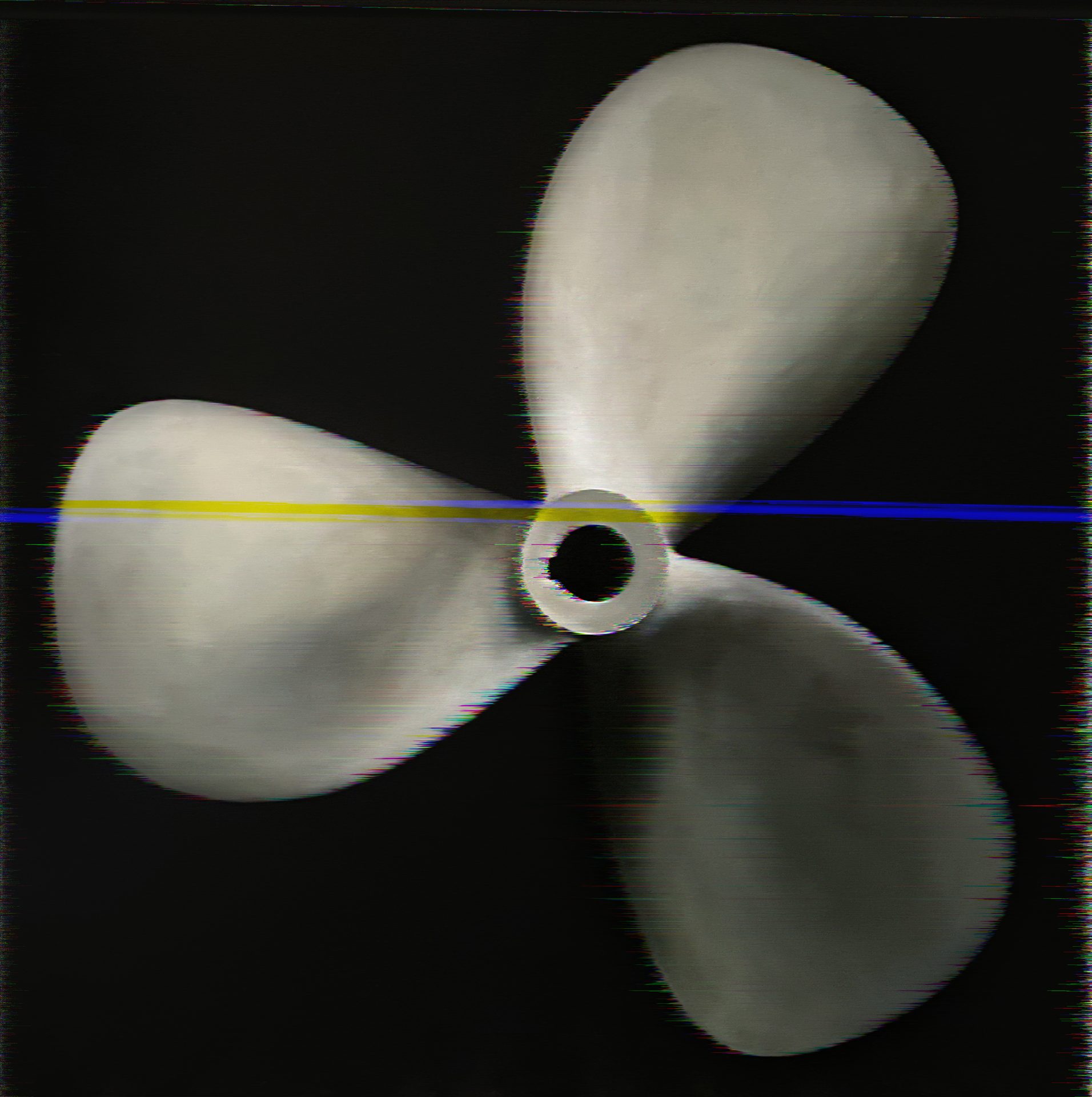
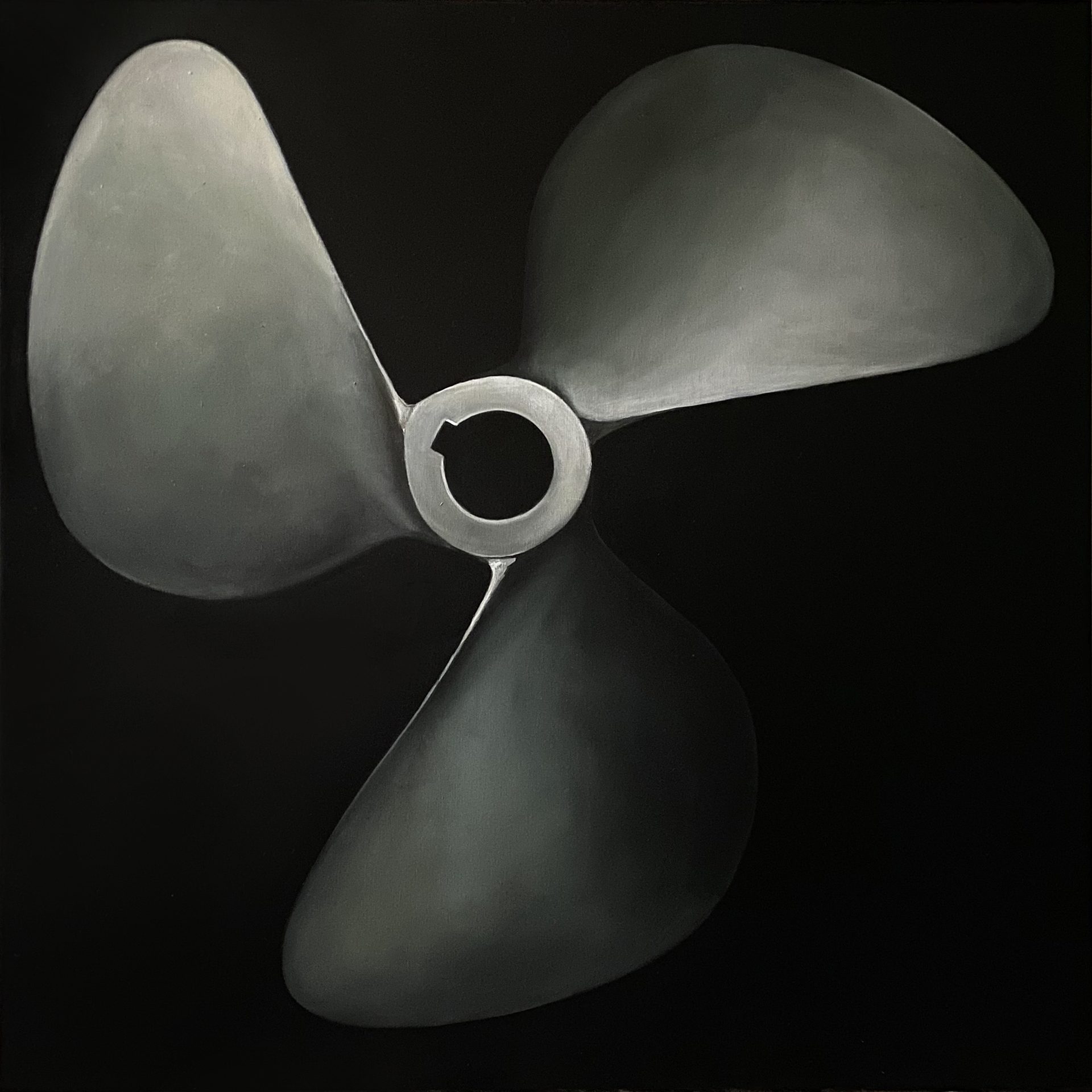
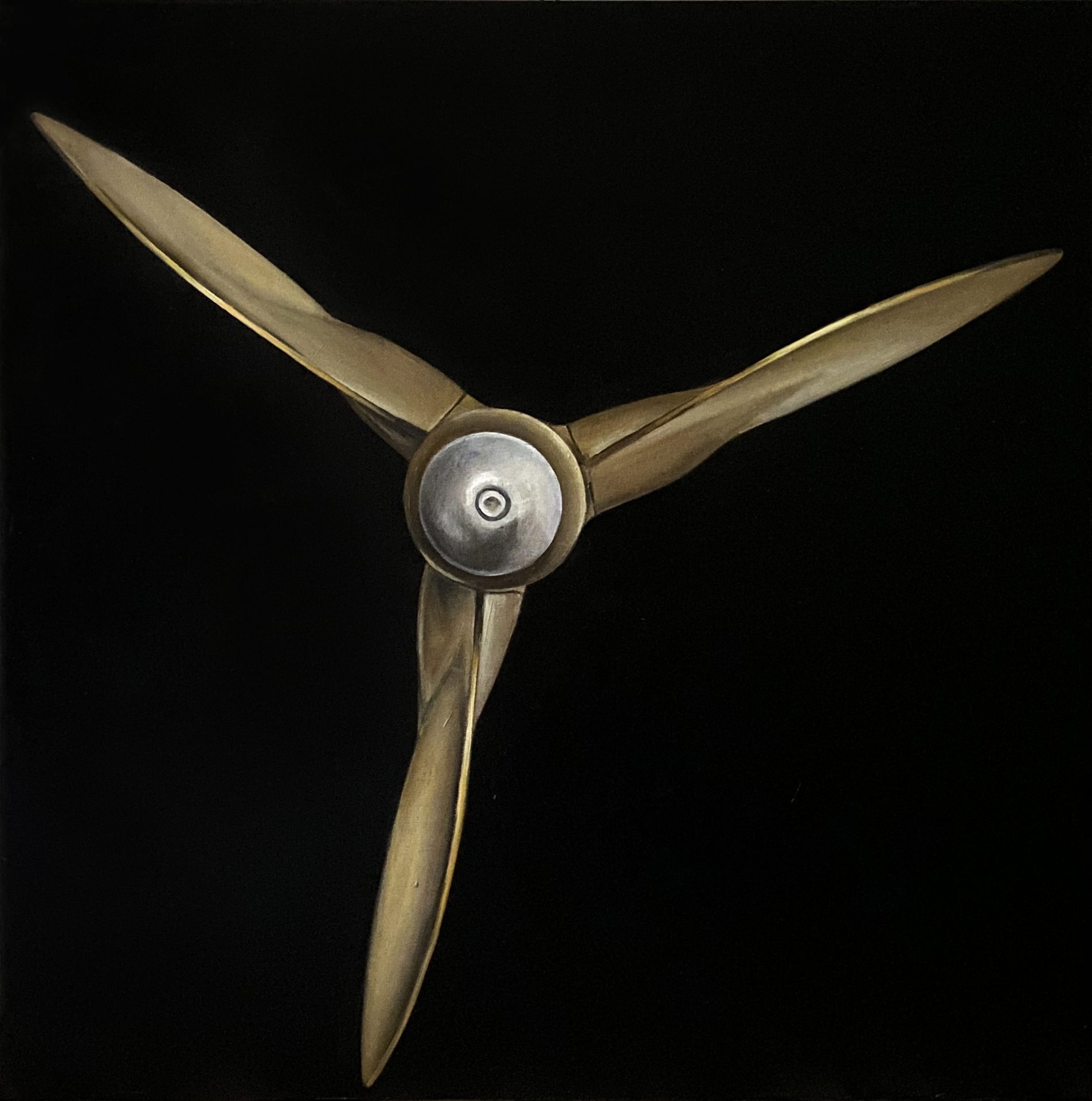
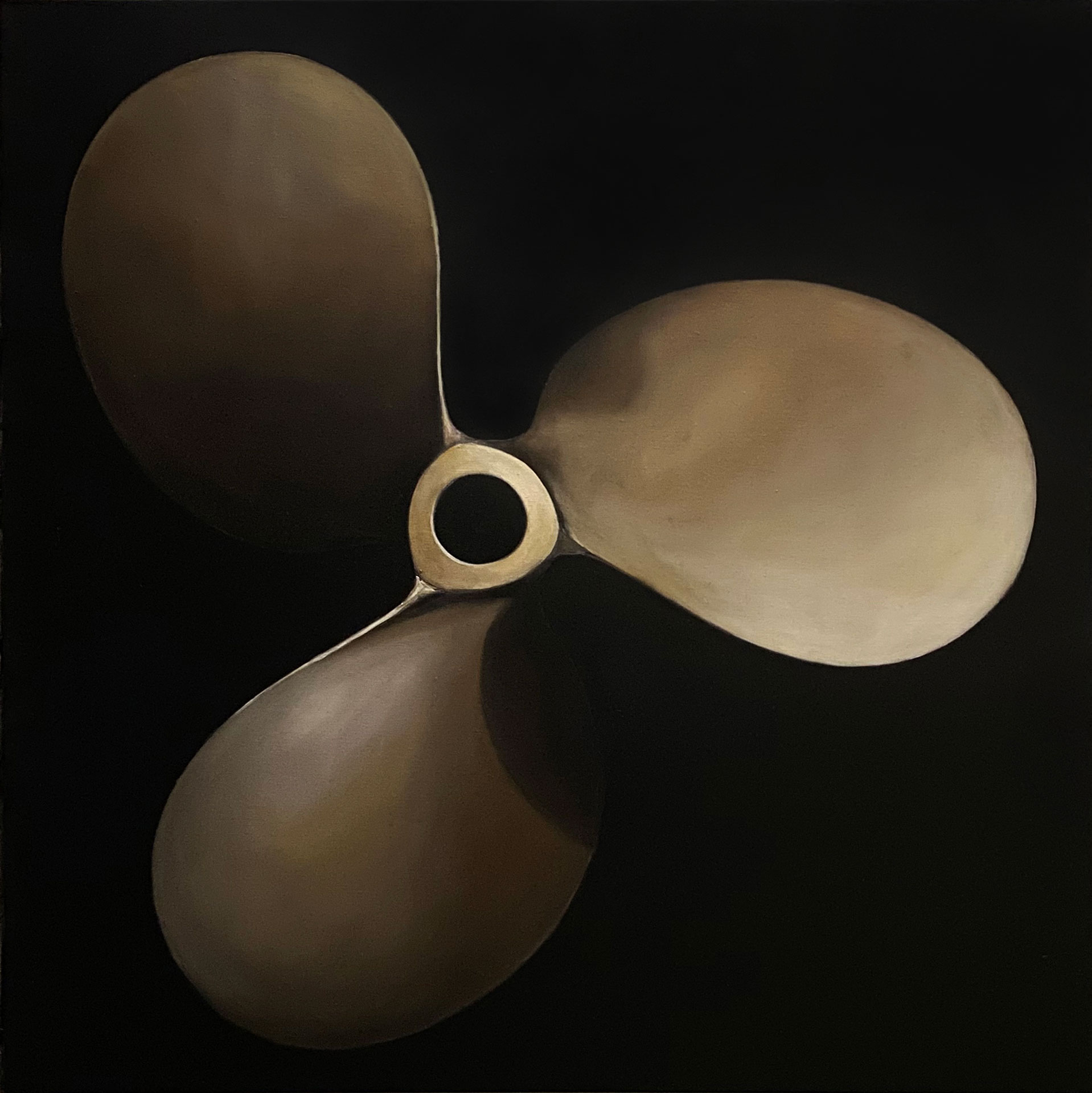
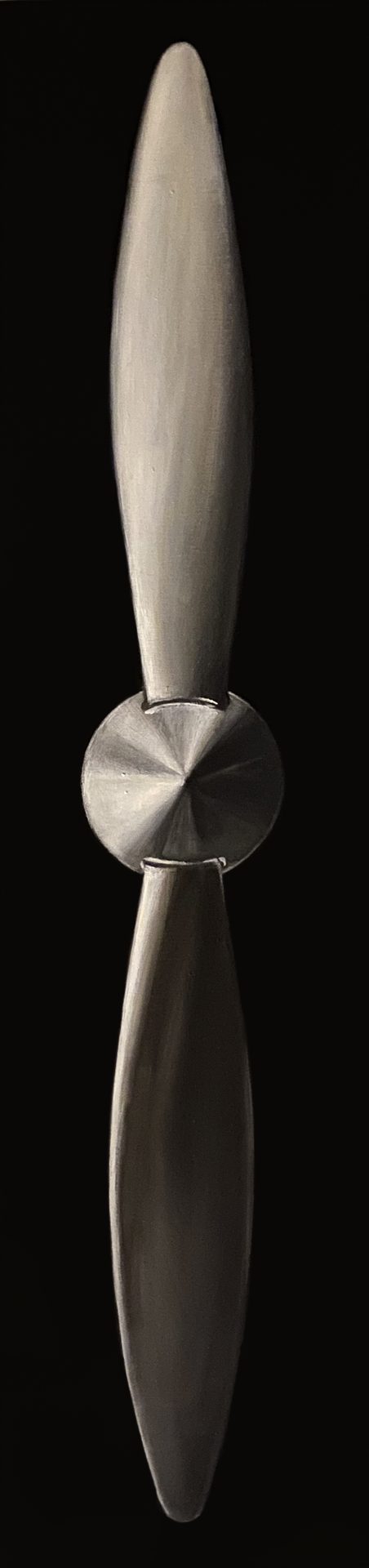
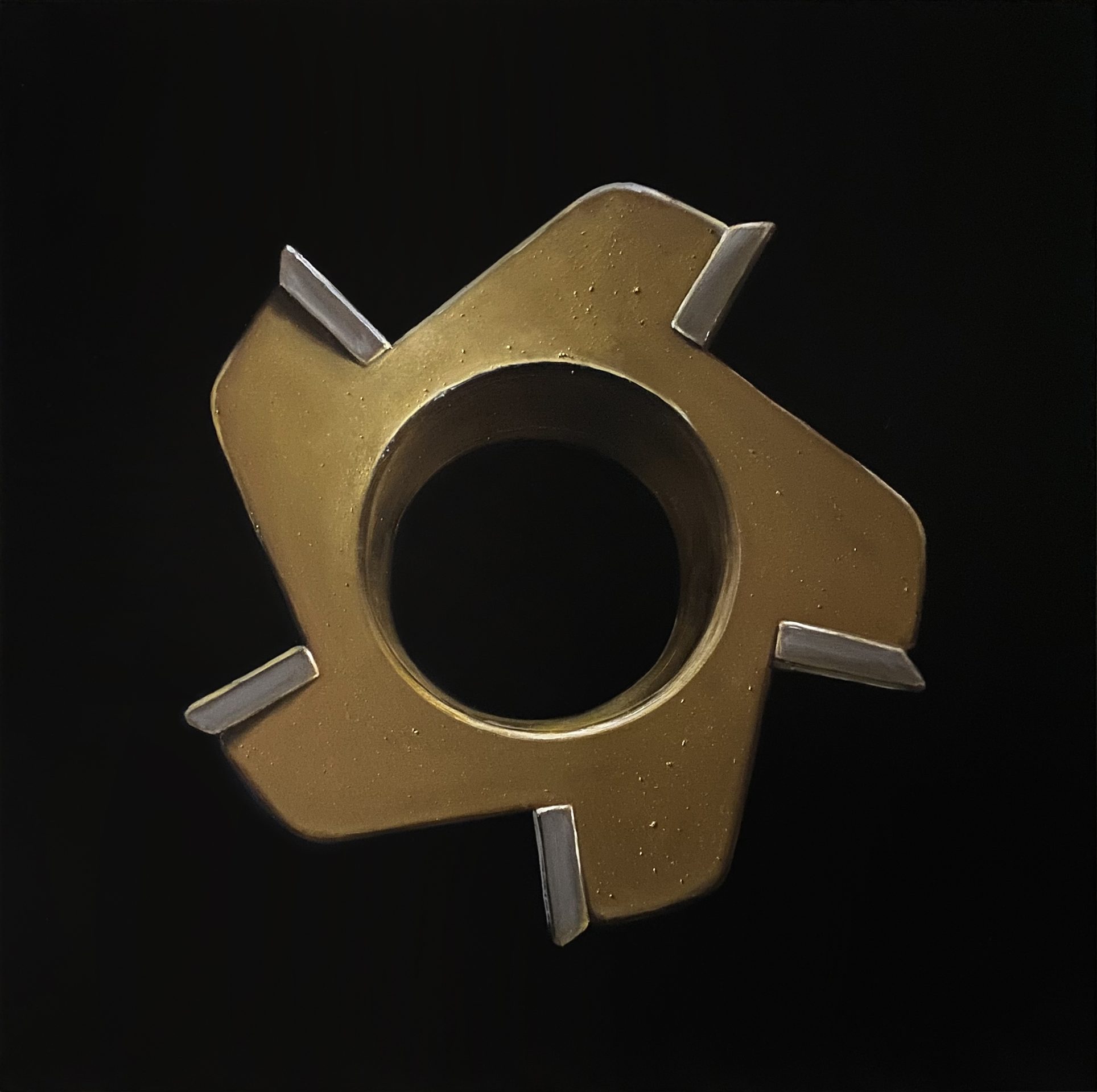
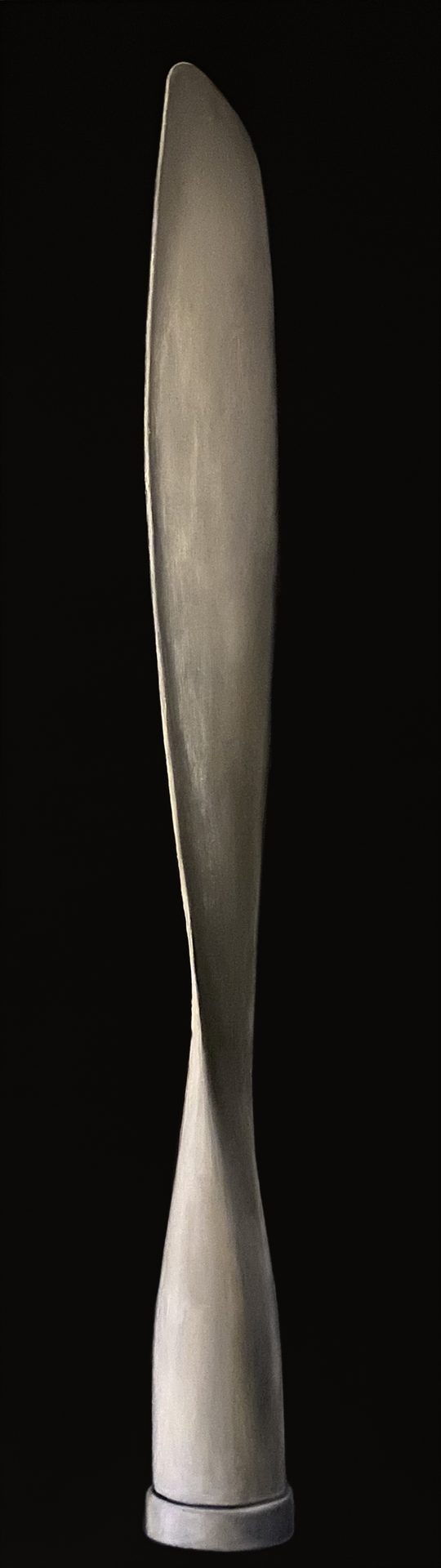
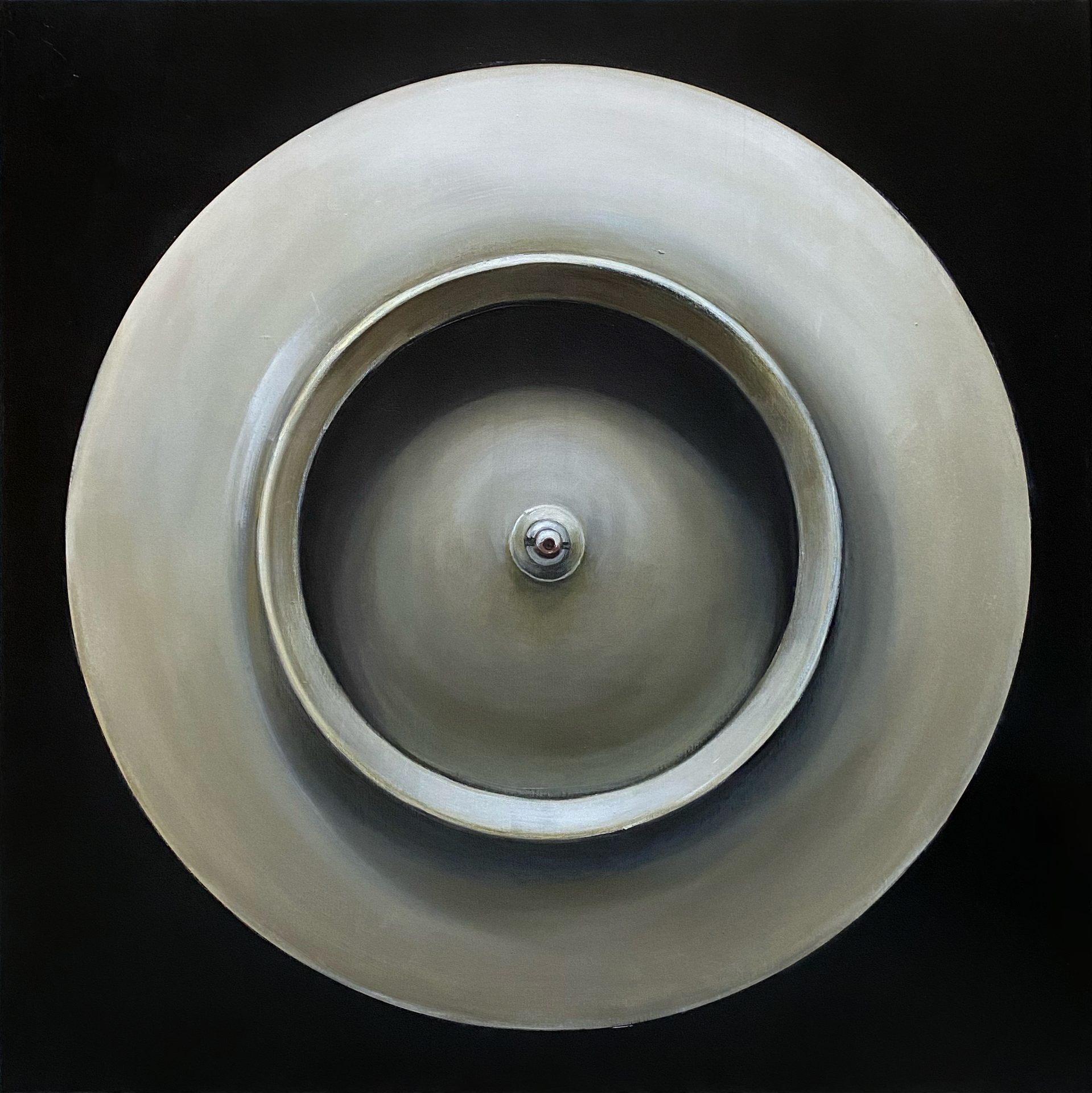
According to Alberto Giacometti, “The object of art is not to reproduce reality, but to create a reality of equal intensity.” At the core of Costanza Alvarez de Castro’s artistic practice lies a careful reading and interpretation of what surrounds us, applying a process of reducing details so that the representation of reality focuses on specific visual factors. In this latest cycle, titled “Visual Infinity,” the artist is drawn to the deconstruction and reconstruction of forms in space, framing sensations of finiteness and infinity within the canvas. The work stages the contradiction of imagination, favoring color and material application that resolve the surface through tonal and chromatic harmonies. The poetry born from color combinations evokes inner evolutions that reveal a deep inclination toward expressive vision. This is enhanced by the use of subtle hues, light overlaps, and at times, strong material presences within the depicted objects. As Carlo Carrà said, “Painting must capture the relationship that includes both empathy with things and the need for abstraction.” The material elements in these canvases — propellers, moorings, compasses, inkwells — stem from a rejection of traditional vision, revealing emotional charge and distinctive conception.
Within the meticulously composed canvas, the horror vacui dominates, eliminating empty spaces. Genuine is the artist’s pleasure in hyper-description and the obsessive definition of each element, dissolving hierarchical order — where details become protagonists. “Painting is more an act of possession than of representation,” wrote Philip Guston.
The frequent photographic framing conveys immediacy and a sense of direct capture from reality, though the composition is carefully constructed. The chosen subjects, drawn from personal memory, reveal a refined taste for the “unobserved,” for the artifice that surprises, and for unusual perspectives also present in earlier works. Perspective, modulated freely, serves to reveal and astonish, showing multiple facets of a subject. As poet Kahlil Gibran wrote, “Art is a step from nature toward the infinite.”
Massimo Scaringella
