Africa Staged
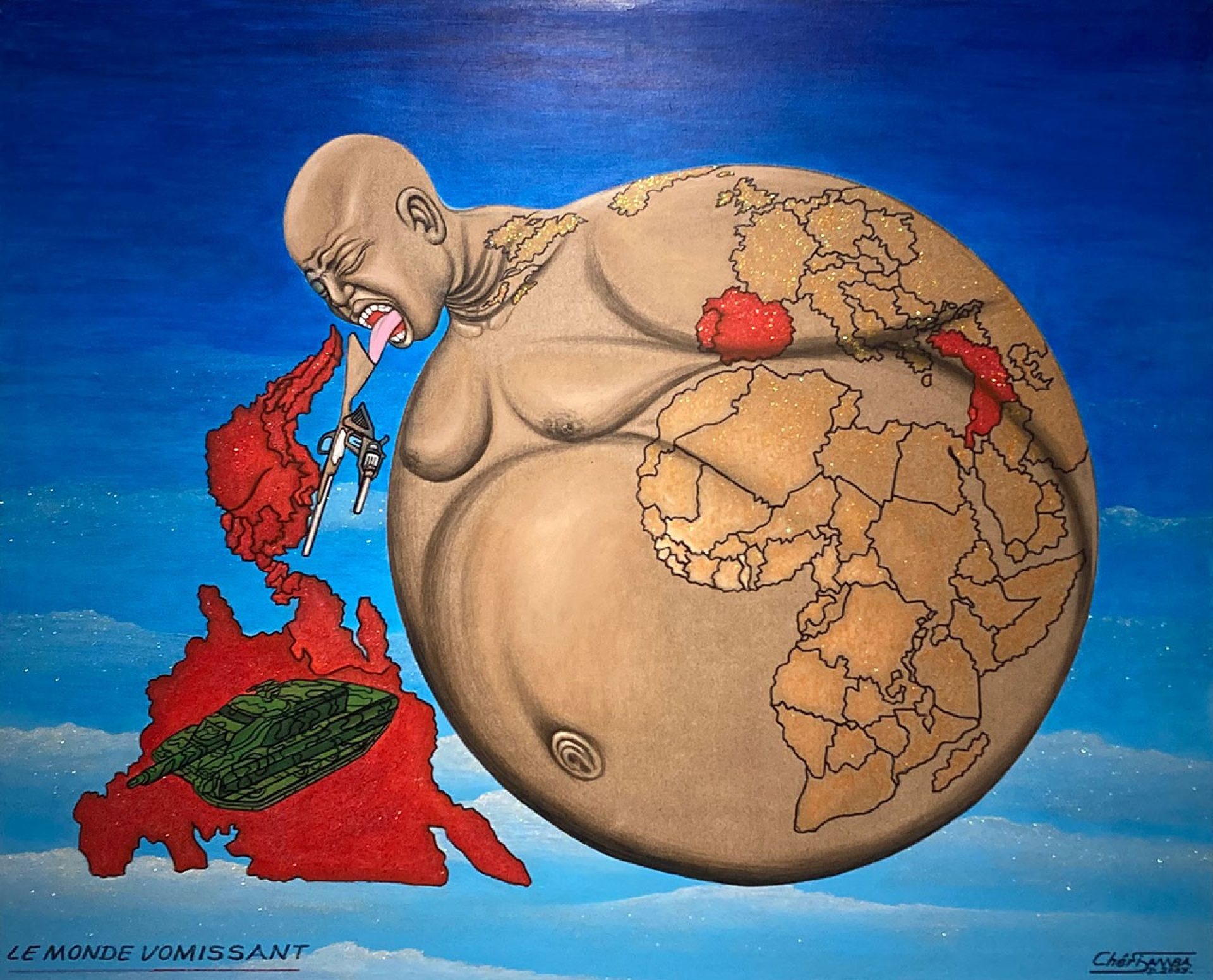
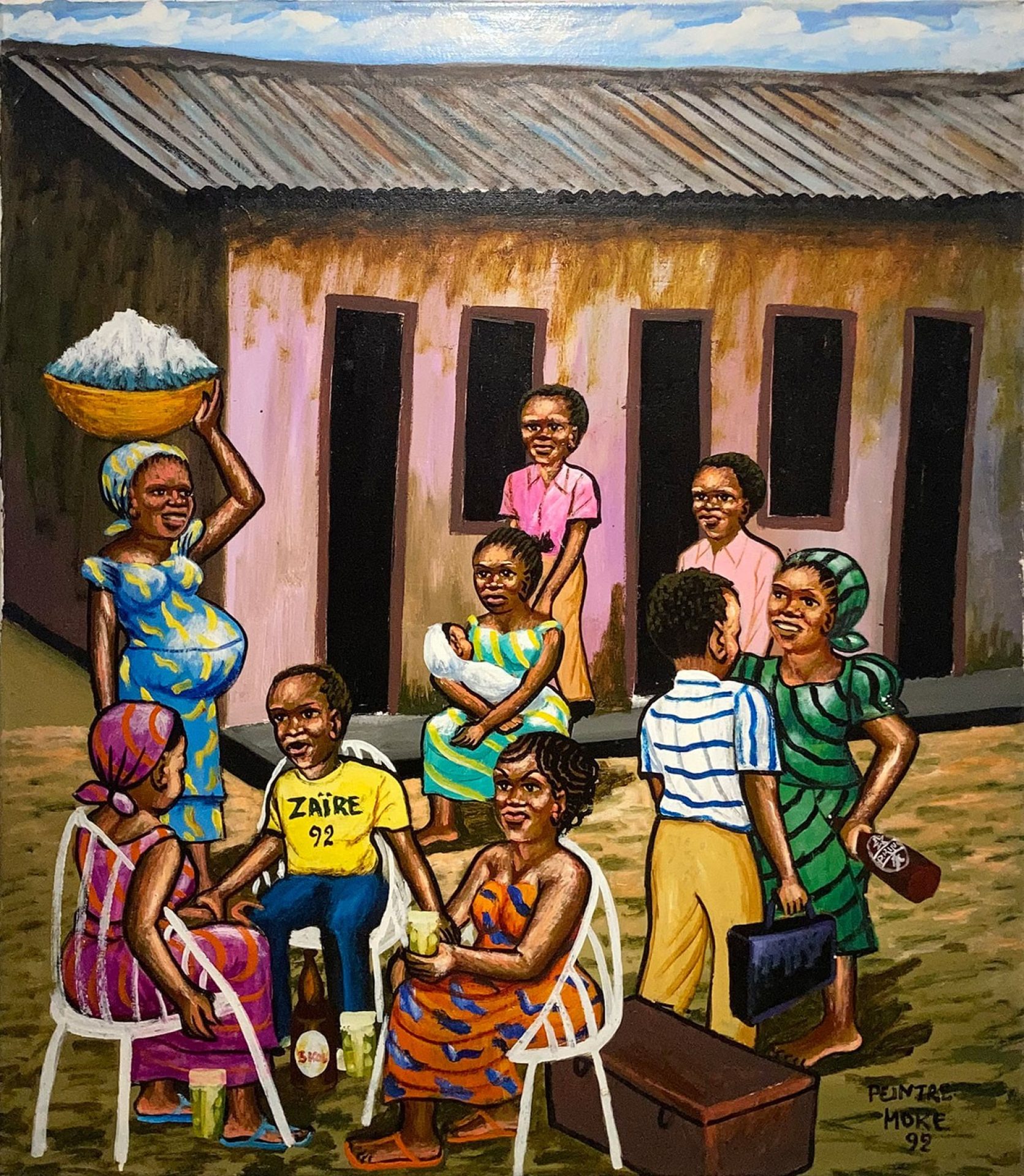
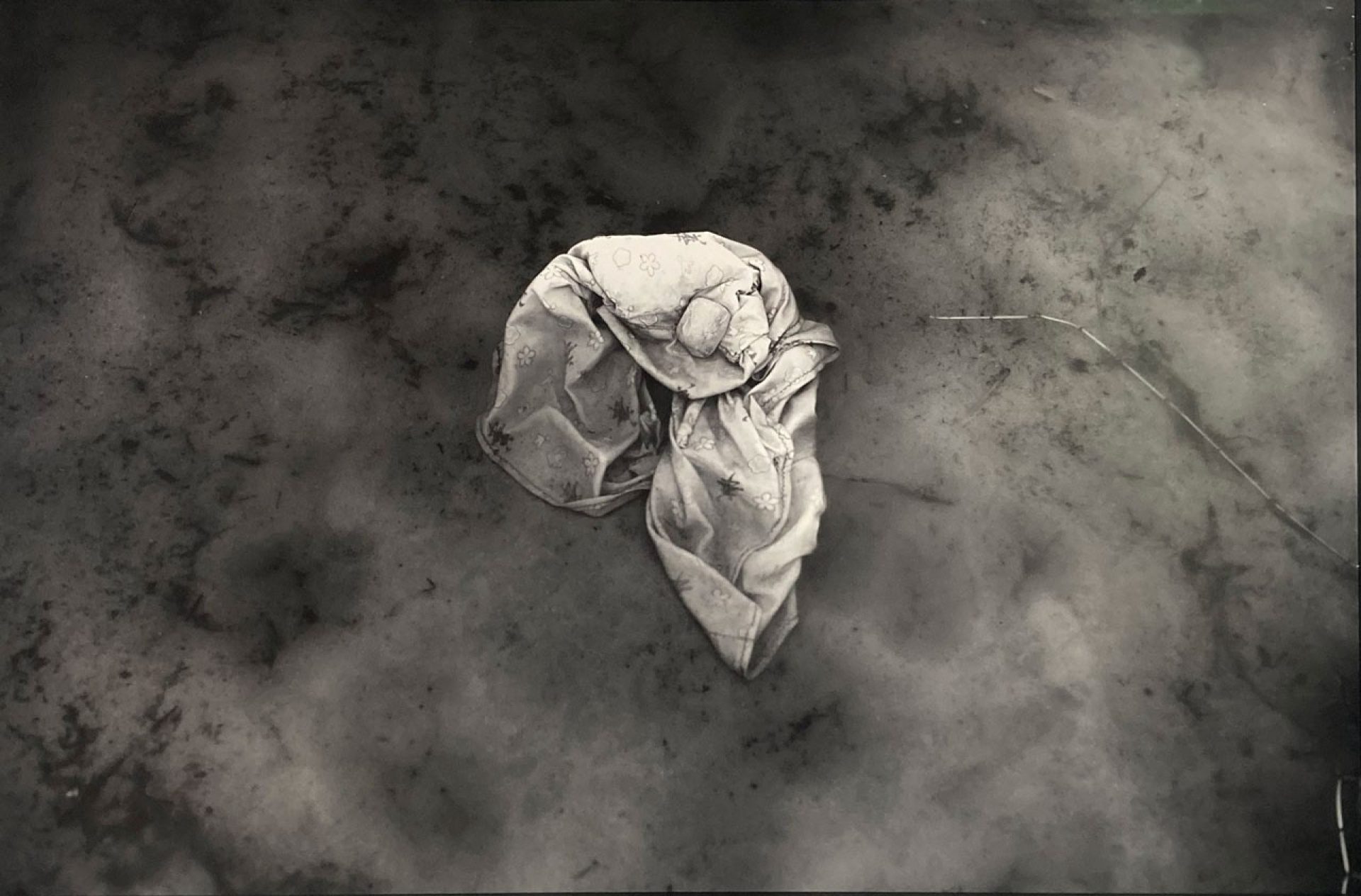
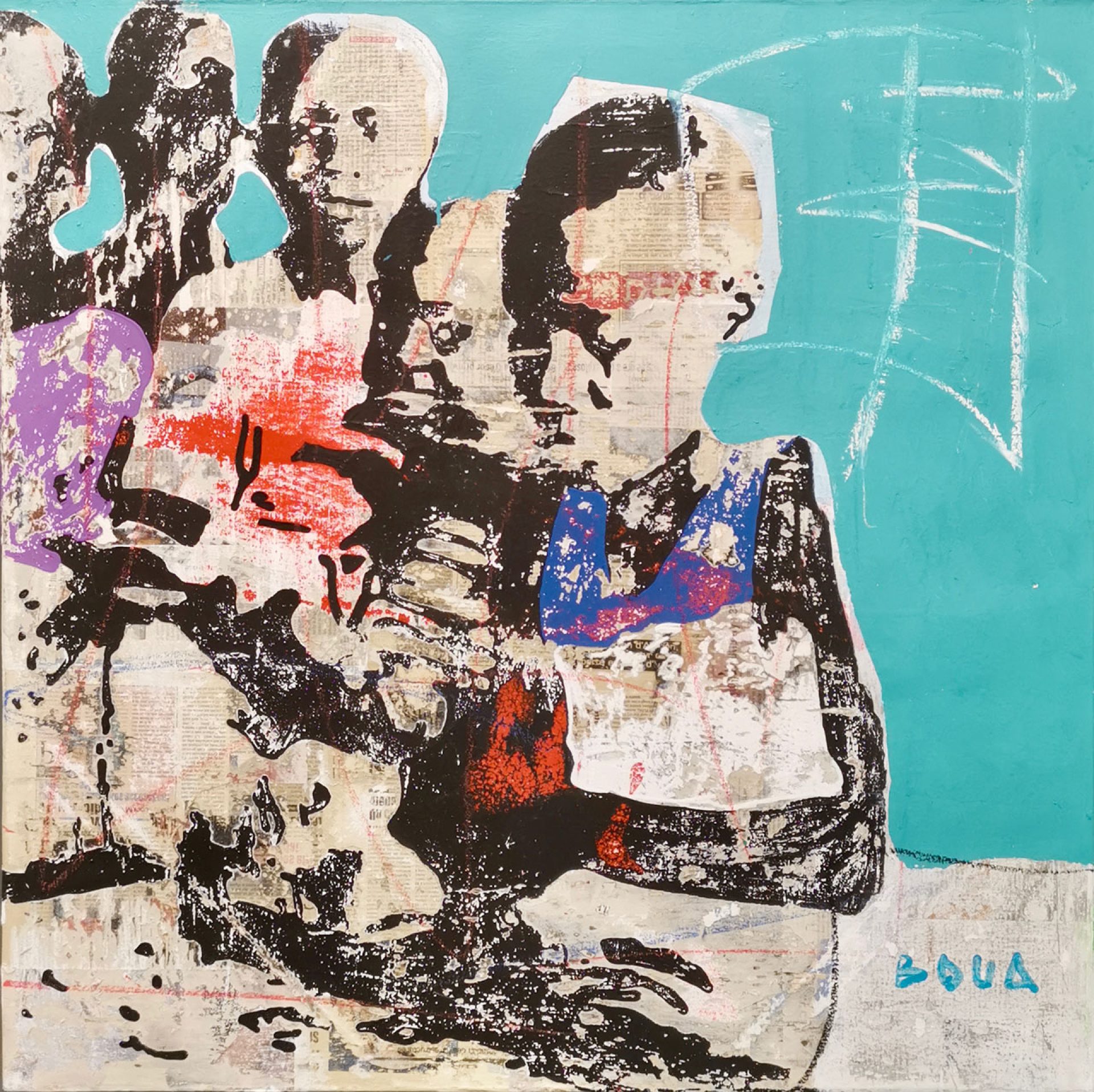
Bernard Ajarb Ategwa (Cameroon), Fredérich Bruly Bouabrè (Ivory Coast), Gonçalo Mabunda (Mozambique), Mario Macilau (Mozambique), Nu Barreto (Guinea-Bissau), Armand Boua (Ivory Coast), Nganda Moke (Congo), Soly Cissè (Senegal), Cheri Sambà (Zaire)
Curated by Alessandro Romanini in collaboration with LIS 10 Gallery
An exhibition that moves along the fruitful wave of paradox, attempting to stage and capture in a snapshot a living, ever-evolving material that genetically refuses to be confined to categories or stages, while embracing a theatricality that is ritual rather than purely aesthetic or performative.
Contemporary African art operates along borderlines where freedom is greatest and structure minimal — where dust barely has time to settle, for movement and metamorphosis are its only companions.
“Africa is the place par excellence of chaos and metamorphosis,” affirms Simon Ndjami.
A continent of 54 countries, over one billion three hundred million people, nearly 70% of them young, hundreds of ethnicities, linguistic and iconographic forms, with millennia-old cultural traditions transmitted mainly orally, and political systems that often date back no more than 60 years.
These countries and expressive forms have, over six decades, moved from the identity assertion of negritude—as witnessed by the pioneering Dakar School and inspired by the great fathers of the “new free Africa” such as the Martinican Aimè Césaire, the Guyanese Léon-Gontran Damas, and the Senegalese poet-president Léopold Sédar Senghor—to the stylistic codes and dynamics of the diaspora, and finally to today’s original forms aligned with Édouard Glissant’s concept of “creolization.”
This concept establishes a synthesis in the negritude-assimilation dialectic, through the modern expressive koinè of artists from the ancient continent, capable of maintaining the link with their ancestral, titanic instinct and the ritual dimension of creation, while engaging with new iconographies and global artistic discourse.
The group of artists gathered for this occasion bears witness to these ideas, highlighting through their works the debt owed to the “Ambiguous Adventure” mentioned in the title of Cheikh Hamidou Kane’s novel—a struggle to reclaim a lost identity at risk of dissolving amid technological invasion.
Only struggle reveals the true value of an element—something often lost in the calm pace of contemporary Western art, structured by schemes and predefined values.
These works unite identity and iconographic roots within a diegetic framework that could be defined as archetypal in Jungian terms, allowing their semantic depth to be interpreted by any observer, regardless of ethnicity, language, religion, or culture.
They hold together the genius loci, the local indigenous root, with a universal conceptual dimension.
The works also exemplify a form of postmedialism that is not an imitation of Western artistic discourse but a genetic condition linked to the magical dimension of creative action, inseparable from the artistic process itself.
Hence the free and unconditional use of media and supports, materials and techniques, genres and registers—often combined synergistically in the same work—where categories and distinctions between spatial and temporal arts dissolve, and logical-geometric artifices, from perspective to Gestalt schemes, give way to an expressive all-over that fully invests the surface.
Gallery