Works on display
Artists
Curators

360
The world is so totally and wonderfully meaningless that being happy is not luck: it is pure art. (René Magritte)
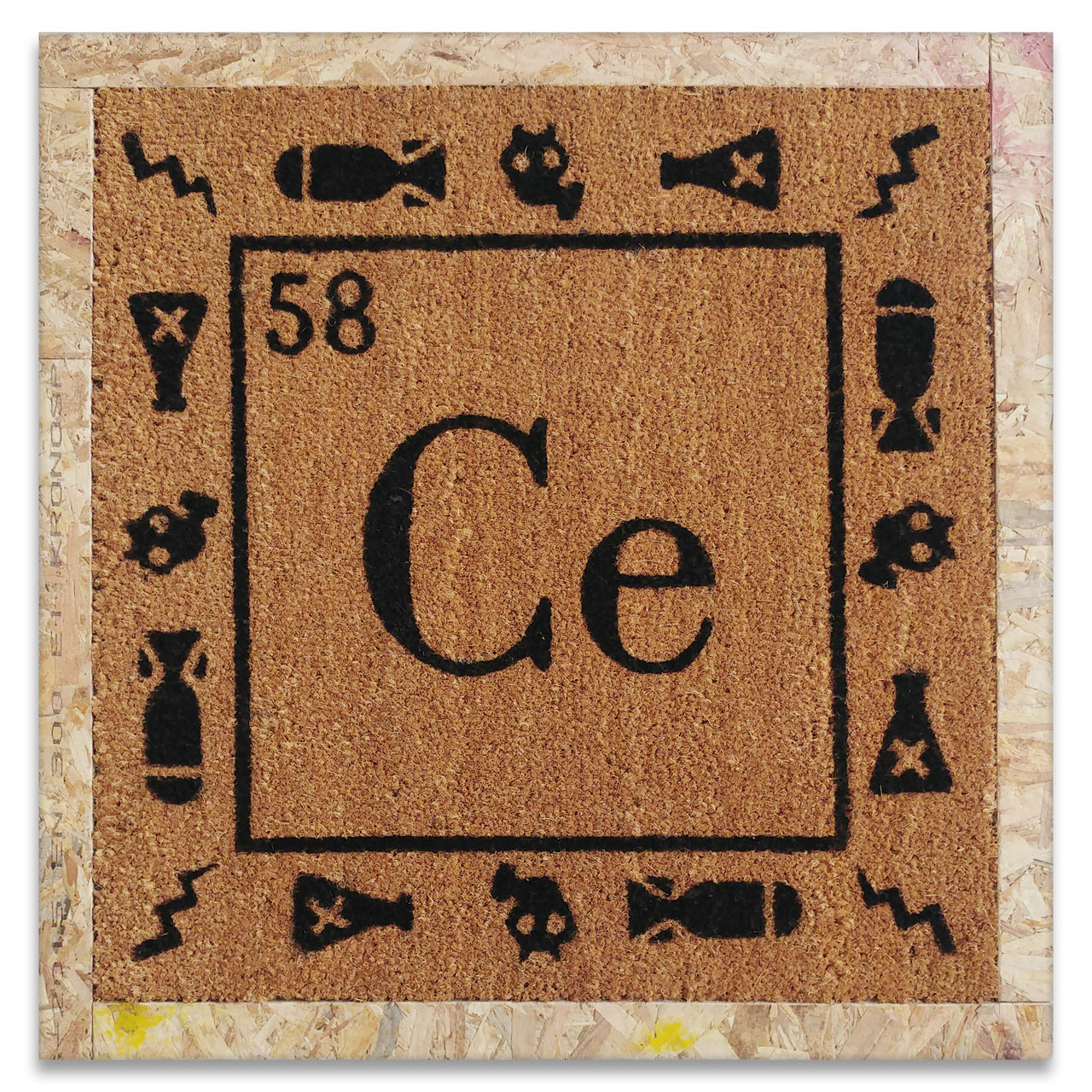
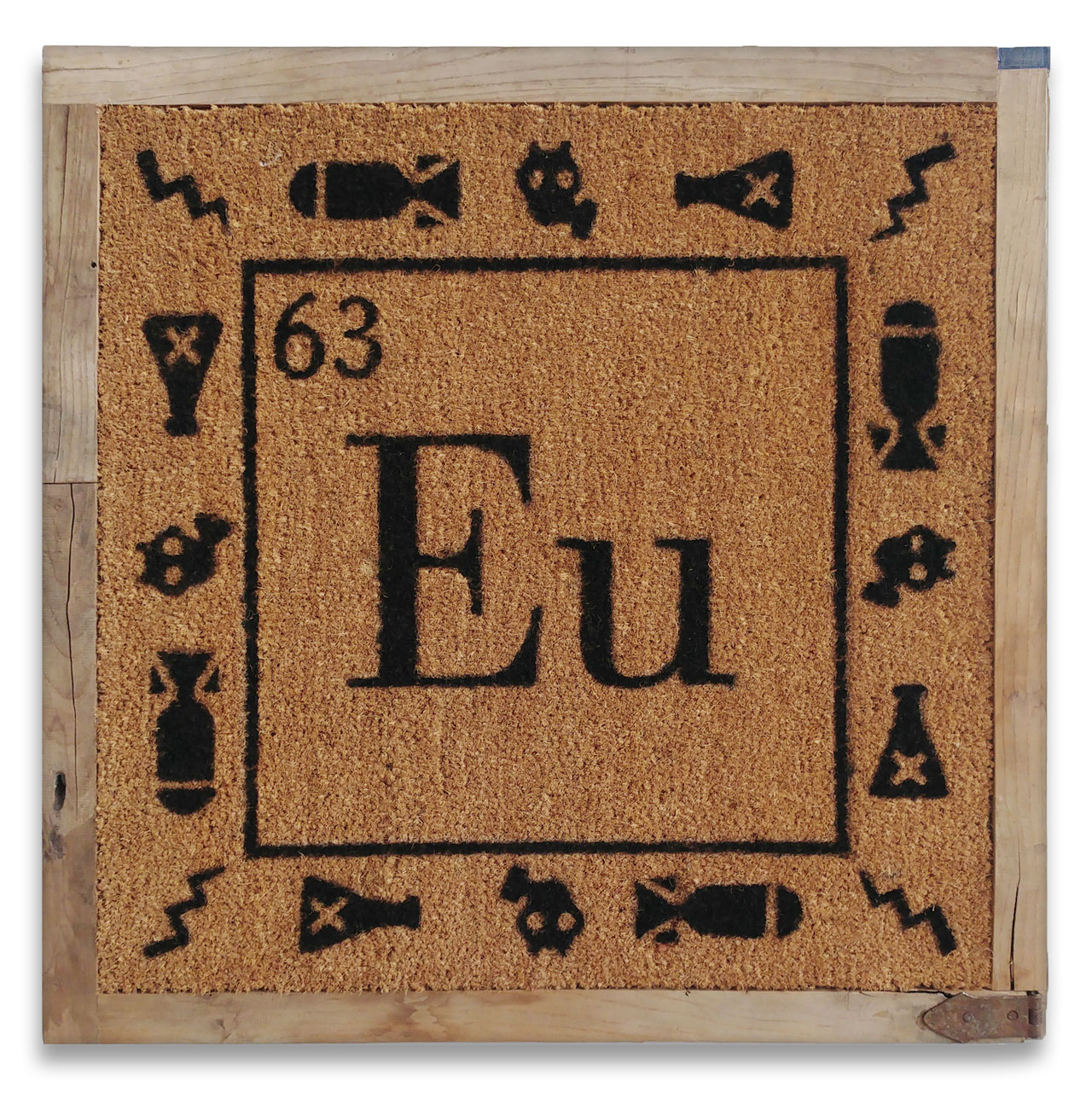
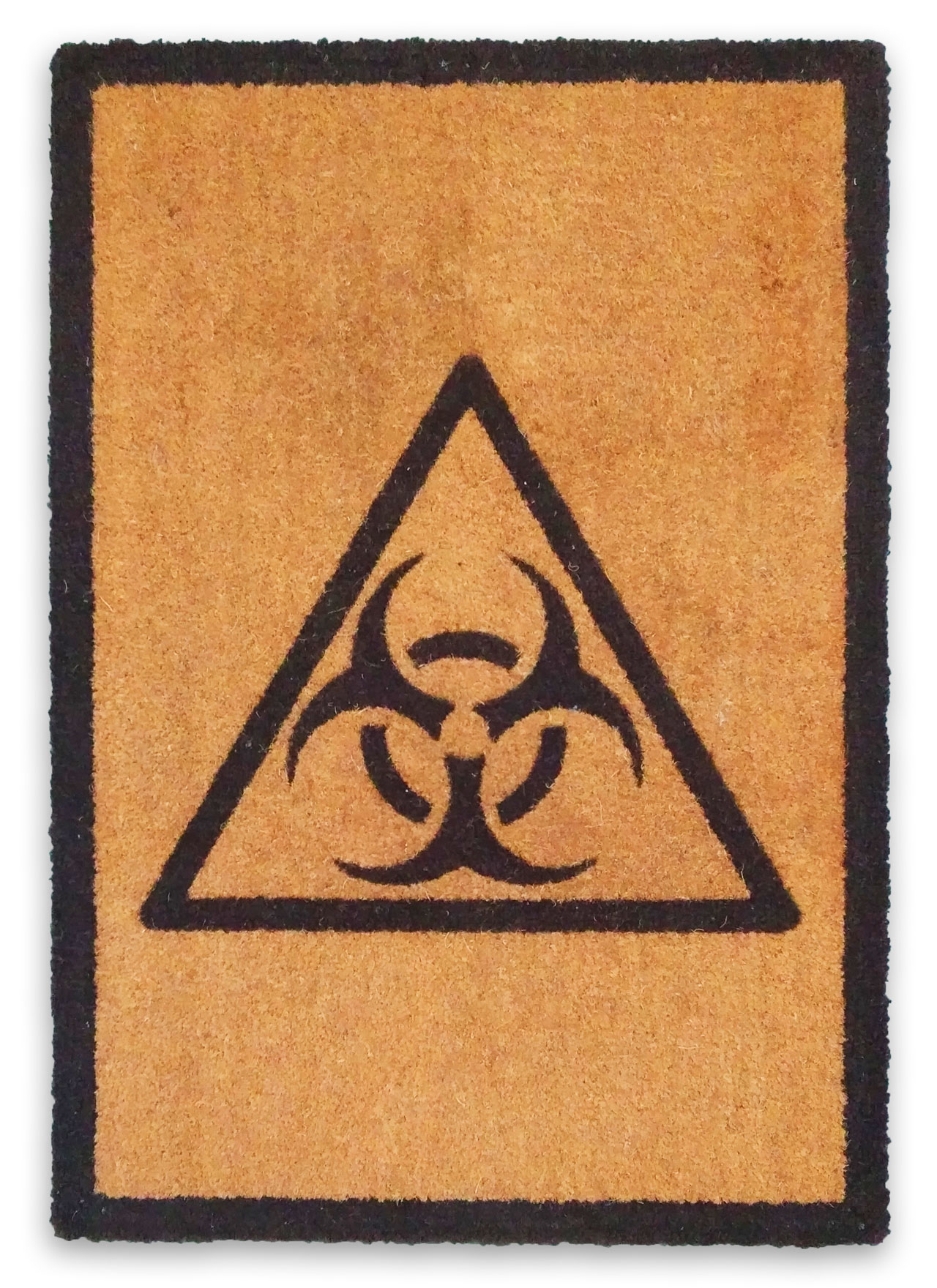
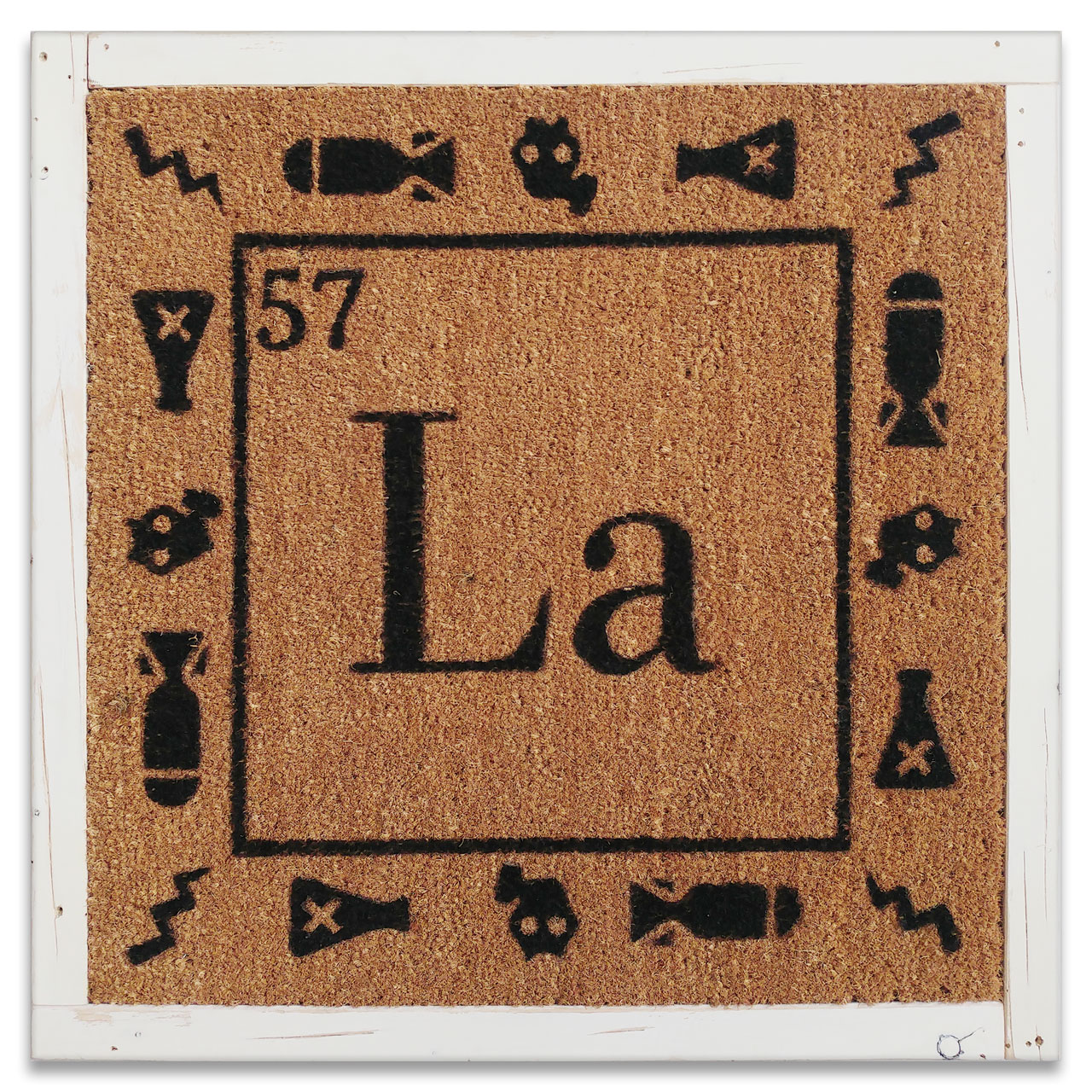
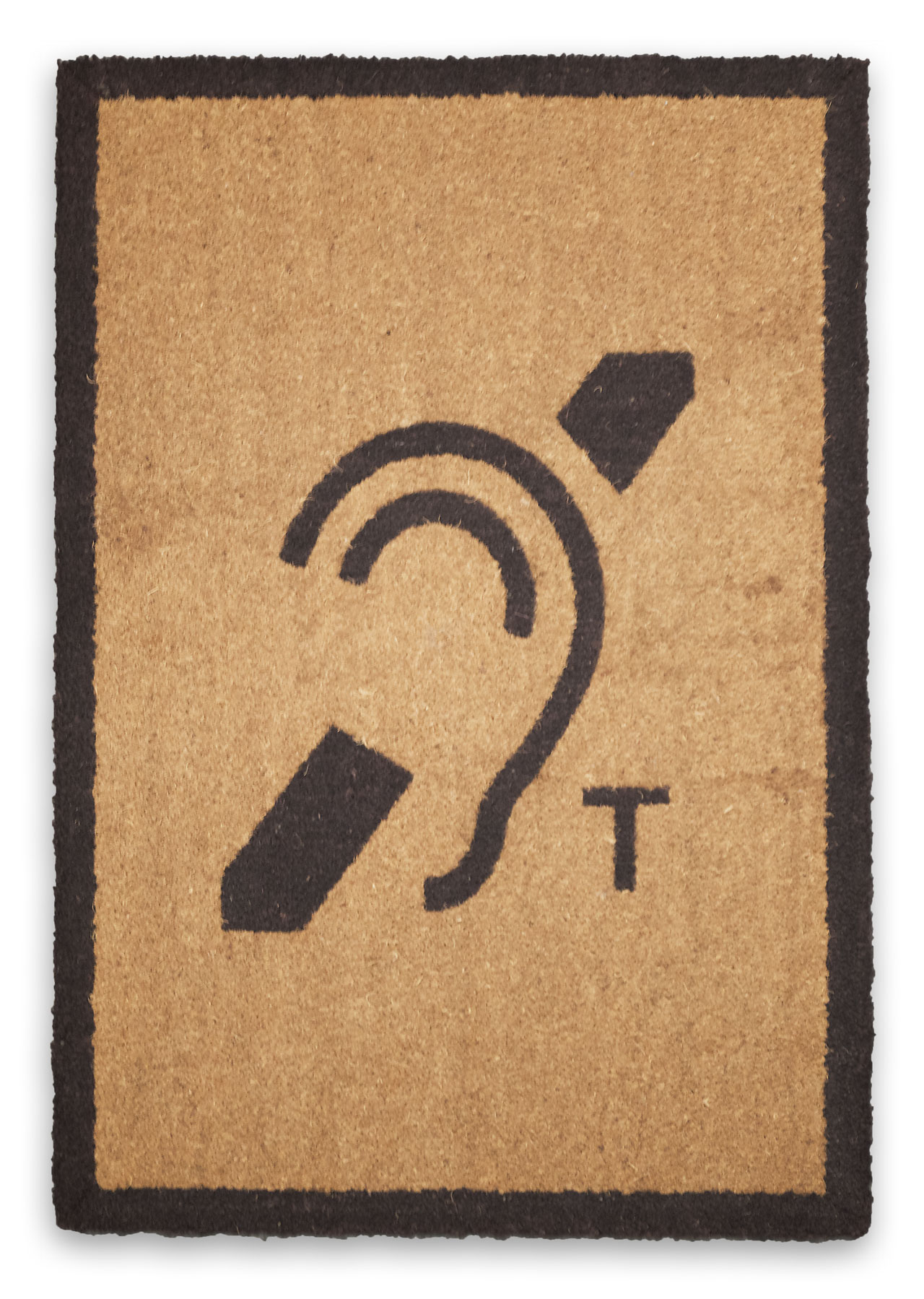
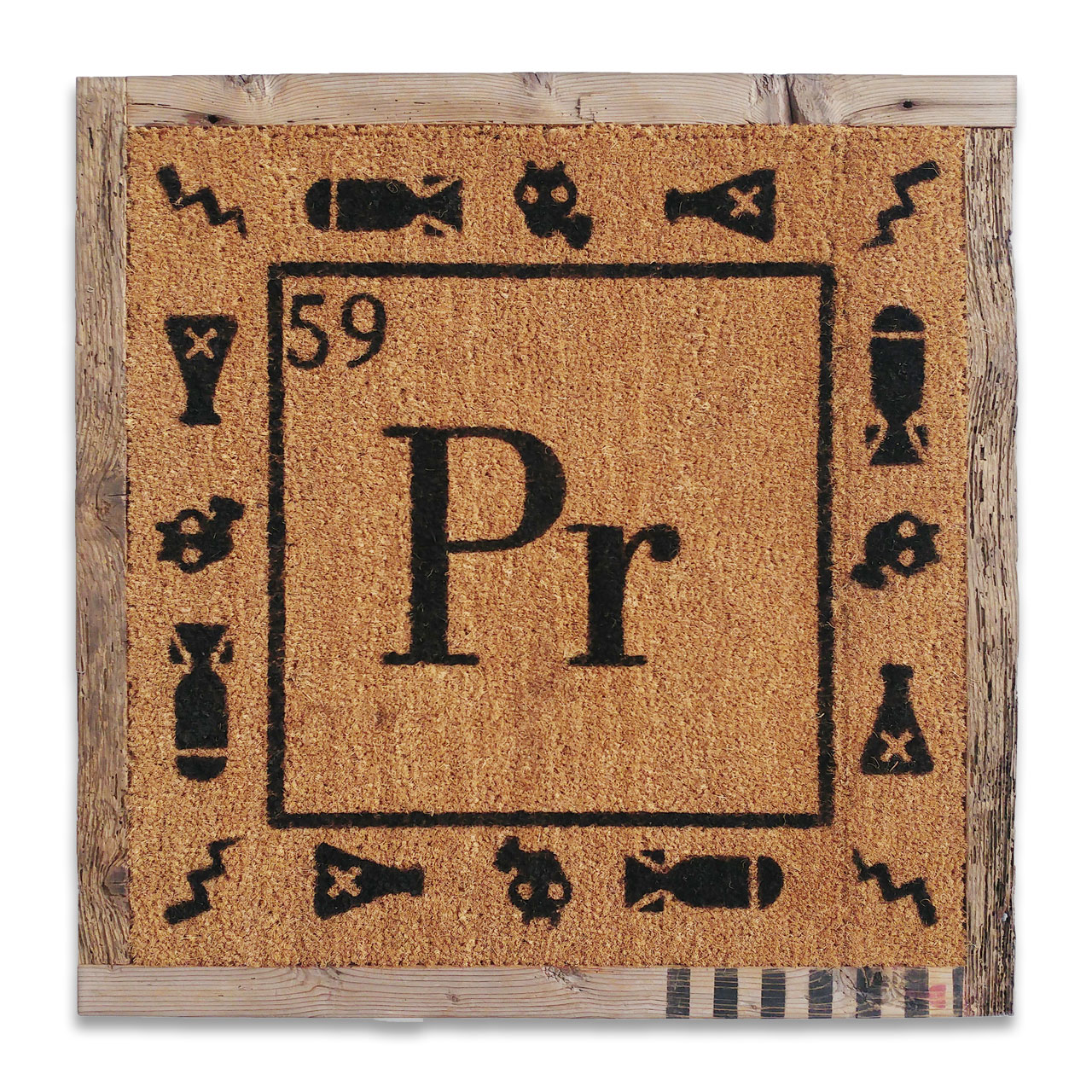
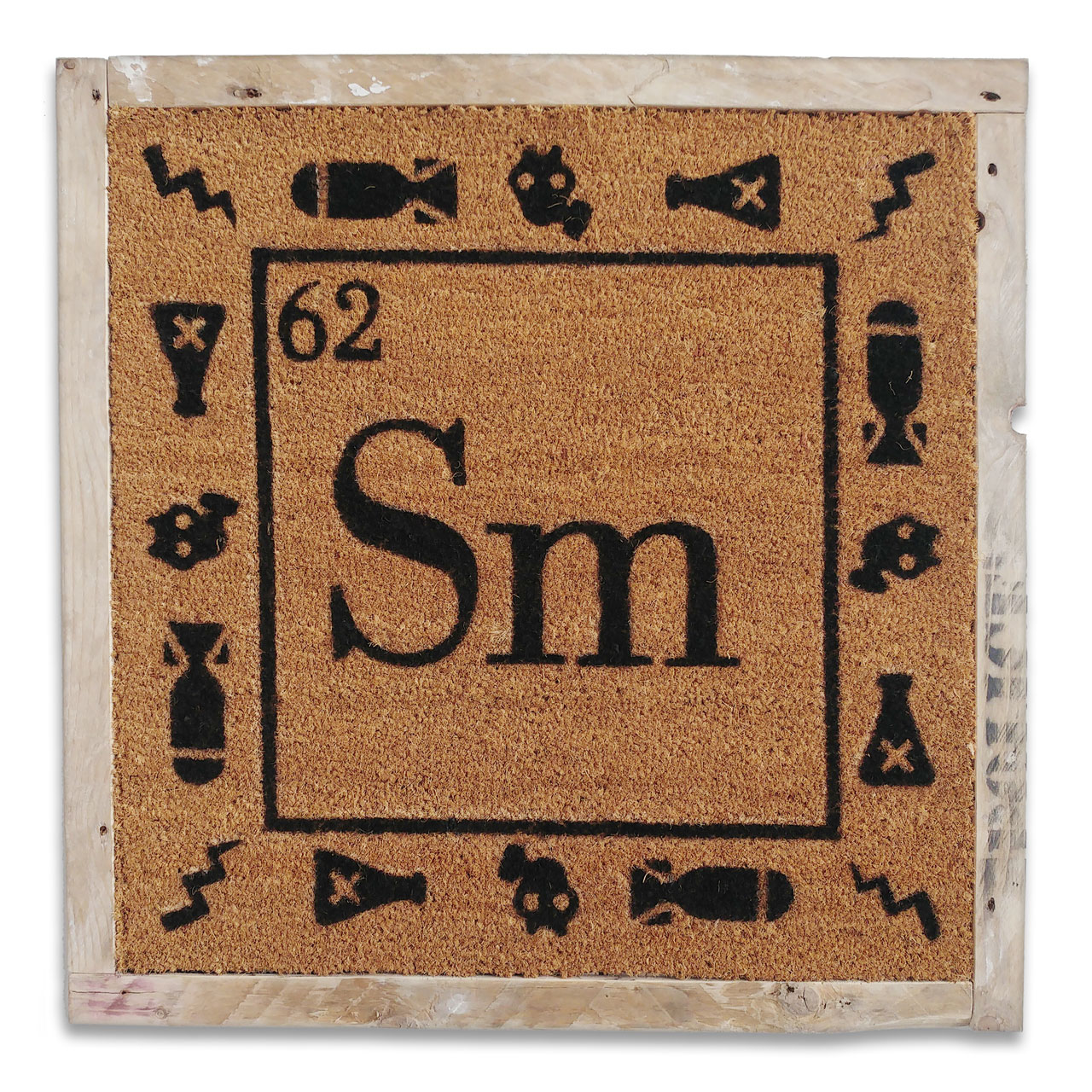
Recycling has risen to the status of an “obligatory mantra.” These new works can be imagined as conceptual maps of this ethical attitude and, above all, of the fears, hopes, and collective psychoses that accompany it. In short, a kind of “Visual Dictionary” of the Sustainable Civilization and its unique anthropological form. The artist’s discourse embraces all forms of reuse and repair connected to the Austerity Aesthetic. Materials and icons together ultimately create a visual reflection on the so-called “Conscious Luxury” — a glamorous translation of what was once simply called “Home Economics.” These works are made only with recycled coconut fiber, the same material used for humble doormats — simple, unpretentious everyday objects, by definition meant to be stepped on. Objects that greet with “welcome!” in a time when such greetings are increasingly rare (the artist is clearly an incurable optimist...). The coconut fiber is reworked and engraved using a plotter. The structural parts are made from various types of wood salvaged from old furniture, crates, and dismantled furnishings — each fragment carrying its own fascinating story. The intention is to critically and ironically celebrate the widespread trend for vintage and retro, a clear sign of fear and mistrust toward the future. The cult of the past becomes a form of cultural recycling — not always a virtuous one. One of the themes explored in this exhibition is that of the so-called “Rare Earths,” the atomic elements used in producing electronic components — objects of technological wonder but also of neo-colonial exploitation. The “dark side” of Mendeleev’s Periodic Table. Irony here serves as an alternative — as denunciation, warning, and also as a critical code, a tool of awareness and self-awareness, a mirrored image of a reality contemplated, violated, redefined, and returned to its original purity. Irony as a sign of life — or perhaps as the dream of a new one.” M. Vanni.
