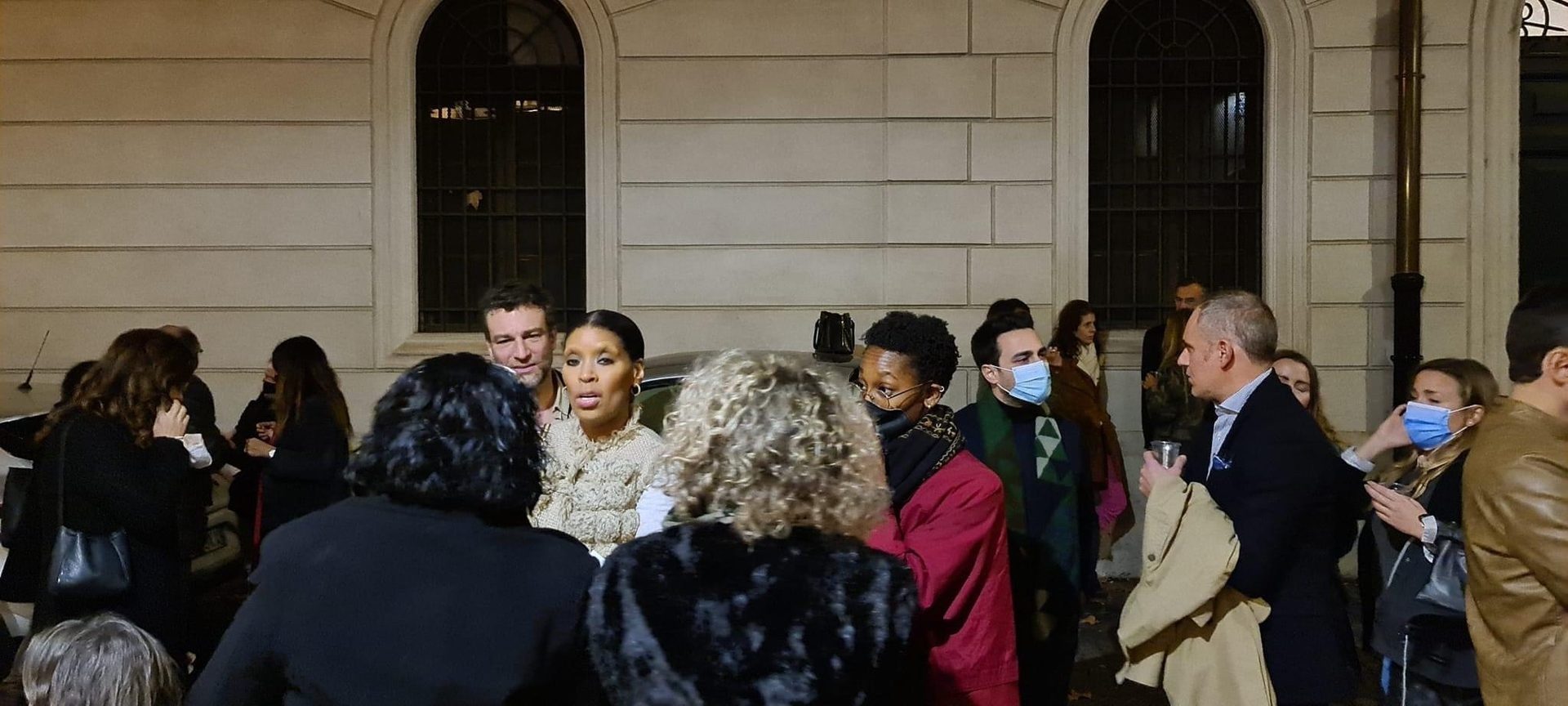
Works on display
Artists
Curators
“... Creation lives as genesis beneath the visible surface of the work.”
Paul Klee
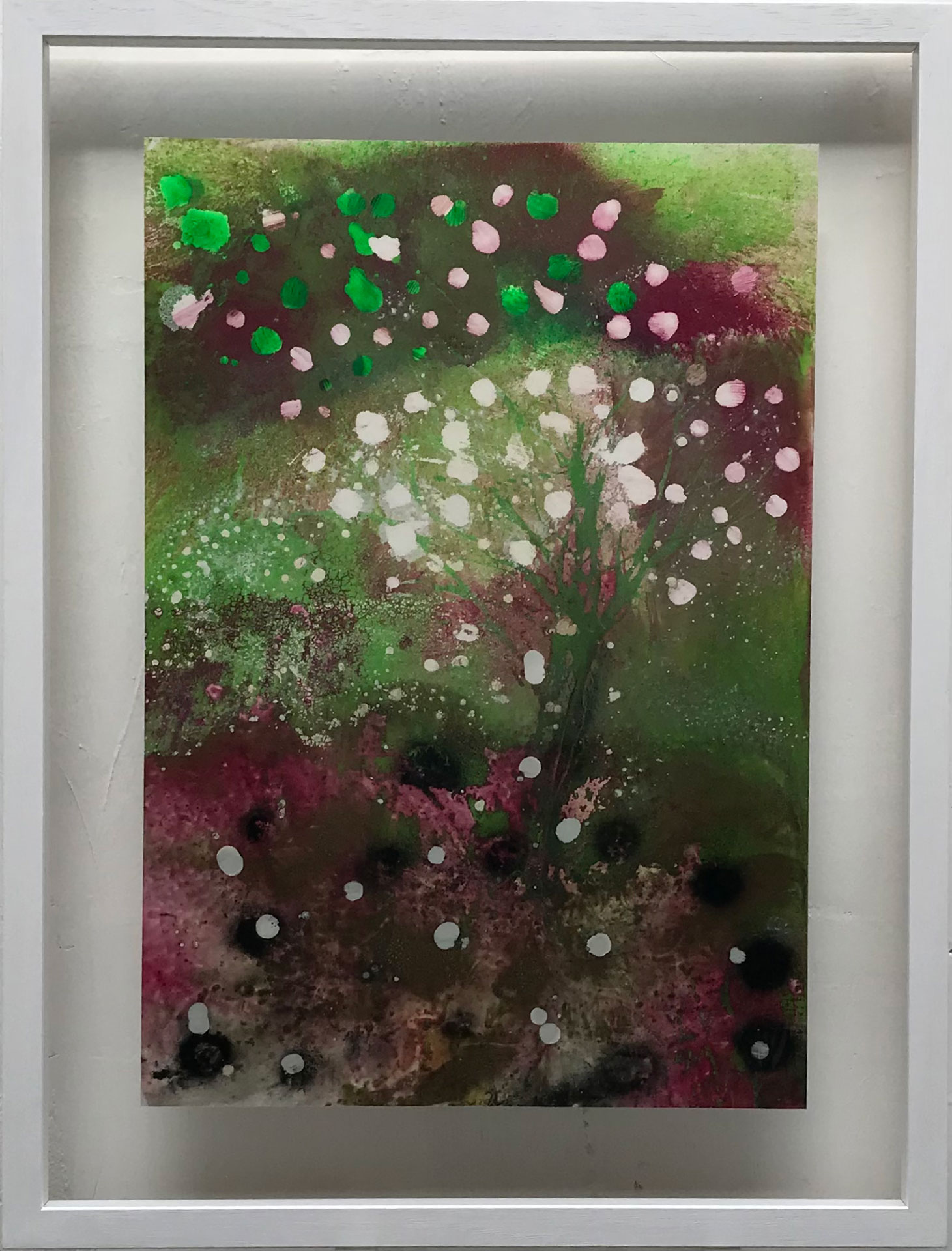
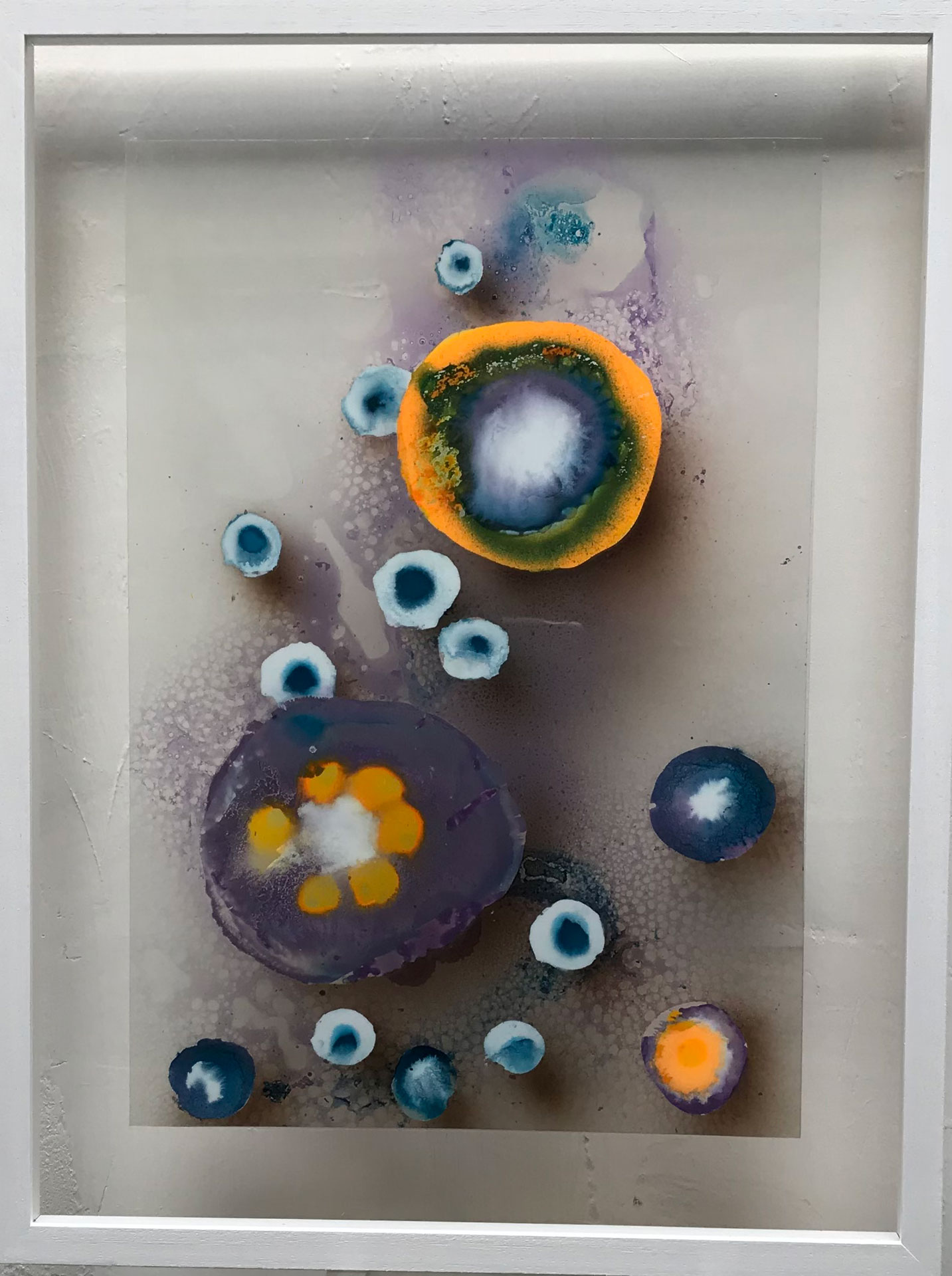
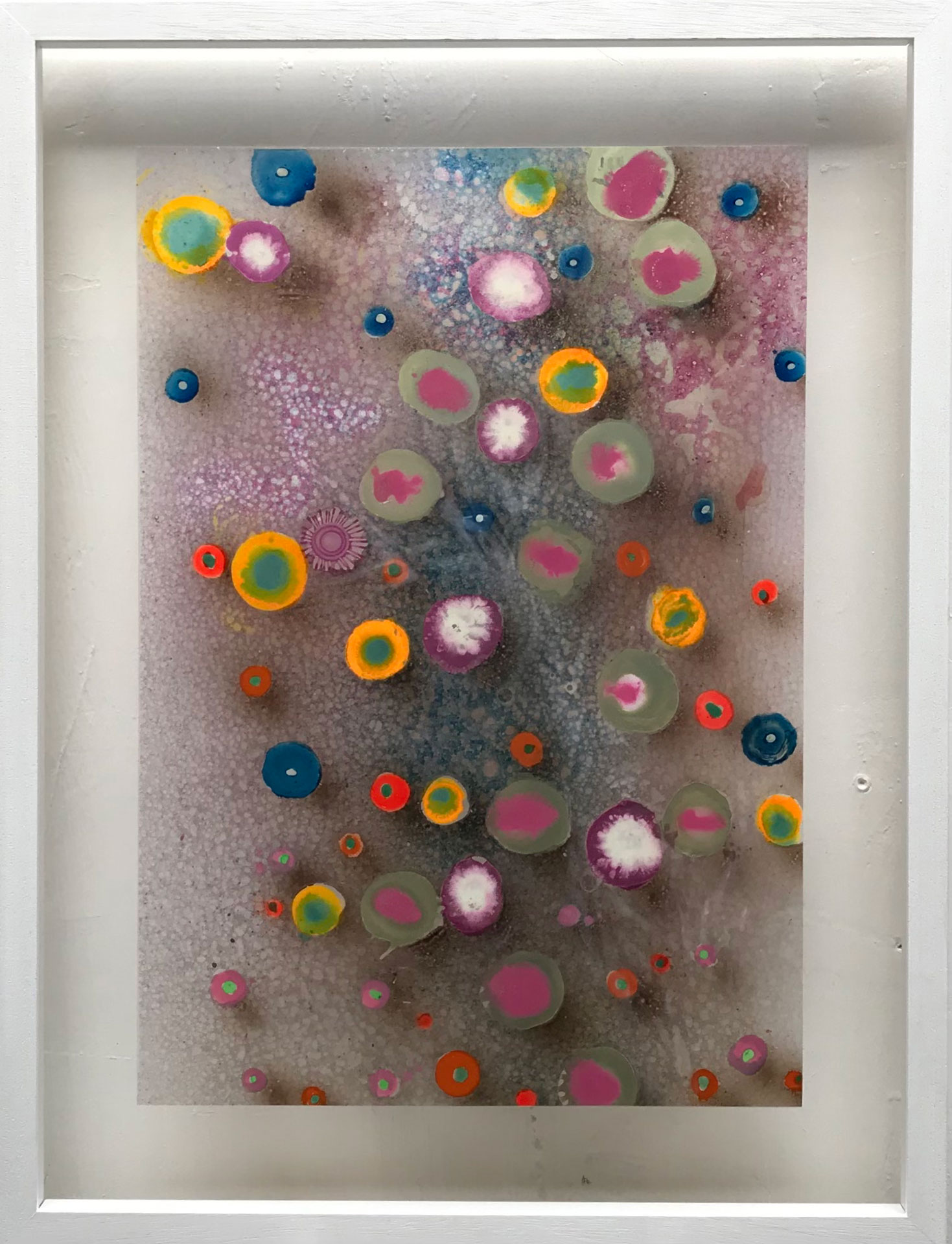
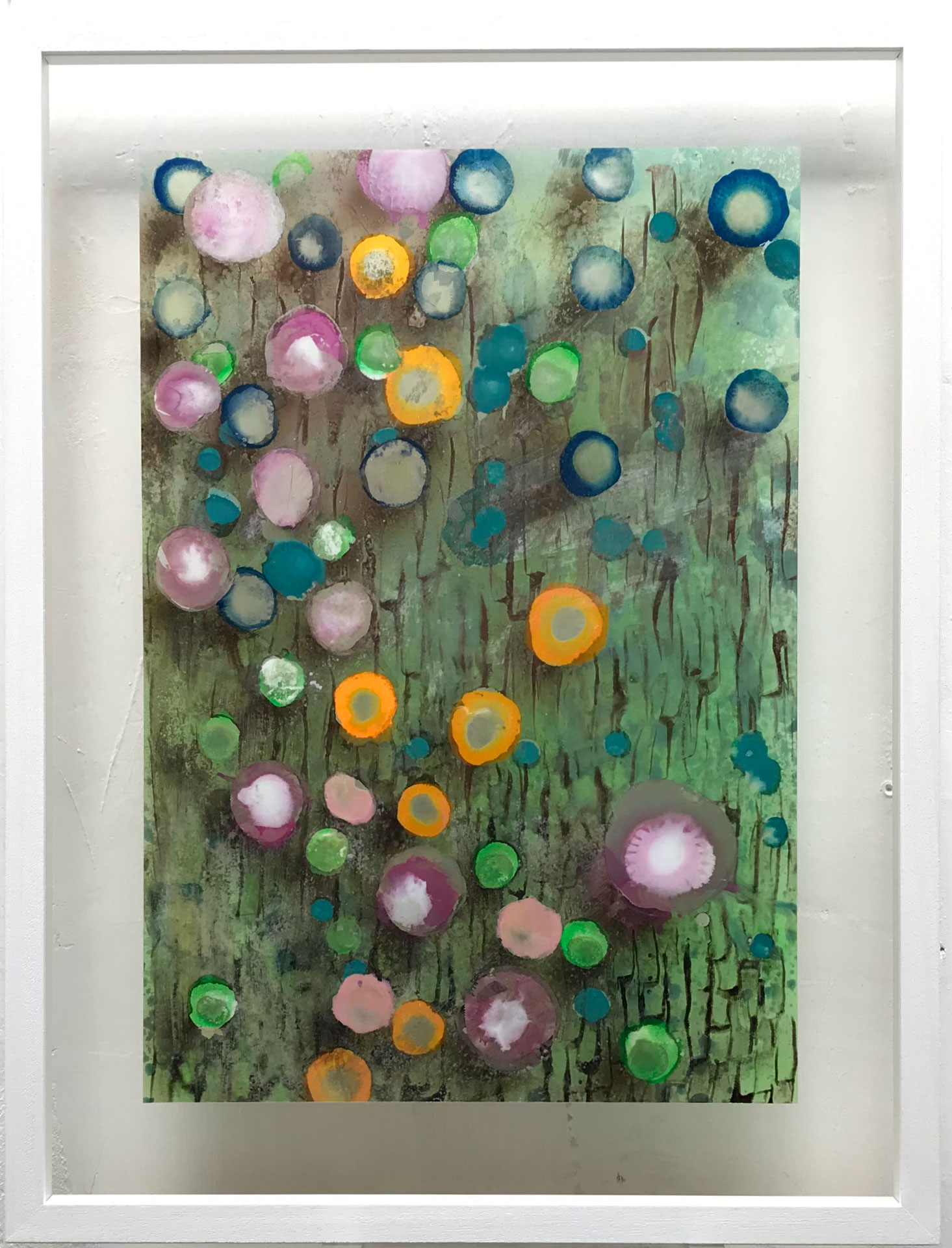
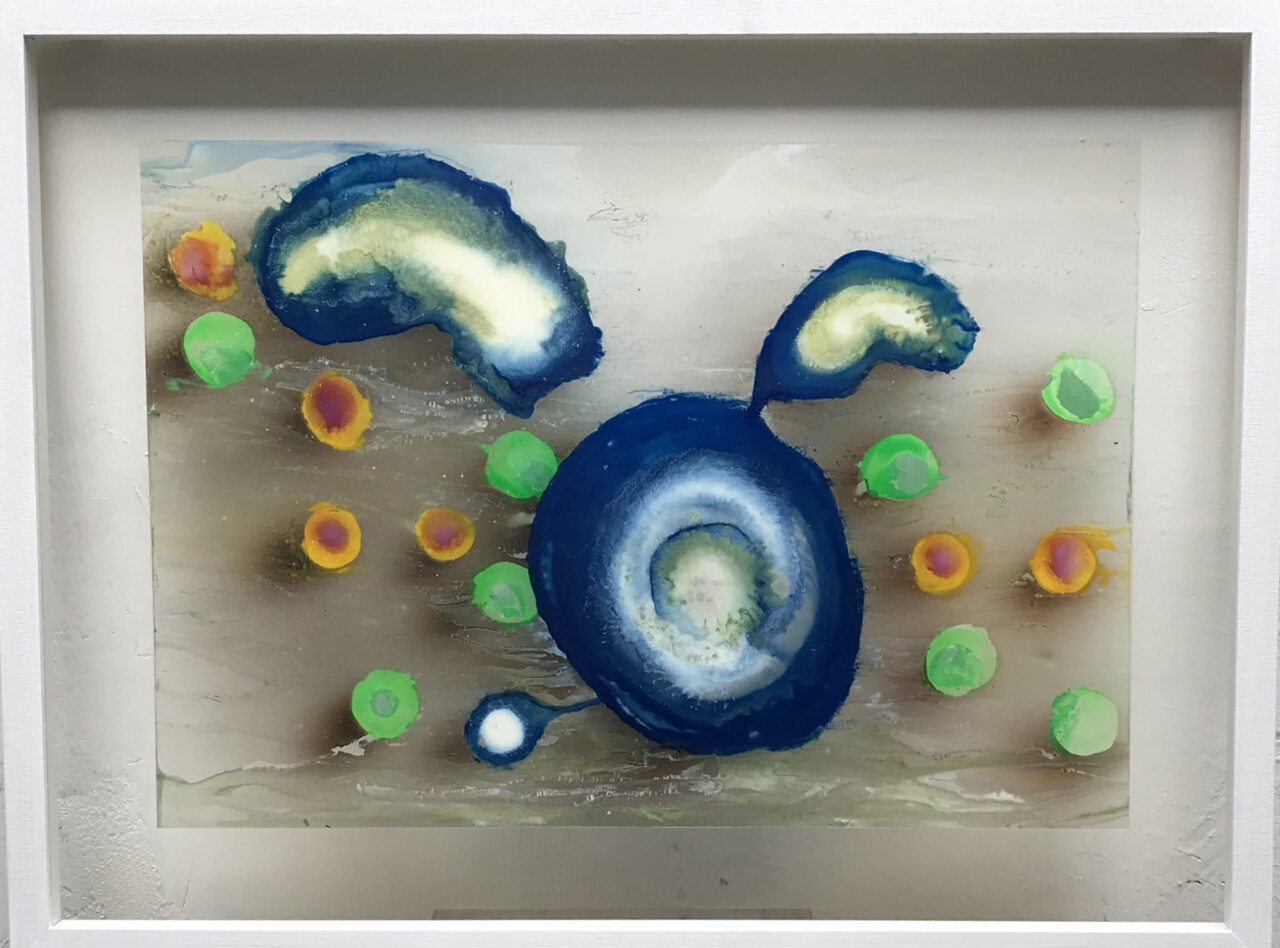
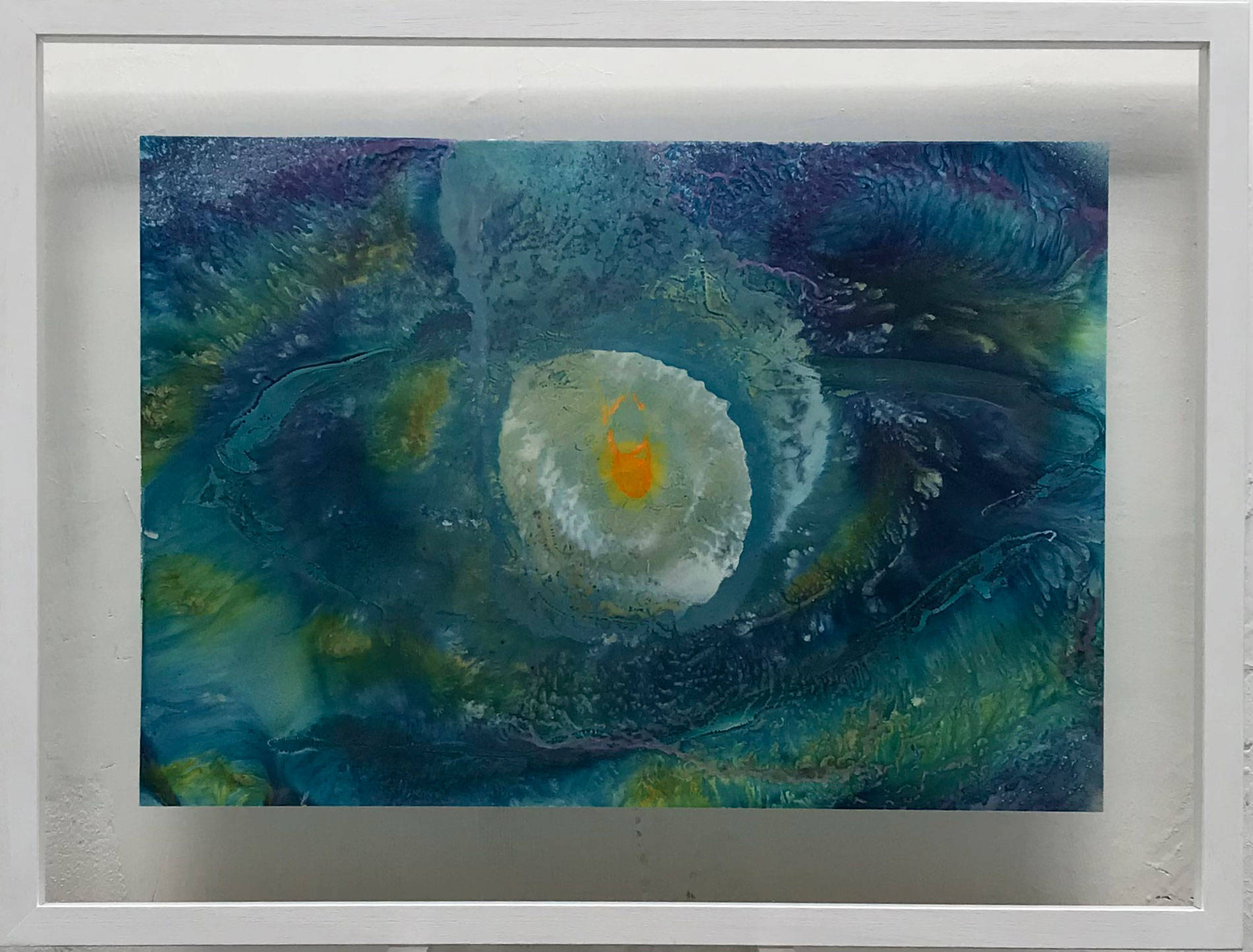
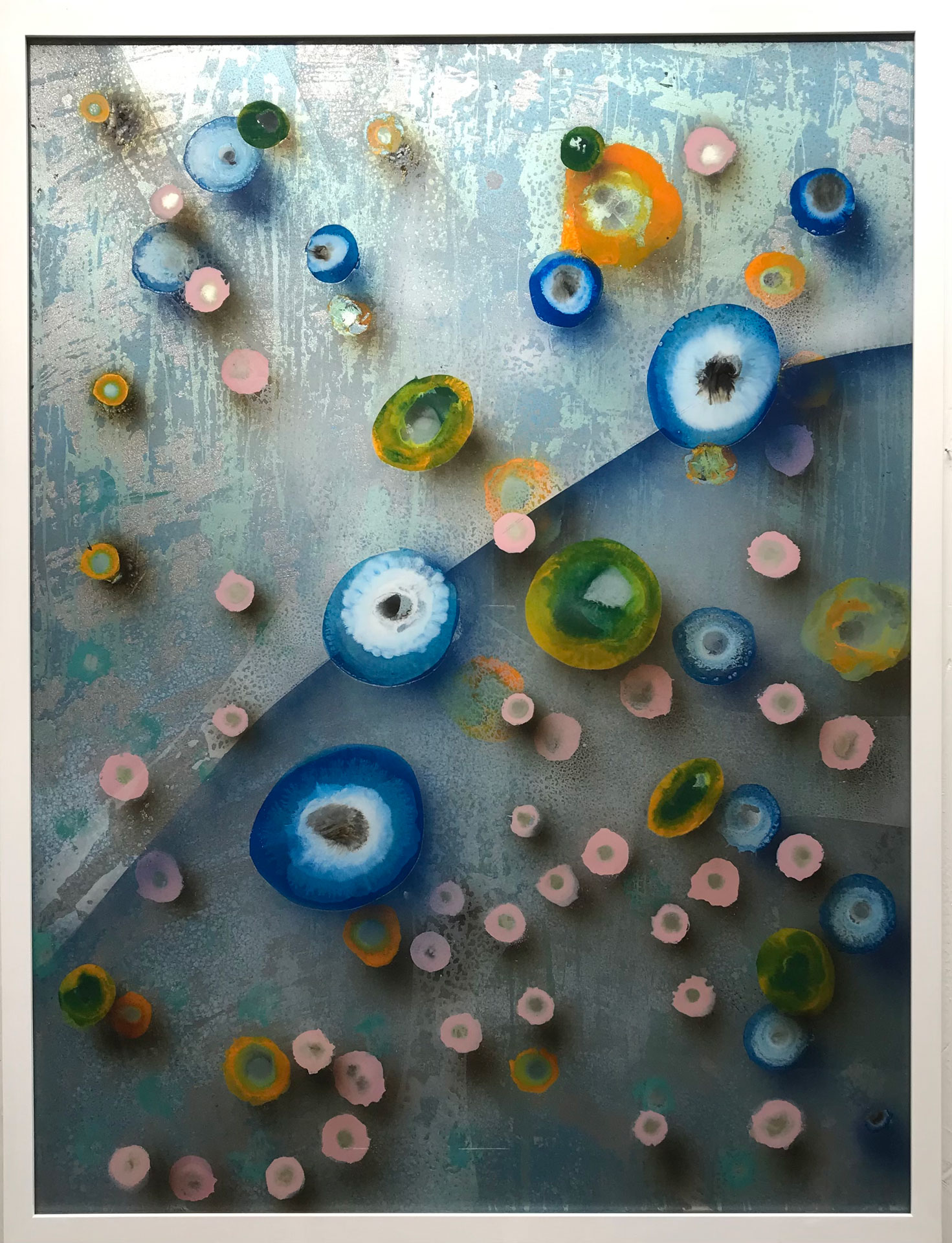
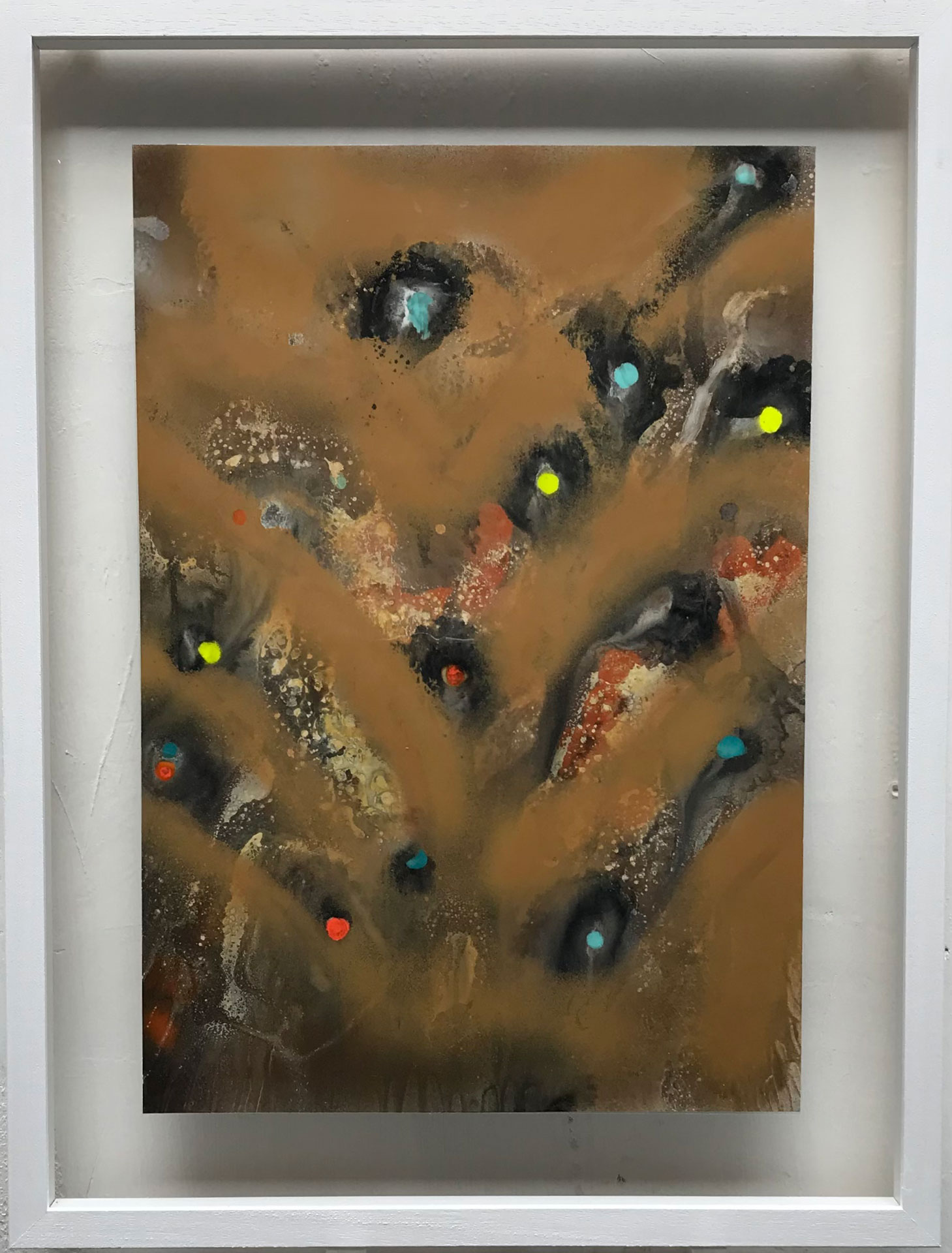
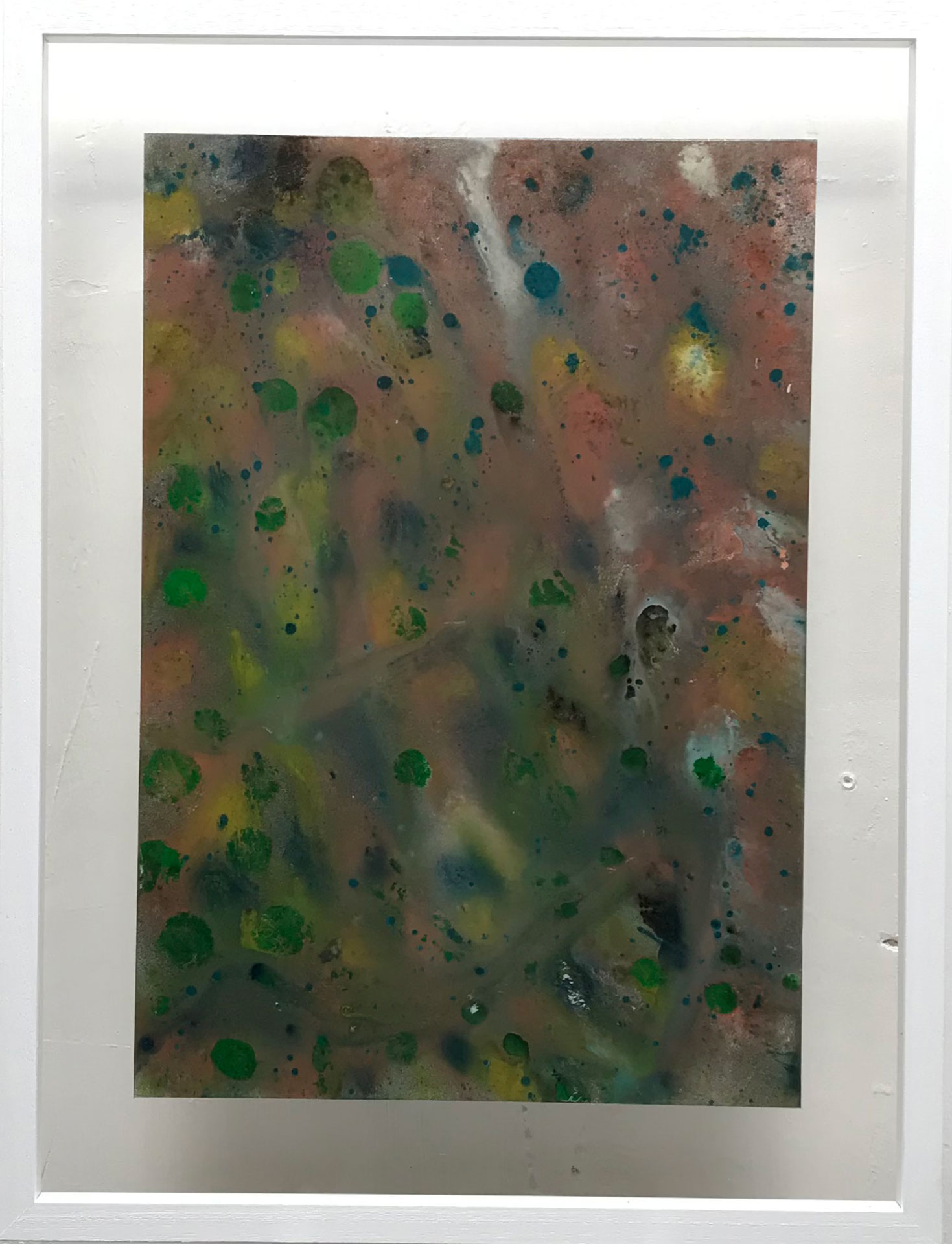
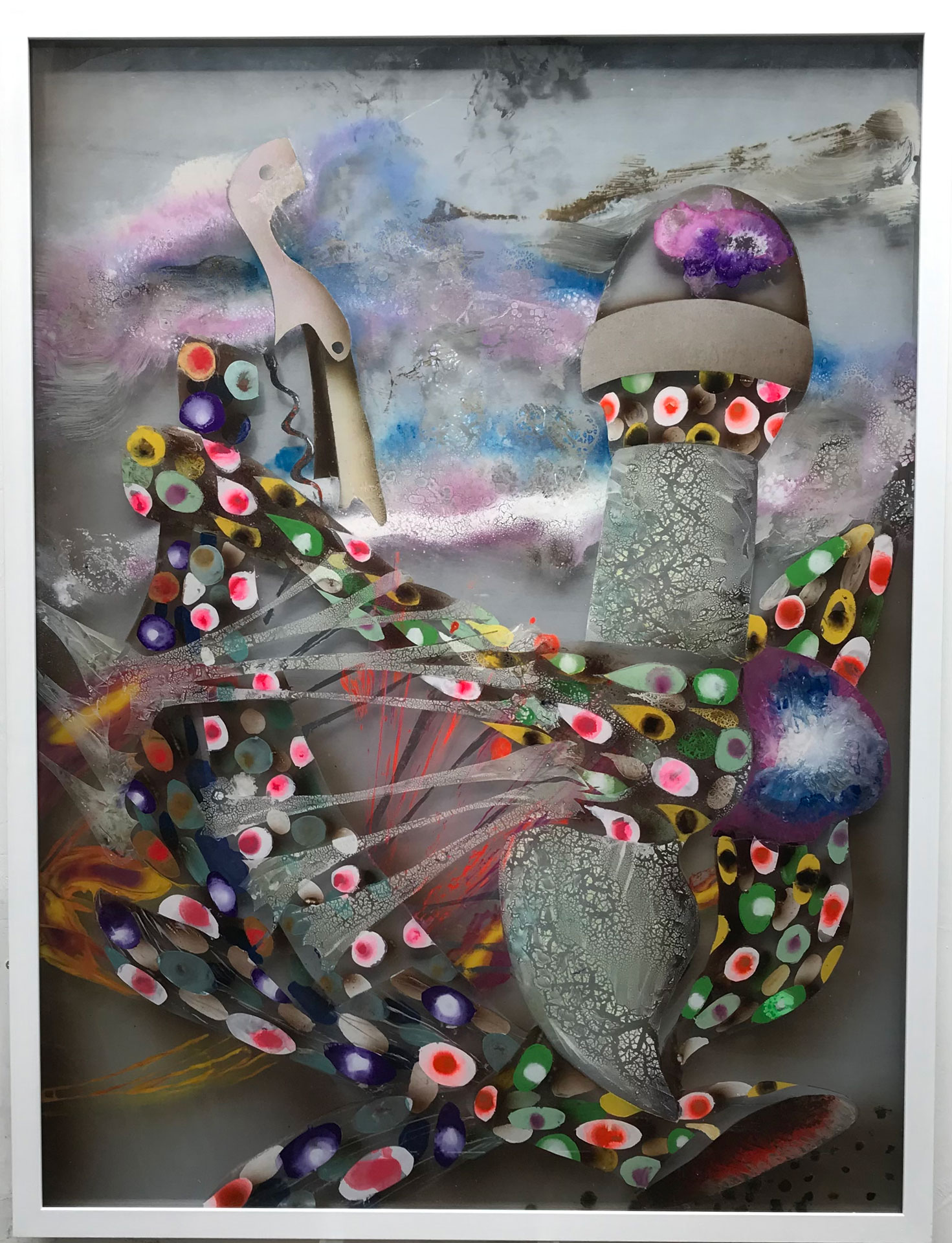
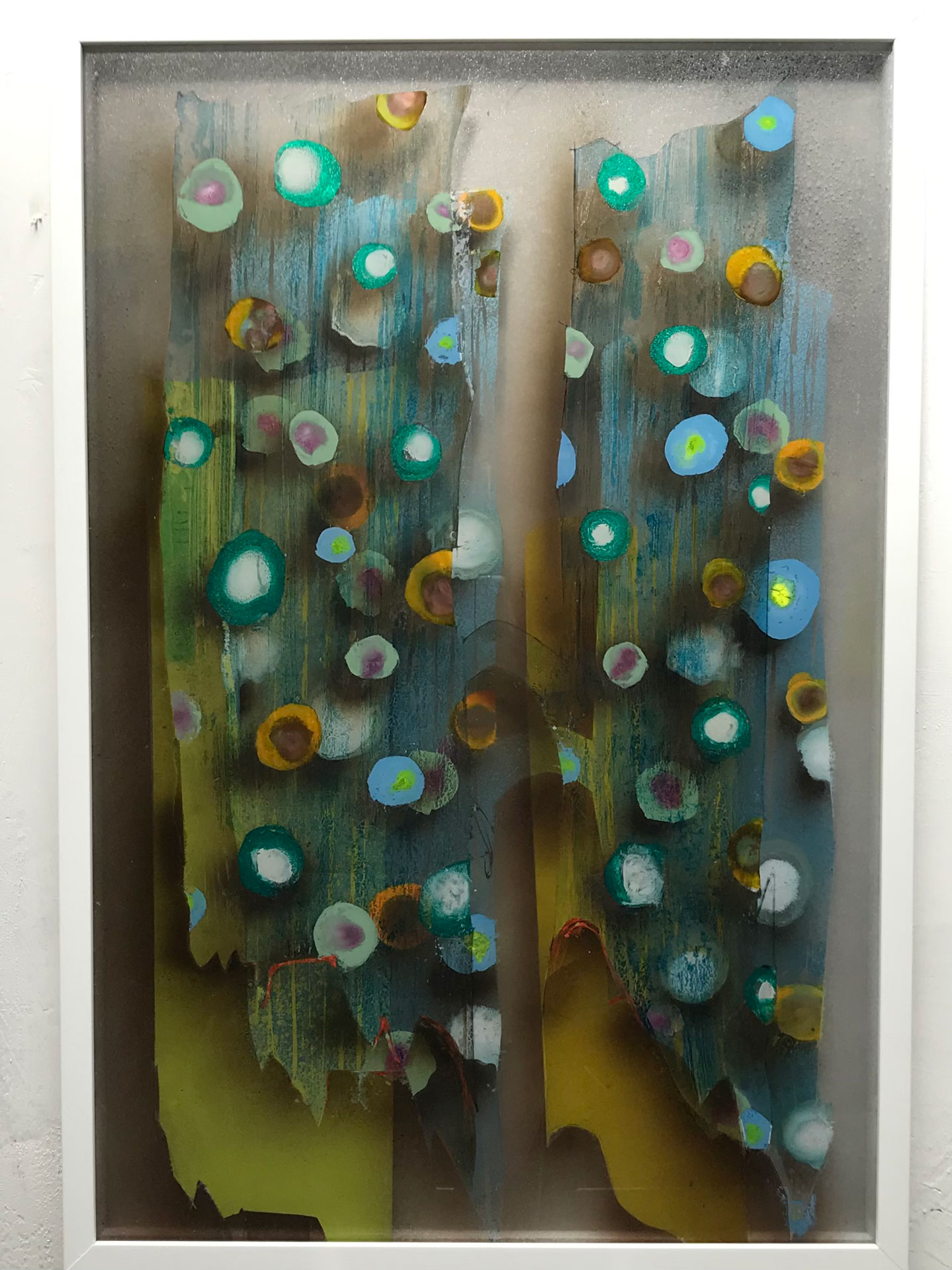
Painting is, among expressive means, the most used, the most authentic and natural, and at the same time the most abstract, of pure meaning, in which the center of the creativity of form is accentuated, following step by step its genesis. Paul Klee always said, “In the beginning, there is action… above it stands the idea.” The work therefore represents for the artist an experimental and spontaneous moment of creative conception. It clearly testifies to the formation of the image, the sign as writing that, emerging from the unconscious, becomes visual thought. And in his latest works Giacinto Occhionero, under the title “Duralar Duralex”, expresses the sense of a visual essentiality, only apparently confused, yet structurally linked to an ironic and colorful vision of life. Through his uncontainable mark, he expresses a misleading gestural line guided by manual impetuosity, the full identity of an emotional and cultural expressionism rooted in a solid reality.
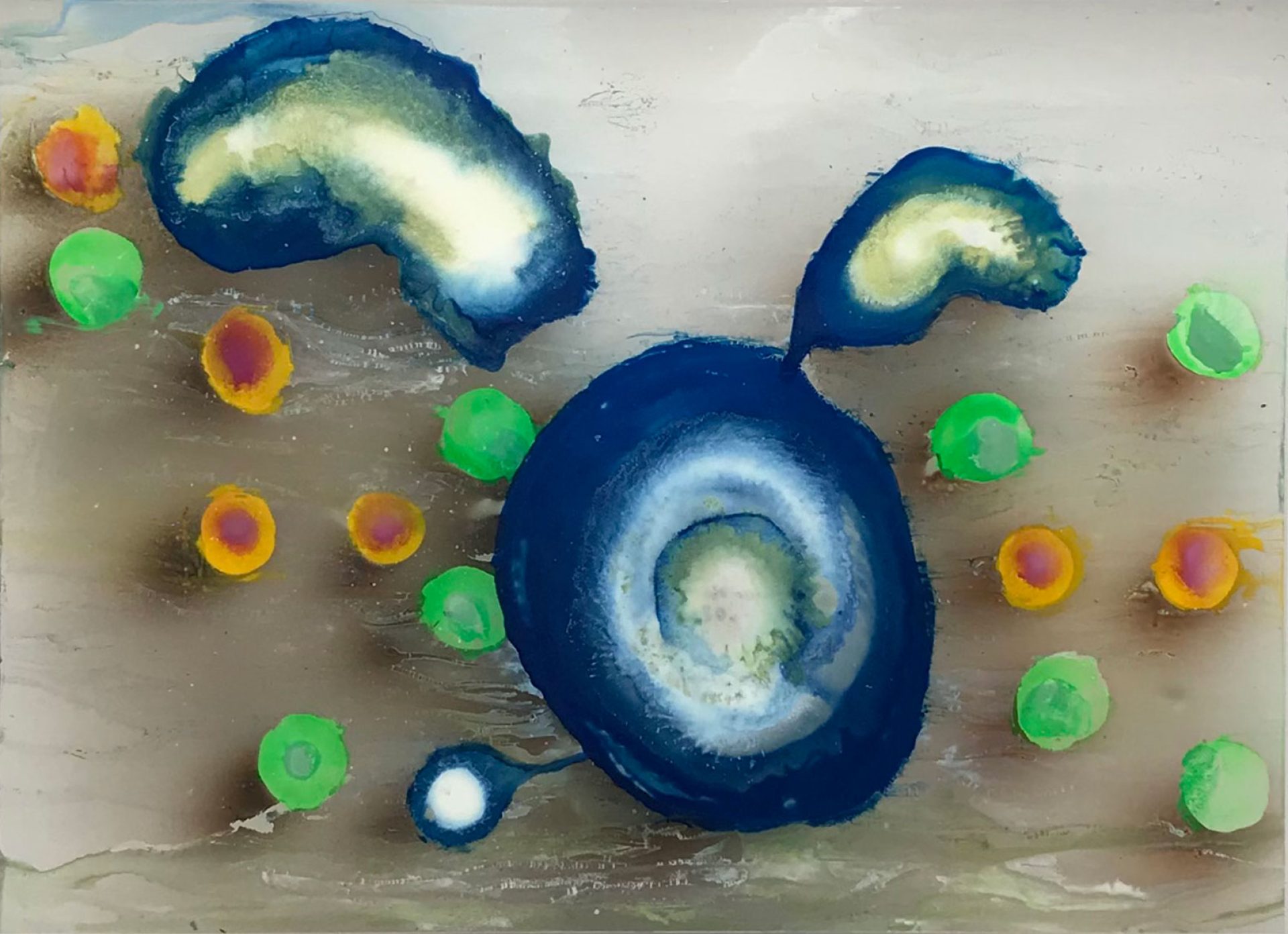
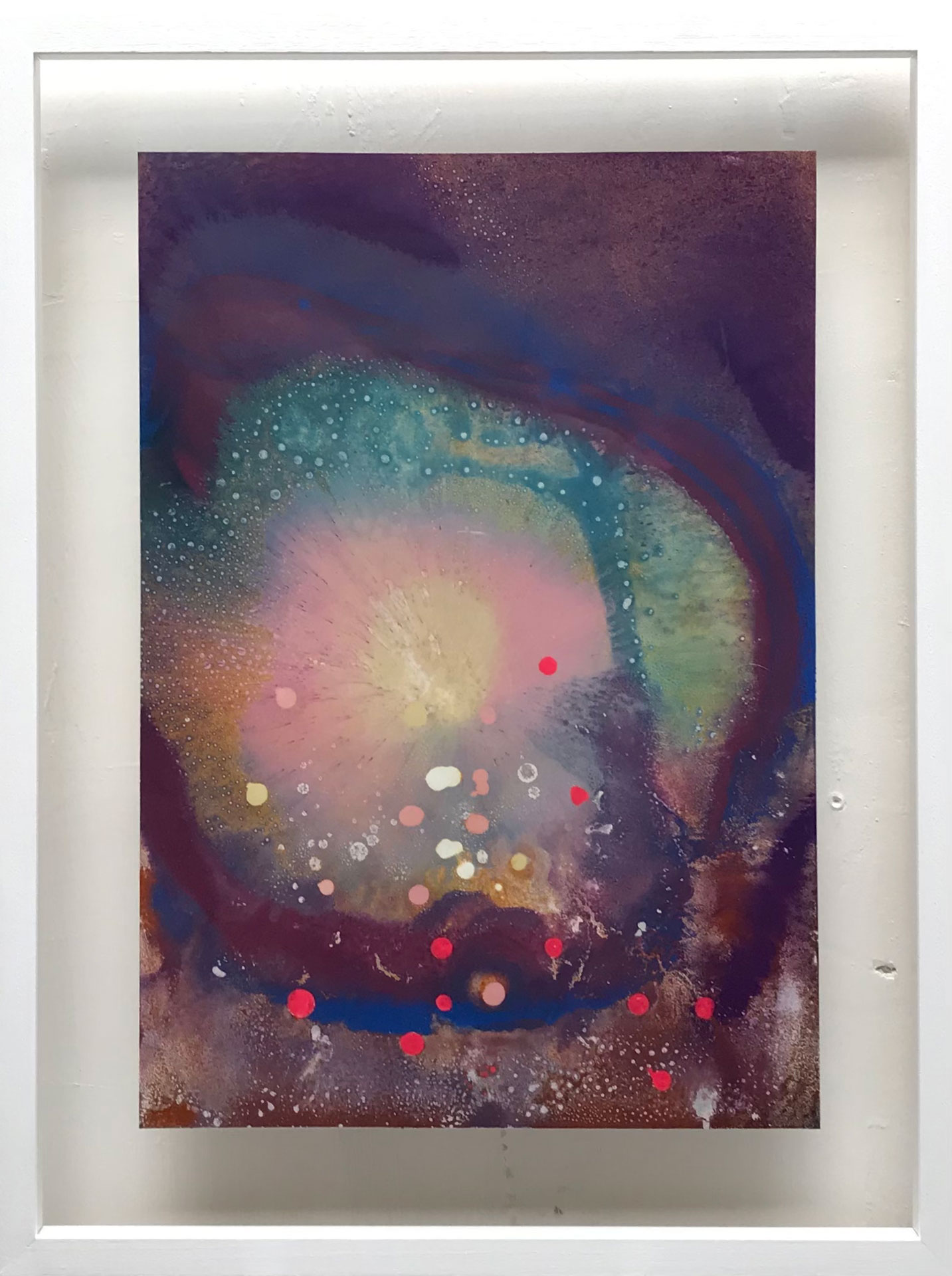
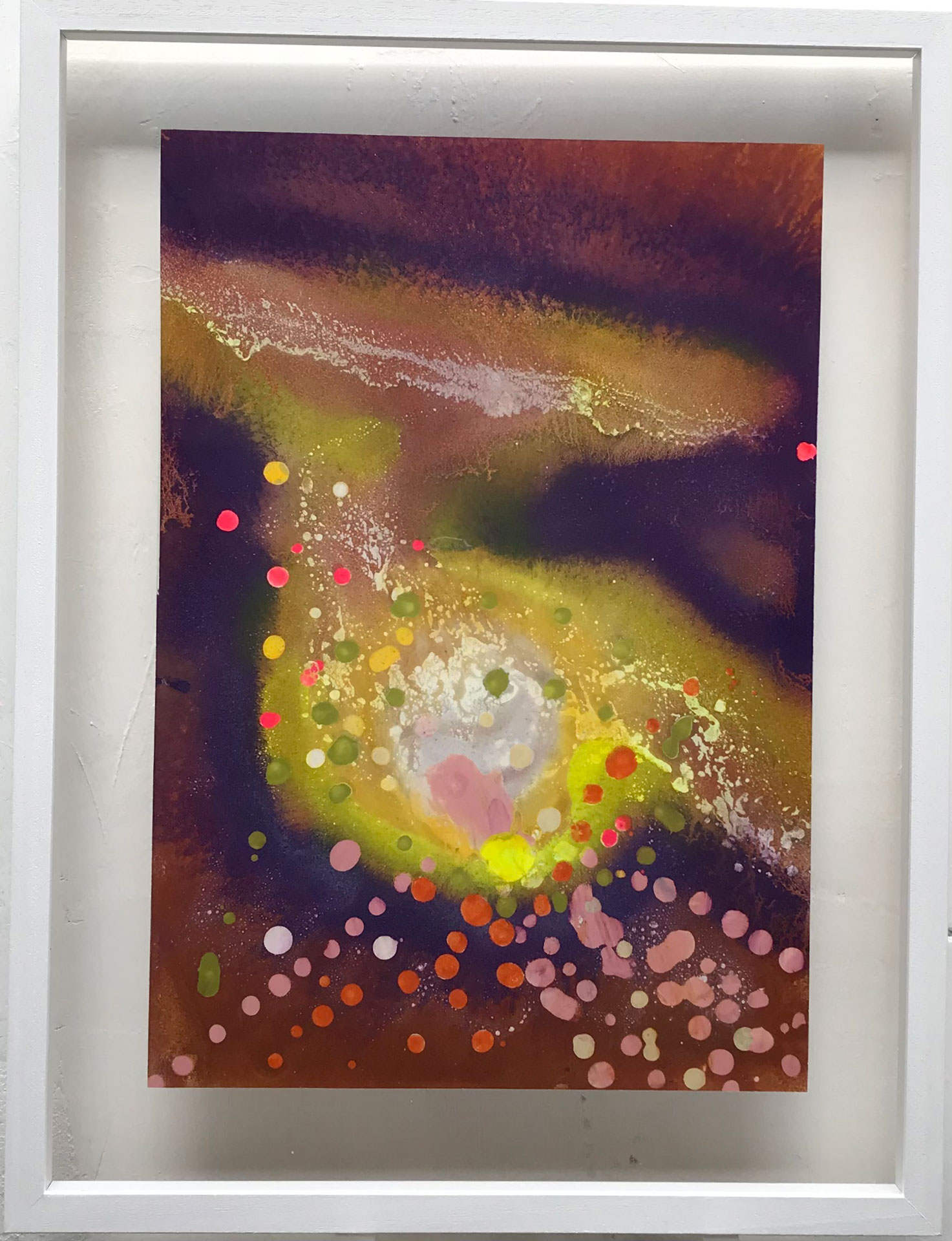
The structure of each work is thus composed as the expression of a nonverbal thought, transformed into an articulated and consolidated structure revealing reality. Here we find a stylistic exercise capable of transforming a desire, through the irony of creativity, into a dilation of time and space. Stains, quick marks, chromatic aggressions, contain within them the definition of space, contending with nature and poetry in the restless search for the formal solutions of the work. Assisted by the use of plastic materials and synthetic paints in an experimental key, his field of investigation focuses on an abstraction that extends from geological suggestions to space, and is articulated in a dynamic vision of form. The cohesion of intentionality and accidentality settles in the proliferation of chromatic “dots” and “circles” that, freeing themselves in a swirling motion, restore a sense of space and depth, while at the same time acting as “visual deterrents,” negating that same depth through irregular densities, countering structural and compositional continuity. The “circles” and later the “drops” are characterized by a chromatic range that varies from metallic shades to acid colors, describing explosions and vortices.
Another interesting application of his chromatic wisdom is the relationship between color and movement, in which he seeks to produce simultaneous and contrasting effects through a meditated and diligent combination of color ranges with different luminosities. This mechanism creates a different sense of perspective and a surprising assimilation of color. Altogether it invites the viewer to admire a material/immaterial world—landscapes, flowers, visions of the earth’s atmosphere, and even sexual reminiscences—that leads toward the immaterial, toward transcendence.
The visual illusions that result highlight intuitive processes and relationships between concept and form, consciousness and physical reality. The artist, through his gestures, establishes a relationship with life, evolving the way of seeing beyond aesthetic expression into a condition of fantastic privilege. Yet once again, he does not look outward, but inward—into his origins, into his being—choosing the ideal gesture, the ideal form, among proportions to contradict, colors to display, words to suggest, and dreamlike signs to sublimate. In making art, Giacinto Occhionero grants no concessions to style or to the viewer’s expectations; the tenacious and patient pursuit of the sign across the transparent surface of the materials used as a base expresses a search for something that is there, that exists. Often there is not even a story to describe, and one arrives directly within the image, bending technique to the expressive need of vision.
Through the construction and deconstruction of forms that free themselves from their function of expressing a concept, the “color breaths” created by the rapid use of spray cans he employs represent a point of arrival—a definition in itself of the form, through the arduous attempt to recognize an inner and parallel reality. In this way, a poetic dimension emerges in which space, movement, rhythm, light, and vibrations are elements referring to an objective and emotional dreamlike vision, where, once again, the sign is never entrusted to pure instinct but to a creative and structured necessity.
In this phase of his work, the artist wants to convey the stimulating and at the same time provocative idea that making art means entering the anarchy of the essence of structure. Yet, on the contrary, these works, full of light and color, refer back to a concrete vision of today’s world, in which the artist is fully aware of the assimilations derived from the various cultural intersections encountered during his formative and creative journey. Paul Valéry wrote that “beyond the quantized vision of science and beyond the solemn vision of history, there is a richer, more difficult-to-represent, more singular vision of time, that of the time-that-happens, which opens us to wonder, as to the adventurous shock of history, and in fidelity to his own nature, man must return to dwell there.” Meaning that art, even today, remains the only existential segment between human hope and poetry.
Massimo Scaringella
360
Gallery